Newsletters


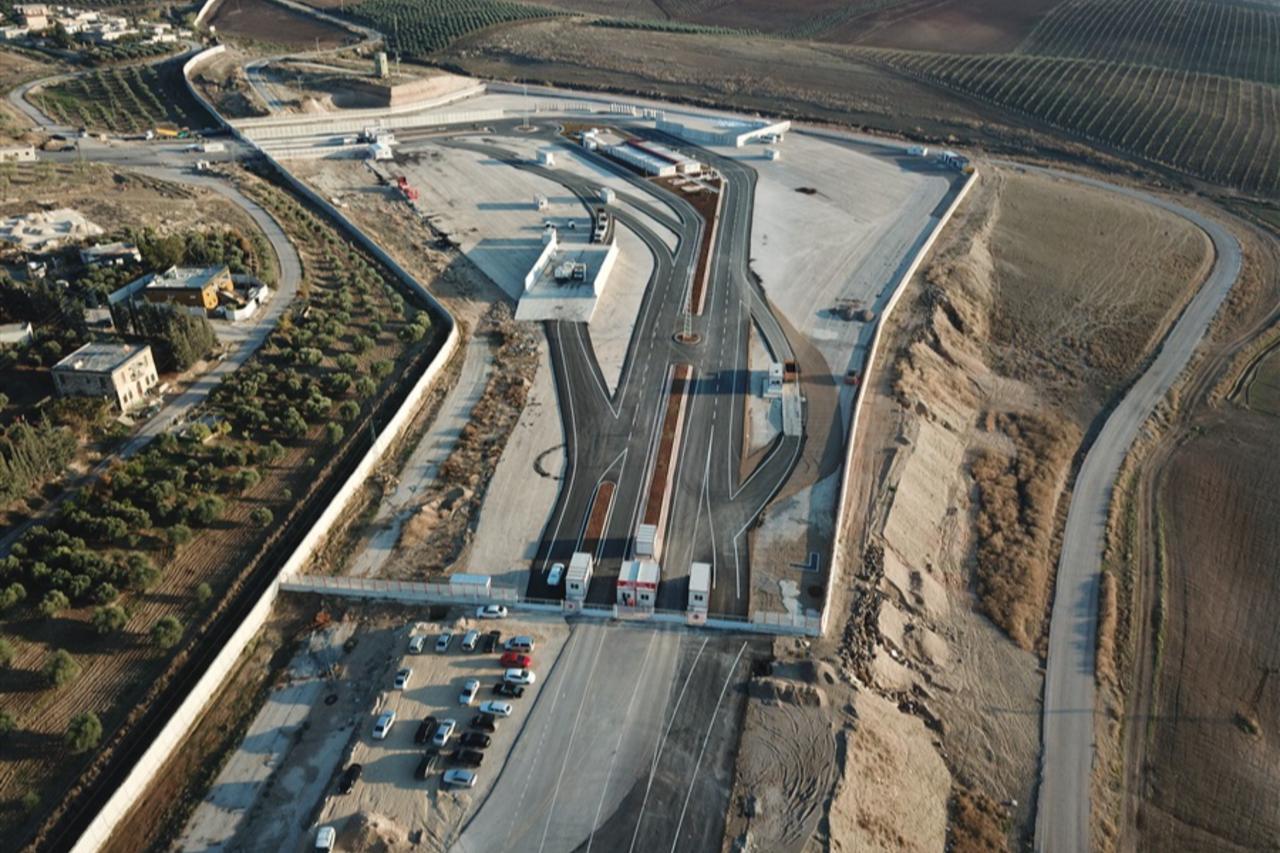


The Syrian government has apparently decided to close two border crossings opposite Türkiye’s Hatay and Sanliurfa provinces by the end of February, citing financial reasons and the proximity of alternative gates.
According to official correspondence sent to Ankara, the Hammam crossing opposite Hatay’s Zeytindali gate and the Rasul al-Ain crossing, opposite Ceylanpinar, will cease operations due to operating costs and redundancy.
Local business representatives in Hatay reacted swiftly.
The head of the Reyhanli Chamber of Commerce warned that the decision could disrupt regional trade and further burden the already congested Cilvegozu Border Gate. Infrastructure limitations, insufficient X-ray capacity, and logistical bottlenecks, he argued, are already straining cross-border commerce. Closing Zeytindali’s counterpart, critics fear, will only increase pressure.
Yet viewing the decision solely through the lens of Turkish local trade misses the broader strategic shift underway in Syria.
The Hammam crossing was originally opened under extraordinary conditions. At the height of Russian bombardment in Idlib, it provided an alternative route to Atme and Bab al-Hawa Border Crossing, allowing access to Afrin from the west without exposure to aerial threats.
Those battlefield dynamics no longer define northern Syria. The immediate security rationale that justified multiple overlapping crossings has faded.
Similarly, the Rasul al-Ain Border Crossing was once economically indispensable. Together with Tel Abyad, it endured years of SDF-imposed isolation. For nearly seven years, access to Türkiye functioned as the region’s only economic lifeline. With the de facto blockade broken and territorial realities altered, the urgency that once justified maintaining multiple low-volume crossings has diminished.
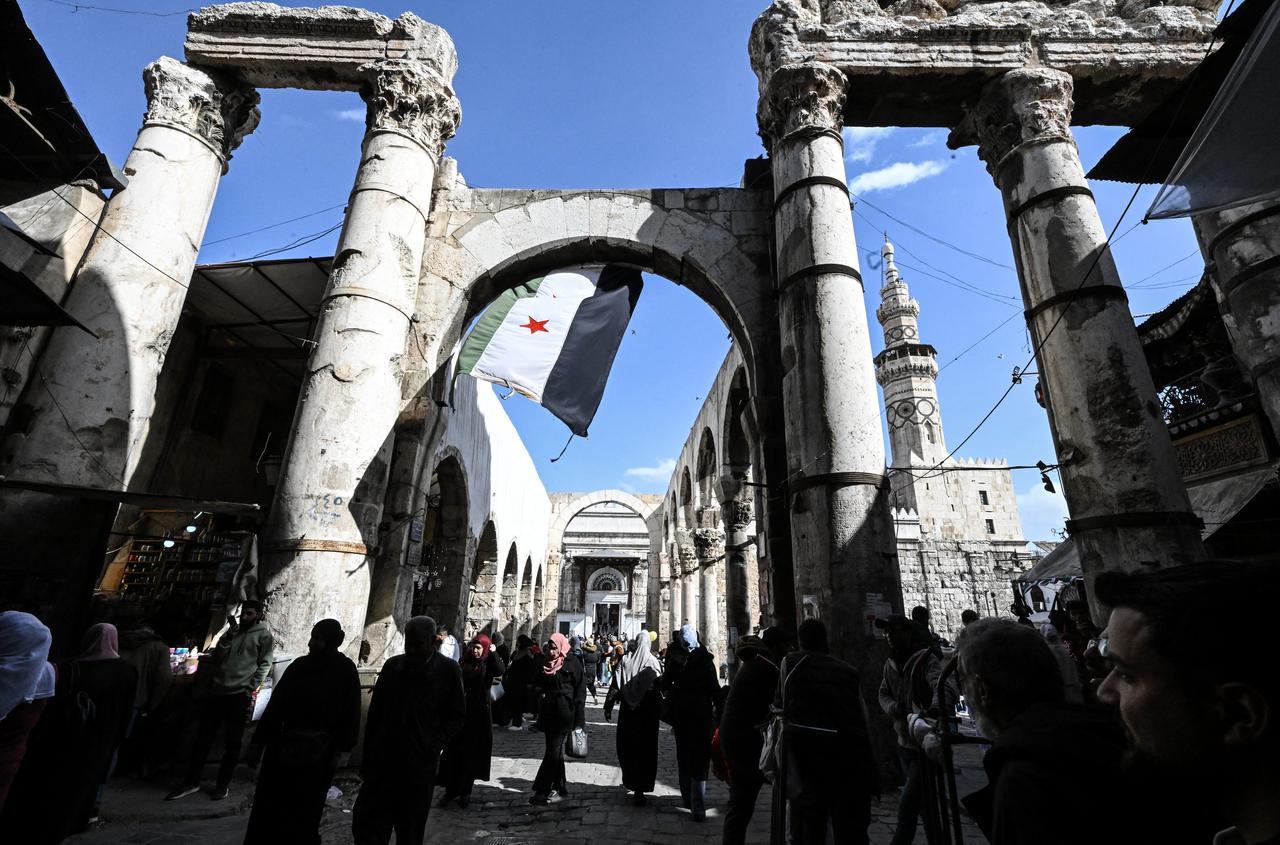

For Damascus, border gates are not merely transit points; they are revenue-generating state assets.
Maintaining underperforming crossings demands administrative capacity, qualified personnel and financial resources—all of which are scarce in a state recovering its institutions. When alternative gates exist within 5 to 15 kilometers, keeping redundant facilities open may create inefficiency rather than resilience.
From a Syria-wide logistical perspective, the Bab al-Hawa Border Crossing serves as the primary economic artery for trade with Türkiye. It provides a direct corridor into Idlib, extending southward toward Hama, Homs, and Damascus.
Further northwest, the Bab al-Salama Border Crossing links the Turkish industrial center of Gaziantep with Aleppo, Syria's primary economic hub. In contrast, the Hamam Border Crossing situated between them holds relatively little significance in the current Syrian landscape.
This move appears less like a political signal toward Ankara and more like fiscal consolidation. Syria’s interim authorities are transitioning from emergency wartime management to state-building. Rationalizing border infrastructure fits that logic.


 Set as preferred source
 Set as preferred source


 1 min read
 1 min read