

 Newsletters


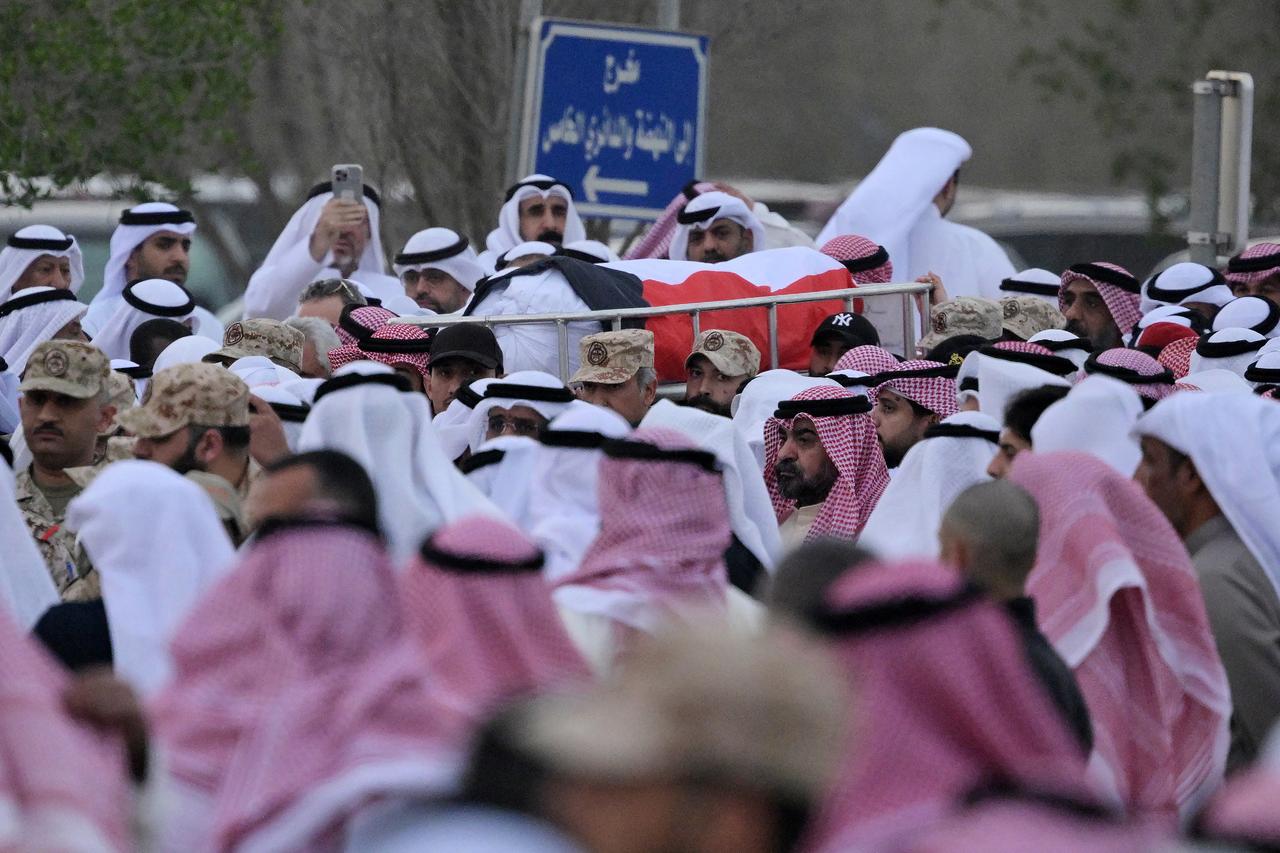


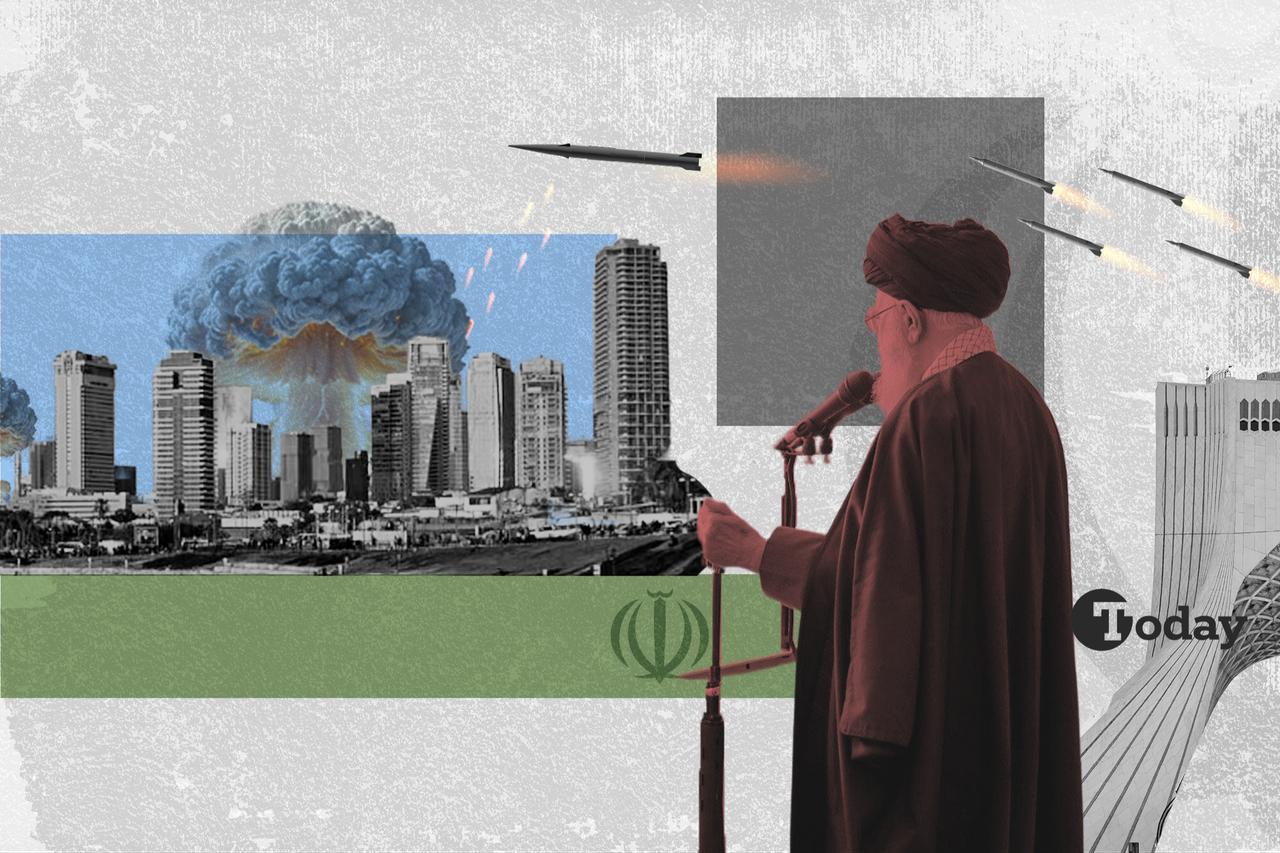
A new war erupted in the Middle East as the United States and Israel launched coordinated airstrikes on Tehran on Feb. 28. Earlier in the year, indirect talks between Washington and Tehran, mediated by Oman, had generated cautious optimism that a fragile diplomatic channel might still be preserved.
Yet as negotiations were still underway, the strikes, including the targeting of Iran’s top political leadership, quickly triggered retaliatory attacks by Iran and set off a broader regional escalation.
Iran’s ballistic missile and drone strikes reached beyond Israeli and American targets, hitting Gulf capitals and turning what began as a bilateral confrontation into a broader regional escalation that has pulled the Gulf into the conflict.
Even though the war is only a few days old, it has already exposed vulnerabilities in the Arab Gulf states that extend far beyond the military sphere, revealing psychological, economic, and strategic fragilities.
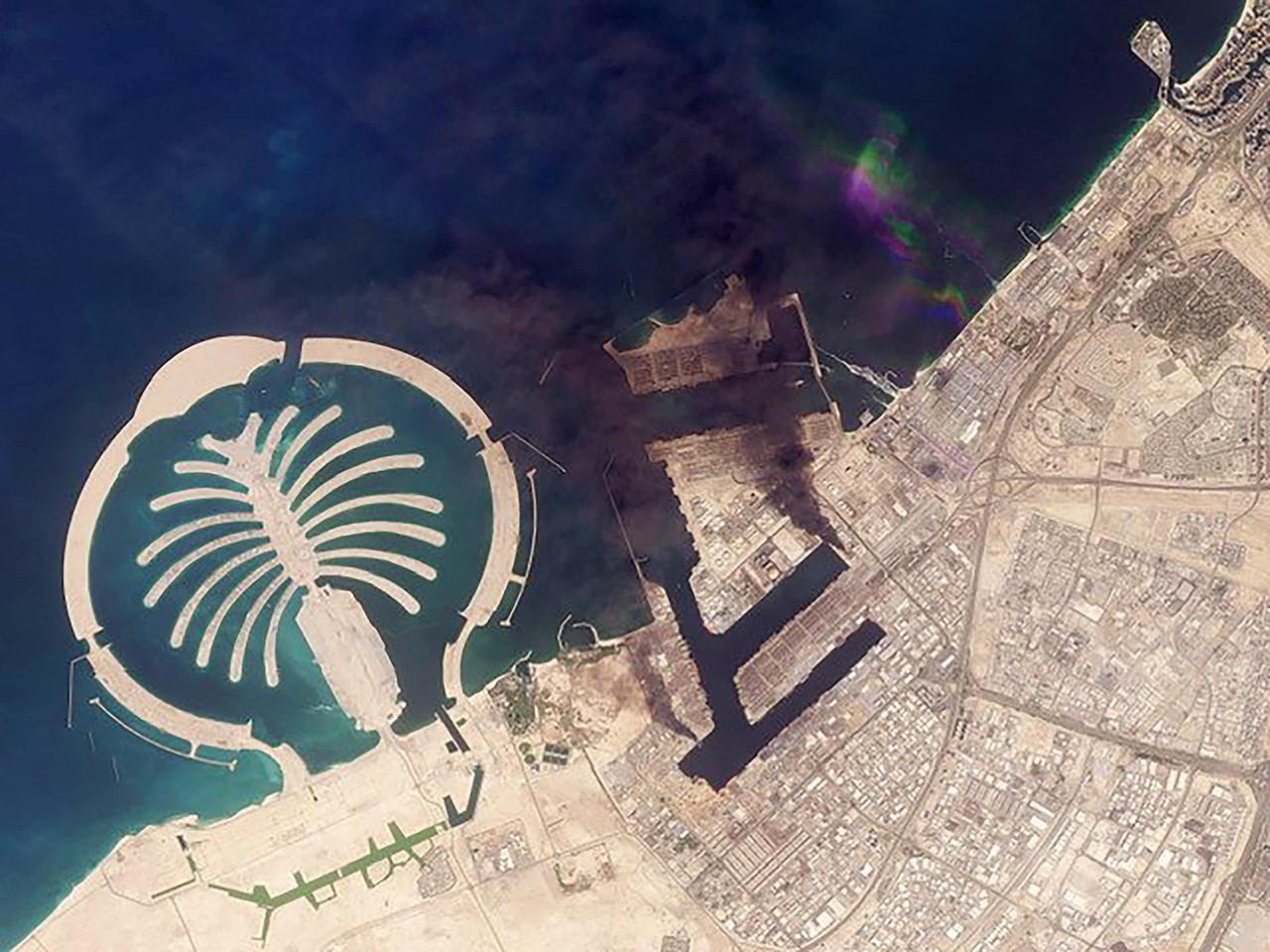

For decades, the Persian Gulf was regarded as a relatively secure space, largely insulated from the crises that have repeatedly shaken the rest of the Middle East. Today, that perception faces its most serious challenge in years.
This perception had, in fact, already begun to be tested by developments over the past year. The first direct military spillover of the U.S.–Israel–Iran confrontation occurred in Qatar during the 12-day war, when Iran launched missiles at the U.S. Al-Udeid Air Base on June 23, 2025, as part of Tehran’s retaliation for U.S. attacks on Iranian nuclear facilities.
This strike was largely anticipated; the base had been warned, and most of the missiles were intercepted. Yet its significance lay not in the damage it caused, but in what it signaled: for the first time in years, the Gulf had become a direct arena of the U.S.–Israel–Iran confrontation.
A few months later, in September 2025, Israel carried out an airstrike in Doha targeting Hamas leadership, marking the first direct Israeli strike on a Gulf state and another crack in the Gulf’s image as a safe haven.
Yet these incidents did not fundamentally alter the region’s broader sense of security. They were early signs of erosion, not a systemic rupture. Today, however, the situation looks fundamentally different.
From the first days of the war, Iran launched more than 2,000 drones and missiles at targets across the Arab states of the Gulf. Across the region, countries such as the United Arab Emirates, Qatar, Bahrain, and Kuwait have been forced to rely on their air defense systems to confront attacks reaching their own territory. This unprecedented scale of missile and drone barrages has dramatically altered the region’s long-held perception of security.
Targets were no longer confined to military bases but expanded to include city centers, tourist districts, ports, airports, and oil and gas facilities. Even if many of these attacks were intercepted, their psychological impact was impossible to ignore.
In the Gulf, the most consequential damage may not be physical destruction but the erosion of the stability that long set the region apart from the Middle East’s wars.
The rupture in the Gulf’s sense of security is not merely a psychological or military shock. It also raises deeper questions about the sustainability of the economic transformation the region has been building over the past decade.
Gulf states have long recognized that their hydrocarbon-based economic structures are unsustainable in the long run. Over the past few decades, governments across the region have therefore introduced long-term national vision plans aimed at preparing for a post-oil future.
Known as National Vision strategies, these initiatives seek to diversify Gulf economies and reposition the region within the global economy as a hub for tourism, trade, and finance.
Within this framework, Gulf capitals have evolved into far more than regional urban centers. They have become economic hubs hosting the regional headquarters of global companies, attracting millions of tourists, and serving as key nodes for the circulation of international capital.
However, the sustainability of this model ultimately rests on the same foundation: stability. From tourism and global aviation to finance and logistics, the sectors driving the Gulf’s economic transformation are highly sensitive to perceptions of security. The unprecedented scale of missile and drone attacks now reaching Gulf territory is putting that stability to its most serious test in decades.
For now, the Gulf’s economic model has not collapsed, nor have the region’s growth ambitions suddenly evaporated. Yet the recent attacks are directly testing the security assumption on which this transformation has been built.
If the Gulf begins to be seen not as a stable hub insulated from the Middle East’s conflicts but as a region vulnerable to them, the economic strategy constructed over the past decade could face mounting pressure.
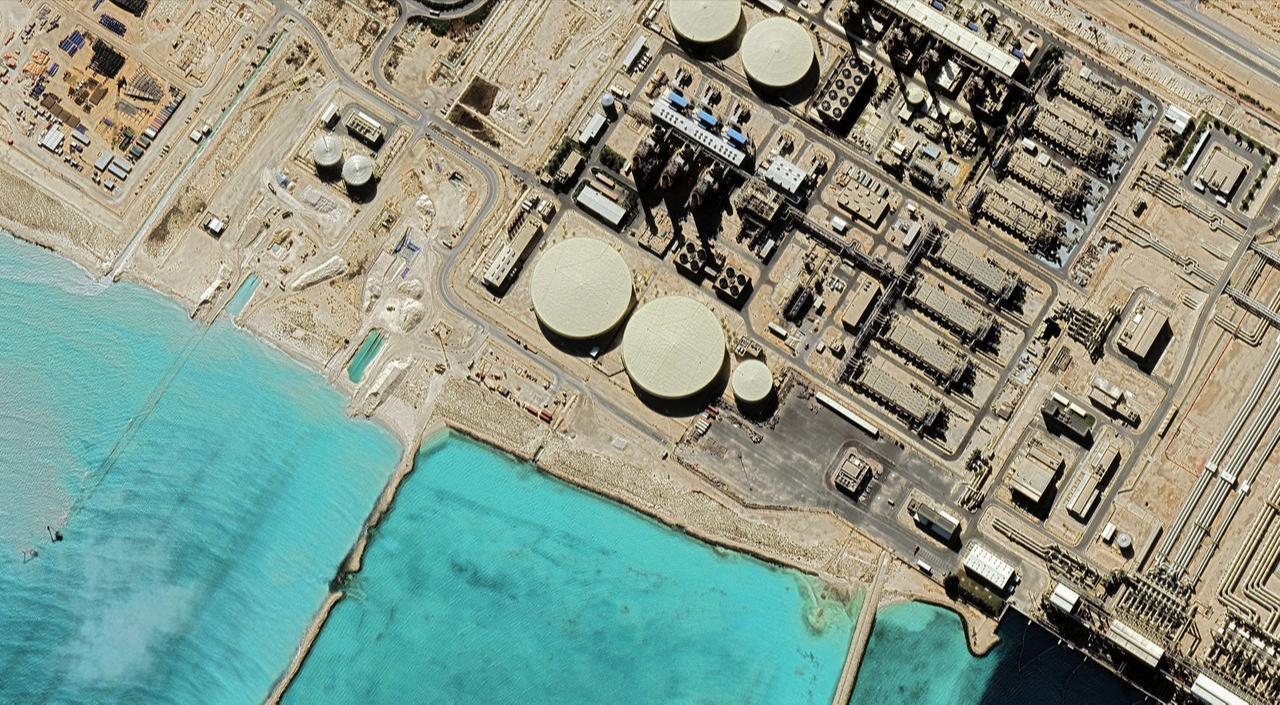
For decades, the relative stability that allowed the Gulf to position itself as a secure economic hub has rested on a particular security arrangement. At the center of that arrangement has been the American security umbrella.
In the aftermath of the 1991 Gulf War, Washington and the Gulf monarchies institutionalized a dense network of defense agreements, military partnerships, and a sustained U.S. military presence across the region. Over time, this framework came to be seen in Gulf capitals not only as a military alliance but as the ultimate guarantor of regional stability.
Yet this arrangement has long carried its own tensions. This is where the Gulf’s strategic dilemma begins to take shape. Since the Obama administration, Washington’s efforts to reduce its military footprint in the Middle East and pursue diplomacy with Iran have raised questions in Gulf capitals about the durability of American security commitments.
The subsequent years only deepened these doubts. The Qatar crisis during Donald Trump’s first presidency exposed how fragile intra-Gulf alliances could be, while shifting and sometimes contradictory signals from Washington complicated perceptions of the U.S. security umbrella.
The Biden administration’s emphasis on reducing military engagement in the region and redirecting U.S. strategic attention toward the Indo-Pacific further reinforced the sense that the Middle East was no longer Washington’s primary strategic theater.
Donald Trump’s return to the presidency did little to resolve these uncertainties. If anything, Washington’s increasingly confrontational approach toward Iran, coupled with a stronger prioritization of Israel’s regional ambitions, has further complicated the Gulf’s strategic calculations.
In response, Gulf states gradually began exploring alternative balancing strategies. Economic partnerships with China expanded, diplomatic and energy cooperation with Russia deepened, and several Gulf capitals sought to diversify their security partnerships by engaging with other regional powers such as Türkiye.
At the same time, several Gulf states cautiously pursued de-escalation with Iran. Qatar and Oman had long maintained channels of dialogue with Tehran, while the United Arab Emirates gradually resumed diplomatic and economic contacts.
The most visible shift came in 2023, when Saudi Arabia and Iran agreed to restore diplomatic relations after years of rivalry, reflecting a broader regional effort to hedge against escalating tensions.
Yet the current crisis has exposed the limits of both hedging with Iran and efforts to diversify the Gulf’s security partnerships beyond the United States. The region’s security architecture still depends heavily on the American military presence and U.S. security guarantees, even as Washington itself has become one of the central actors driving the present war.
This contradiction places Gulf states in a difficult strategic dilemma.
Moving away from the U.S. security umbrella is neither simple nor realistic in the short term. Yet the current war has fueled a growing perception across Gulf capitals that Washington, despite being the principal guarantor of Gulf security, has pushed the region into a confrontation shaped by Israel’s strategic ambitions, at the expense of Gulf stability.
In this sense, the war is already forcing a reassessment across the region of whether the Arab Gulf States’ long-standing security strategy can still hold in a far more volatile regional environment. For decades, the Gulf’s geopolitical privilege rested on the belief that the region could remain largely insulated from the Middle East’s wars. That privilege is now rapidly eroding.


 Set as preferred source
 Set as preferred source


 2 min read

 1 min read


