Newsletters


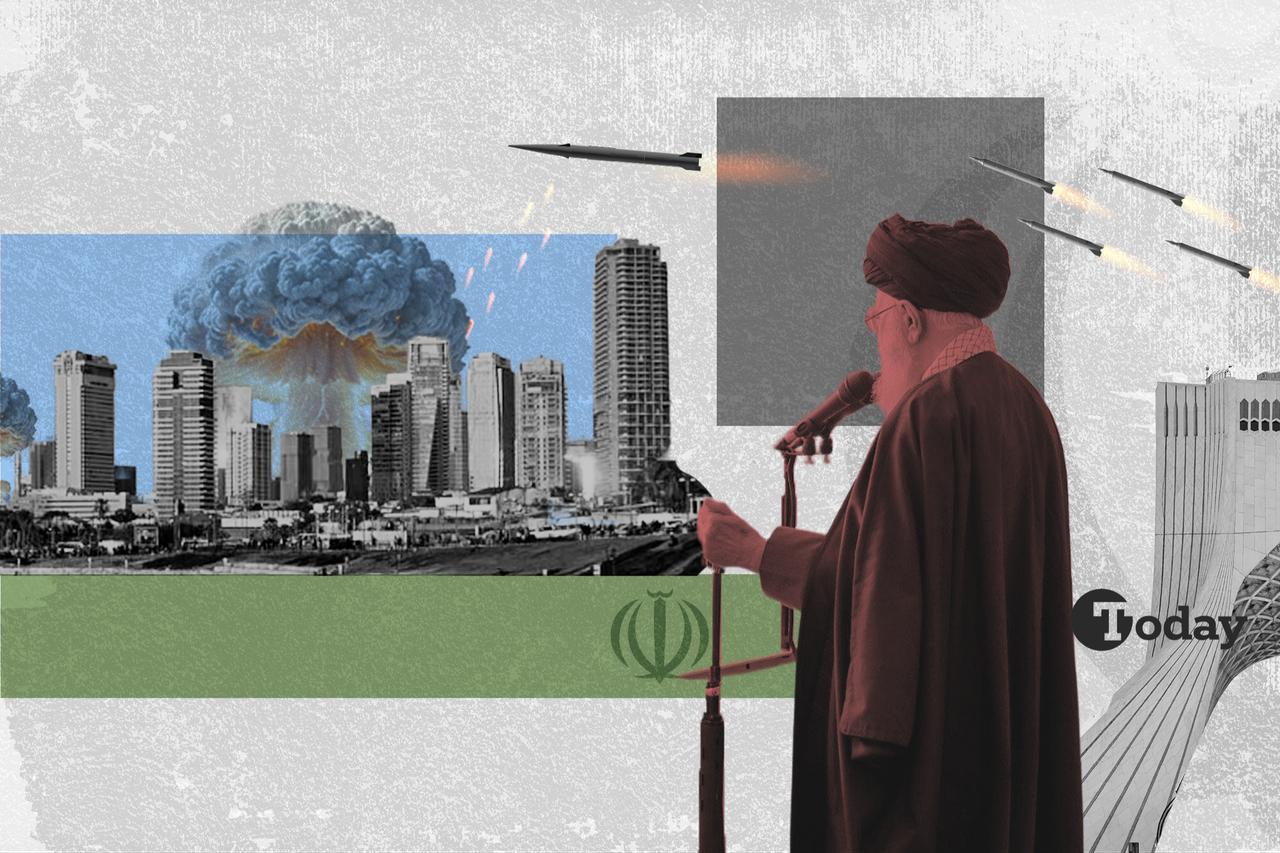


"There is no calamity greater than lightly engaging in war,” observed Lao Tzu in "Tao Te Ching," 26 centuries ago.
The founder of Taoism counseled a way of life centered on simplicity, spontaneity, and non-action as a means of adapting to the universe as it unfolds. As the United States and Israel wage a new war to end Iran’s malign regional activities, many Western allies hesitate to participate or offer open support. Especially for those living nearby, the risks of war are too high and the outcome too uncertain, so it seems as if this is a war lightly entered.
Yet the Iranian case is a poor fit for Lao Tzu’s wisdom. The theocratic regime in Tehran is in fact built for war—irregular and proxy warfare as well as terrorism at home and abroad—and has pursued the overthrow of the Western-led regional order for decades. Various shades of accommodationist policy toward the mullahs by Washington have emboldened Tehran to seek nuclear weapons, attack neighboring states through armed proxies, develop ballistic missile and drone capabilities, while espousing "Death to America" and "Death to Israel."
Given the combination of Iranian malintent, dangerous capabilities, and ongoing irregular warfare against neighbors, the point of prudent hesitation passed long ago. Tehran has made clear in successive negotiations that it will not abandon the combination of weapons-grade nuclear enrichment, long-range missiles, and proxy warfare.
Costs and risks pertain in this as in any war, but the costs of inaction have been mounting; even Lao Tzu would presumably not want such a regime to have a permanent armor of nuclear weapons.
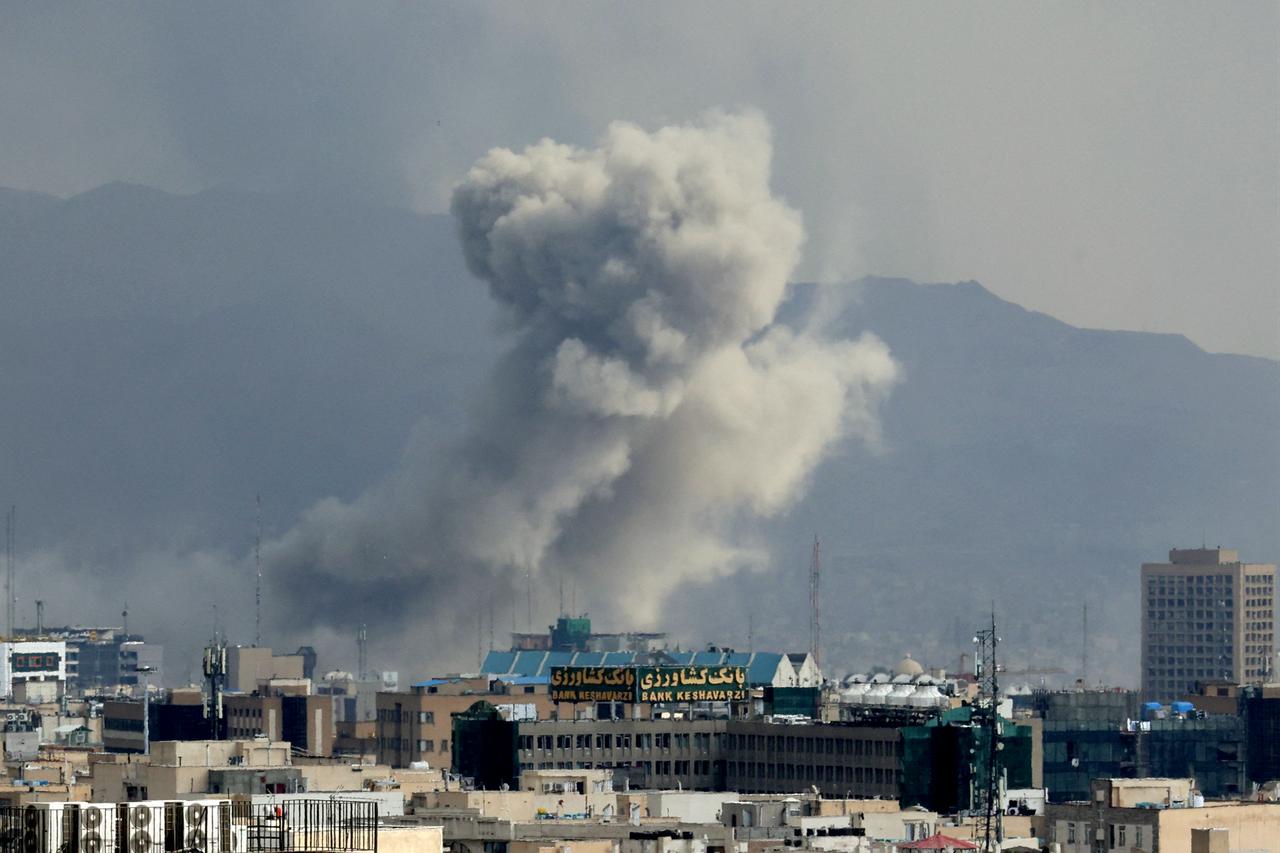

Shortly after the 1979 revolution, the new regime in Tehran set about shifting the country’s defense strategy from conventional to irregular warfare. This included using a “guerilla navy” to impede commercial shipping in the Gulf, bombing and assassinations against U.S. and Israeli targets in third countries, propaganda, cyber tools, and extensive support via the Quds Force to regional proxies in neighboring states.
Iranian diplomatic maneuvers and alliance with states like Venezuela, Russia, and China lent a patina of normalcy. But the Islamic Republic’s inaugural event was the seizure of the U.S. Embassy in Tehran and the holding of American hostages for 444 days. It is a regime built for war—against its “Great and Lesser Satans” but also its neighbors and its own people.
Sunni-majority countries in the Mideast have suffered far more than Israel or the U.S. from Iran’s peculiar brand of power projection. Tehran hegemonized politics in Iraq and Lebanon through armed groups nurtured by Qasem Soleimani. It turned Gaza and Yemen into militant camps and instruments of its regional policy—the cost to the locals notwithstanding. It supported the PKK against Türkiye and eviscerated the Syrian state. U.S. policy missteps have much to do with the woes of the broader Mideast over the past three decades, but the concerted campaigns of destabilization waged from Tehran are a far more rooted and intentional cause.
More recently, Tehran has contributed significantly to Russia’s invasion of Ukraine through the provision of combat drones and other supplies. It has expanded a narcoterrorism network operating in the Americas in conjunction with Hezbollah. Iran has been a belligerent state for decades, and the new round of strikes is a reply in kind.
The main concern in the U.S. is not that the war is happening—most believe the crippling blows being inflicted this week on Iranian leadership, naval assets, missile sites, defense factories, and Islamic Revolutionary Guard Corps (IRGC) units are richly deserved. Certainly, thousands of Iranian-Americans celebrating in Washington and Los Angeles reflect this sentiment. There is deep concern that in a country of Iran’s size and complexity, the outcome in political terms cannot be accurately foreseen. It seems unlikely that the Iranian people will embrace the son of the last Shah as a new leader. It is unclear that the National Council for Resistance in Iran (NCRI), the best-organized diaspora resistance group, has much traction inside the country.
The Baluch and Kurdish regions of Iran have been restive and may resist re-imposition of central government rule—even if a secular and democratic Iran emerges. Militant cells sympathetic to the regime may attempt assassinations and sabotage in the West, as they have in the past. The regime may not quickly collapse, leading to prolonged suffering inside, waves of refugees and disruption to trade and civilian life in neighboring states. Risks abound.
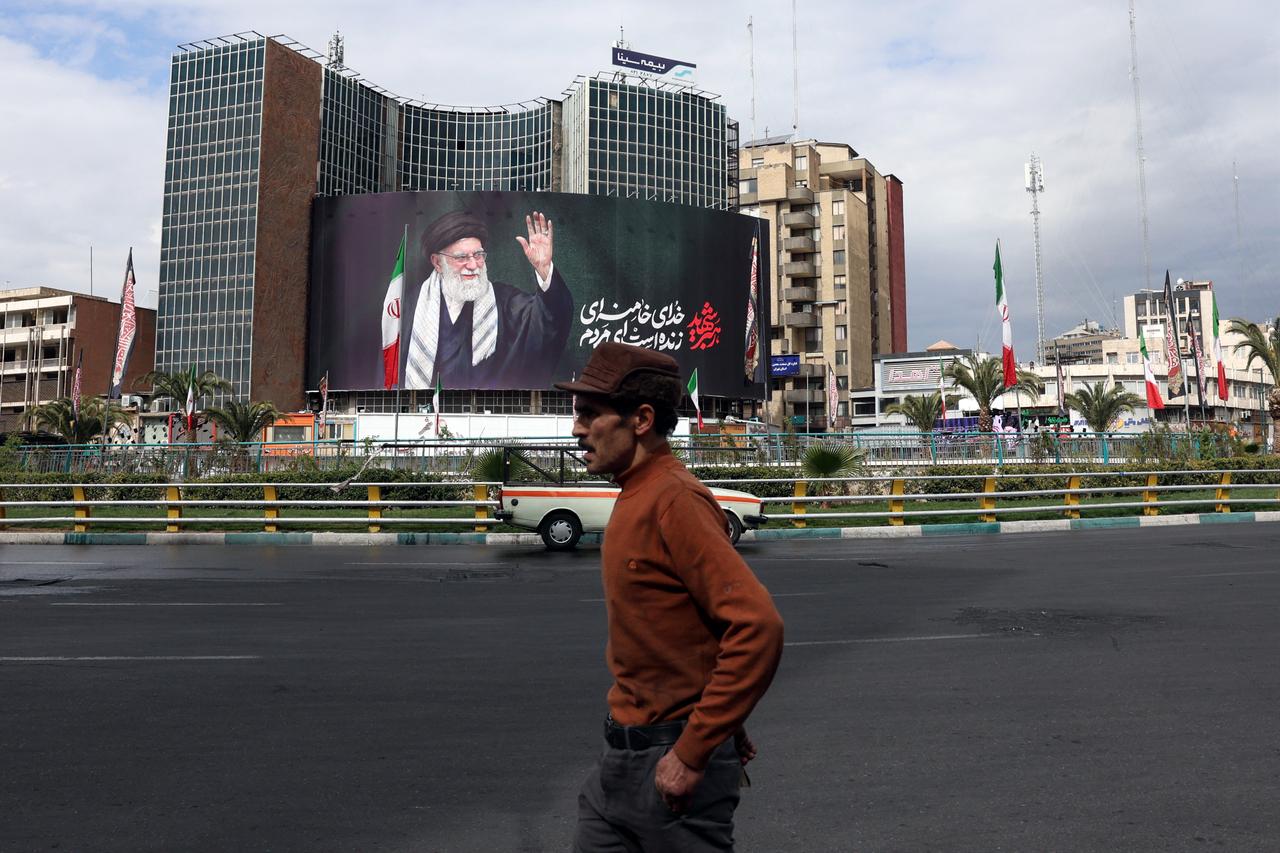
All of these things also pertained prior to the current campaign against the Iranian regime. We may not yet know what will follow the evisceration of Tehran’s forces, but there is little doubt about what would have happened had the West acquiesced to Iran’s nuclearization.
Iranian missiles now falling on non-belligerent neighbors would be far more effective blackmail if the launching entity had nuclear-tipped ballistic missiles. Given its proven track record of enmity and destabilization in the region, that entity was given the choice of foregoing the weapons or facing war—Tehran made that choice, and Washington recognized it.
Lao Tzu’s rough contemporary, Sun Tzu, had words appropriate to the current situation. “Let your plans be dark and impenetrable as night, and when you move, fall like a thunderbolt,” and “in the midst of chaos, there is also opportunity.”
The thunderbolts are falling this week, and a degree of chaos has ensued on the ground. Washington has practiced strategic patience for decades with an unabashedly and viciously antagonistic regime. The opportunity for something better for American interests and for the Iranian people is real. In short, this is not a war “entered lightly”—it has been nearly five decades in the making, and unlike other U.S. wars in the region, may be more prudent than allowing Tehran to continue its lethal patterns.
DISCLAIMER: The views and opinions expressed in this article are those of the author and may not necessarily reflect the editorial policy of Türkiye Today.


 Set as preferred source
 Set as preferred source


 2 min read
 1 min read