

 Newsletters


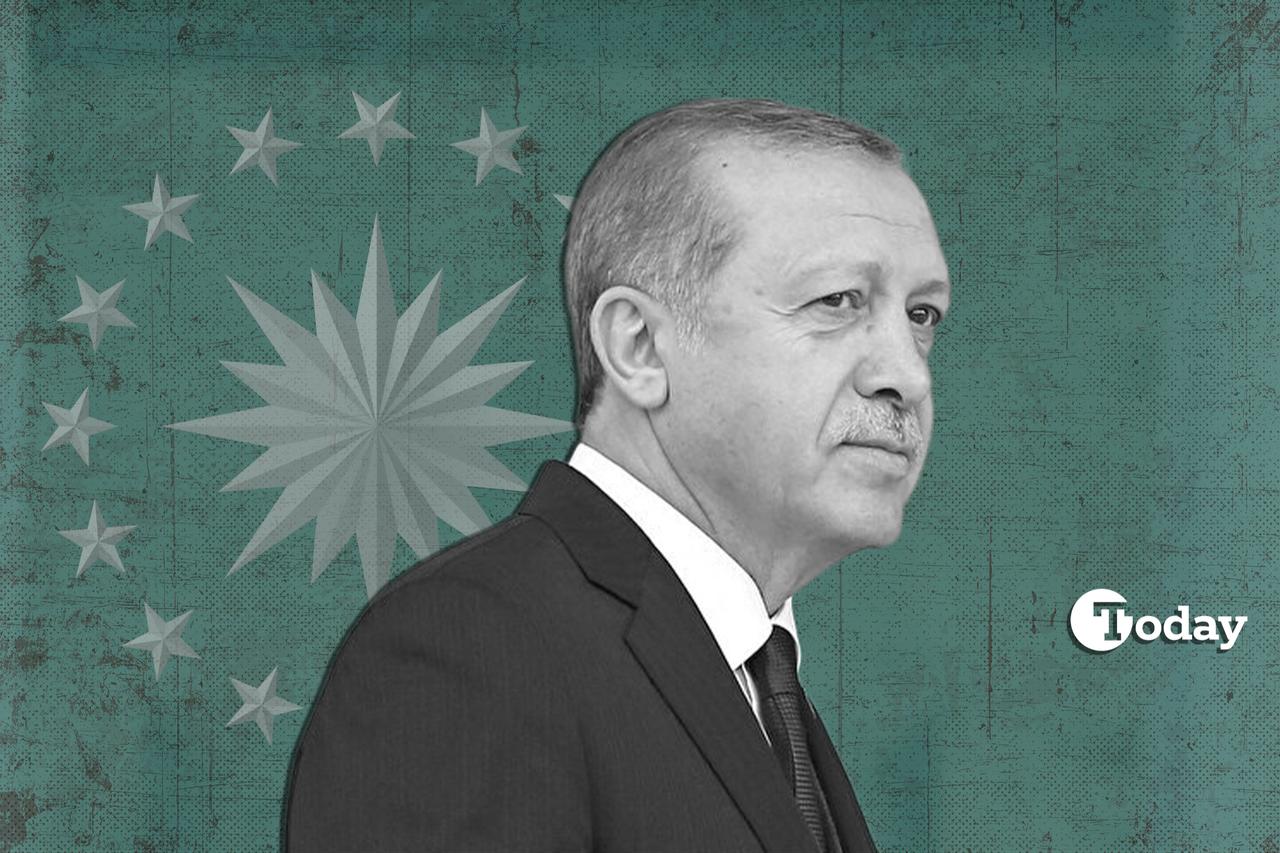


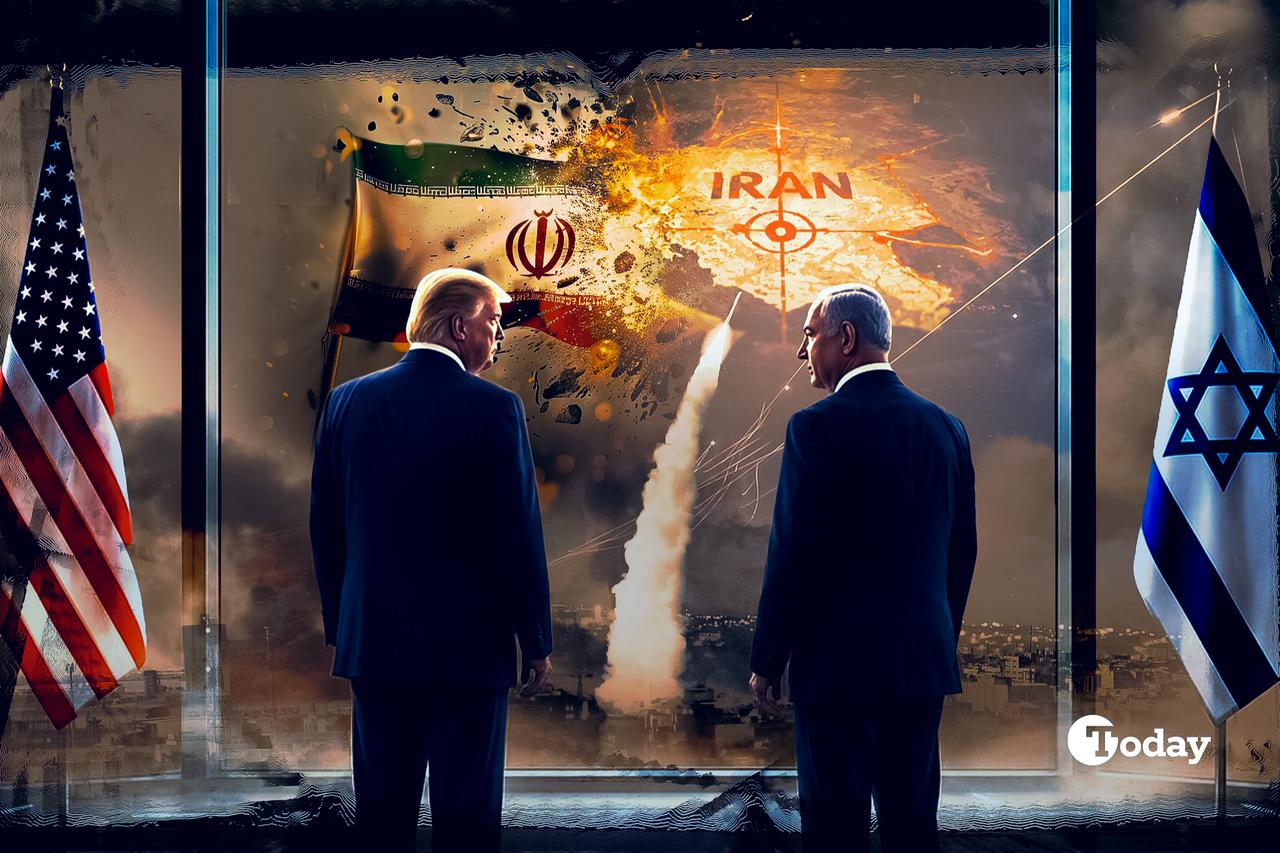
The coordinated strikes on Feb. 28 represented the moment when long-standing warnings of regional conflict finally materialized into a large-scale military reality.
Ankara views these events as part of a regional security system in which no incident remains isolated, and every move affects the whole. In recent weeks, Ankara made sustained diplomatic efforts to prevent escalation but was ultimately unable to influence Washington’s decision.
Before the strikes, Türkiye had adjusted to a specific regional balance.
The period after October 7 had resulted in a comparatively constrained Iran, which Ankara found relatively easier to handle. This reality gave Türkiye more space to act in northern Iraq and the South Caucasus.
This environment aligned more closely with Turkish strategic preferences because it balanced regional competition without leading to total chaos.
Now, the joint military action by the United States and Israel has replaced that balance with a more volatile and uncertain regional environment. The region has crossed the border of contained friction, leaving Ankara to face a new set of risks. This shift is deeply nerve-racking for a country that has invested heavily in the status quo.
The breakdown of the diplomatic track is rooted in the specific choices made regarding the site of the nuclear negotiations. Ankara had proposed Istanbul as the center for these talks.
This offer was not merely about hosting a meeting. From the perspective of Turkish officials, the Istanbul format would have acted as a practical shield for Tehran. The presence of such a high-level process in Türkiye, a neighbor and a NATO member, might have increased the political cost of a military strike for Washington.
Privately, Turkish officials express deep frustration that Tehran rejected the offer of inclusive, multilateral mediation in Istanbul, which would have involved regional stakeholders as guarantors. But the Iranian leadership chose to move the talks to Muscat.
This decision appears, from Ankara’s perspective, to have reduced diplomatic leverage. By choosing bilateral talks in Oman focused only on the nuclear file, a path Ankara saw as a dead end, Tehran lost the protective layer that Istanbul could have provided. In doing so, Iran lost an additional diplomatic layer that could have complicated the path toward escalation.

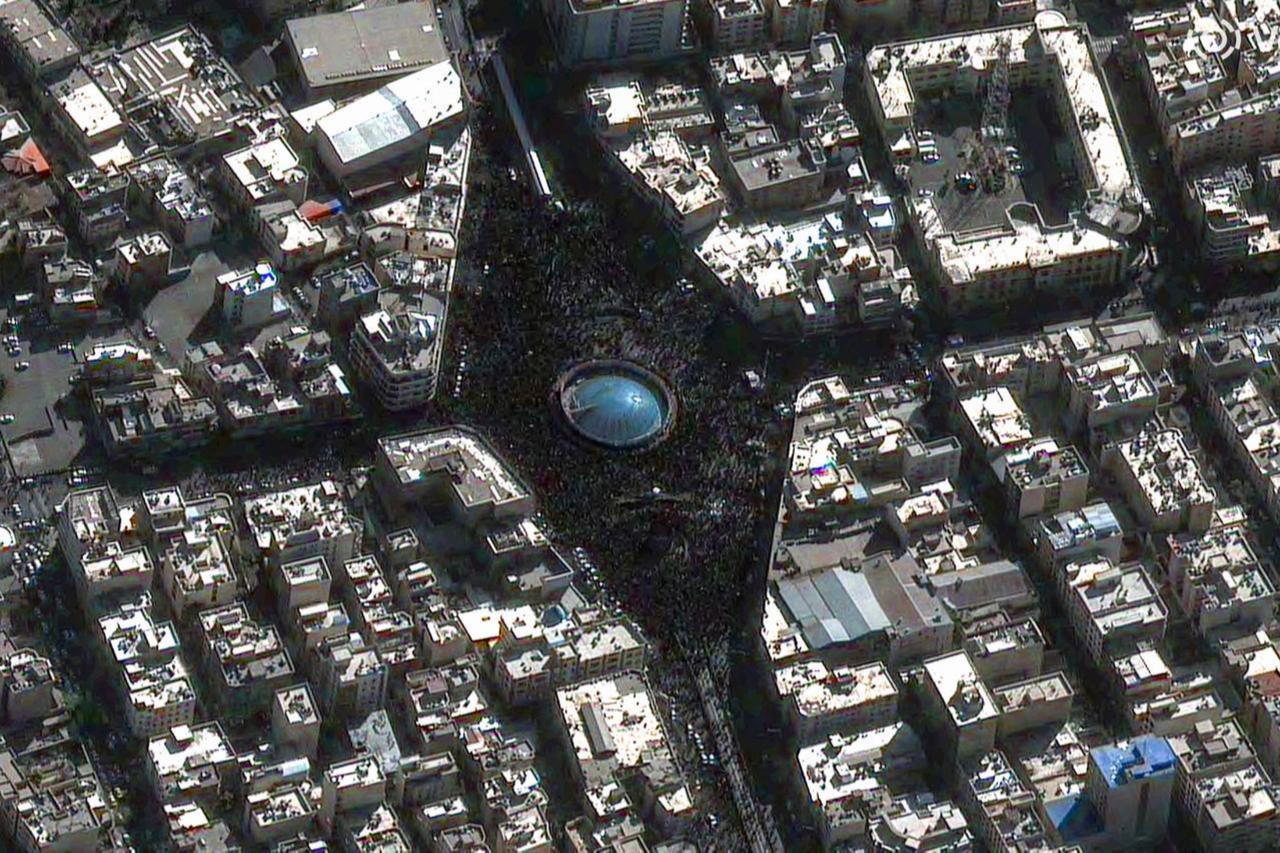
Iraq is emerging as an increasingly important secondary front in this conflict. As Tehran’s direct military capacity faces heavy pressure, the risk of a regional spillover into Iraqi territory has become an acute security concern.
For Ankara, this potential for asymmetric volatility across the border is not just a regional issue but a direct threat to domestic stability. This risk of spillover recalls the high costs Türkiye paid during the Iraq and Syria conflicts over the past three decades.
The resulting turbulence has an immediate negative effect on the ongoing Terror-Free Türkiye initiative. This initiative relies on a stable and predictable Iraqi security environment to stop cross-border threats.
Ankara also closely monitors the Coalition of Political Forces of Iranian Kurdistan. This group brings together five different parties, including the Iranian branch of the PKK, known as PJAK.
The presence of PJAK makes this front the most sensitive area for Turkish security planners. Any effort to promote ethnic disorder or establish regional autonomies inside Iran directly conflicts with the security of the Turkish border.
Security analysts note that external strategies intended to mobilize these groups often ignore the deep competition between them. One of Ankara’s key concerns remains the potential for a Syrian-style fragmentation.
Promoting ethnic movements as a tool against the central government in Tehran carries the risk of a spillover effect. This could destabilize the entire border region, making the prevention of regional autonomies a priority for Türkiye as it manages the results of the current conflict.
The death of Ali Khamenei has initiated a transition that external actors may seek to influence. Ankara remains firm in its opposition to a total political transformation driven by external forces.
Turkish officials have signaled that Türkiye will not provide political or logistical cover for any military campaign that has regime change as its final goal.
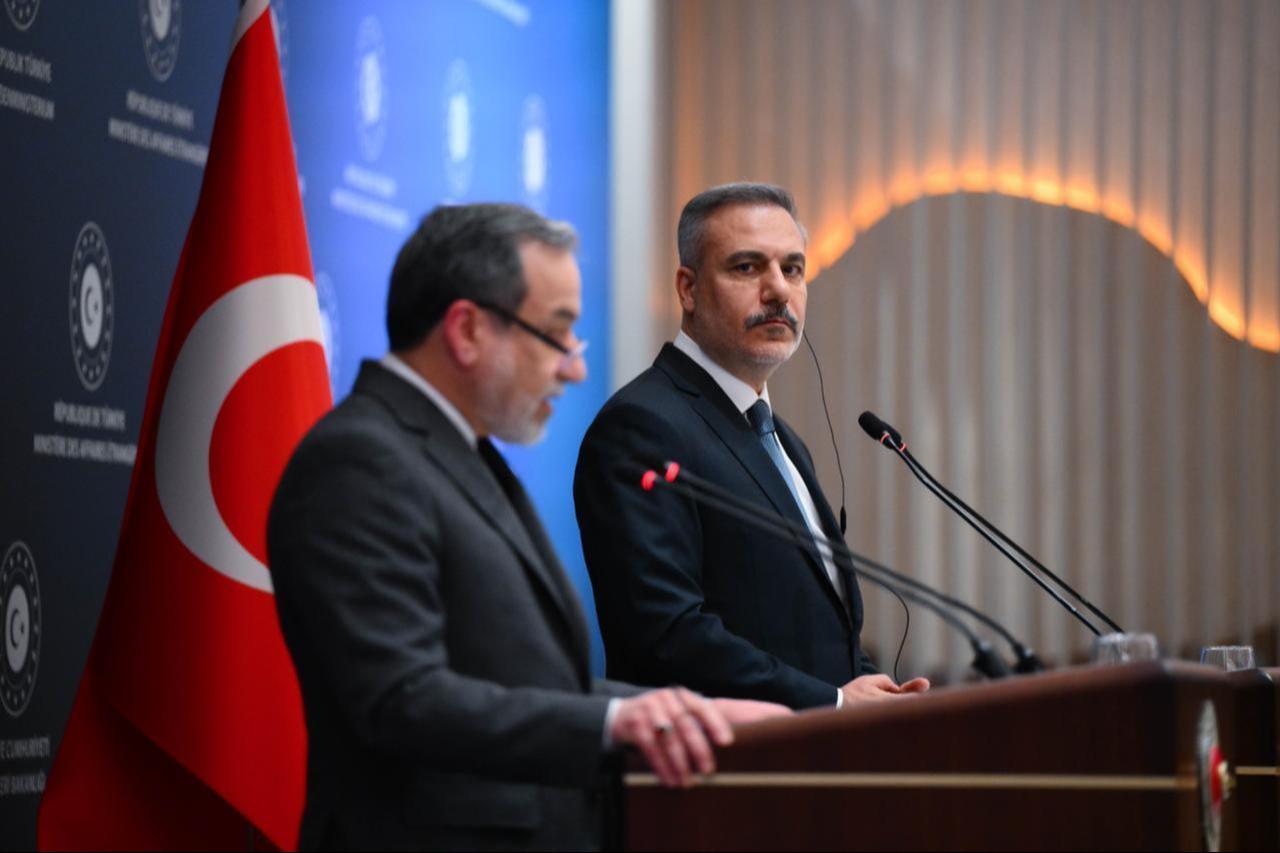
To support this stance, Foreign Minister Hakan Fidan has been engaging in an intensive diplomatic campaign, calling counterparts from Saudi Arabia to Qatar and the EU to halt the escalation. This policy limits the degree of regional political support available to the US-led coalition because it denies the necessary regional support for an open-ended offensive.
Ankara also notes that the security apparatus in Tehran has made institutional preparations for a loss of leadership. Türkiye views the current management by the Temporary Leadership Council under Article 111 as a sign of this resilience.
For Ankara, the focus is on preventing a total breakdown of the security environment rather than supporting a forced change of government.
Economic pressure will emerge first through energy markets as escalation drives oil prices upward. The main cost for Türkiye will depend on where prices stabilize, yet even moderate increases carry macroeconomic consequences. Higher energy import bills widen the current account deficit while simultaneously complicating the fight against inflation.
A second transmission channel operates through tourism revenues, as prolonged conflict in Türkiye’s immediate neighborhood risks reinforcing perceptions of regional instability and raising the country’s risk profile among international visitors.
On the other hand, the most urgent concern for Turkish officials is a massive migration wave triggered by internal instability.
Top Turkish foreign ministry officials recently briefed lawmakers in a closed-door meeting at parliament, explaining that Ankara is preparing for worst-case scenarios. High-level meetings have taken place to prepare for various contingencies, and border security posture has been reinforced.
If central control in Tehran fails, contingency planning reportedly includes discussions of possible buffer arrangements along the border to ensure that potential refugees remain there. For Ankara, the goal is to prevent a refugee crisis from becoming a permanent domestic burden.
Türkiye occupies a unique position by maintaining a distance from the active military operation.
It stands as the only regional ally that didn’t open its airspace for strikes against Iranian targets. Ankara has stopped short of directly condemning Washington, partly reflecting Ankara’s effort to preserve working channels with Washington, choosing instead a language of cautious de-escalation.
President Erdogan's formal message regarding the death of the Supreme Leader serves as a deliberate signal to Tehran. This communication confirms that Ankara is not a participant in the offensive.
While Türkiye avoids a dominant Iran, it also fears a total state collapse. The current diplomatic efforts by the Foreign Ministry continue to prioritize a rapid transition back to the negotiating table to prevent the conflict from becoming an open-ended campaign.
When Washington eventually seeks a diplomatic exit, Ankara's status as an ally with open channels to Tehran positions it as a potential mediator to end the conflict.


 Set as preferred source
 Set as preferred source


 2 min read
 1 min read


