Newsletters


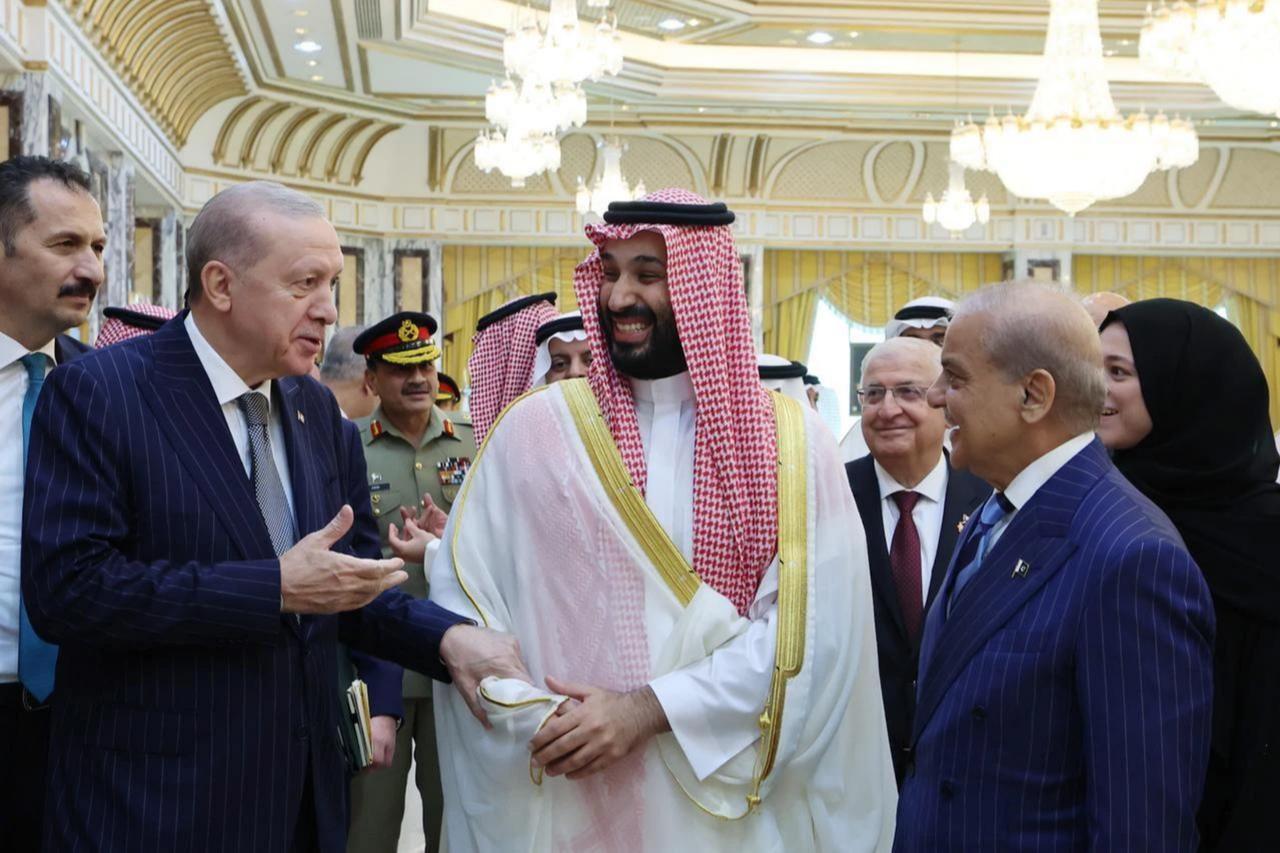


The Mecca table was set for three. But speculations suggest there was an absence: Egypt.
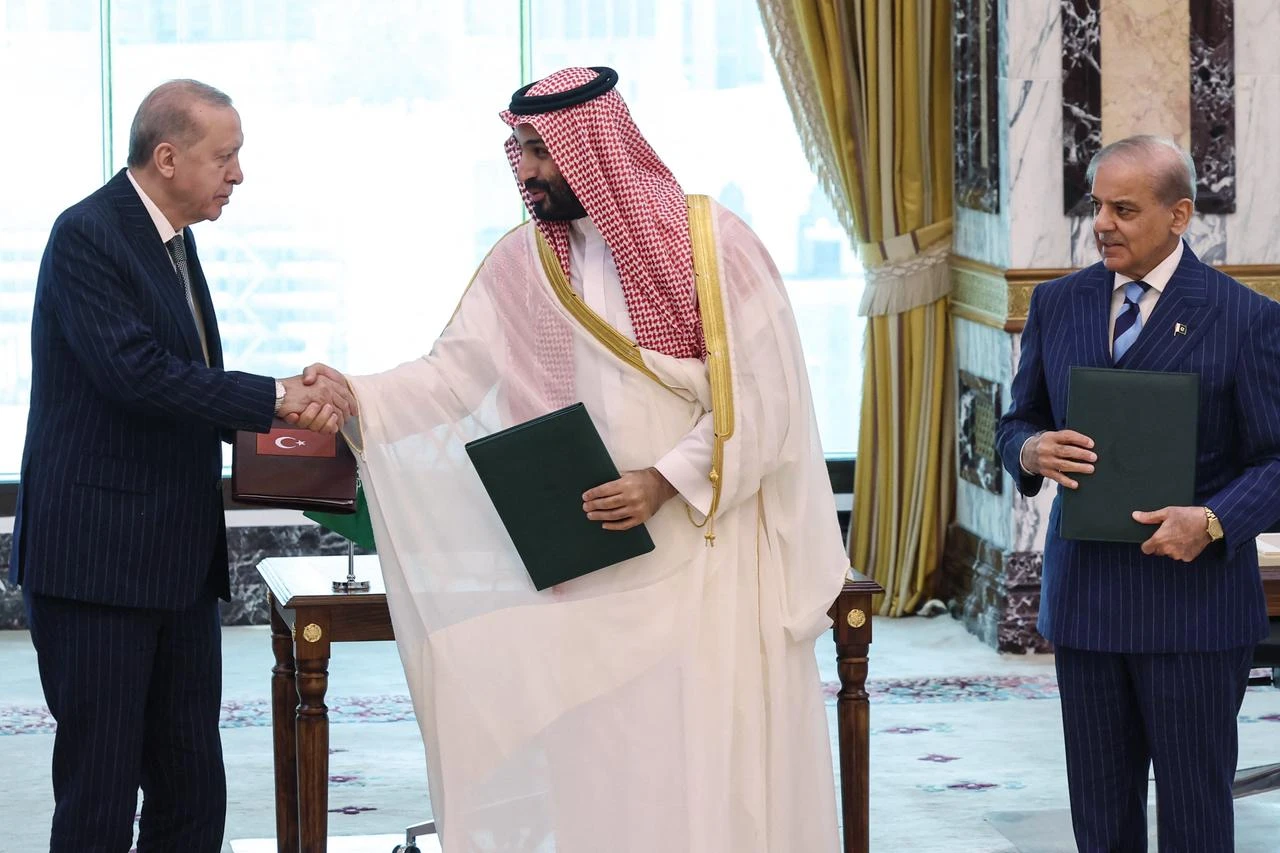
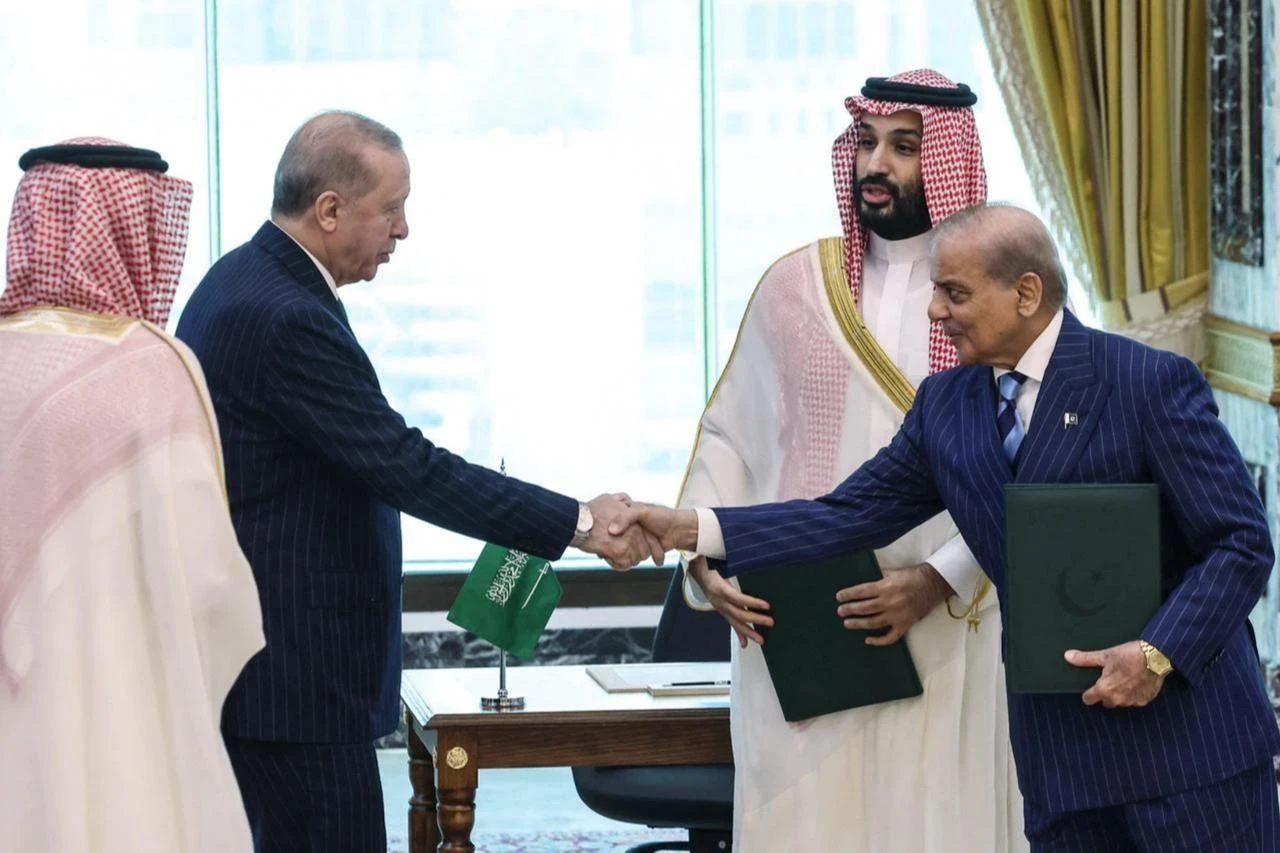
On Aug. 7, 2026, when Saudi Arabia, Türkiye, and Pakistan unveiled the Mecca Joint Defense Agreement, bringing together three heavyweight players with deep strategic interests in the region, Egypt's absence stood out.
Mada Masr, an Egypt-based news platform, reported that Egypt’s absence was not due to a lack of invitation, claiming that Cairo was actually invited to the pact but declined.
Two days later, MEE, a U.K.-based news platform, published another report claiming that Cairo actually wanted to join, but Riyadh vetoed this request. The report attributed this information to an anonymous former senior adviser to the Saudi monarchy.
Following these reports, several developments have demonstrated that their narrative is false and, at best, inaccurate.
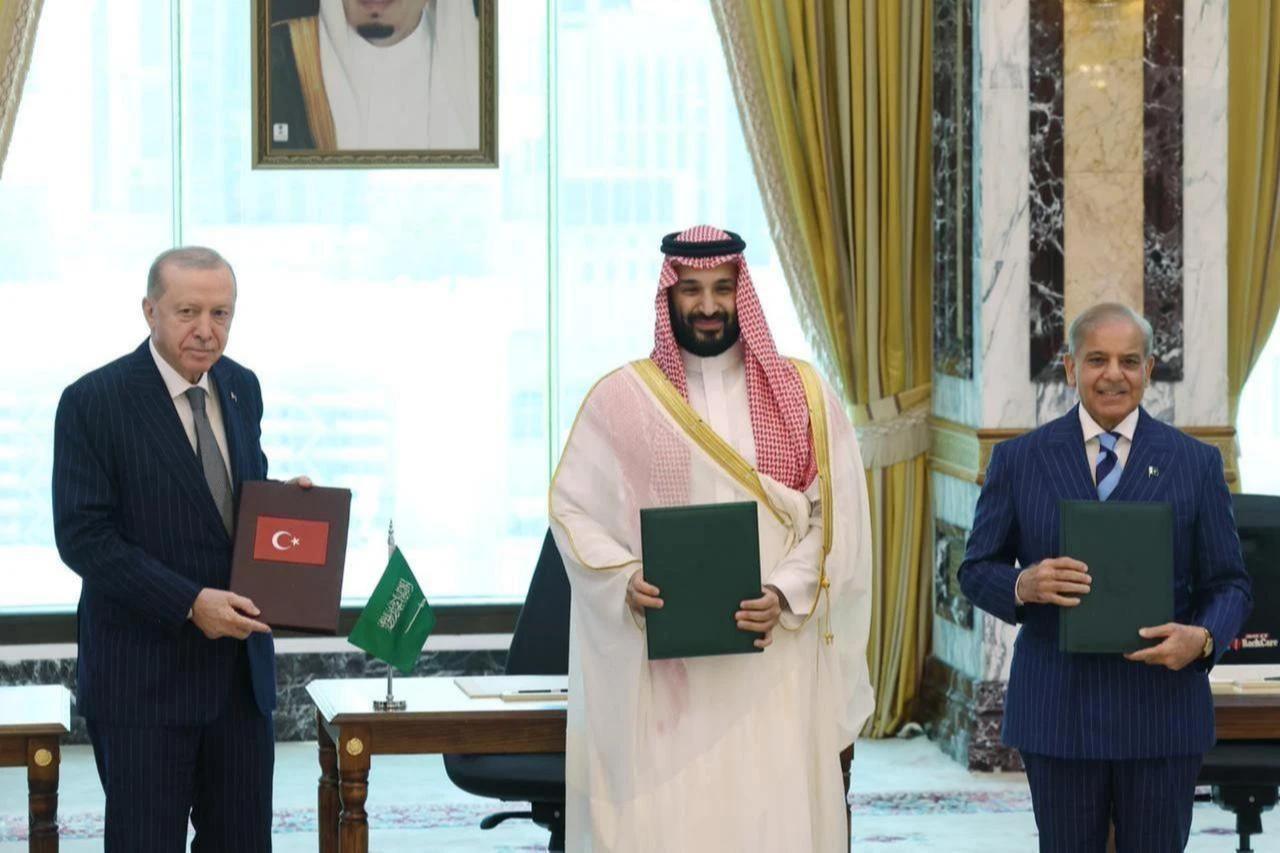

Focusing on what we know rather than what we wish to see, several factors emerge, explaining why the pact was announced without Egypt's involvement.
First, the pact grew out of Türkiye’s efforts to build on the Saudi-Pakistani defense agreement, which took shape following Israel’s aggression against Doha in September 2025. Since then, reports have pointed to steady progress among the three countries toward forging a trilateral defense pact.
At no point since then has Egypt been publicly mentioned as a potential participant. This suggests that the discussions remained firmly trilateral from the outset: Cairo neither formally sought to join nor appeared to have been invited to do so.
Second, on the regional level, Cairo has traditionally preferred to make use of the contrasting blocks and only joined one of them for ideological reasons, or if it felt the costs were low, or if it had already lost its benefits in the other camp.
Examples include Egypt’s position during the 2017 Gulf crisis, its approach to the Eastern Mediterranean, and its conduct during the 2026 Israel-U.S.-Iran war. Cairo has traditionally sought to keep all three Gulf capitals—Riyadh, Abu Dhabi, and Doha—within its orbit, benefiting from their financial support without fully aligning with any one of them.
Third, Egypt’s ties with Pakistan are not as deep as either the Türkiye-Pakistan or the Saudi-Pakistan relationship. The latter two have spent decades building extensive political, military, and defense cooperation, giving them a level of strategic coordination and institutional familiarity that Cairo does not share with Islamabad.
Fourth, regarding Saudi-Egyptian ties, both Riyadh and Abu Dhabi supported the coup that brought Egyptian President Abdel Fattah el-Sisi to power in 2013. Since then, Sisi has leveraged their support to extract significant financial aid.
However, following the Al-Ula agreement in 2021, the Saudi agenda and priorities began to diverge from those of the UAE, creating challenges for Egypt in managing this divergence in its interests.
That said, Cairo has recently aligned itself with Saudi Arabia and Türkiye concerning the situations in Yemen, Somalia, Sudan, Libya, and Gaza, while also engaging with the Abraham Accords camp.
In this context, Egypt has recently struck a significant gas deal with Israel worth $35 billion and sent pilots and fighter jets to the UAE amid the ongoing conflict with Iran.
Fifth, the Israel factor. Egypt’s ties with Israel are governed by the peace treaty. If there is anything in that agreement that prevents Egypt from joining any kind of pact, then naturally it would not be able to join the Mecca pact. This is the most important factor in my opinion, and it might explain the recent comment from both the Turkish and foreign ministers.
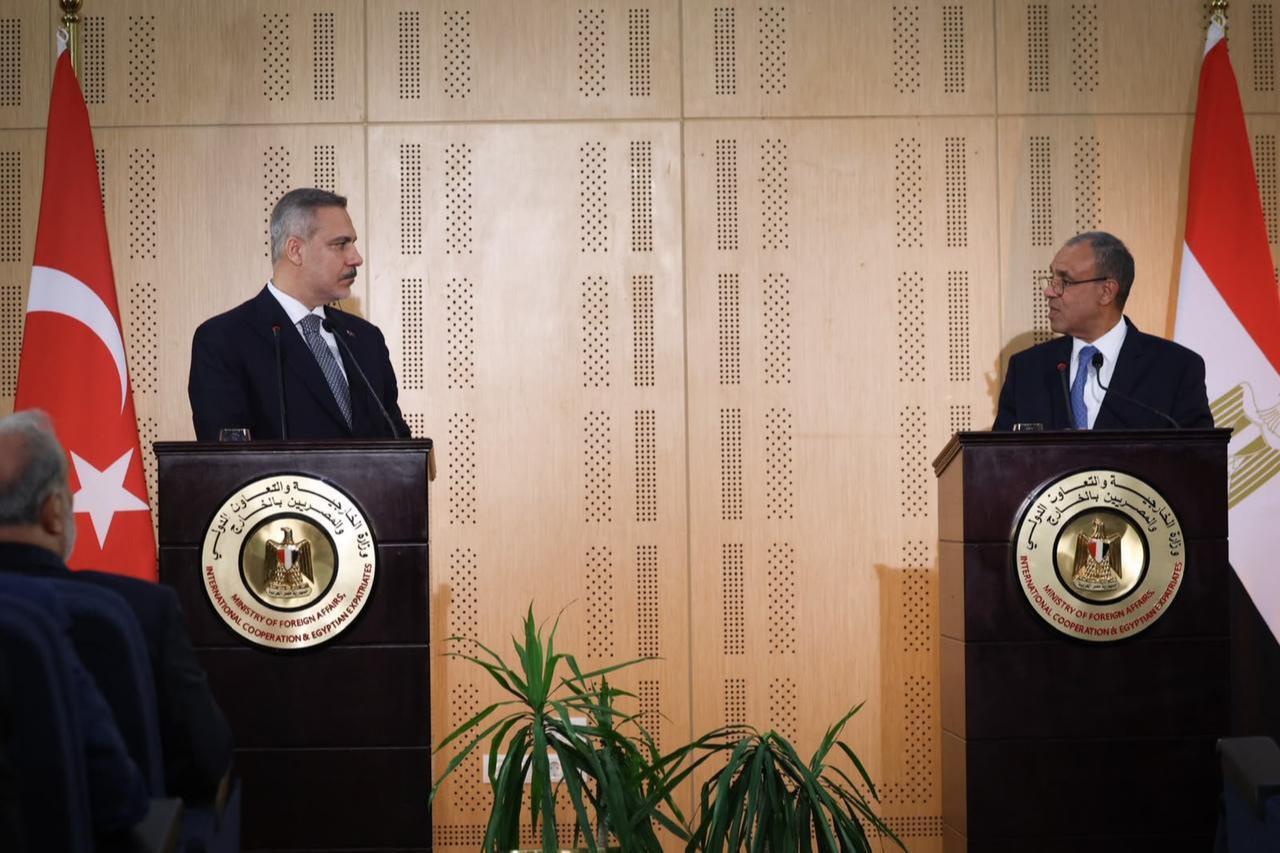
In a TV interview, Turkish Foreign Minister Hakan Fidan was asked whether Egypt would join the Mecca pact. He highlighted that it is open to other members, adding that in Cairo's case, "There are a few technical issues." Once these are implemented, there is no reason for Egypt not to be part of it, adding, “The agreement does not target a specific country."
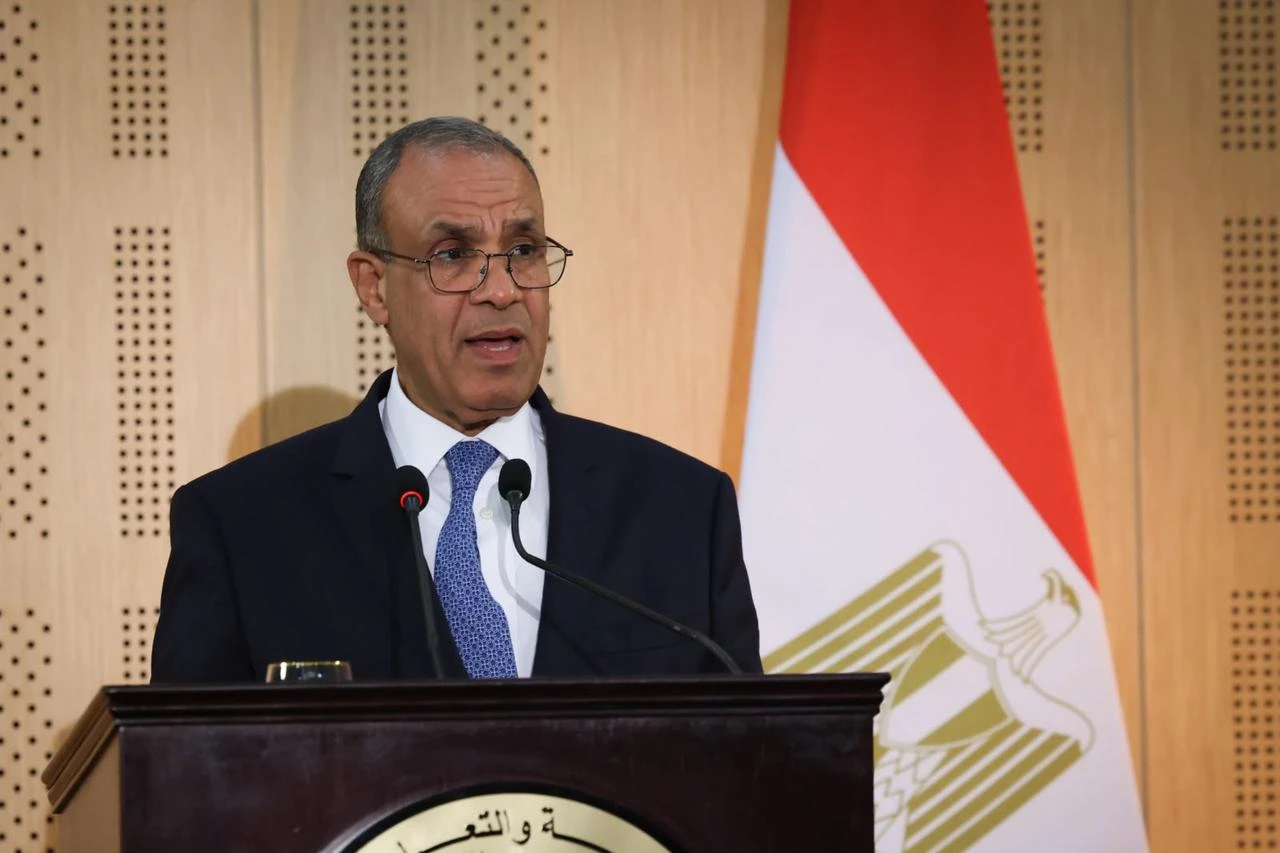
Likewise, Egyptian Foreign Minister Badr Abdelatty said in a joint press conference that Cairo needs to carefully consider legal and constitutional issues before deciding on the issue.
Although the Mecca pact did not name any enemies, Israel considered itself a target. Israeli Premier Benjamin Netanyahu called earlier to counter what he called the “radical Sunni axis” by what he dubbed the “Hexagon alliance," comprising Israel, Greece, Cyprus, India, and countries from the Abraham Accords that he did not name.
Despite the fact that the Abraham Accords undermine Egypt’s regional interests, Cairo has vast energy and financial interests with Israel and, naturally, due to its structural problems, would not like to see itself in a direct confrontation with it.
Beyond all these factors, one would ask if the founding members of the Mecca Pact want to expand the pact before even laying down and consolidating its foundations. Another question that would obviously be raised is what would Egypt bring to the table?
There is no question that Egypt can add geopolitical weight to the pact, expand its influence in certain parts of Africa, and increase its regional clout and legitimacy. However, given the complementary nature of the capabilities of the founding members , Egypt does not have financial capital, energy resources, a strong defense industry, or nuclear capabilities that would add value to the pact from this specific perspective.
That said, Egypt's absence from the Mecca Pact should not necessarily be viewed as a deliberate exclusion. The three founding members have unusual complementary capabilities and particularly strong bilateral relationships with one another.
The three, therefore, had a relatively firm foundation on which to build a new security mechanism. Egypt, by contrast, has relationships with all three countries but does not yet have the same depth of alignment with all of them simultaneously.
That does not mean Egypt cannot join in the future. On the contrary, Egypt remains one of the most natural potential additions to any broader regional security architecture because of its geographic location, population, control of the Suez Canal, and strategic importance in the Mediterranean and the Red Sea.
If the Mecca Pact evolves from a trilateral defense agreement into a broader regional security framework, Egypt could become increasingly important to its future expansion. Needless to say, in this case, Cairo has to resolve its problematic ties with some destabilizing regional countries that are already seen as working to counter the Mecca Pact.


 Set as preferred source
 Set as preferred source


 1 min read
 1 min read