Newsletters


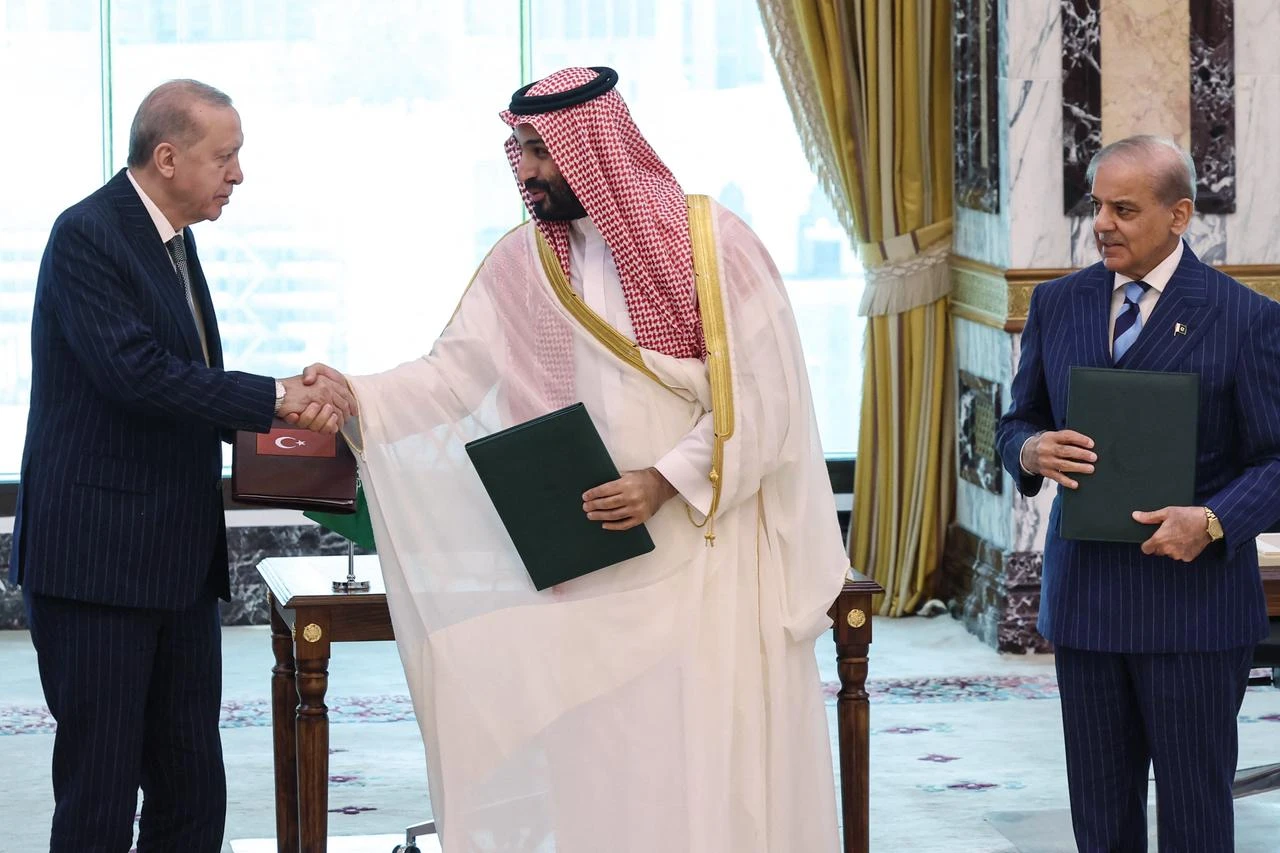


Egypt declined to join the new defense agreement between Türkiye, Saudi Arabia and Pakistan, Egyptian media outlet Mada Masr reported Sunday.
Citing Egyptian and regional sources, the outlet reported that Cairo decided against joining the emerging defense framework despite discussions surrounding a broader regional security arrangement.
According to the Mada Masr report citing officials, diplomats, and sources within the signatory countries, Cairo chose not to join a "Saudi-authored political bloc" due to concerns that it could restrict its ability to maneuver among competing regional relationships.
The sources indicated that Egypt's decision stems from several key factors, including its strategic ties with Greece and Greek Cyprus, deepening economic cooperation with India, its balancing act between Saudi Arabia and the United Arab Emirates, and a general hesitation regarding non-Arab regional security arrangements.
A Pakistani source involved in recent talks confirmed that Egypt received an invitation to participate in the coalition but ultimately declined. Additionally, a former diplomat cited in the report noted that Cairo's "complex relationship" with Greece and Greek Cyprus makes entering into a defense agreement with Türkiye unlikely.
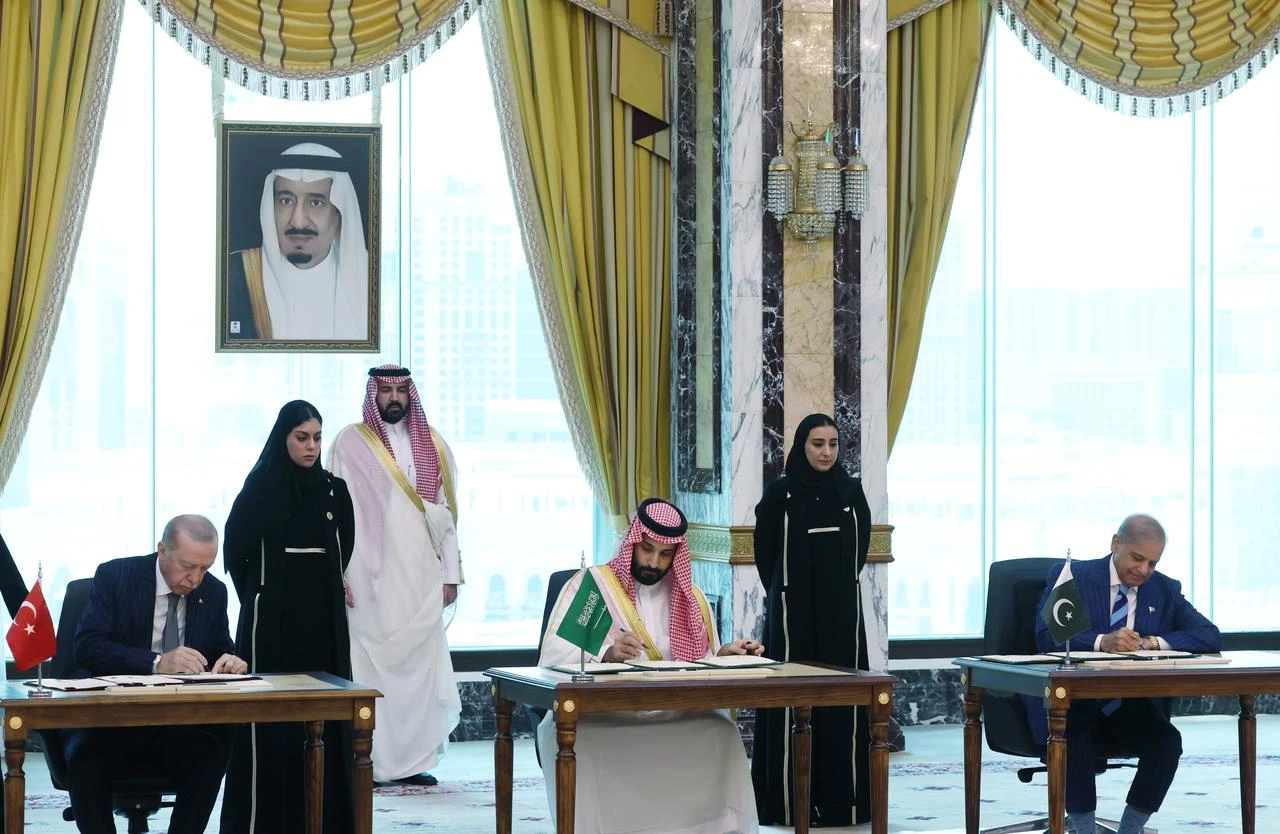

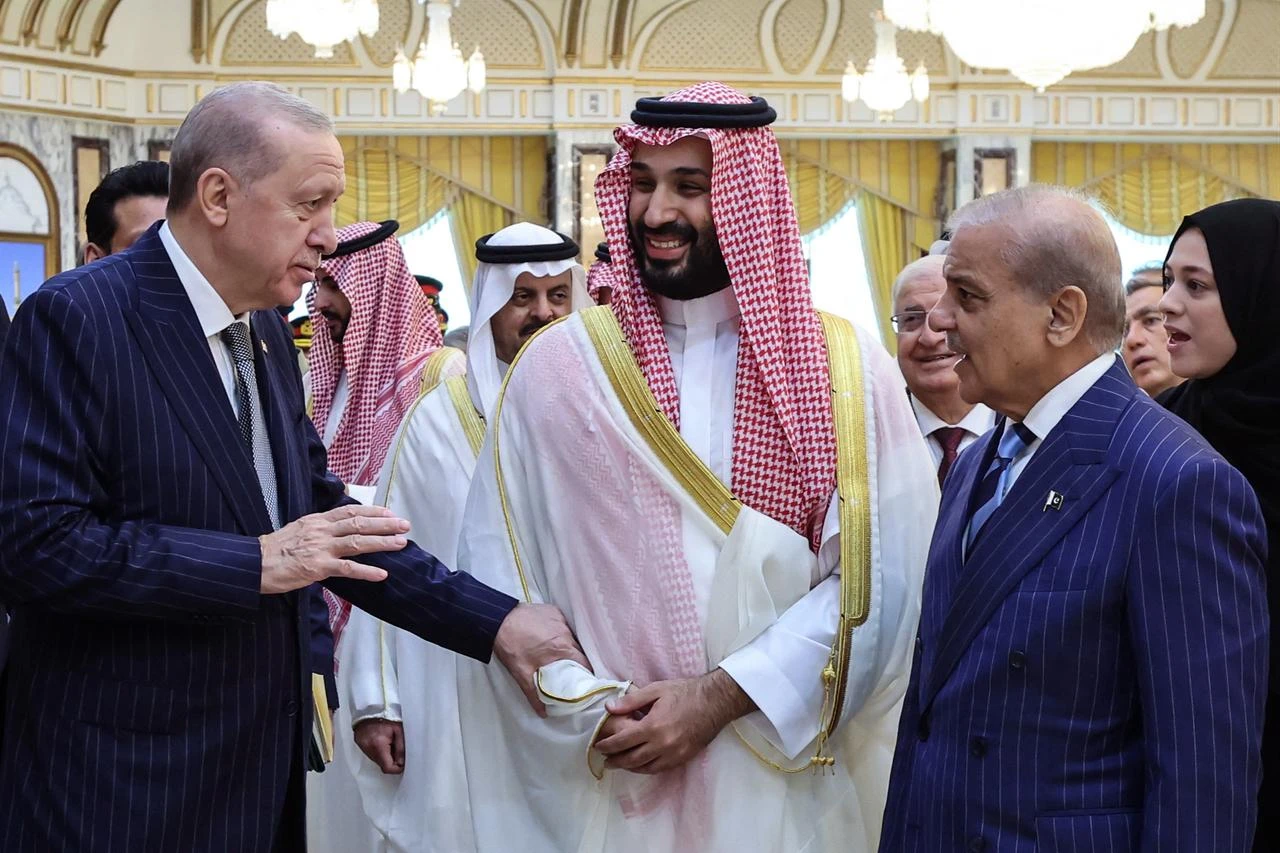
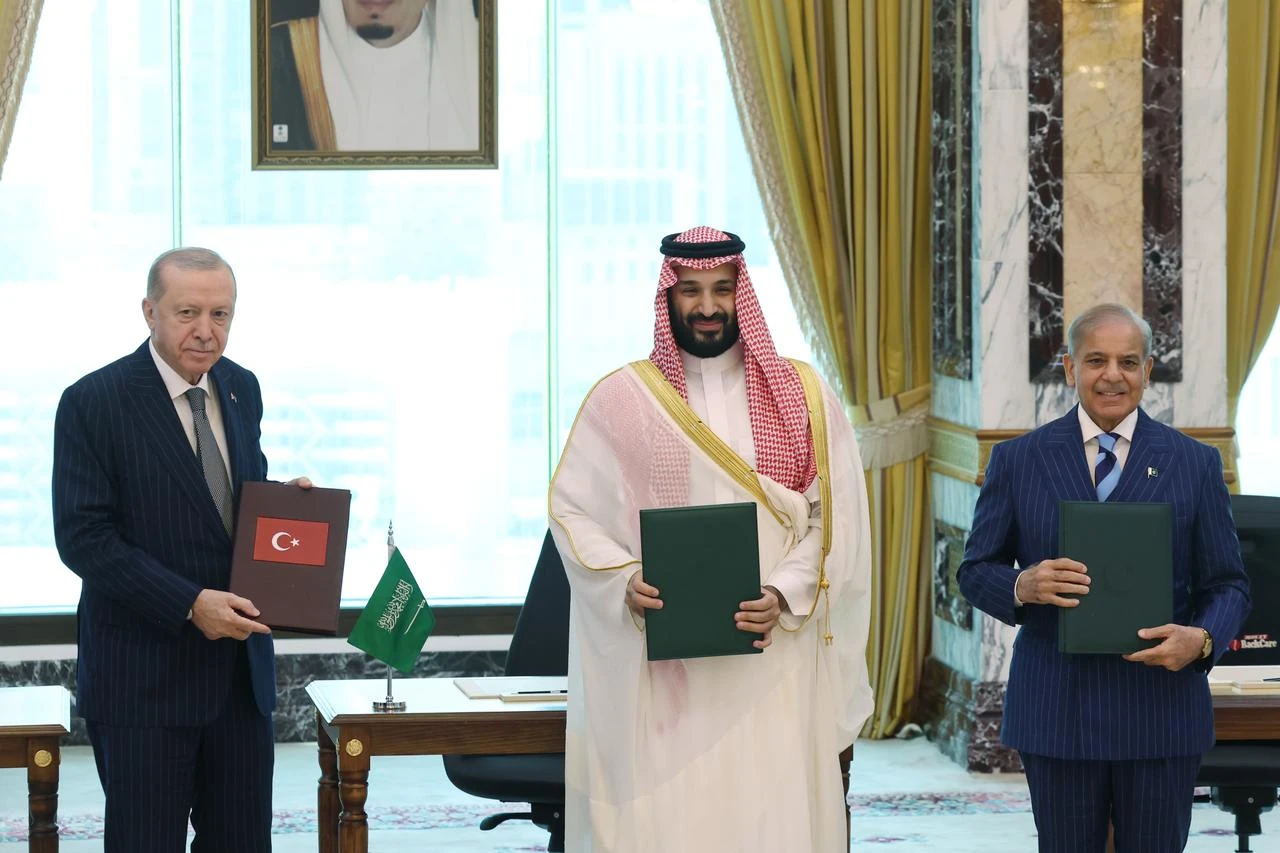
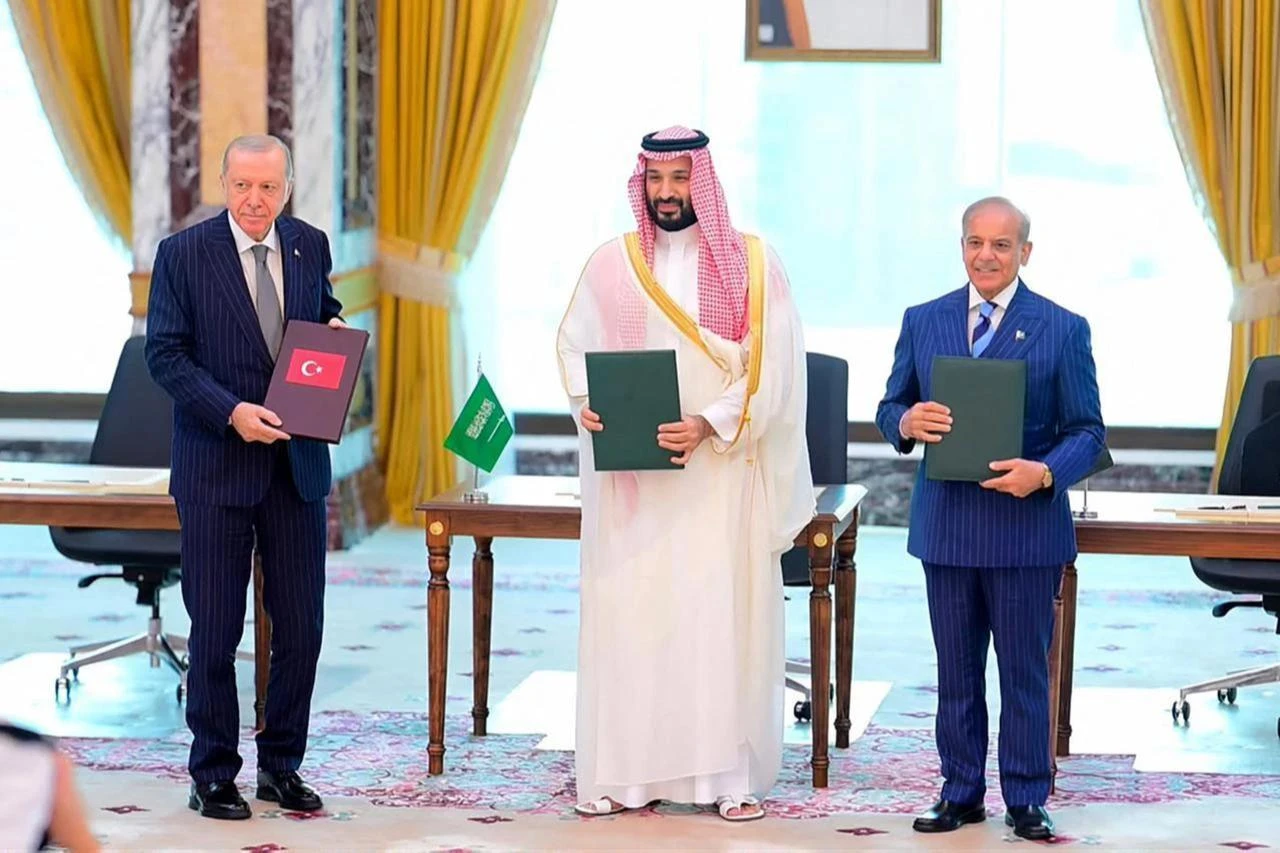
The Mada Masr report came after Türkiye, Saudi Arabia and Pakistan signed the Mecca Joint Defense Agreement at a trilateral summit in Saudi Arabia on Friday.
Turkish President Recep Tayyip Erdogan, Saudi Crown Prince Mohammed bin Salman and Pakistani Prime Minister Shehbaz Sharif signed the agreement at Al-Safa Palace in Mecca.
The pact is intended to strengthen collective deterrence and stipulates that an armed attack against any one of the three countries would be regarded as an attack against all three.
The agreement also calls for expanded defense cooperation among the three countries.
Turkish officials have said the arrangement is defensive, targets no country and is intended to contribute to regional and international peace and stability.
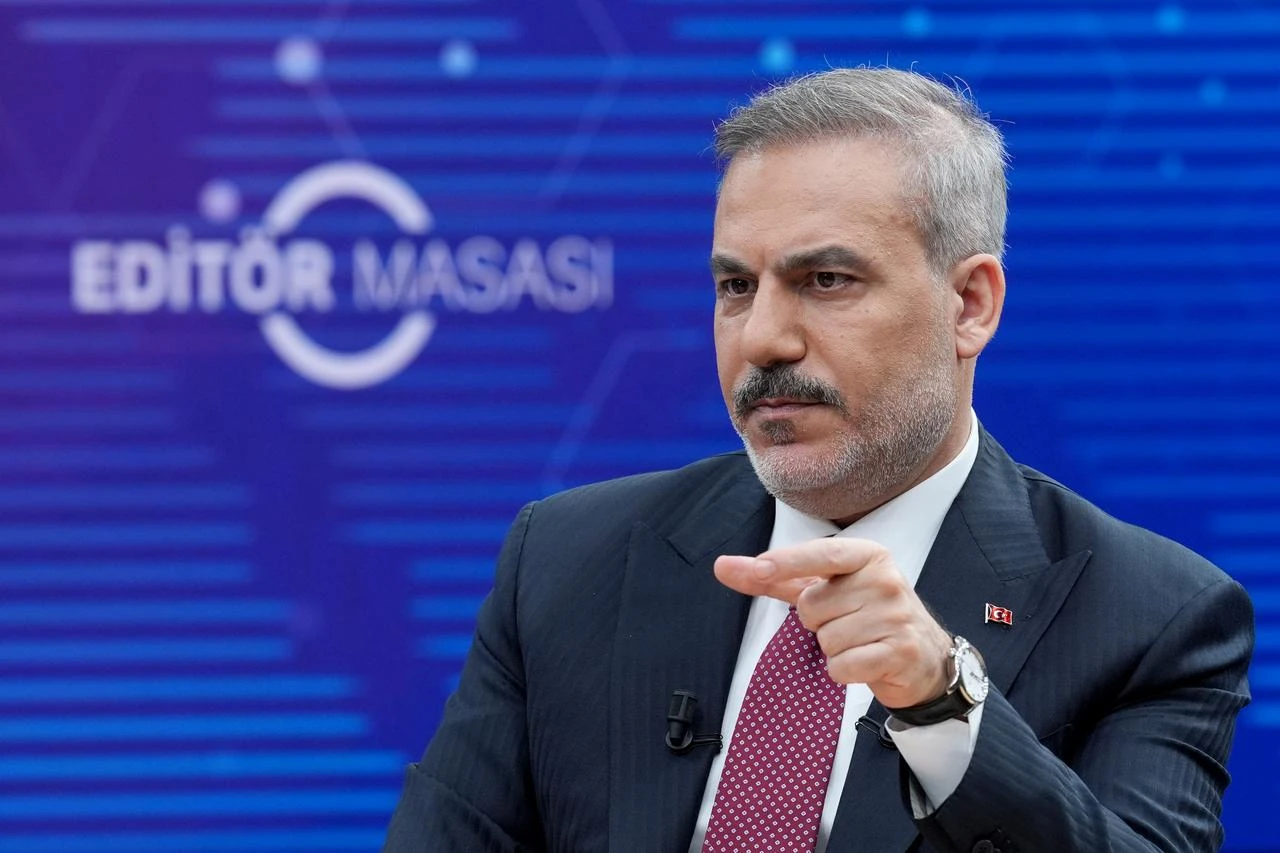
Despite Cairo's reported decision not to join the agreement at this stage, Turkish Foreign Minister Hakan Fidan said Saturday that Egypt could become part of the framework as Ankara seeks to expand it beyond its three founding members.
Fidan said President Erdogan's vision was for the initiative not to remain limited to Türkiye, Saudi Arabia and Pakistan but to expand over time.
He said other countries had also expressed interest in joining.
The agreement remains open to new members with the consent of its founding countries, according to Fidan, who said the pact emerged from nearly three years of discussions among the partners.
Fidan also described the mechanism as technically similar to NATO's Article 5 and said it would include ministerial, political and military committees, as well as a permanent secretariat in Saudi Arabia.
Joint military exercises and training programs are also planned.
Turkish officials have stressed that the Mecca agreement complements existing alliances rather than replacing them and does not affect Türkiye's existing international obligations.
They have also rejected suggestions that the pact is directed against Iran or any other country, describing it as an entirely defensive arrangement aimed at strengthening collective security, defense industry cooperation and military interoperability.


 Set as preferred source
 Set as preferred source


 1 min read
 1 min read