Newsletters


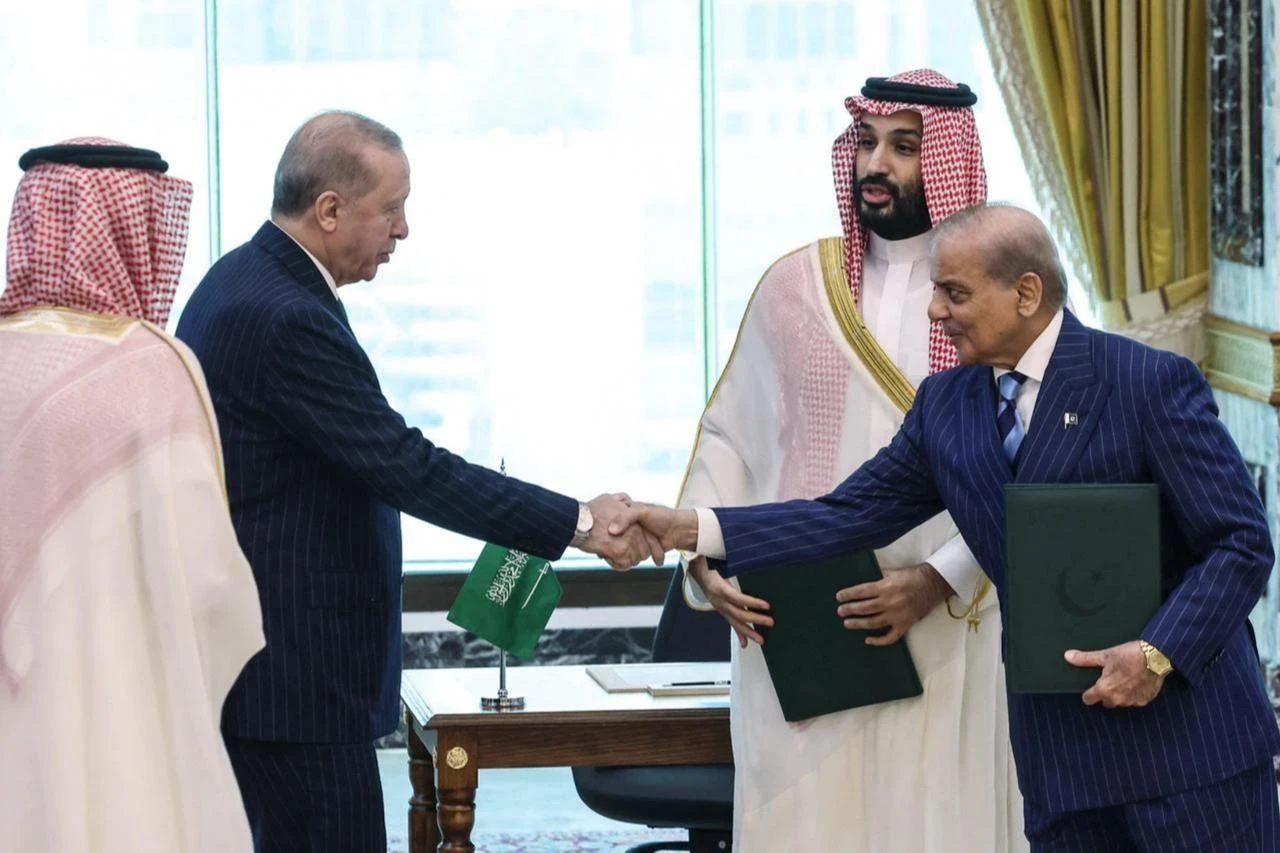


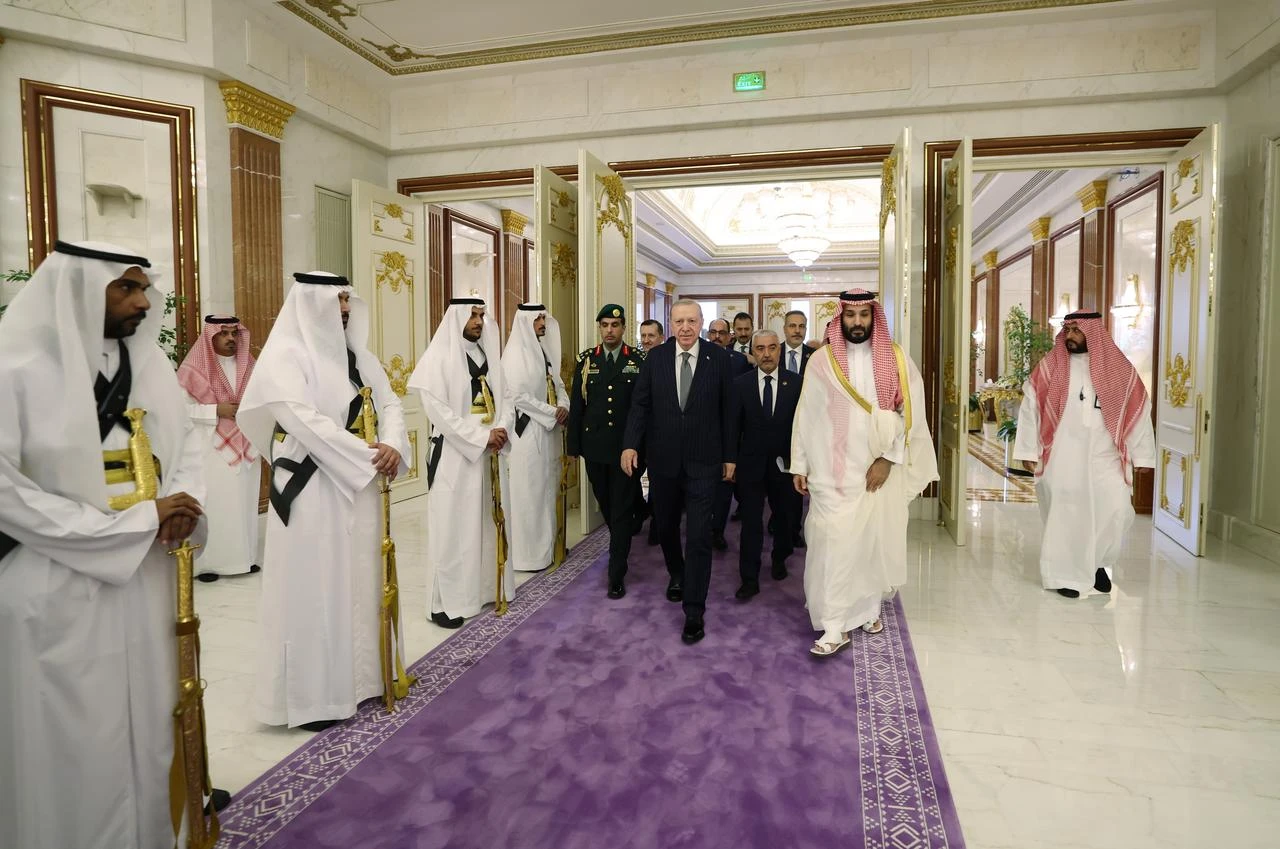
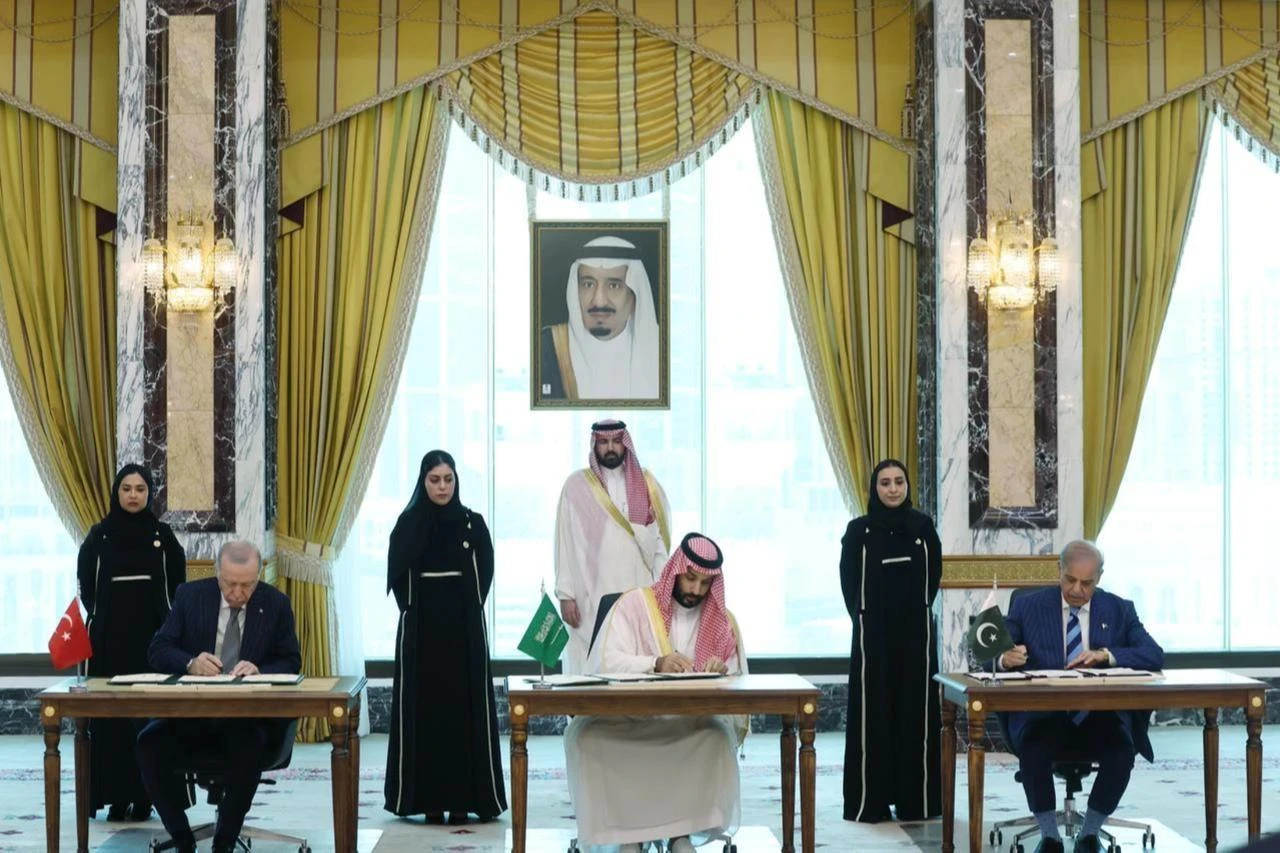
Marking an important shift in the security architecture of the Muslim world, the signing of the Mecca Joint Defense Agreement has remained in the headlines this week. But while collective defense, military cooperation, and joint deterrence are being discussed, one aspect is being privately debated: does the pact have a nuclear dimension?
The short answer to this query would be that the agreement contains no such clause, though it lays the basis for a mutual defense pact between the signatories. And even the levels of conventional defense are not specified, and nor is there any mandatory clause obliging any of the parties to get involved in each other’s security issues at once.
Apparently, this trilateral agreement is similar to the bilateral Strategic Mutual Defense Agreement (SMDA), which formalized decades-old Saudi-Pak strategic ties. At that time, some Saudi officials described it as a “comprehensive defensive agreement" encompassing “all military means,” and that triggered wild speculations about a Pakistani "nuclear umbrella."
And even now, the Mecca agreement, as the Saudi-Türkiye-Pakistan defense pact is called, does not seem to change that ambiguity. The fact remains that the inclusion and participation of any nuclear state in a defense mechanism automatically alters the strategic equation, and though that option is off the table, that factor would remain in an adversary’s mind.
For example, Riyadh's ongoing discussions with Washington over a civilian nuclear cooperation framework—despite being intended for peaceful purposes—have stirred international ruckus that the kingdom may be positioning itself to pursue nuclear weapons capability eventually. This is notable given that Saudi Arabia remains a signatory to the Nuclear Non-Proliferation Treaty (NPT).
On its part, Islamabad has always stated that its nuclear arsenal exists solely for its own national defense and maintaining minimum deterrence against India. There has never been any official statement about extending "nuclear cover" to another country, though there have beeninstancesof strategic signaling that were later backtracked.
Generally, Pakistani officials avoid commenting on the subject, as such speculations can have diplomatic and legal implications under the global non-proliferation regime. Nevertheless, Islamabad’s presence in any bloc, especially a group with no other nuclear states, would immediately add strategic depth to the coalition.
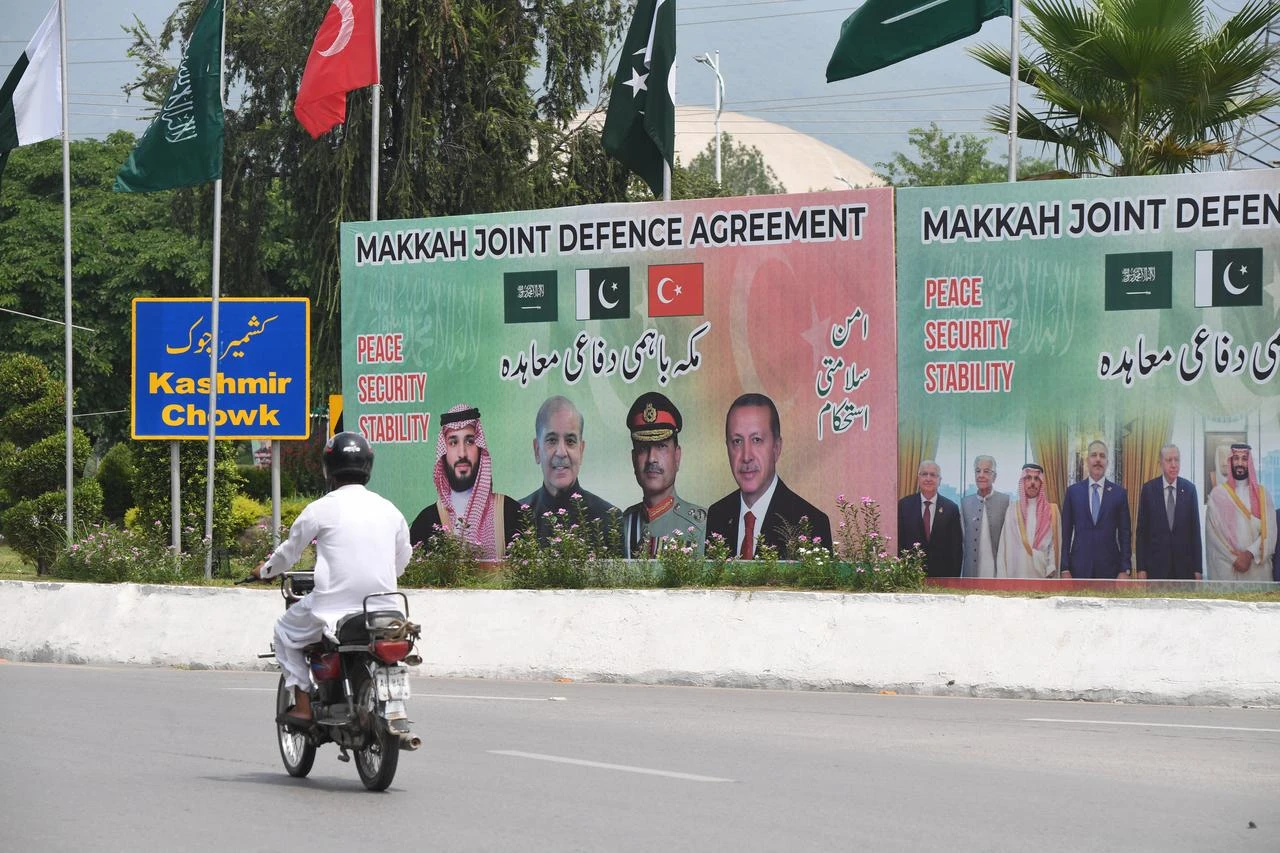

Therefore, rather than dwelling on the nuclear aspect, it may be more suitable to describe it as a factor creating "strategic ambiguity." Again, even ambiguity can serve as a deterrent, as opponents cannot exclude this possibility though the alliance has no explicit nuclear commitments.
And as the Middle East moves toward diversity in security arrangements, this nuclear shadow could become the most important, yet unspoken feature of any defense agreement.
 2 min read
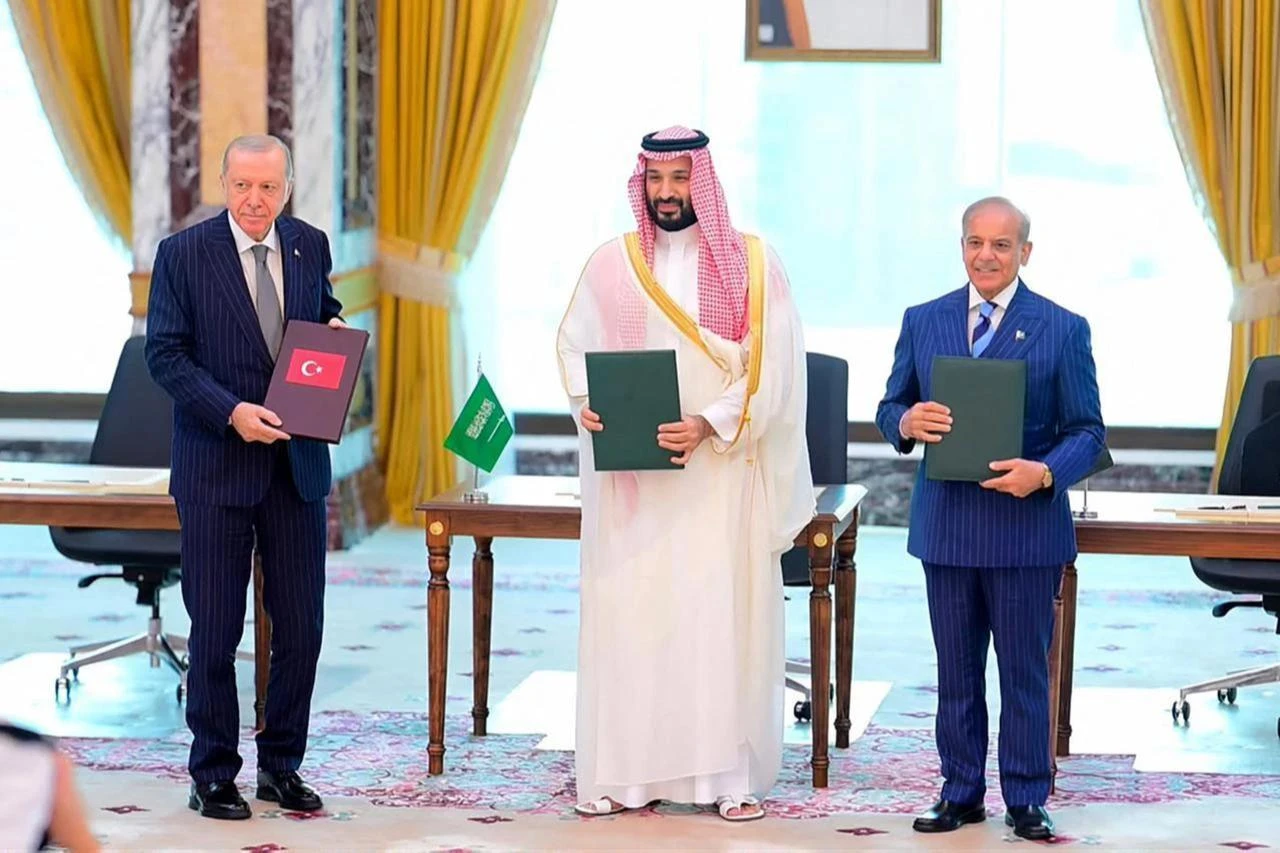
Discussing the likelihood of a "nuclear umbrella" being offered to defense partners, Junaid Javeed, a security and risk management expert in Islamabad, told Türkiye Today that the Mecca agreement is “not a formal nuclear alliance, but a broader security partnership shaped by shared interests and regional realities.”
Nevertheless, he agreed that the nuclear aspect “is more likely to be seen in terms of strategic signaling, political reassurance and deterrence value.”
However, he noted that “Ankara already relies on NATO’s collective defense framework and the U.S. extended deterrence commitment while the Pakistan–Saudi defense understanding does not publicly include nuclear guarantees.”
Discussing the two defense pacts, Zeeshan Shah, a political analyst based in Washington, told Türkiye Today that both the agreement with Saudi Arabia, which was signed last year, and the tripartite defense agreement which includes Türkiye are similarly vague about Pakistan providing it with a nuclear umbrella.”
In any case, he said, "Türkiye already enjoys a nuclear umbrella due to its membership in NATO and, in fact, up to 50 U.S. nuclear warheads are based in Türkiye currently. Unless, at some point in the future, Türkiye somehow loses its nuclear umbrella from NATO, though that would be a highly unlikely scenario.”
As per Shah, “Unlike Türkiye’s nuclear umbrella with NATO, the Saudis do not have such an assurance from the U.S. But it has always been assumed that if the security of Saudi Arabia was ever seriously threatened, then Pakistan would provide it with nuclear security guarantees. And that was even the case before the signing of the defense pact.“
But if this option were to be considered, he said that, “The implications would be enormous if Pakistan were to officially provide nuclear security guarantees to both Saudi Arabia and Türkiye. Other than the U.S. and the former Soviet Union, no other country has offered a nuclear umbrella to its allies.”
Summing up the matter, Javeed observed that this factor is likely to remain the most sensitive question surrounding the Mecca agreement. However, the defense-collective commitment should not automatically be interpreted this way, as such a provision would require clearer evidence of agreed policies, doctrine and obligations.
Therefore, Javeed said, for now, “Pakistan’s nuclear capability should be viewed as part of the wider strategic deterrence environment surrounding the Mecca agreement, rather than as a confirmed treaty clause extending Pakistan’s nuclear deterrent to its partners. This distinction is important, both analytically and strategically.”


 Set as preferred source
 Set as preferred source


 1 min read