Newsletters


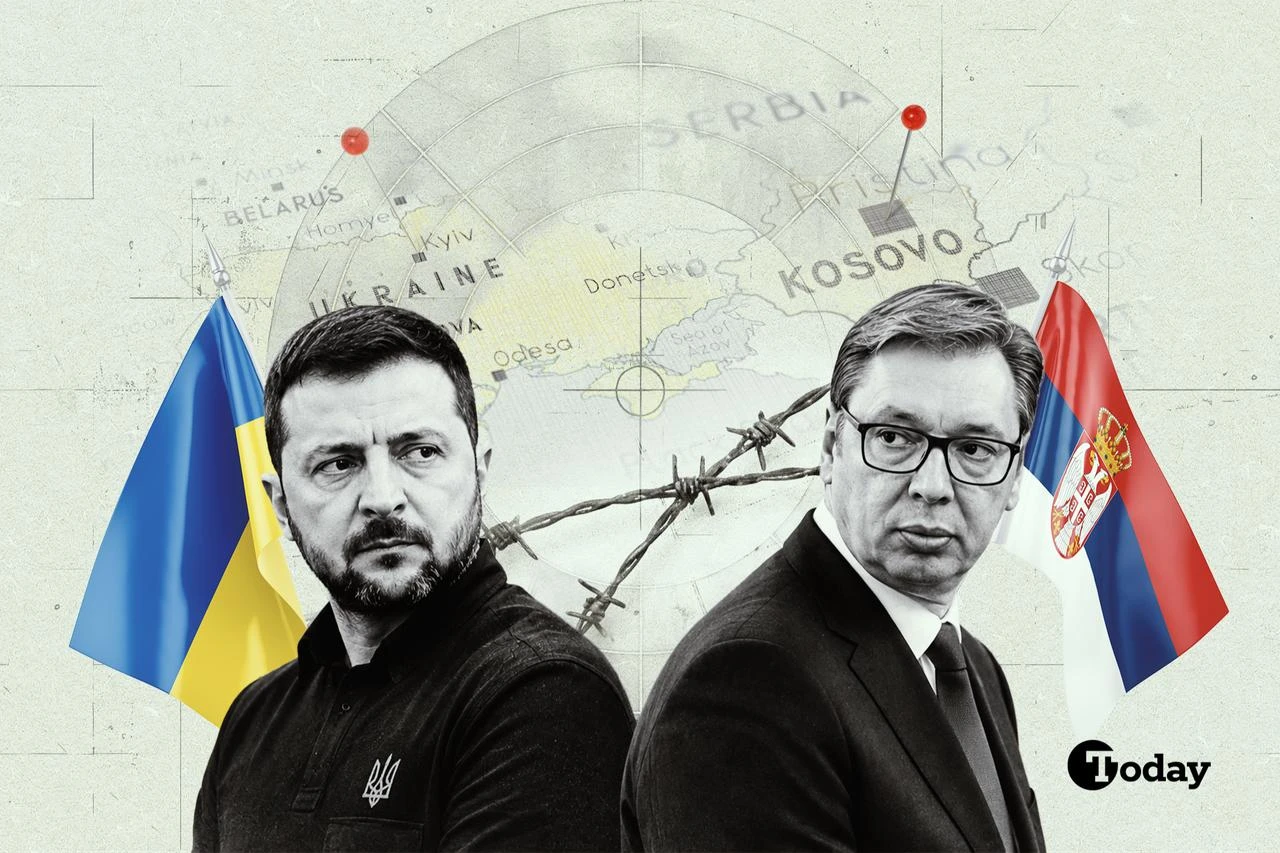


Ukrainian President Volodymyr Zelenskyy’s first official visit to Serbia since Russia’s full-scale invasion was always going to require careful diplomacy.
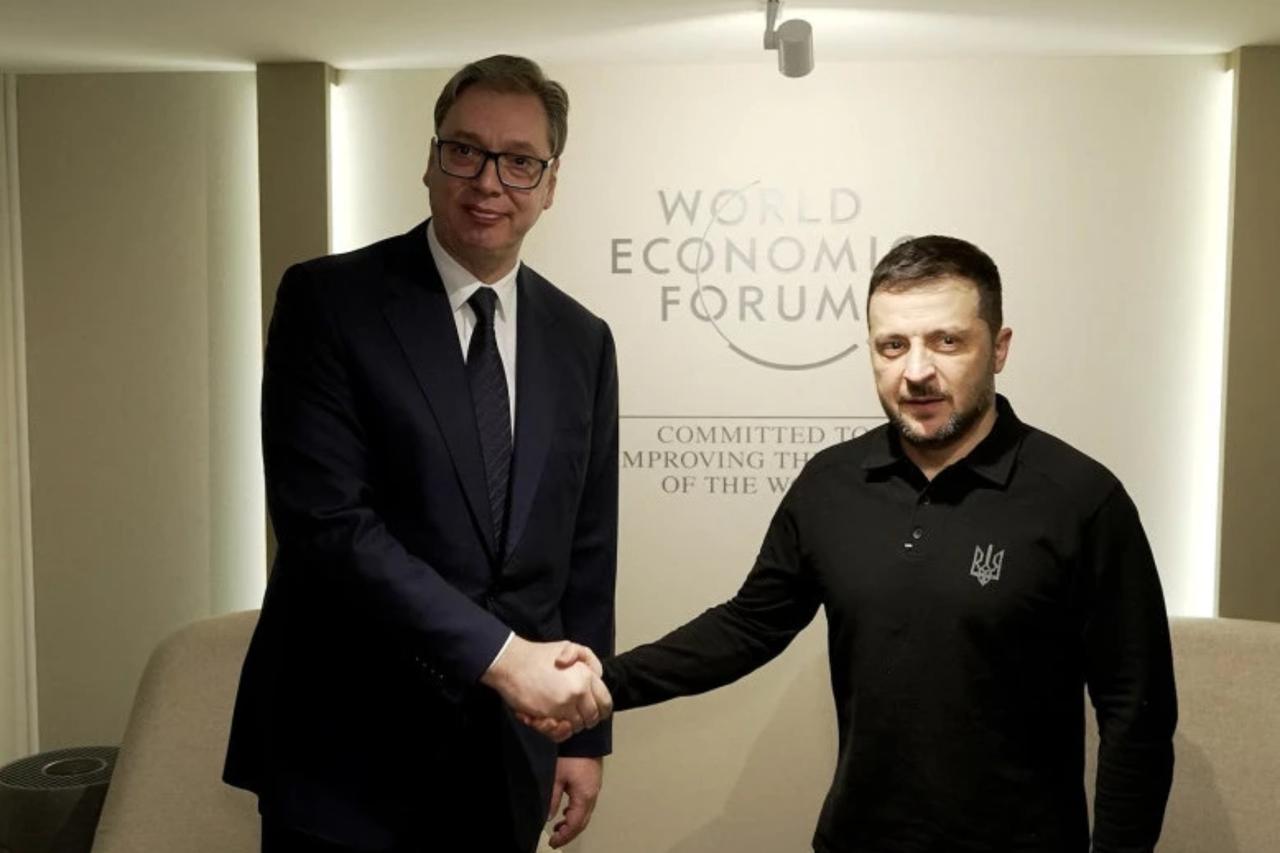
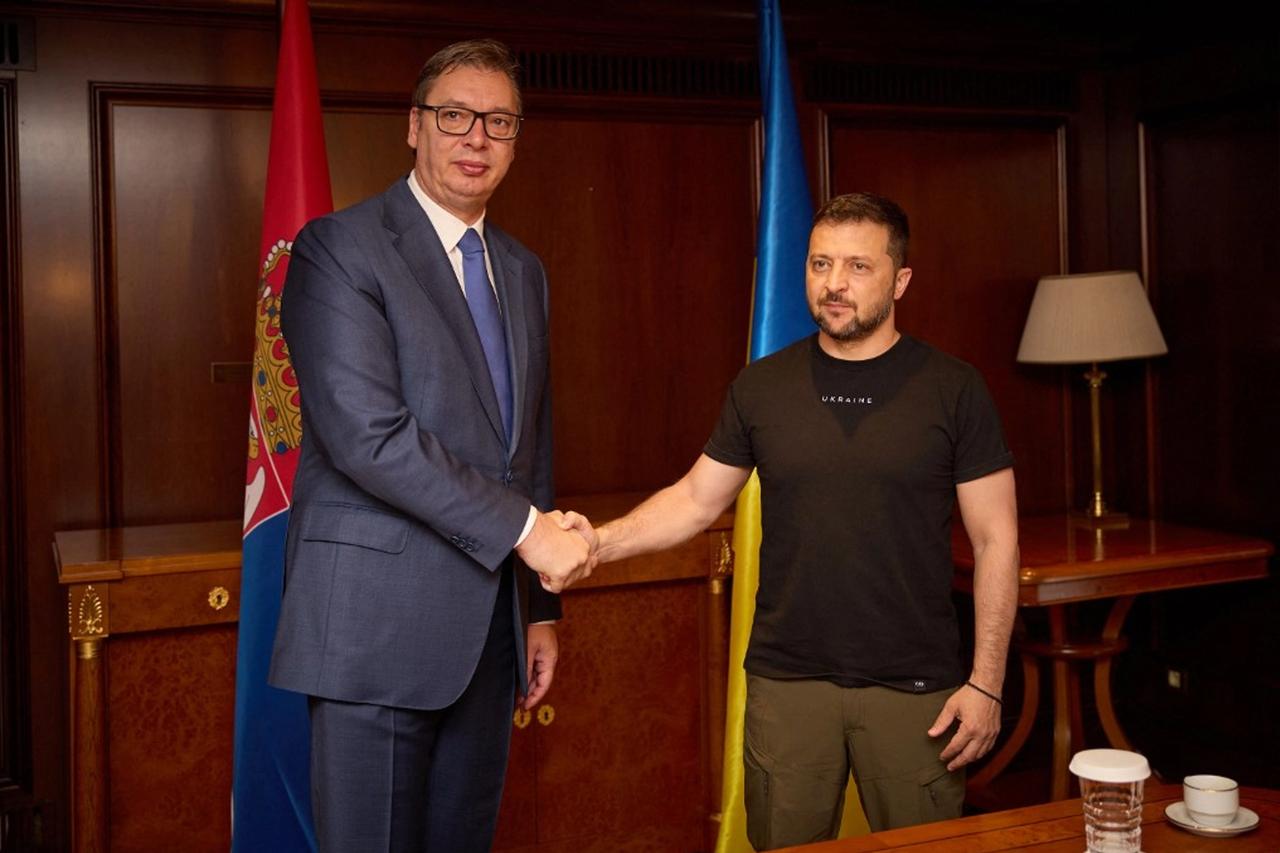
Zelenskyy and Serbian President Aleksandar Vucic met over the weekend to discuss closer economic ties, energy, reconstruction, their respective paths toward the European Union, and a possible free trade agreement by the end of the year.
All eyes were on the visit as Serbia walks an odd line in the war. Belgrade still leans on Russian energy and has refused to join Western sanctions. Yet it has consistently affirmed Ukraine’s territorial integrity, joined Kyiv’s Crimea Platform in 2023, and, despite Russian complaints, Serbian-made ammunition has reportedly reached Ukraine through third countries.
Zelenskyy came to Belgrade to strengthen a relationship quietly developing for years. Ukraine wants to draw Serbia closer without forcing Vucic to break with Moscow. Serbia, meanwhile, wants to move toward Kyiv and Europe without abandoning Russia.
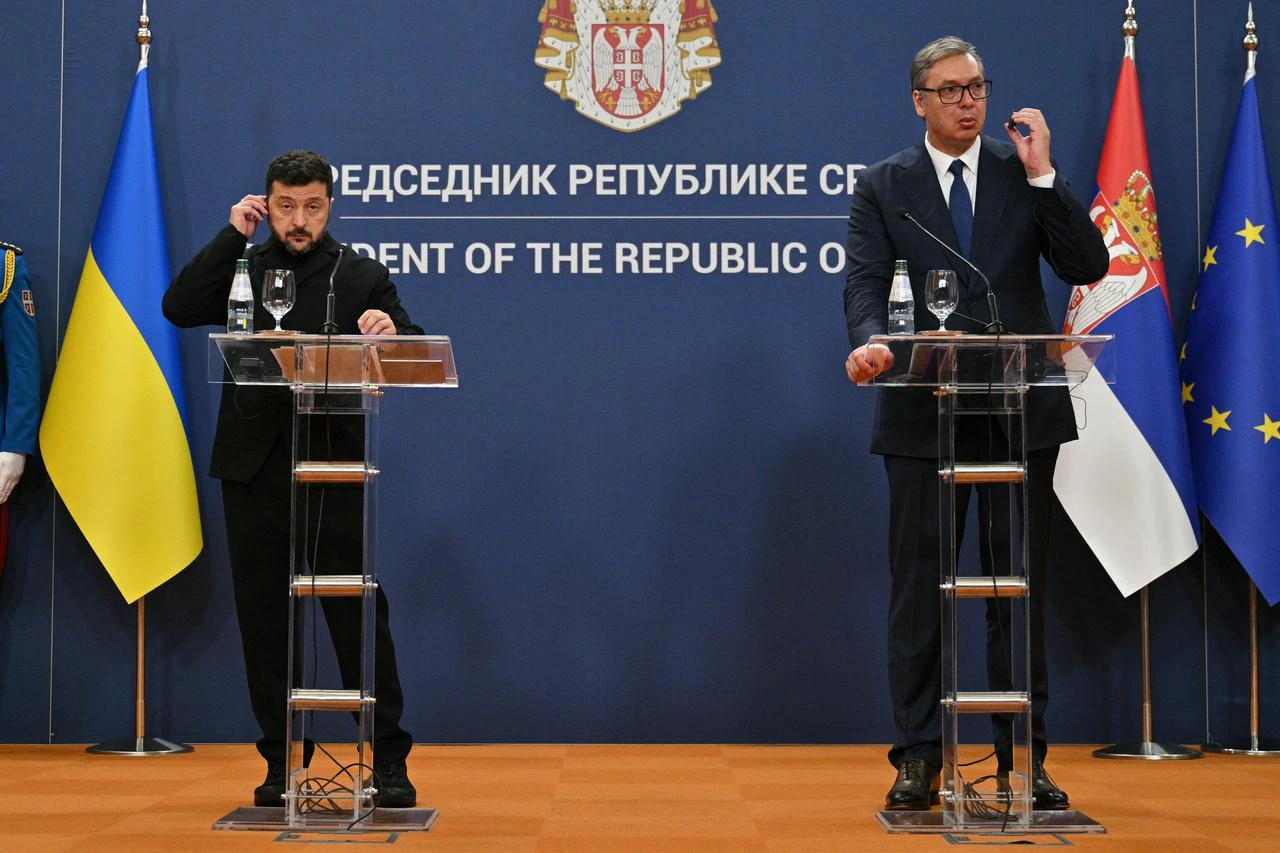

Then came Kosovo. Standing alongside Zelenskyy, Vucic reaffirmed Serbia’s support for Ukraine’s territorial integrity and thanked Kyiv for refusing to recognize Kosovo, which declared independence from Serbia in 2008.
Zelenskyy reciprocated.
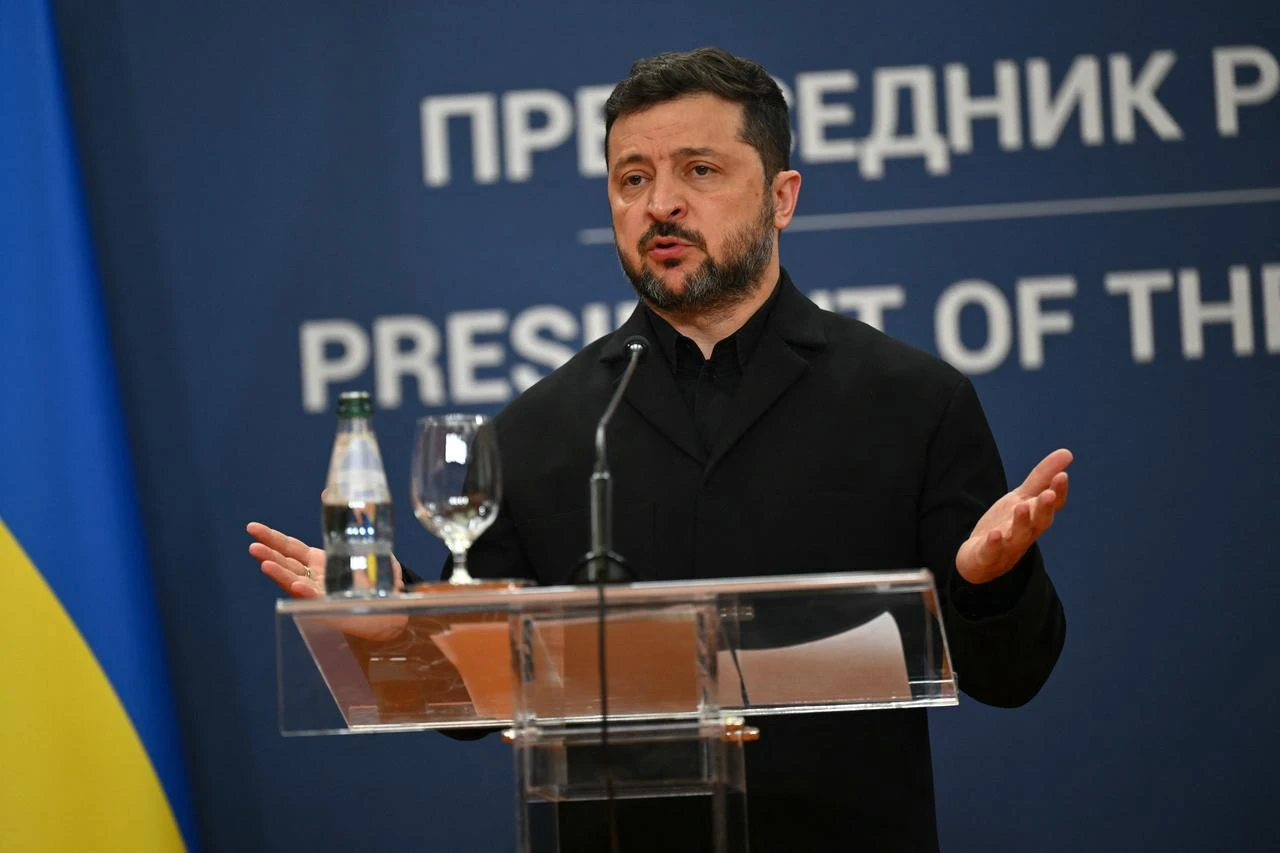
“We respect the territorial integrity of our partners, and we respect international law,” he said. “Therefore, our position on Kosovo’s unilateral declaration of independence remains unchanged.”
He also thanked Serbia for respecting Ukraine’s territorial integrity, specifically mentioning Crimea. And that is where the diplomatic balancing act becomes problematic.
Zelenskyy isn't about to recognize Kosovo from Belgrade, and nobody expects him to. Serbia is an EU candidate with a significant defense industry and an increasingly important geopolitical position between Russia and the West. But Ukraine doesn't have to recognize Kosovo to state the obvious: Kosovo and Crimea are entirely different cases.
By treating both questions primarily through the language of territorial integrity, Kyiv risks blurring that distinction and lending credibility to one of Vladimir Putin’s longest-running arguments justifying Russia's land grabs.
Kosovo’s story did not begin with NATO’s bombing of Yugoslavia in 1999.
Under socialist Yugoslavia, Kosovo enjoyed extensive autonomy and its own political institutions. Slobodan Milosevic’s government sharply curtailed that autonomy, followed by years of repression, parallel Albanian institutions, and eventually armed conflict.
By 1998 and 1999, killings, expulsions, and mass displacement had transformed the crisis. Hundreds of thousands of Kosovo Albanians were driven from their homes. NATO intervened in March 1999 after diplomatic efforts failed.
But Kosovo did not become independent when the bombing ended.
After Serbian forces withdrew, the U.N. Security Council Resolution 1244 established an international civilian and security presence.
Kosovo spent almost nine years under U.N. administration while negotiations continued over its final status, including the process led by former Finnish president and U.N. envoy Martti Ahtisaari.
Only after talks broke down did Kosovo declare independence on Feb. 17, 2008. Serbia rejected the move outright, backed by Russia, China, Ukraine, and five EU states. Love or hate NATO's intervention or Kosovo’s statehood, that history cannot be ignored.
Crimea followed an entirely different trajectory.
In 2014, Crimea was internationally recognized as part of an independent Ukrainian state when Russian forces seized strategic sites across the peninsula.
A referendum was organized under Russian military occupation, and Moscow annexed the territory within weeks. The U.N. General Assembly rejected the referendum and reaffirmed Ukraine’s territorial integrity.
Kosovo, by contrast, was not invaded by Albania, subjected to an Albanian-organized referendum, or annexed to Albania.
Nor did its declaration of independence follow immediately after the war.
Nearly nine years separated the withdrawal of Serbian forces from Kosovo’s declaration of statehood.
There is also an important legal distinction.
In 2010, following a request initiated by Serbia, the International Court of Justice (ICJ) concluded that Kosovo’s declaration of independence violated neither general international law nor U.N. Security Council Resolution 1244.
The court did not establish a universal right to secession, nor did it rule that Kosovo had a positive legal right to independence. International law remains deliberately cautious about such questions.
But the ICJ did not find Kosovo’s declaration illegal.
Russia’s annexation of Crimea, meanwhile, has been overwhelmingly rejected internationally.
Putin understands the usefulness of blurring these distinctions. Russia invoked Kosovo after its 2008 war with Georgia and recognition of Abkhazia and South Ossetia. It invoked Kosovo again to justify Crimea and later in relation to separatist territories in eastern Ukraine.
The argument is seductively simple: the West changed borders when it suited its interests, so it cannot object when Russia does the same.
But that argument only works by removing almost everything that makes the cases different.
And Ukraine should be dismantling that narrative, not inadvertently validating it.
There is another irony here.
Kosovo has been among Ukraine’s most committed supporters despite Kyiv refusing to recognize it. Since 2022, Kosovo has aligned itself with Western sanctions against Russia and Belarus, provided humanitarian and military assistance, trained Ukrainian personnel, and provided refuge to Ukrainian journalists.
That solidarity is not difficult to understand.
For many Kosovars, Ukraine’s experience contains uncomfortable historical echoes: a larger neighbor invoking history, culture, and identity to claim special rights over another population’s political future.
The histories are not identical. Serbia is not Russia, and Kosovo is not Ukraine. But the political language can sound strikingly familiar.
That is why Zelenskyy’s comments landed badly in Pristina. After his visit, a large Ukrainian flag displayed in the city center was removed. Pristina Mayor Perparim Rama said Kosovo’s statehood had to be respected, even as Kosovo officials reiterated their support for Ukraine.
The symbolism should matter to Kyiv.
Ukraine has spent more than four years arguing that its struggle represents something larger than the defense of its own borders: the principle that a more powerful neighbor cannot use history and force to determine another people’s political future.
Kosovars understandably recognize something in that argument.
Ukraine’s refusal to recognize Kosovo remains its sovereign foreign-policy choice. Zelenskyy also has legitimate reasons to cultivate Serbia, and bringing a traditionally Russia-friendly Balkan country closer to Kyiv is a diplomatic achievement.
But there is a difference between maintaining that position and adopting an argument that weakens Ukraine’s own case.
Kosovo’s path, repression, and war, followed by almost nine years of U.N. administration and internationally mediated negotiations, cannot simply be equated with Russia invading a sovereign neighbor, occupying its territory, and annexing it within weeks.
Putin desperately wants the world to believe that Crimea is Russia’s Kosovo.
Ukraine does not have to recognize Kosovo.
But it should stop helping Putin make that comparison.


 Set as preferred source
 Set as preferred source


 1 min read
 1 min read