Newsletters





This article was originally written for Türkiye Today’s bi-weekly Balkans newsletter, BalkanLine, in its August 7, 2026 issue. Please make sure you are subscribed to the newsletter by clicking here.
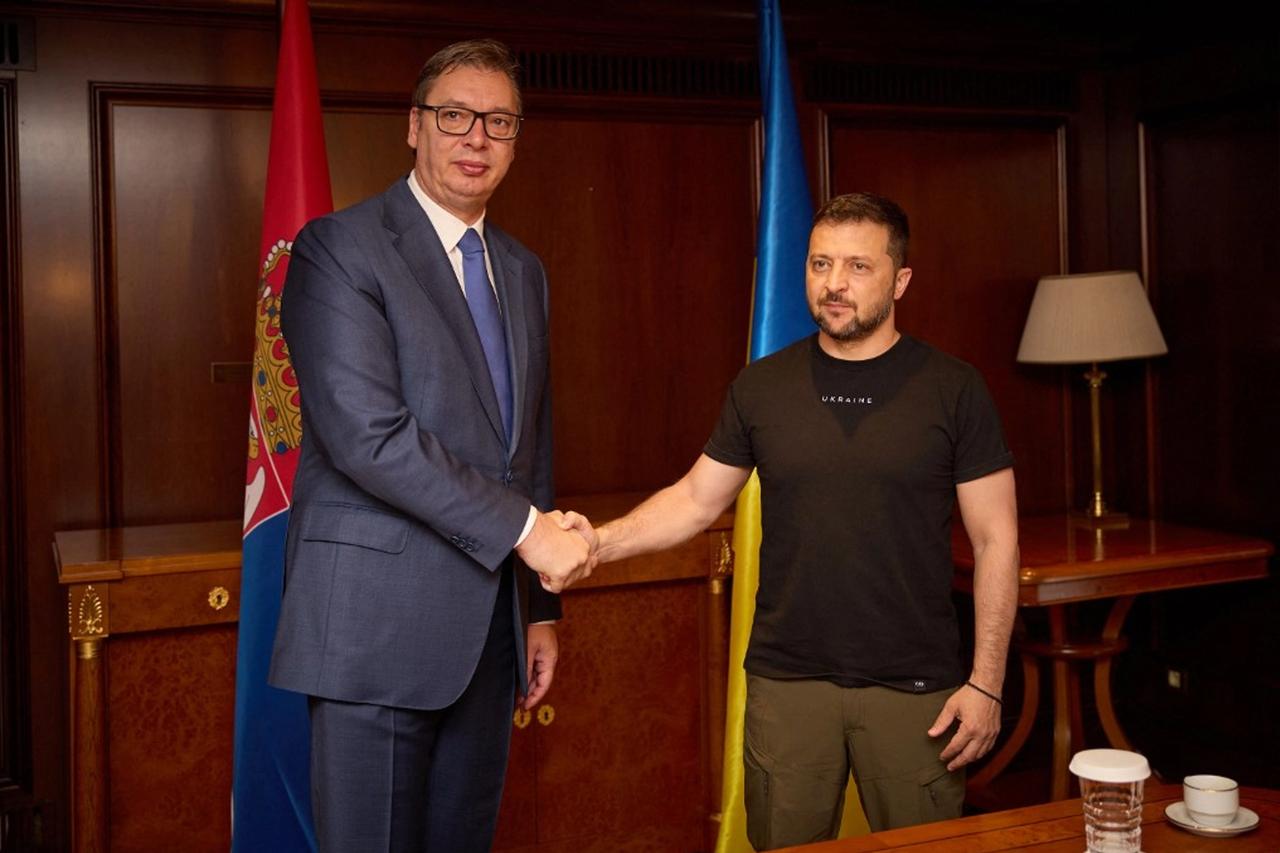
Ukrainian President Volodymyr Zelenskyy will arrive in Belgrade on Saturday for his first visit to Serbia since Russia launched its full-scale invasion of Ukraine, and his first since becoming president in 2019.
The symbolism is hard to miss.
"We need to pull the Serbs away from Russia’s side," a senior Ukrainian official told international media, describing Zelenskyy’s visit to Moscow’s traditional Balkan ally as a "slap in the face for the Russians."
That may be the ambition in Kyiv. But pulling Serbia away from Russia is, of course, much easier said than done.
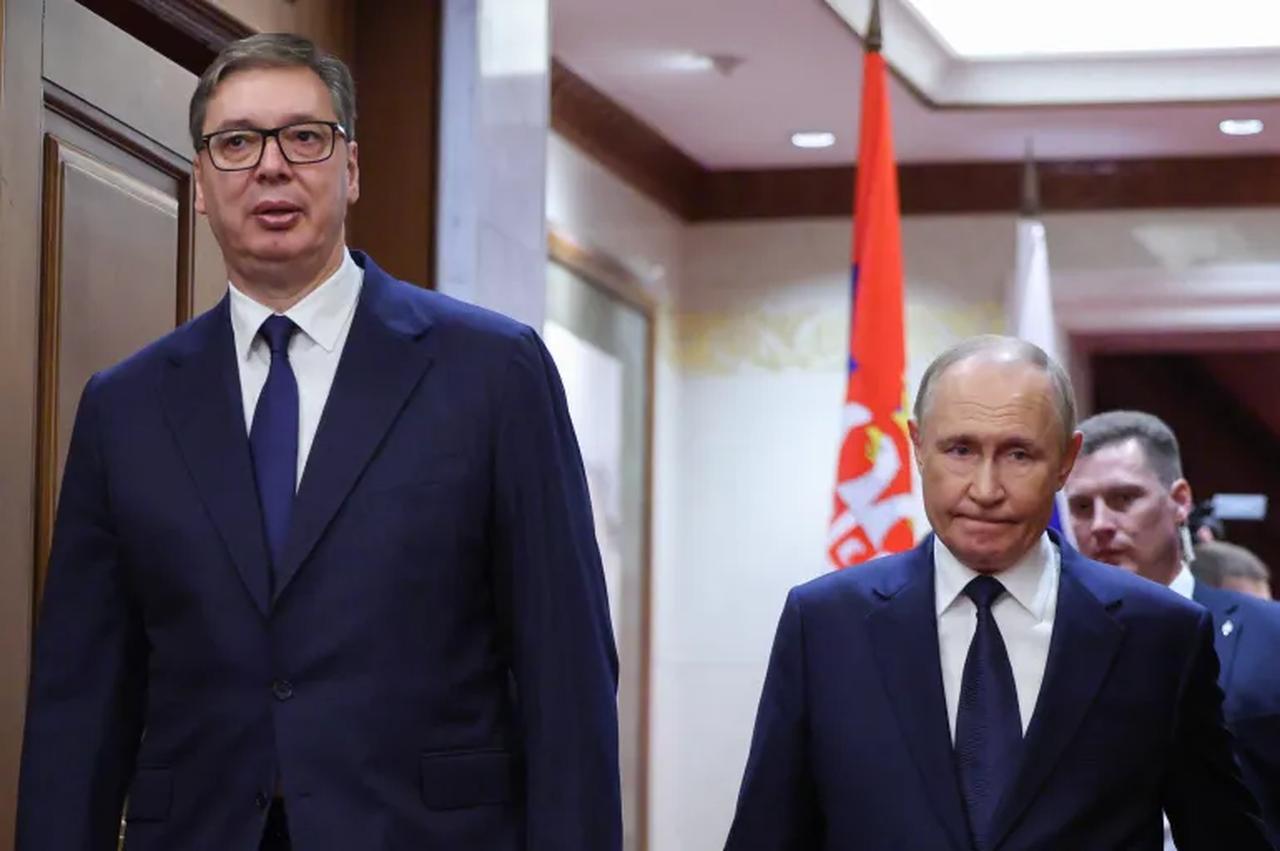
Belgrade has spent years trying to keep one foot in Moscow and the other in the West. Serbia has refused to join sanctions against Russia, maintained close energy ties with Moscow and continued high-level political contacts with the Kremlin.
At the same time, Serbia still says its future is in the European Union, even as Brussels continues to criticize Belgrade for refusing to align its foreign policy with the bloc.
And this is where Saturday’s visit becomes interesting.
Zelenskyy’s arrival does not mean Serbia is suddenly moving away from Russia. I would be very careful about reading it that way. If anything, the visit shows just how determined Belgrade remains to keep both relationships alive, even as doing so becomes more complicated.
Energy gives us a pretty good example of why.
Serbia’s Russian-majority-owned oil company NIS received another temporary U.S. sanctions waiver this week, allowing it to continue importing crude and operating its Pancevo refinery until Aug. 28. Washington also extended the deadline for the sale of the Russian stake in the company until the same date, as negotiations with Hungarian energy group MOL continue.
This is not a minor issue for Serbia. NIS supplies around 80% of the country’s fuel market. Gazprom Neft owns 45% of the company, while another Gazprom-linked entity holds 11.3%. The Serbian state owns nearly 30%.
So when we talk about Serbia’s relationship with Russia, we are not only talking about history, political sympathy or the occasional meeting with Putin. There are very practical interests tied up in it as well.

Still, Belgrade has been careful not to shut the door on Kyiv.
In July, Vucic traveled to Kyiv alongside other regional leaders for the fifth Ukraine-Southeast Europe Summit. Afterward, he said he was “not entirely” satisfied with the level of assistance Serbia had provided to Ukraine.
However, Vucic was the only participant who declined to sign the summit’s joint declaration, which called for continued political, military, financial and security support for Ukraine, as well as increased pressure on Russia.
Three weeks later, Zelenskyy is making the return trip.
He will arrive in Serbia while still trying to reconcile Serbia's relationship with Russia, which Belgrade clearly does not want to abandon, alongside its official European path and increasingly visible ties with Ukraine.
Vucic’s office has confirmed what it described as an "official visit" by Zelenskyy. But Vucic himself has already made clear that nobody should read too much into it. Asked whether the visit could signal Serbia joining sanctions against Russia, he said Belgrade had established its policy nearly five years ago and that it would remain in place "until further notice."
 1 min read

Vucic said the talks would cover European integration, economic relations and energy cooperation. But, to me, the more interesting part is what the visit says without either side needing to say it openly.
Zelenskyy is going to Belgrade. Vucic went to Kyiv. Serbia still refuses to sanction Russia. And both sides seem perfectly willing to keep talking.
I have to say, Belgrade has become very good at this.
Saturday’s visit probably will not end Serbia’s balancing act. If anything, it may give us one of the clearest pictures yet of what that balancing act now looks like.


 Set as preferred source
 Set as preferred source



 1 min read