Newsletters


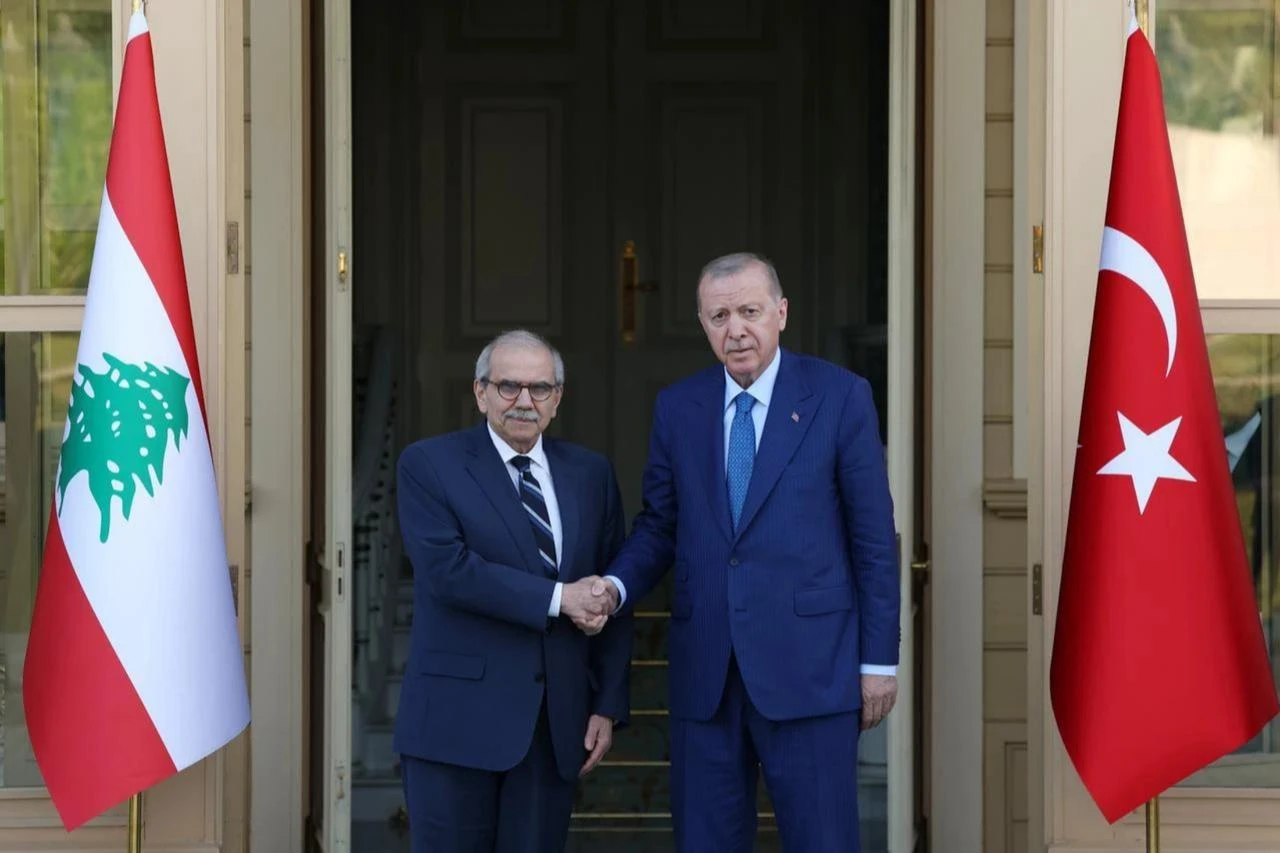


Prime Minister Nawaf Salam’s visit to Türkiye, followed by President Joseph Aoun’s expected visit at the end of July, signals that relations between Ankara and Beirut are shifting into a higher gear, with economic cooperation taking center stage.
The renewed engagement is particularly significant because relations between the two countries had remained relatively stagnant for much of the previous 18 months.
Since taking office in early 2025, Lebanon’s new leadership has placed considerable emphasis on strengthening relations with the Greek Cypriot administration and Europe, an approach promoted particularly by Foreign Minister Youssef Rajji.
Greek Cypriot President Nikos Christodoulides becoming the first foreign leader to visit Aoun following his election was an early indication of this priority.
However, there were signs that this approach was developing at the expense of relations with Türkiye.
In April 2025, Rajji presented Türkiye’s ambassador in Beirut with a memorandum concerning four Maronite villages in Turkish Cyprus.
Raising an issue arising from another country’s internal dispute appeared unusual at a time when Israeli forces continued to occupy positions inside Lebanon and displaced Lebanese citizens remained unable to return safely to their communities.
This was followed by the maritime boundary agreement between Lebanon and the Greek Cypriot administration. The agreement had remained unratified for nearly two decades before being finalized in November 2025, despite Türkiye’s objections and without addressing Turkish Cypriot concerns.
The agreement also drew criticism across Lebanon’s political spectrum, from the Christian Lebanese Forces to the Shia Amal Movement. Experts warned that Lebanon could lose up to 5,000 square kilometres of its potential exclusive economic zone, while several MPs argued that the agreement had been rushed through without the necessary parliamentary approval.
Lebanon understandably views the Greek Cypriot administration as a gateway to European investment and political support. It also sees Cyprus as a possible route into regional projects, including an interconnection with the European electricity grid.
However, the long-awaited Jounieh–Larnaca ferry illustrates the practical difficulties such ambitions may face. The route remains suspended pending Greek Cypriot approval over Schengen-related procedures, while services to Türkiye are already operational.
Lebanon needs a regional partner capable of making decisions quickly and turning agreements into practical projects. Türkiye’s economic scale, industrial capacity and security influence leave it better equipped to support Lebanon’s recovery.
It has already demonstrated this capacity through its contribution to Syria’s reconstruction, electricity infrastructure and security, as well as its role in helping the new Syrian government return to the international stage.
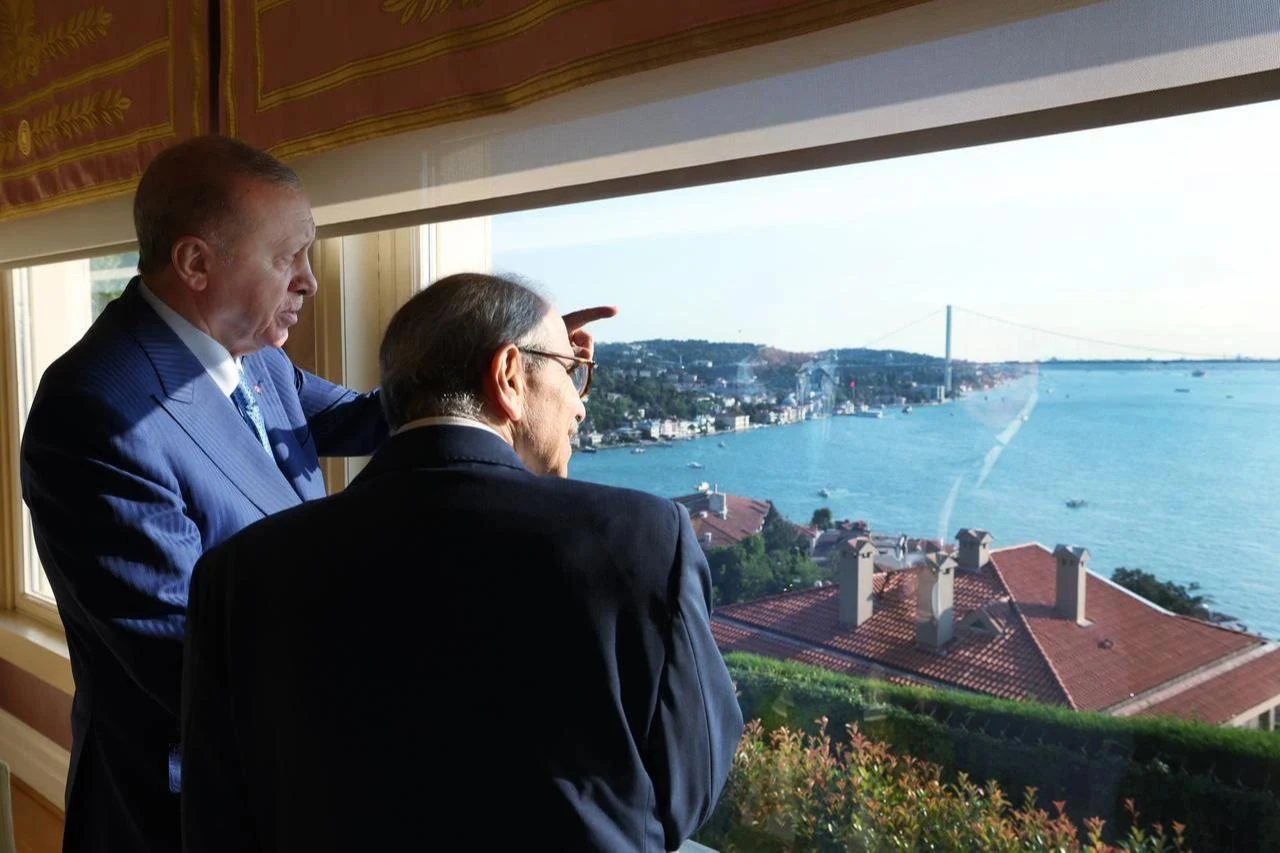

Given these circumstances, Salam’s visit offers an opportunity to transform bilateral relations through practical cooperation.
According to Information Minister Paul Morcos, Salam’s discussions with President Erdogan focused on three areas: establishing an electricity connection between Türkiye, Syria and Lebanon; connecting Lebanon to the planned Hejaz Railway through the Tripoli–Homs and Beirut–Damascus lines; and expanding Turkish investment in Lebanese infrastructure while reviving the bilateral free trade agreement. Aoun’s forthcoming meeting with Erdogan could give these projects further political momentum.
The free trade agreement is not a new subject. It was signed in 2010 but never entered into force because the ratification process was not completed on the Lebanese side, while Türkiye completed its ratification in 2013.
The agreement provides for the gradual removal of customs duties and other restrictions on industrial goods. With bilateral trade reaching approximately $1.3 billion in 2025, bringing it into force could deepen economic ties between the two countries.
The proposed electricity connection could address one of Lebanon’s greatest economic and social problems. The failing power system causes severe financial losses and forces households and businesses to depend on expensive private generators.
This raises manufacturing costs, weakens the competitiveness of Lebanese industry and discourages investment. Widespread generator use also contributes significantly to air pollution, creating serious environmental and public health consequences.
Lebanon’s redevelopment cannot begin without resolving its energy crisis, making the proposed trilateral interconnection vital. The foundations for such a project are already in place. Lebanon and Syria are connected by several transmission lines, while Türkiye supplies electricity to parts of Syria through cross-border connections.
Although damaged infrastructure requires rehabilitation, the existing links provide a strong foundation for implementing the project.
The initiative led by Türkiye and Saudi Arabia to revive the historic Hejaz Railway did not initially include Lebanon. Beirut now hopes to join the project by restoring the Tripoli–Homs and Beirut–Damascus lines and connecting them to the wider Syrian network. This would integrate Lebanon into an important regional logistics corridor, reconnecting the country with neighboring markets and providing access to Europe through Türkiye.
There is considerable scope for mutually beneficial cooperation. Yet electricity links, railway connections, trade and investment all depend on Lebanon’s stability. Greater economic engagement may therefore need to be accompanied by closer security cooperation between the two countries.
This will become particularly important as UNIFIL prepares to end its operations in December 2026 and begin withdrawing after nearly five decades.
Avoiding a security vacuum in the south will primarily require a stronger Lebanese state and army, but Türkiye could contribute through training, equipment and institutional support.
 2 min read
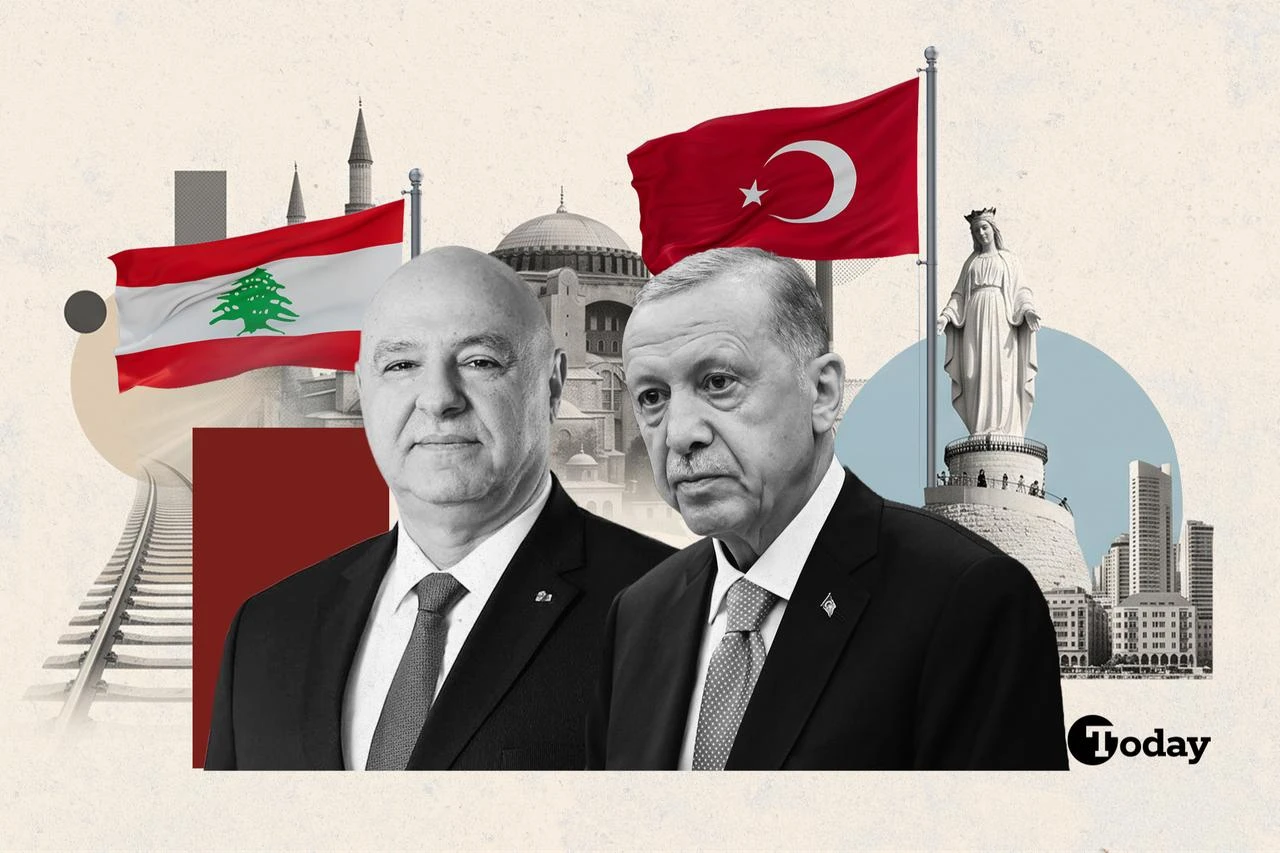
Successful Turkish projects could reshape perceptions of Türkiye across Lebanon. Ankara has traditionally maintained its closest relationship with the Lebanese Sunni community.
However, electricity, infrastructure, transport and employment projects would benefit other sections of society, particularly Lebanon’s Christian communities, whose demographic presence has been eroded by insecurity, economic decline and continued emigration since 1975.
Greater stability and employment opportunities could give more young Christians, as well as other Lebanese, reasons to remain in the country.
An improved public perception of Türkiye, facilitated by successful projects, together with greater engagement with leaders from all Lebanese sects, could strengthen Ankara’s position throughout the country.
One option could be the appointment of a special envoy for Lebanon, similar to Saudi envoy Prince Yazid bin Farhan, who could cultivate relations with every community, maintain contact with political and religious leaders and facilitate faster decision-making.
The visits of Salam and Aoun should mark more than a temporary diplomatic opening. If followed by practical cooperation in electricity, trade, transport, investment and security, Türkiye could become an influential actor in Lebanon’s recovery.


 Set as preferred source
 Set as preferred source


 1 min read