Newsletters


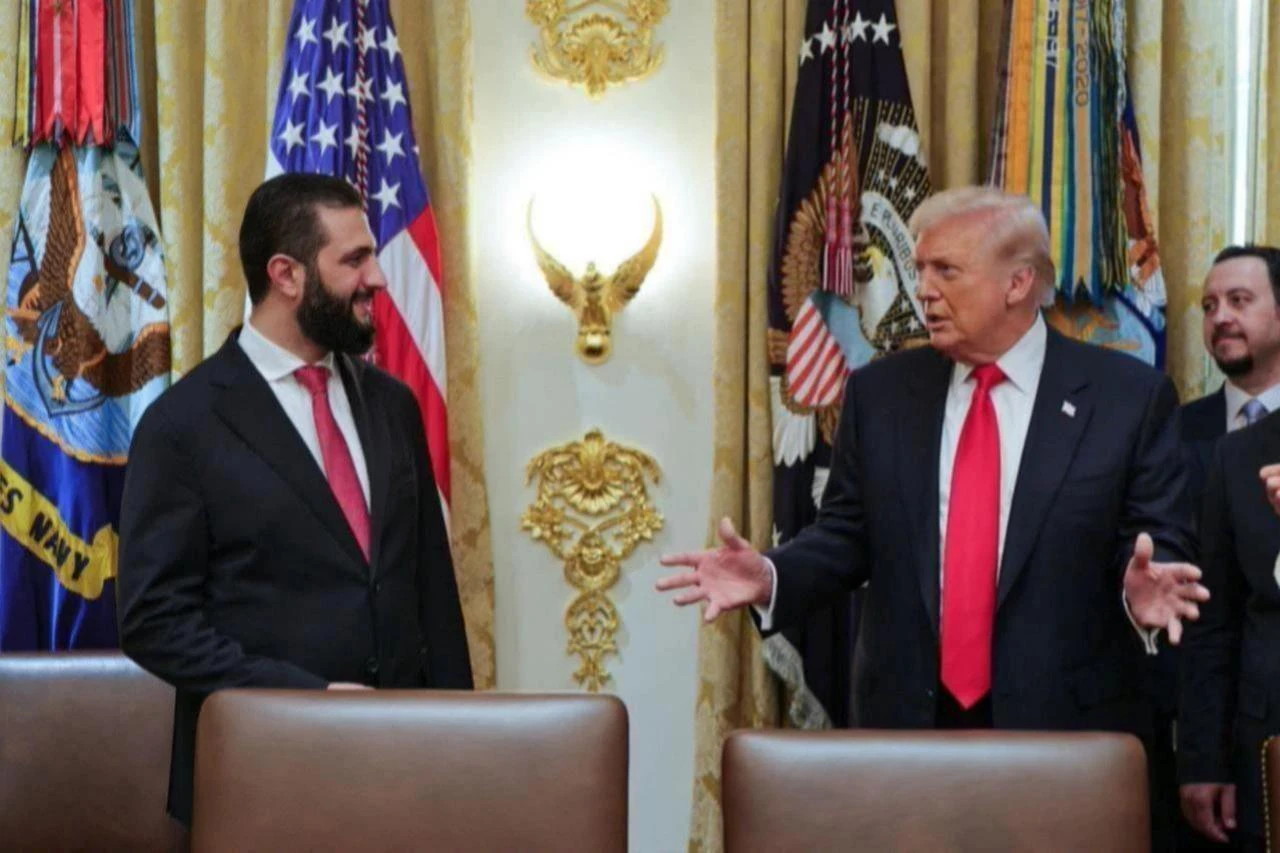


The Sharaa government in Damascus is confronting a long list of complex and formidable challenges, particularly on the domestic front. In foreign policy, however, it has achieved remarkable success.
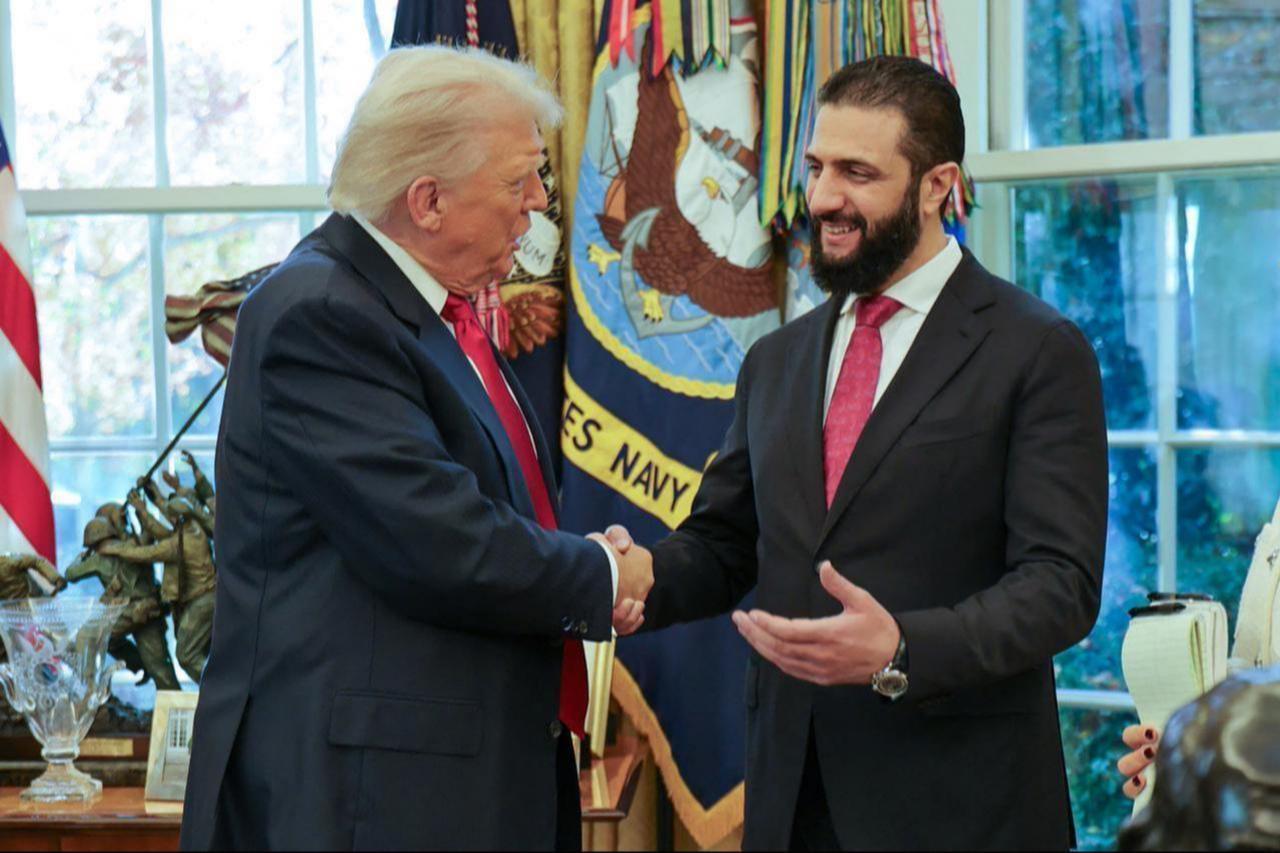
Syria’s relationship with the West in general, and with the United States in particular, has undergone a dramatic transformation. President Donald Trump has warmly embraced the Syrian president, and the process of lifting U.S. sanctions can be expected to be completed in the coming months.
A similar trend is evident in the Arab world, where governments have expressed clear satisfaction with Iran’s departure from Syria and with the pragmatic approach Ahmad al-Sharaa has adopted in conducting Syrian foreign policy.
Sharaa’s ideological background in radical Islam initially prompted caution among several Arab states, most notably Egypt. Over time, however, this caution has gradually given way to a more positive process of rapprochement.
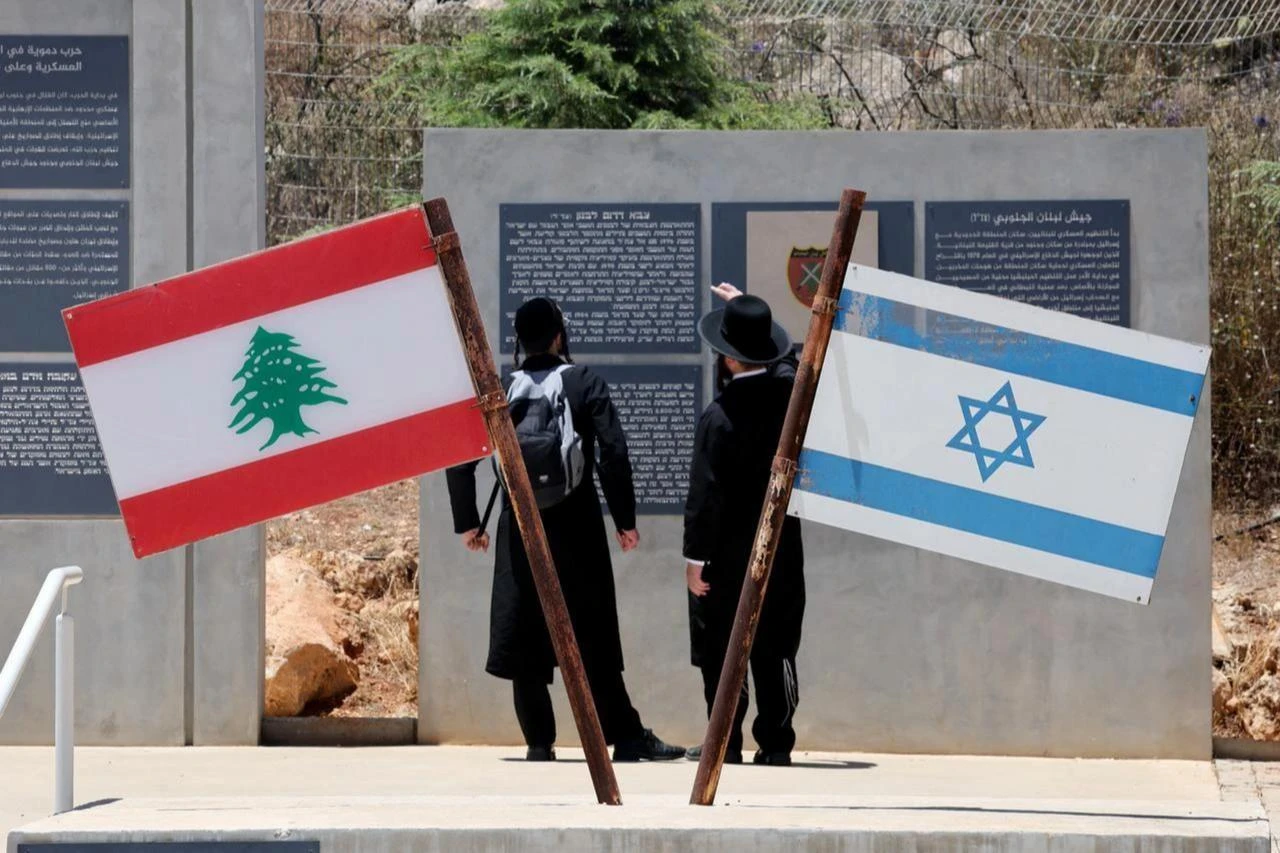
The relationship between Syria and Lebanon is different and troubled, given their shared history and the direct military involvement of the Assad regime, under both father and son, in Lebanon. That presence lasted approximately three decades and ended only in 2005.
Yet Hezbollah’s direct intervention in the Syrian civil war on behalf of the Assad regime, and Iran, ensured that neither country was truly freed from this destructive embrace.
Immediately after assuming power, the Syrian president made clear that he sought to establish an equal relationship with Lebanon, based on the recognition of both countries as sovereign neighbouring states.
He has emphasized his desire to focus on the process of state-building and to avoid external confrontations, including with Israel.
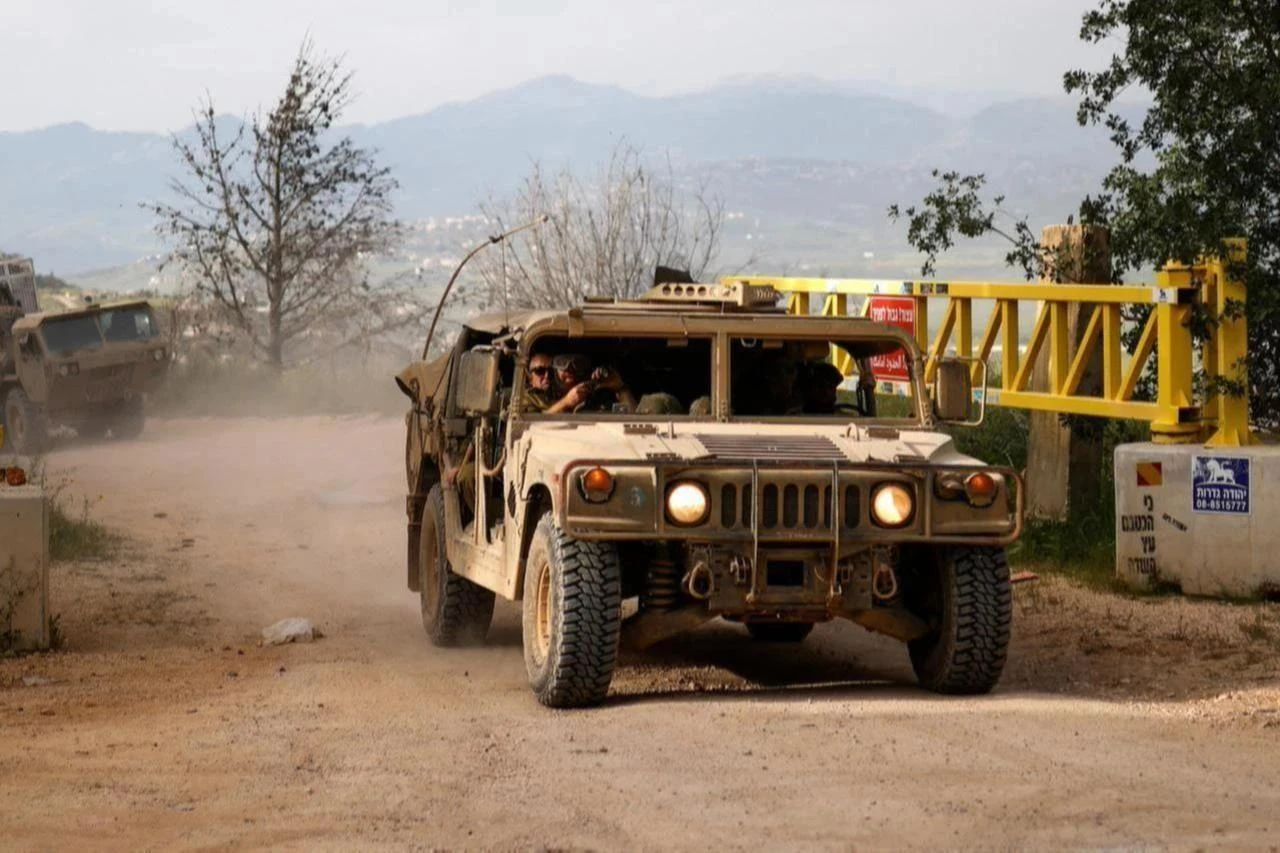

President Trump’s recent statements, however, have presented Damascus with a new challenge, or more accurately, a considerable headache. Trump has effectively “invited” Syria to confront Hezbollah in Lebanon, in light of what he described as Israel’s failure to do so successfully.
Sharaa has repeatedly clarified that he has neither the interest nor the capacity to undertake such a mission. Syria’s foreign minister reiterated this position during a visit to Lebanon, once again emphasizing Damascus’ commitment to non-intervention in Lebanese affairs.
Nevertheless, Trump’s repeated message, although it has not been reinforced by similar statements from other senior U.S. officials, cannot simply be ignored by Sharaa. Two principal considerations are likely to shape his response.
First, President Trump himself. Trump played a decisive role in the rapid international legitimization of Sharaa’s government. He was undoubtedly encouraged to do so, to a considerable extent, by the Saudi crown prince and the Turkish president. Since then, however, Trump has expressed exceptionally strong satisfaction with the Syrian leader.
Damascus is therefore likely attempting to understand what lies behind the president’s call for Syrian intervention against Hezbollah in Lebanon. Is this merely a passing impulse? If it was so, has it already evolved into an actual policy position? How should Damascus respond without appearing to act against the wishes of the American president? These are not theoretical questions.
Second, the capabilities and priorities of the new Syria. The Sharaa government is still in the midst of consolidating its control over the country, integrating Syria’s diverse ethnic communities into state institutions, attracting foreign investment, and rebuilding a devastated economy.
The Syrian military continues to rely primarily on Sharaa’s former organization, Hayat Tahrir al-Sham, and is currently in no position to confront Hezbollah. Any such involvement beyond Syria’s borders would risk destabilizing a government whose position is already far from secure.
Sharaa must, of course, also take into account the positions of Ankara and Riyadh, both of which strongly support his government, as well as, from the other end, that of Israel. It is worth noting that Jerusalem has so far maintained complete silence regarding Trump’s statements, a silence that likely reflects a distinct lack of enthusiasm.
Sharaa can therefore be expected to maintain his policy of non-intervention in Lebanon. Instead, he will probably concentrate on tightening control over Syria’s borders, particularly the Syrian-Lebanese frontier. He also appears to expect significant American assistance that would enable him to do so effectively.
Recent reports that the Syrian authorities have intercepted Iranian weapons-smuggling operations intended for Hezbollah fit neatly into this approach.
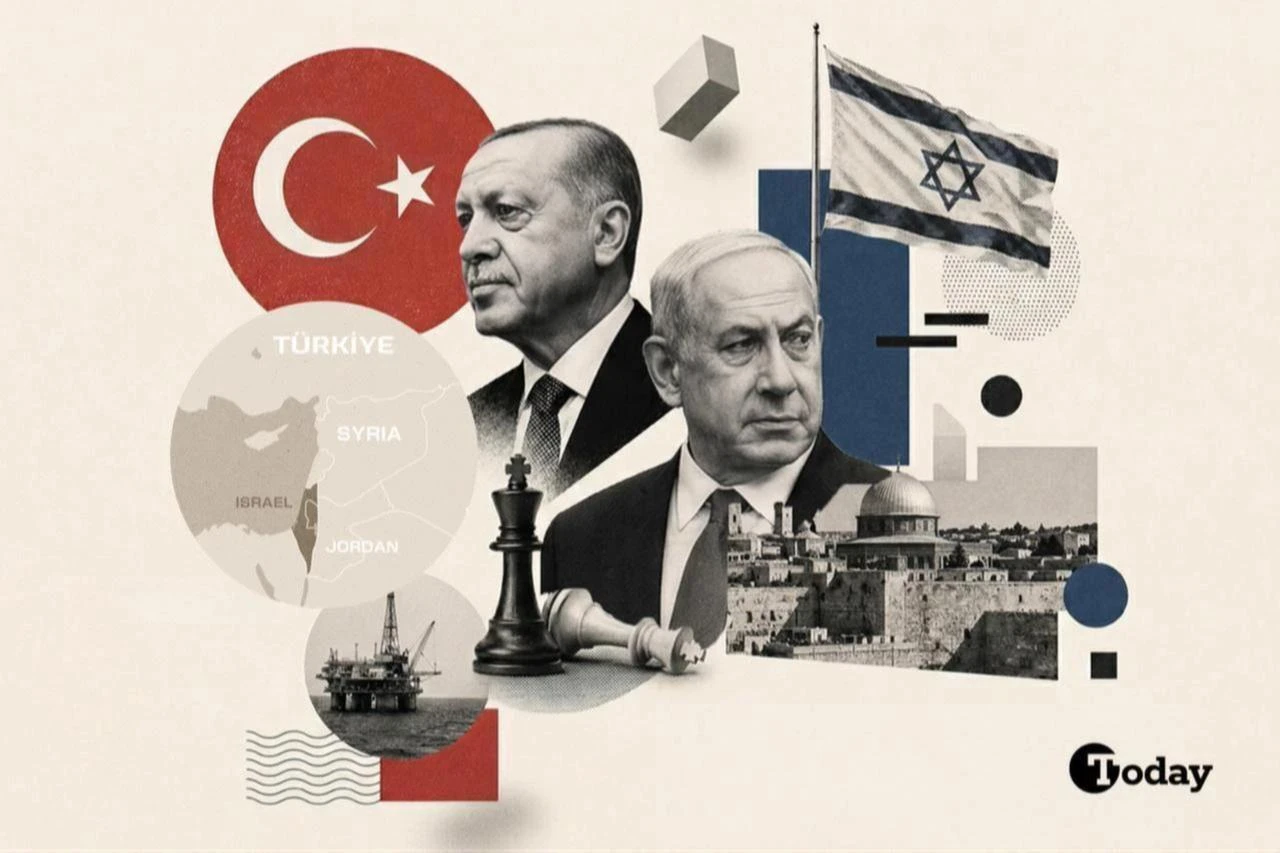
Another point worth noting is that, in this context, Israeli and Turkish interests appear to converge. Neither country is in favor of direct Syrian involvement in Lebanon.
Türkiye clearly understands the limits of Sharaa’s capabilities and the danger such an intervention would pose to the stability of his government. Israel, which is still in the process of reassessing its approach toward Sharaa, has no interest in turning back the clock and restoring Syria’s historical role in Lebanon. Not to mention its direct negotiations with the Lebanese Government.
And yet the question remains: will the new Syria be able to resist the temptation?


 Set as preferred source
 Set as preferred source


 1 min read
 1 min read