Newsletters


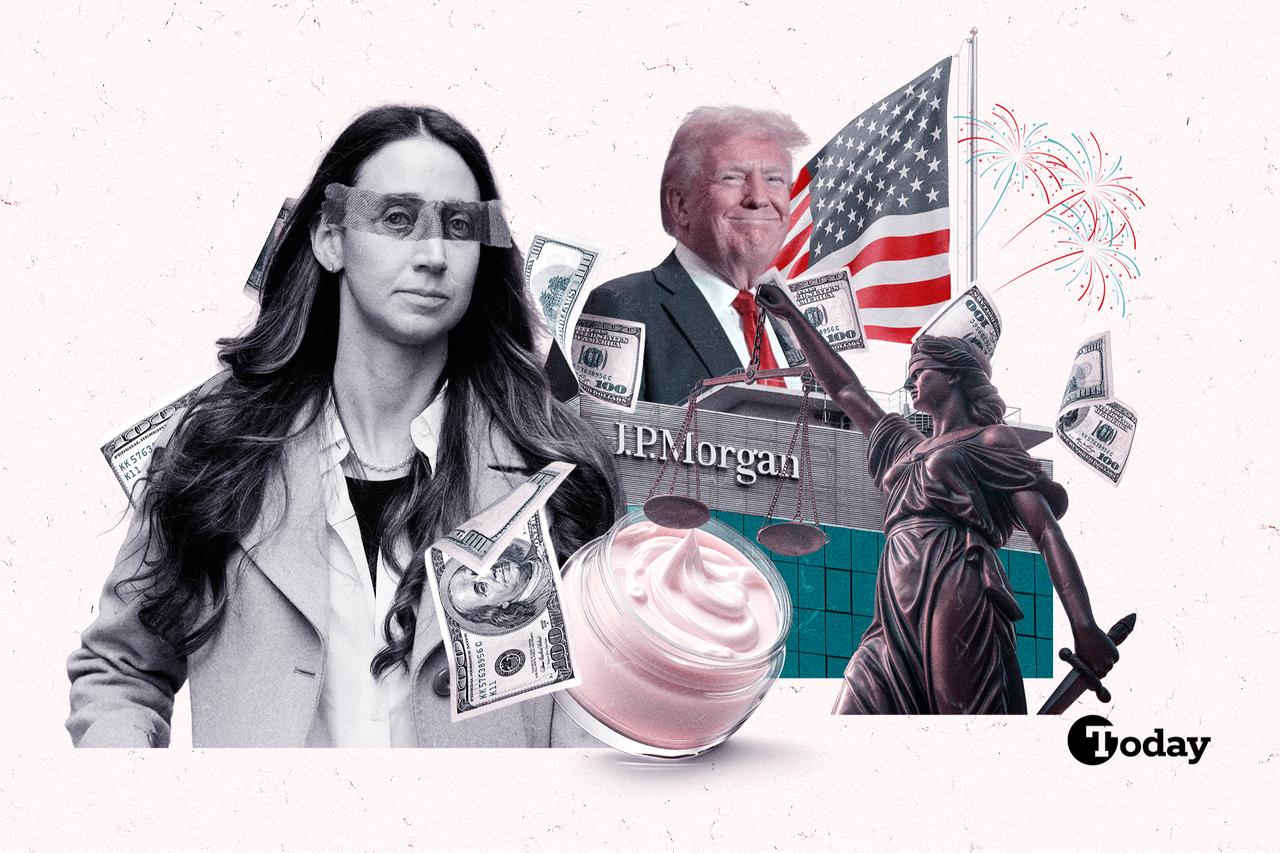


As the barometer drops on America’s 250th birthday bash in Washington—a national celebration cheerfully bankrolled by hundreds of millions in corporate cash donations—a panicked swarm of news producers faces a question that would have baffled the Founding Fathers but seems perfectly on brand in the age of Donald Trump:
Who, exactly, embodies the American character?
I’ve assured the French and British bookers who’ve called that it’s not the Silicon Valley tycoons launching themselves toward the stratosphere in bespoke rockets subsidized by the tax code.
Anyone determined to understand patriotism as it is practiced in Trump’s America must look beyond the pageantry—and even beyond the miraculous promises of cellulite butter—to a figure who turns aspiration into an audacious sales pitch: Charlie Javice.
Javice built Frank, a company designed to simplify the financial aid process for college students. The concept possessed all the right ingredients: youth, technology, social purpose, and a promise to melt bureaucracy faster than subcutaneous fat deposits.
Before anyone disappears into a haze of commemorative cannabis cookies, consider America’s real national addiction: ambition, the laboratory-grade stuff—engineered from hype and lubricated with venture capital until every confidence trick looks like a rebellion.
America’s old guard loaded their wagons and headed west looking for gold; the new ones fly private to glass towers where they promise to "disrupt" banking, transportation, medicine, education, and any other unfortunate industry still generating revenue.
Javice arrived with jargon and the unshakable conviction that reality is merely a technical obstacle. The crowd loved it. JPMorganChase threw money at it, and everyone applauded the vision long before anyone bothered to inspect the numbers.
By the time somebody asked to speak with Javice’s customers, the champagne was warm, the stock options were vested, and her getaway car was halfway across the state line. The dream was already cashed in long before JPMorganChase examined the arithmetic.
The deal went down in 2021. JPMorganChase paid $175 million to acquire the company. The arrangement unfolded in the familiar atmosphere of modern finance, where executives congratulate themselves, consultants felicitate the executives, and lawyers quietly begin calculating their children's future real-estate portfolios.
Then came the unpleasant discovery that the startup allegedly had far fewer customers than advertised. The remarkable part was not the allegation itself. The remarkable part was that a global banking institution capable of moving trillions of dollars around the planet appeared to discover the problem only after writing the check.
That’s why Javice deserves top-shelf consideration as the symbolic poster person of America at 250. She did not operate alone. She emerged from a larger ecosystem—a brightly lit marketplace where dreams are monetized, risk is outsourced, and optimism often trades at a premium to fact.
The founder supplied the vision. The bank supplied the capital. The lawyers supplied invoices with enough pages to qualify as commercial forestry.
The legal-fee dispute now unfolding may be the most American chapter of all. Reports describe arguments over extraordinary expenses, luxury charges, and even cellulite butter, a cosmetic moisturizer that somehow found its way into one of the more surreal corporate dramas of the decade.
Cellulite butter is certainly the perfect metaphor for contemporary finance. It promises to smooth irregular surfaces. So does Wall Street. Both command impressive prices. Neither offers guarantees.
Somewhere, one imagines, a branding consultant is already preparing the next iteration: Justice Butter, formulated specifically for distressed balance sheets and wounded reputations.
The Javice story contains every element of the modern American myth. Youth. Confidence. Technology. Large numbers. Larger numbers. Lawyers. Eventually, prosecutors. The setting itself feels almost too perfect. A startup created to help students pay for college ends up generating enough litigation to endow several academic departments.
JPMorganChase, meanwhile, deserves its own place in the national exhibit. The bank's role serves as a reminder that corporate America remains deeply committed to the tradition of paying extraordinary sums for assets it later claims not to have fully understood.
Then something detonates. Executives insist they were misled. Founders insist they were misunderstood. Lawyers submit additional invoices. Shareholders develop headaches.
 1 min read
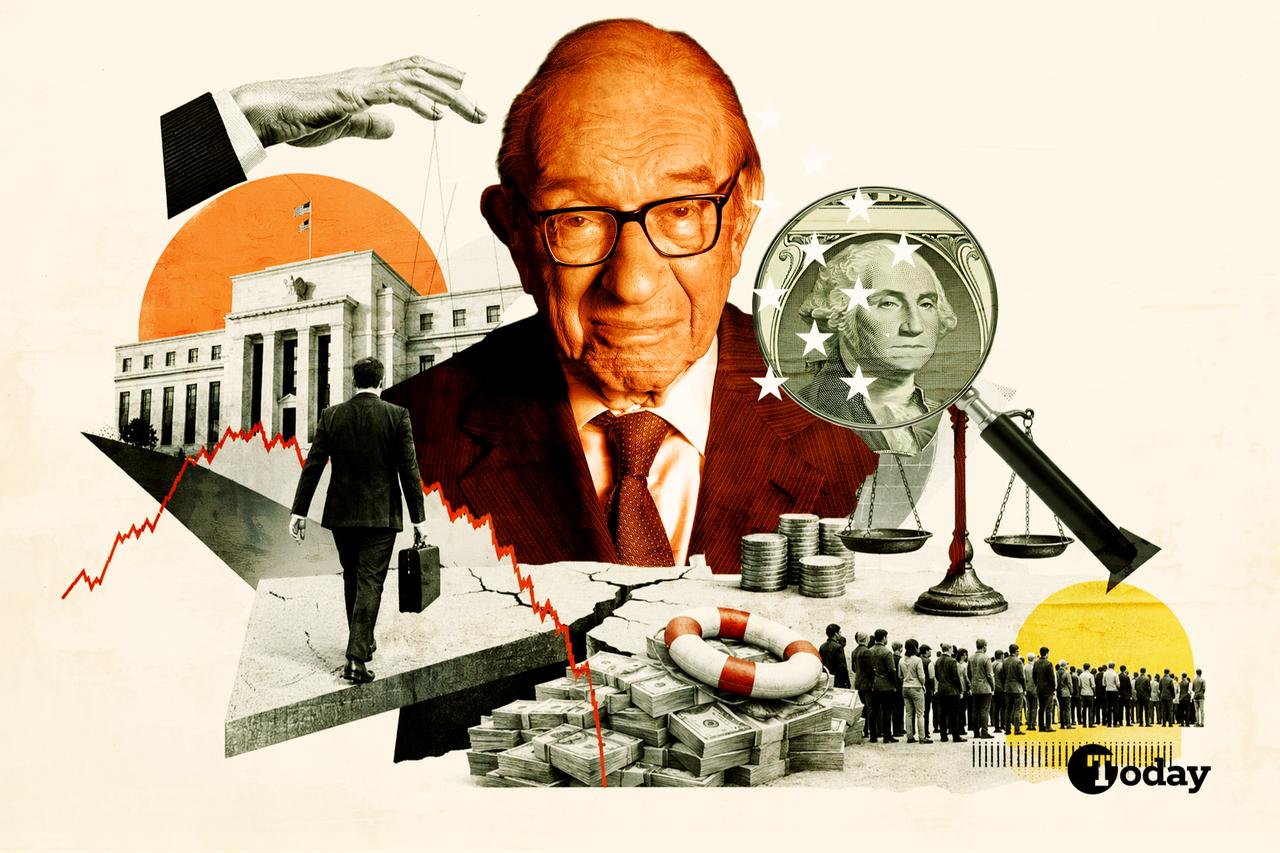
There is also the pardon subplot, because no modern American saga feels complete without one. Javice is appealing her conviction and has reportedly sought presidential clemency.
Pardons once occupied a rarefied corner of public life, reserved for exceptional circumstances. Today, they sometimes resemble an adjacent industry, complete with consultants, intermediaries, strategic relationships, and a waiting room stretching toward the horizon.
President Trump has already granted clemency to more than 1,600 people during his second term.
Perhaps Javice is not merely a defendant, entrepreneur, or cautionary tale. Perhaps she is a commemorative figurine for an era in which confidence became a currency, scale became a philosophy, and almost everything—including higher education, legal warfare and skincare products—could be folded into a single financial transaction.
A nation capable of combining college financial-aid software, a global bank, a federal fraud prosecution, luxury moisturizers and presidential pardon speculation into one narrative has accomplished something uniquely American.
So, as the fireworks, in part funded by JPMorganChase's contribution to America 250, illuminate the sky this Fourth of July, it may be worth reflecting on the improbable system that produced such a story.
The Founders promised life, liberty, and the pursuit of happiness. Two and a half centuries later, some 320 million Americans are faced with the same question French diplomat and historian Alexis de Tocqueville raised when he in 1835 wrote “Democracy in America.”
“As one digs deeper into the national character of the Americans,” America’s first biographer asked, “one sees that they have sought the value of everything in this world only in the answer to this single question: how much money will it bring in.”
History rarely travels in a straight line. More often, it wanders through a boardroom, slips on cellulite butter and discovers, to its surprise, that the battle against the tyranny of textured thighs is never-ending.


 Set as preferred source
 Set as preferred source



 1 min read