Newsletters


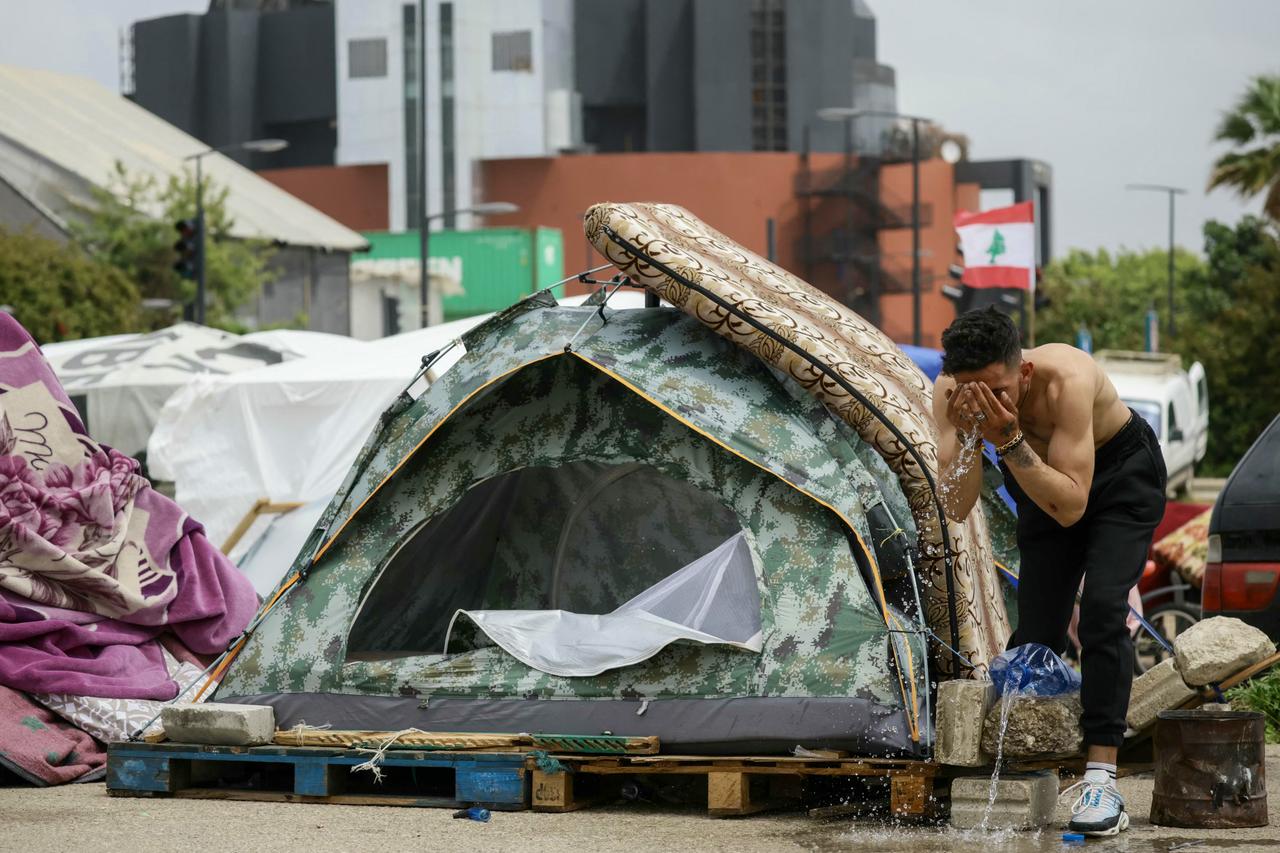


Leaving one’s home, living in exile and hoping to return one day—that has been the fate of the people of Lebanon. War has repeatedly forced them out of their homes.
But how many times can a people be driven from their land?
Those living in southern Lebanon have had to abandon their homes many times over the past 40 years. They face a similar fate again. Israel is likely to stay in southern Lebanon, and for the people of the area, a return seems a distant prospect.
A few days after the outbreak of conflict between the U.S., Israel, and Iran, hostilities escalated in Lebanon on March 2. After Hezbollah launched attacks in support of Tehran, Israel responded with a forceful military campaign. Lebanonis now facing widespread destruction resulting from Israeli airstrikes and a ground incursion in the south.
Attacks on civilian-populated areas have killed more than 2,000 people and injured over 7,000. With evacuation orders repeatedly expanding in scope and affecting more than 100 towns and villages, Israel aims to control an area extending 19-24 kilometers (11.81-14.91 miles) south of the Litani River. These evacuation orders have reportedly affected an area corresponding to 15% of the country, and displaced more than 1 million Lebanese—around 20% of the population.
Although the United States sought to separate its war with Iran from the Israel–Hezbollah conflict, this effort proved impossible. During the ceasefire talks in Islamabad, Iran insisted that any U.S.–Iran agreement include Lebanon, later conditioning the ceasefire on Israel halting its attacks.
The U.S. desire to end its conflict with Iran, combined with Trump’s pressure on Prime Minister Benjamin Netanyahu, resulted in a 10-day ceasefire on the Lebanon–Israel front a few days after the two-week U.S.–Iran ceasefire.
Whether this 10-day ceasefire will be extended, lead to peace between Israel and Lebanon, or secure Hezbollah’s compliance with government decisions remains to be seen. But one thing seems very likely: Israel is staying in southern Lebanon.
For the Lebanese people, Israeli attacks, cycles of war and ceasefire, and occupation are not new phenomena. In 1982, Israel invaded southern Lebanon following its offensive against the Palestine Liberation Organization, which had taken refuge there.
Hezbollahwas established with Iranian support as a resistance force dedicated to opposing the occupation. In pursuit of this mission, it has conducted a persistent guerrilla war against Israel. After the killing of Hezbollah leader Abbas Mousavi in 1992, Hassan Nasrallah assumed leadership for the next three decades. In 1996, Israel launched an operation to push Hezbollah north of the Litani River. However, after years of conflict, the war ended in Hezbollah’s victory, which pushed Israel to fully withdraw from southern Lebanon in 2000.
Cross-border clashes continued in subsequent years. In 2012, Hezbollah’s involvement in the Syrian war with Iran's backing triggered regular Israeli airstrikes on its positions in Syria and Lebanon. A new phase began after Hamas’s Oct. 7, 2023 attack on Israel, when Hezbollah joined the Gaza war in solidarity, launching attacks on Israel.
Israel’s strong response killed many senior commanders, including Hassan Nasrallah, and severely damaged the group’s infrastructure and weapons stockpiles. A U.S.-brokered ceasefire in November 2024 ended the Israel–Hezbollah war, yet Israel continued regular strikes in Lebanon to prevent the group from rearming.
Hezbollah avoided retaliation, including during the 12-day war in June 2025. Israeli forces also remained stationed on five hilltops inside the Lebanese territory along the border. The fall of the Assad regime in Syria in December 2024 and the disruption of the Iranian arms-supply routes further weakened the group. While Hezbollah had been on the winning side in the conflicts up to October 2023, it has been on a losing trajectory since the Gaza war.
Under the November 2024 ceasefire, Lebanese forces were deployed in the south alongside U.N. peacekeepers and tasked with dismantling Hezbollah’s military positions. Months later, the Lebanese army was also assigned—under a delayed plan—to disarm Hezbollah and establish state control over all weapons.
In the current war, attacks launched against Israel from areas south of the Litani River, where the Lebanese Armed Forces (LAF) claimed "operational control" have drawn criticism of LAF Commander Rodolphe Haykal for failing to implement the disarmament plan. Haykal responded that the army’s priority was maintaining internal order rather than disarming Hezbollah.
So, in this decadeslong pattern of conflict, where do the sides stand this time?
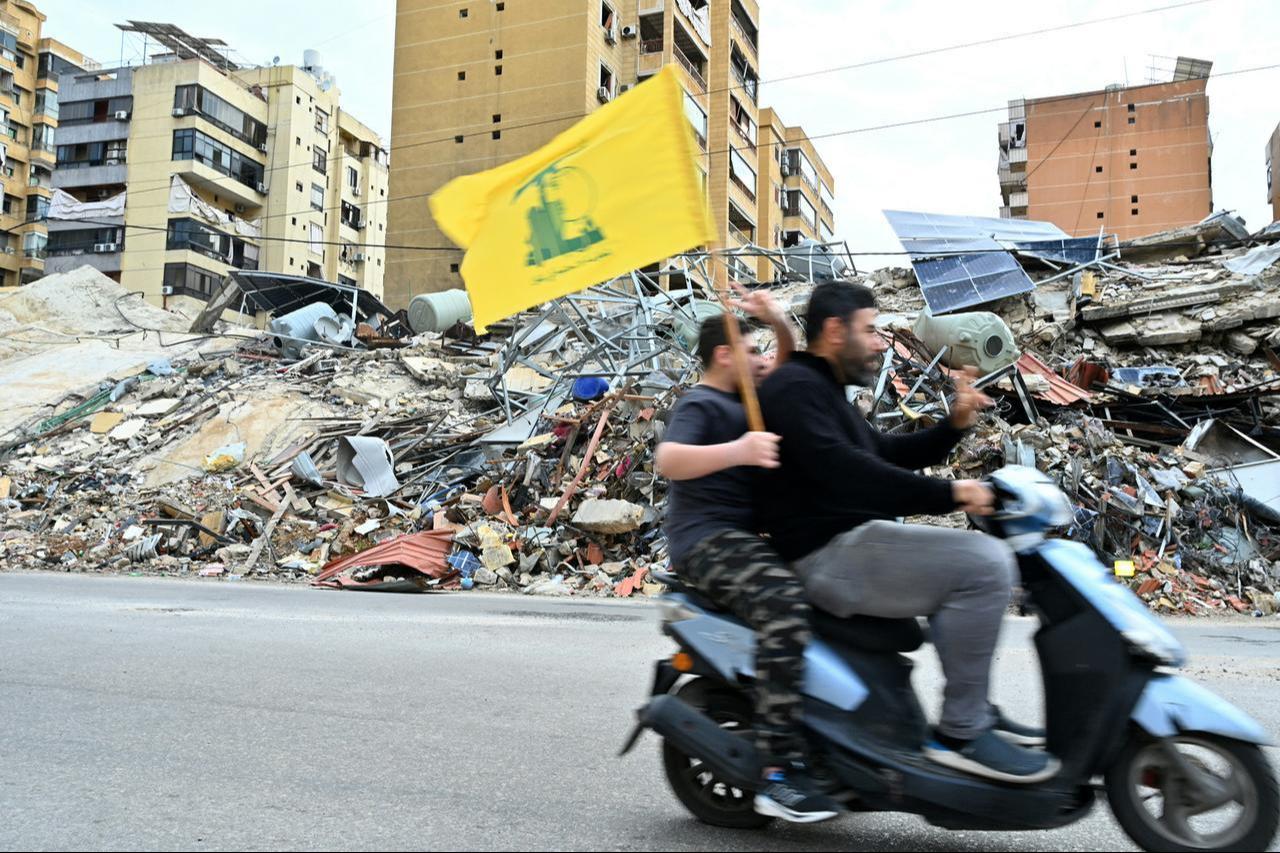

Israeli officials initially stated that the war aimed to disarm Hezbollah. But it quickly became clear that this was not the primary operational goal—especially given how difficult it would be without Beirut’s support. The real objective has been to establish a "buffer zone" by depopulating southern Lebanon and driving out Hezbollah and its supporting communities.
To achieve this, Israel first sought to isolate the south from the north and cut off the Hezbollah supply routes. Through sustained strikes, it targeted connections linking north and south, including bridges over the Litani River. At the same time, Israel attacked civilian infrastructure in occupied areas, destroyed homes and villages, and damaged farmland and crops to prevent the displaced civilians from returning. Villages and towns are first razed by airstrikes, and then Israeli forces are deployed.
In line with the "Yellow Line" doctrine implemented in Gaza since October 2023, Israel aims to destroy all settlements up to a designated line and displace the civilian population to consolidate this strategy. Israeli Defense Minister Israel Katz stated at the end of March that the country seeks to establish a 19–24 km "security zone" south of the Litani River.
Netanyahu also said that the IDF would not withdraw from a 10-kilometer area to prevent attacks on northern Israeli communities. The IDF aims to create a 3-4 kilometer security zone, and beyond that, establish additional posts on the hilltops along an "anti-tank line" to prevent Hezbollah’s missile attacks, extending up to 10 kilometers. In the remaining areas south of the Litani River, Israel intends to carry out precision strikes against Hezbollah targets.
A sensitive point here is that some observers argue these operations amount to "ethnic cleansing" targeting the Shiite population, which Israel believes broadly supports Hezbollah and shelters its fighters and weapons.
While operations continue, the ceasefire Israel accepted under pressure from Trump, and the prospect of near-term Lebanon-Israel peace talks, have caused discomfort among the Israeli public, which supports continued operations against Hezbollah.
Hezbollah is not merely a militia; it functions as a state within the state, with political allies, an armed force parallel to the army, and a social network including schools and hospitals in southern Lebanon. However, it no longer enjoys the same political support in Lebanon as it used to in the past and is widely seen as an extension of Iran.
There is significant anger toward the group for dragging the country into a new war on Iran’s behalf. However, despite heavy political and military losses since October 2023, Hezbollah’s continued ability to strike Israel since March has surprised many observers.
Lebanese Prime Minister Nawaf Salam has increased state pressure on Hezbollah and criticized it for drawing Lebanon into wars with Israel. However, since taking office in January 2025, he has delayed the development of a disarmament plan and failed to implement it.
While fears of provoking sectarian tensions are the main obstacle, resistance from pro-Hezbollah figures within the government has also played a role. Hezbollah appears willing—for now—to observe the temporary ceasefire as long as Israel does. Yet, Israel’s continued presence in southern Lebanon will both legitimize Hezbollah’s resistance and pose the greatest obstacle to its disarmament.
A potential lasting Lebanon–Israel ceasefire or peace talks currently appear to be tactical moves aimed at securing a U.S.–Iran peace deal. Israel is unlikely to accept a lasting ceasefire covering southern Lebanon, and even if it does, it may violate it, as it did after 2024. Israel doesn't seem willing to withdraw from the south either.
Hezbollah, meanwhile, is likely to continue its resistance. Its disarmament will be difficult under the ongoing occupation. Israel cannot fully control the area south of the Litani River, nor can Hezbollah expel the IDF.
This conflict follows a familiar pattern: occupation, displacement and ceasefire—on repeat. Within this cycle, two strategic outcomes seem likely: the IDF will maintain its presence in southern Lebanon through Israel’s October 2026 elections, and more than 1 million Lebanese will remain in a state of indefinite displacement.


 Set as preferred source
 Set as preferred source



 7 min read