Newsletters




The late Henry Kissinger warned a decade ago in his book "World Order" that there was an urgent need to define a new world order, yet no clear set of agreed-upon goals or methods existed.
What we have been living through is the crisis of the international rules-based order established after World War II and the painful transition from a unipolar system to a multipolar one.
A decade later, leaders on both sides of the Atlantic openly acknowledge that this order has effectively ended. Europe now understands that it can no longer rely on the rules and institutions that once enabled its growth and security.
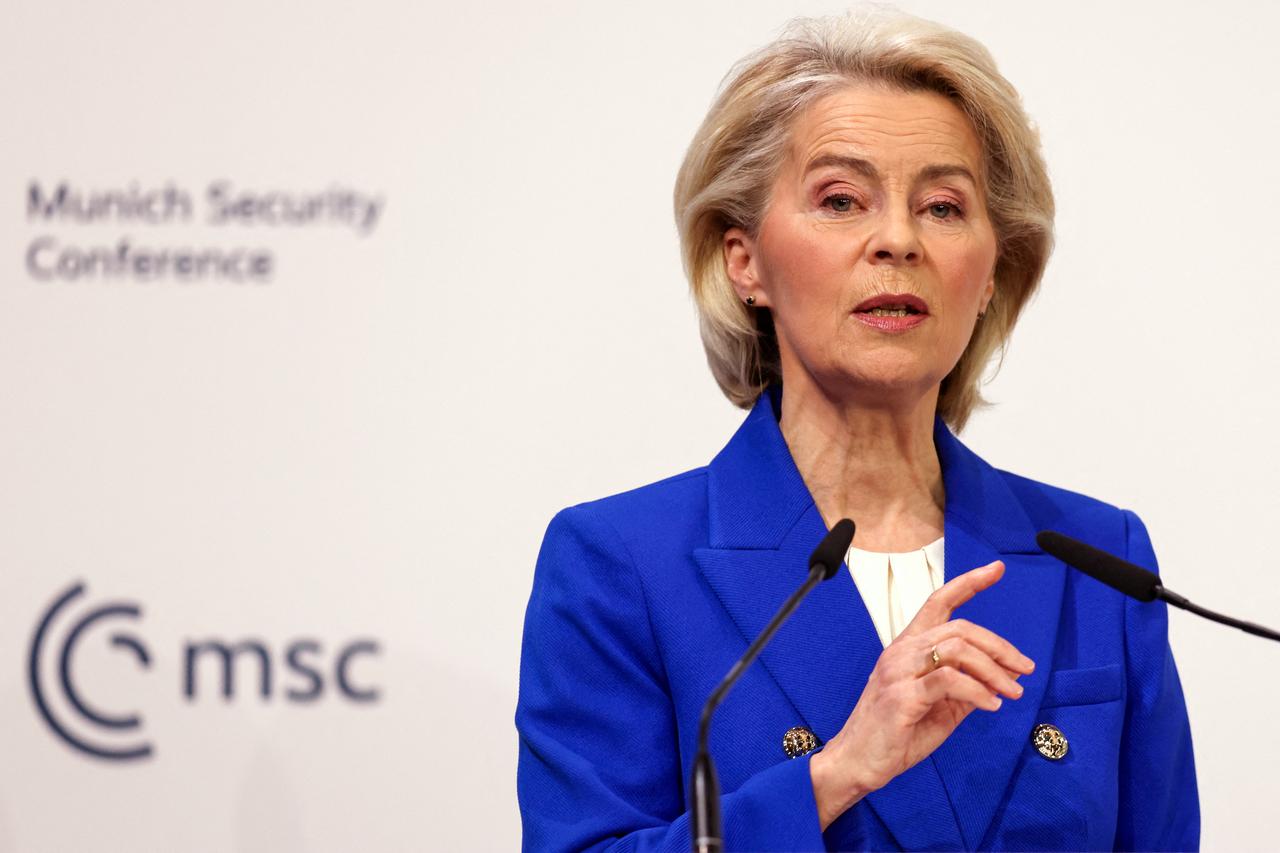
At this year’s 62nd Munich Security Conference, it was acknowledged in unmistakable terms that the U.S.-led rules-based order is over; the world as we knew it is gone. This summit may well go down in history as a Munich Moment.
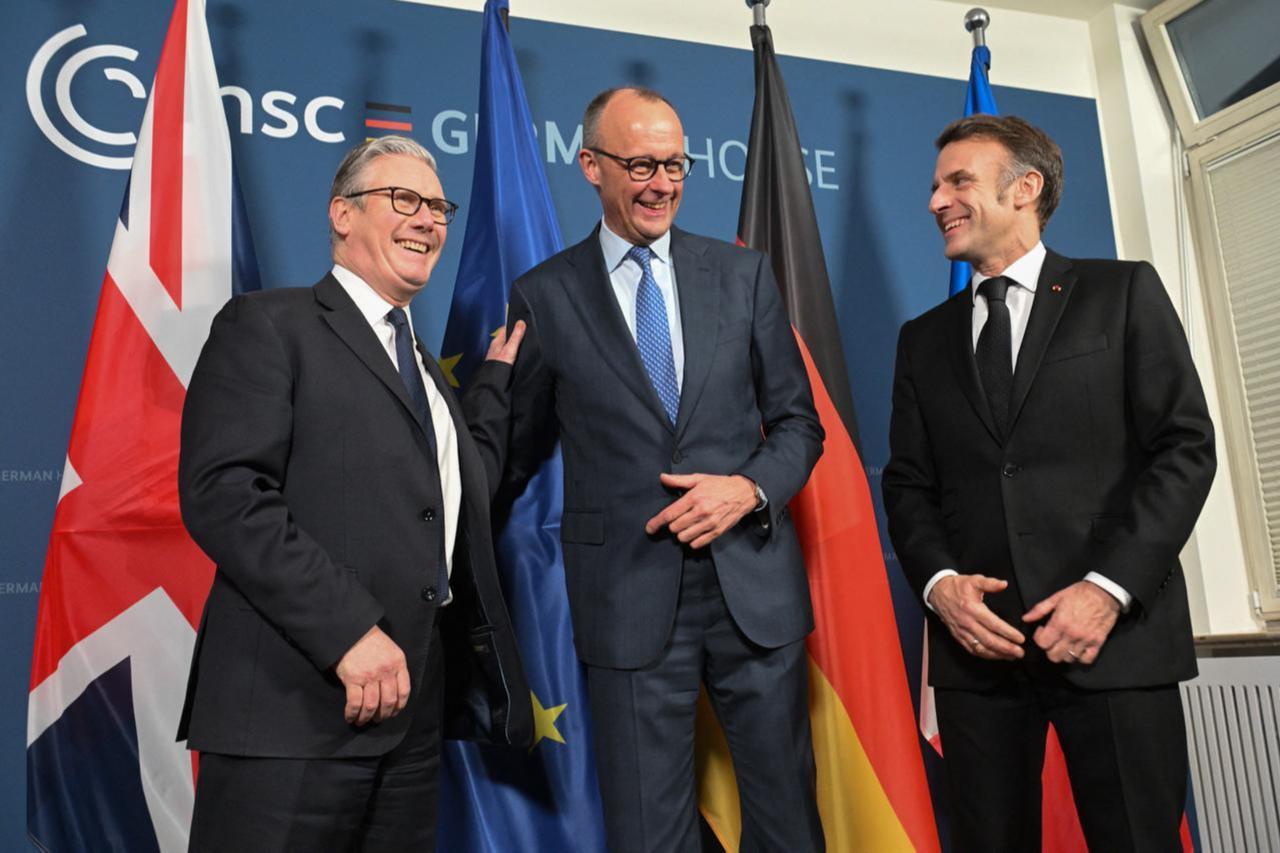
Just as Winston Churchill’s “Iron Curtain” speech is widely regarded as the opening chapter of the Cold War, the speeches delivered earlier in Davos by Canada’s Prime Minister Mark Carney and in Munich by Germany’s Chancellor Friedrich Merz and U.S. Secretary of State Marco Rubio may be remembered as declarations of a new order to replace the rules-based order established after 1945.
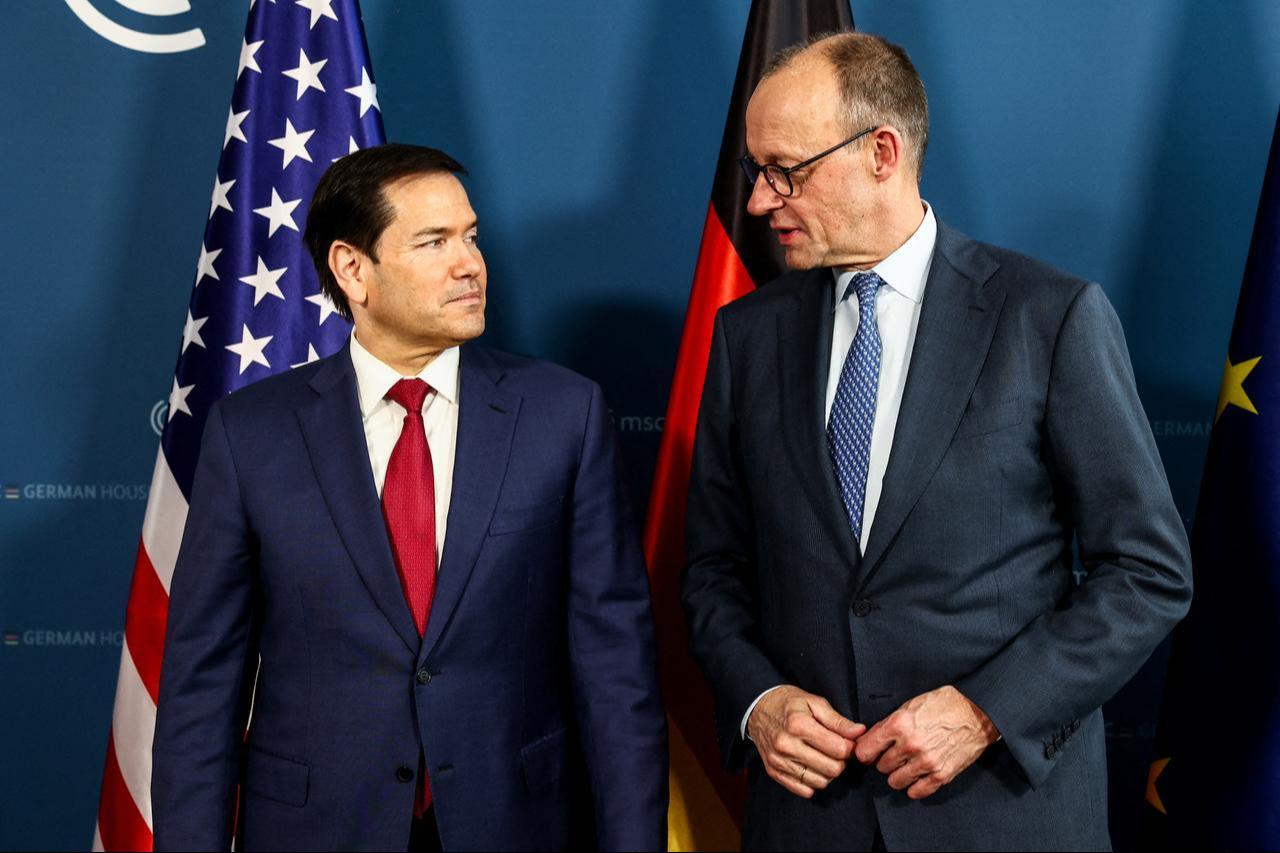
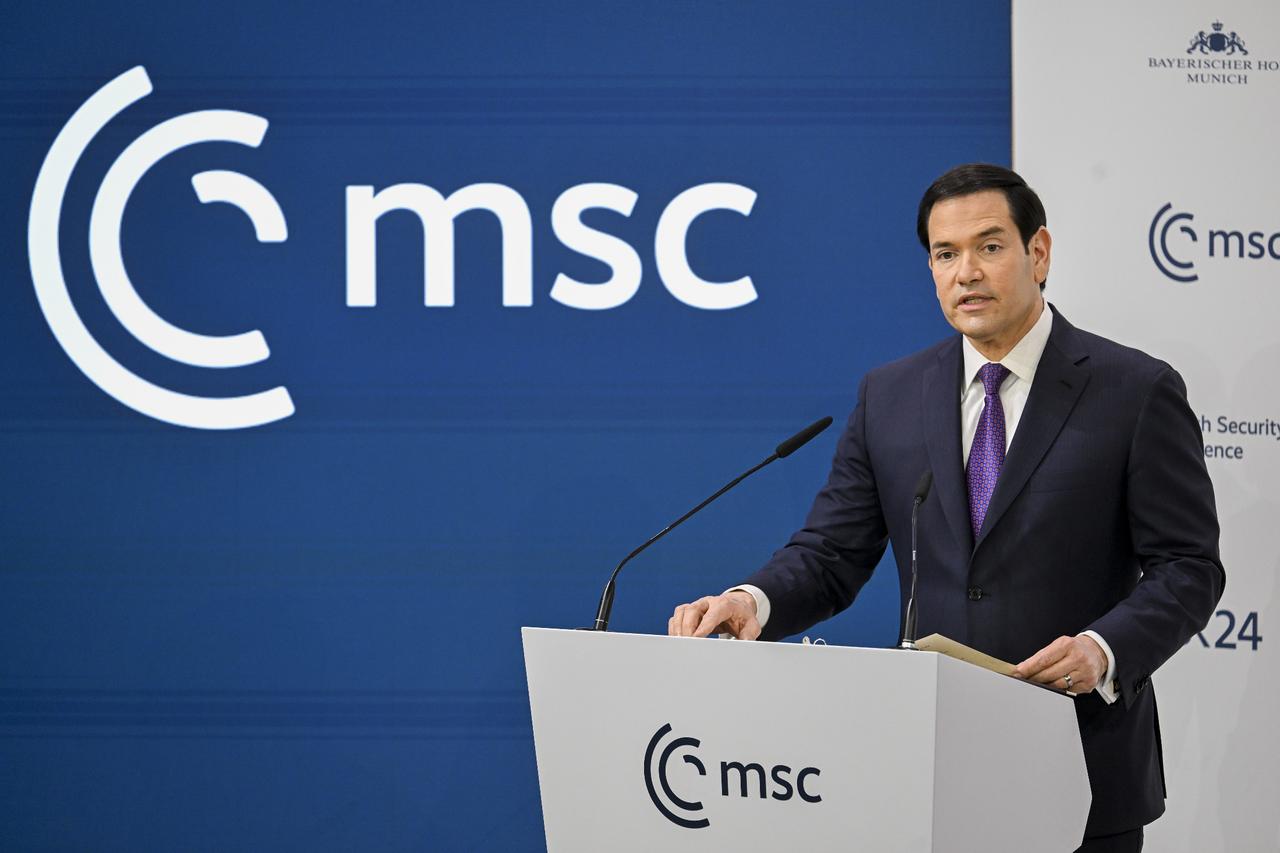
Rubio declared that the American-led order had come to an end, yet insisted that a “new Western century” would be built by the United States.
He added that Washington preferred to reshape this emerging era of prosperity together with Europe.
While praising the history of transatlantic relations, he offered a cautiously reassuring message about their future, seeking to calm fears that the United States might be abandoning transatlantic cooperation altogether: “Both our histories and our fates will always be linked. (…) Our destiny is and will always be intertwined with yours, because we know that the fate of Europe will never be irrelevant to our own national security.”
The Munich Security Conference’s annual report this year described the norms and institutions of the international order as “under destruction,” placing responsibility for U.S. policy under President Trump. Rubio, by contrast, projected an image of an order “under construction.”
He emphasized not “destruction” but “renewal,” “restoration,” and “reform” for the multilateral institutions that underpin the existing order, but he did not hesitate to criticize them. On Ukraine, Gaza, and Iran, he argued that these institutions had failed to deliver solutions, whereas American initiatives had produced tangible results.
He portrayed multilateral bodies as responsible for the erosion and limitation of sovereignty, accused the rules-based order of overriding national interest, and blamed free trade for deindustrialization at home.
According to this view, Western self-imposed constraints—whether in arms control or climate policy—left the West weakened, while adversaries unconstrained by such limits rearmed and strengthened themselves through fossil fuels and military expansion.
Rubio’s address was marked by strong anti-globalization themes and praise for Western Christian civilization. As in previous speeches by President Trump and Vice President Vance, there was a suggestion that Europe, confronted with mass migration, faces “civilizational erasure” and a loss of strength.
It is evident that this emerging order Rubio refers to would primarily serve American interests.
The United States appears less focused on humanitarian support, civil society engagement, the projection of cultural soft power, or multilateral decision-making platforms, and more inclined toward power-based and coercive diplomacy—bilateral agreements that disregard the territorial integrity and sovereignty of other states when convenient.
From Libya to Syria, from Azerbaijan to Armenia, new opportunities are being created for American companies, with eyes on underground resources in Venezuela, Ukraine and Greenland, while a tariff-driven trade policy is pursued even with allies.

NATO Secretary-General Mark Rutte recently told the European Parliament that it was a dream to believe Europe could secure itself without the United States. Whether or not that assessment is correct, the European Union and its member states have embarked on what appears to be an irreversible path toward standing on their own feet, increasing defense expenditures accordingly.
The “ReArm Europe” plan commits up to €800 billion in defense investment by 2030. Moreover, the European Union is not only diversifying in security matters but also signing free-trade agreements with middle powers as alternatives to its commercial dependence on the United States; many European countries are simultaneously seeking to expand trade relations with China.
Rubio’s speech—more measured and conciliatory than Vice President JD Vance’s remarks last year in Munich—does not appear sufficient to repair Europe’s crisis of confidence in Washington.
One speech cannot erase the effects of a year marked by the imposition of trade tariffs on Europe and other allies; a readiness to sacrifice Ukraine’s territorial integrity; territorial ambitions voiced toward Greenland and Canada; and repeated calls to raise defense spending, accompanied by the message not to rely on the U.S. and for Europe to assume its own responsibilities.
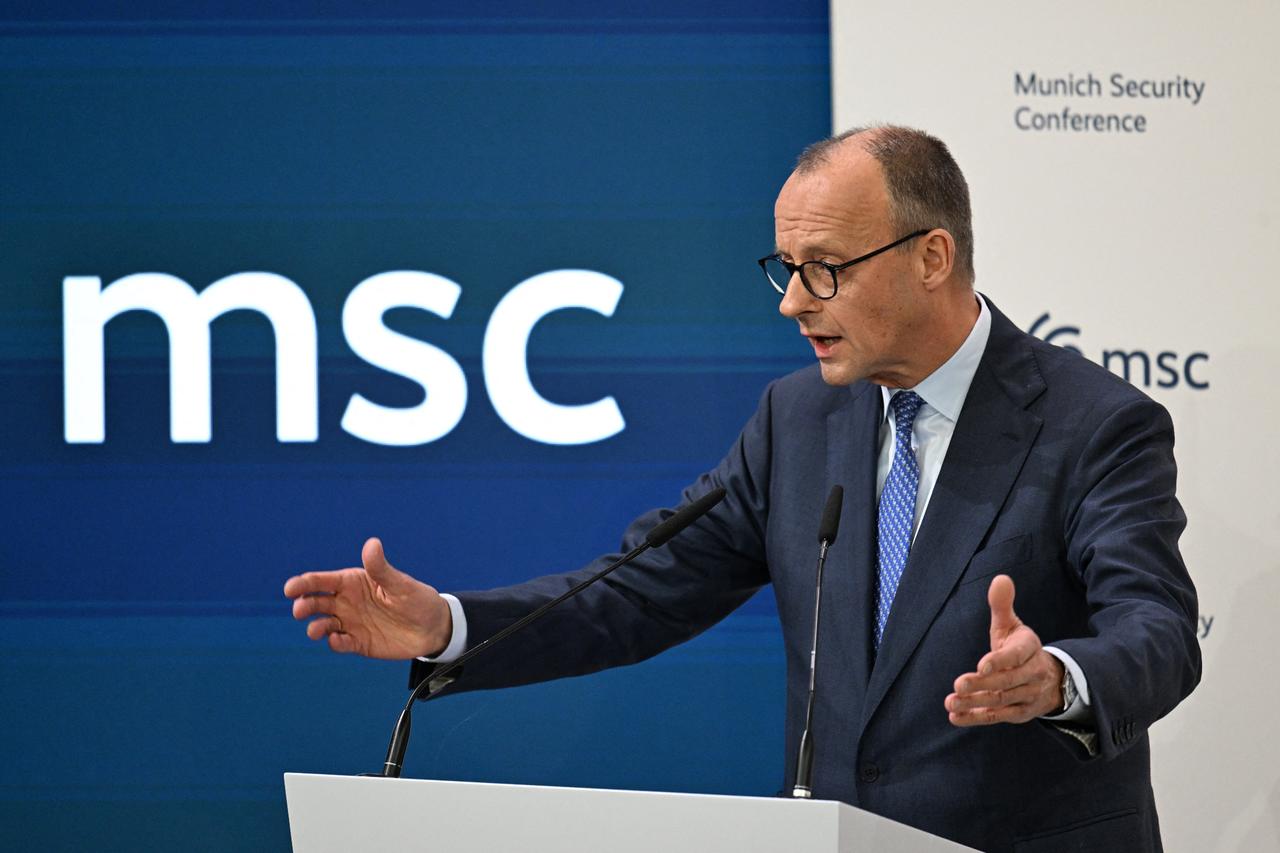
Chancellor Merz emphasized that the unipolar era ended with China’s rise. While Beijing seeks to shape the new order, he argued, Europe—if united—can shape an order that protects its interests and values. Merz called for a renewed transatlantic alliance built on greater balance and shared responsibility.
Central to his vision is a Europe that assumes a stronger role in safeguarding its own security and prioritizes a self-sustained European pillar within NATO. He also underscored the need to cooperate with middle powers, including Türkiye, to reduce dependence on the United States.
Merz made it clear that Germany and the European Union are very different from the values promoted by Washington, including the culture wars of “Make America Great Again,” tariffs and protectionist policies, and the idea that speech that undermines the rule of law or human dignity should be defended as freedom of expression.
By contrast, he reaffirmed Europe’s commitment to free trade, climate agreements, the World Trade Organization, and multilateralism. As WTO Director-General Ngozi Okonjo-Iweala noted on the sidelines of the Munich conference, while the United States accounts for 13 percent of global imports and 11 percent of world trade, the remaining 89 percent of the world cannot be ignored.
Prime Minister Carney similarly argued in Davos that middle powers must cooperate to withstand great-power rivalry.
Finland’s President Alexander Stubb added in Munich that partnerships built solely on shared values are insufficient to resolve challenges in trade, conflict, climate, or technology; Europe must deepen cooperation with middle powers.
For Europe, the era of unquestioned reliance on the United States is over. By diversifying its commercial, political, and defense partnerships and increasing its military capabilities, Europe must reduce its dependence on Washington.
This is no longer about navigating a four-year presidential term with minimal damage, as in Trump’s first term. The old order—and the old assumptions about friendship—has ended; a new one must be built.
Europe can strengthen its political unity and cooperate with medium-sized powers to secure gains in trade and security by diversifying its alliances to show it is not dependent on Washington. Otherwise, it risks becoming a pawn in a U.S.-driven order that serves only American interests. In such a context, how long can the European Union afford to sideline Türkiye—the only middle power that is also a formal ally—over political grievances?
In the coming years, we may witness competing models advanced by the European Union and the United States, rooted in diverging interests and values. Which model prevails will depend in part on the choices made by middle powers.
The Trump-led “Board of Peace” may well serve as a laboratory for this unfolding experiment.
But let us not forget that it is not only leaders who can shape the world order. As Kissinger once wrote, “Any system of world order, to be sustainable, must be accepted as just—not only by leaders, but also by citizens.”
In this light, the collapse of the old order today highlights the challenge for any new one: it must be both strong and just.


 Set as preferred source
 Set as preferred source


 1 min read
 1 min read