Newsletters


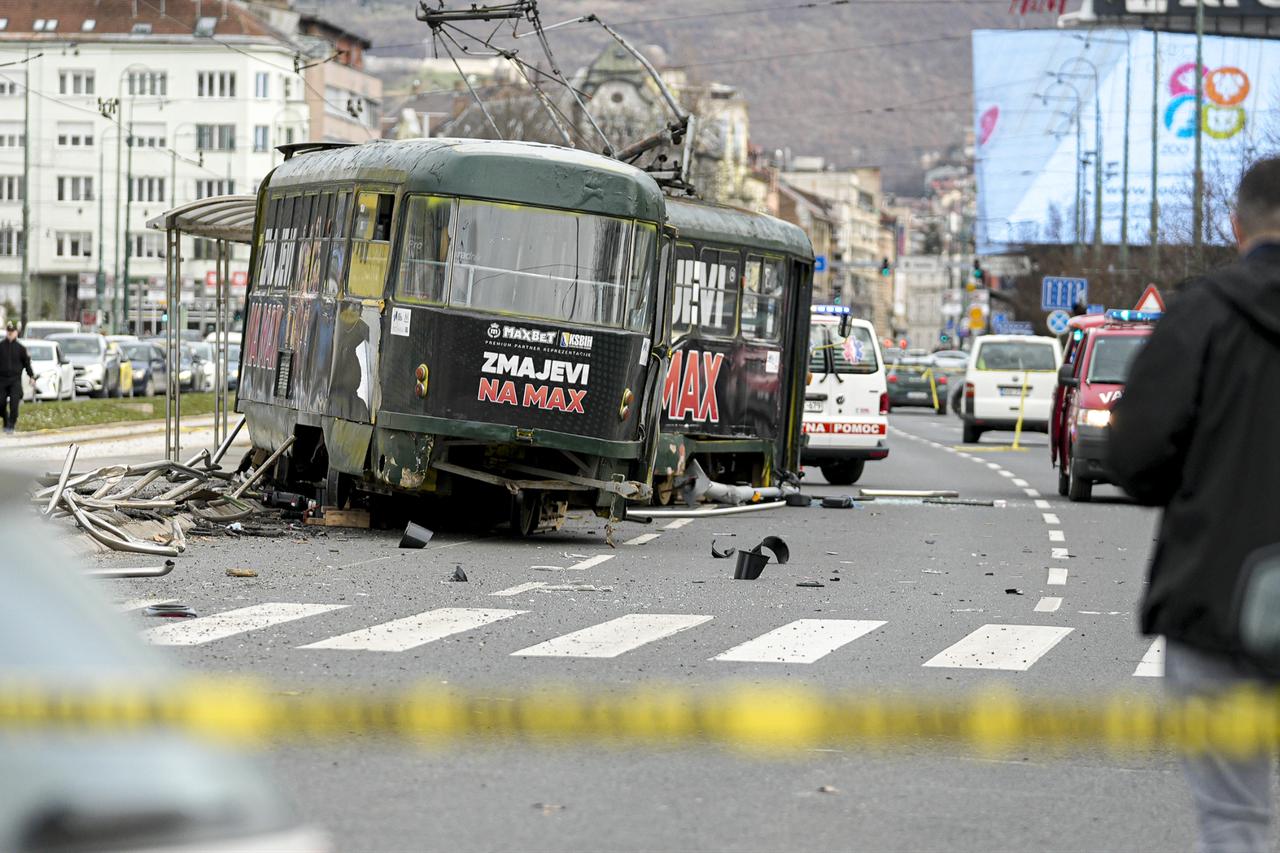


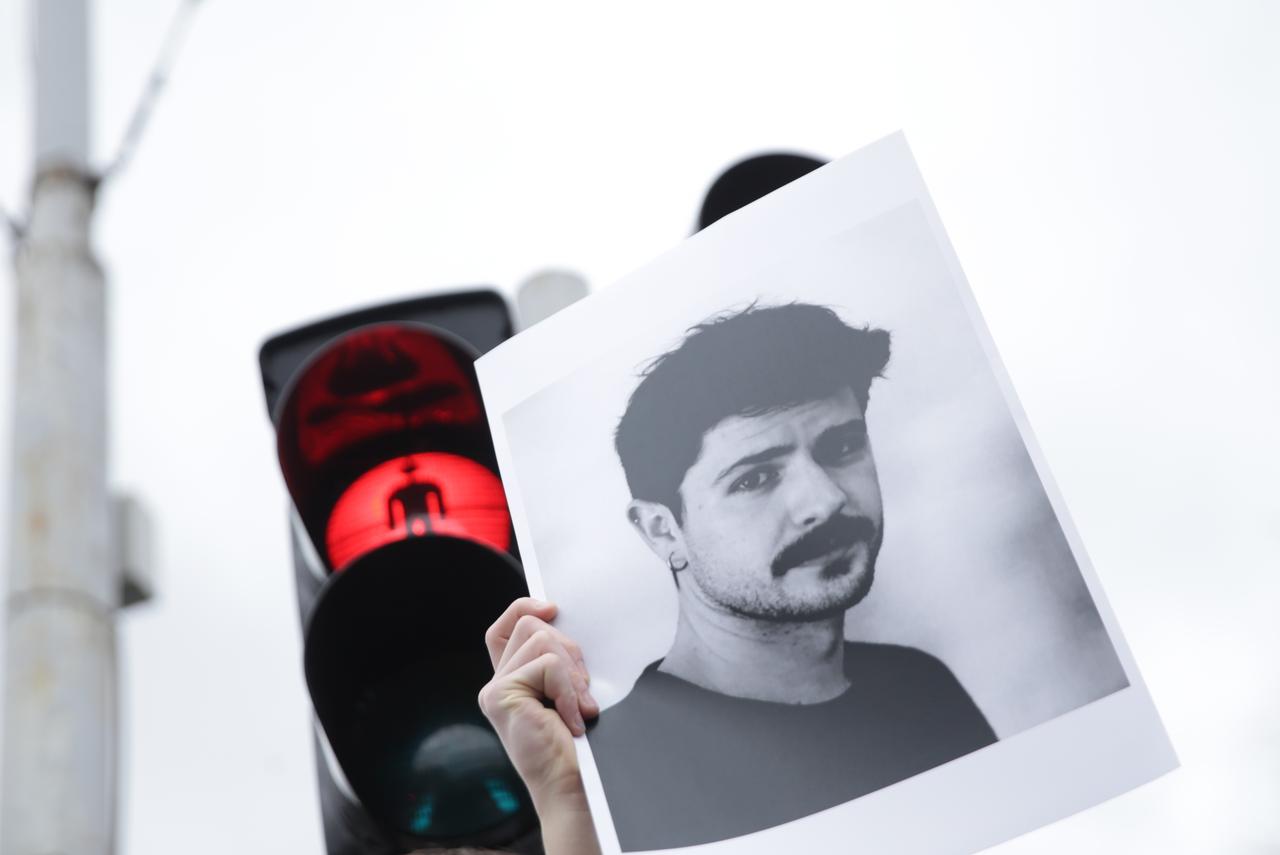
A young Bosnian student, Erdoan Morankic, boarded a tram in Sarajevo. Hailing from Brcko, a small town in the northeast, he had come to the capital to study the arts. He might have been heading to class, meeting friends, or simply lost in thought—listening to his favorite song, thinking about his future, or wondering, as many in Sarajevo often do, why the city’s trams were still so old.
Then, without warning, the tram suddenly accelerated and derailed.
The life of a 23-year-old man ended in the middle of rush hour and the entire city seemed to stop. It took hours for rescuers to pull Erdoan’s body from the wreckage.
He had a twin brother. He had parents whose lives changed forever in a single afternoon.
As the public waits for officials to explain what happened, early indications once again point to negligence and chronic governance failures.

The tram was old, yes, but more troubling are the questions about its maintenance and oversight. Yet as is so often the case in Bosnia and Herzegovina, tragedy quickly turned political. With elections approaching, parties traded blame, officials competed over who could deliver the strongest reaction, and responsibility dissolved into familiar partisan noise.
But Erdoan Morankic’s death is about something deeper. It has altered Sarajevo itself.
Anyone who knows the city understands that the tram is more than public transport. The first tram line was introduced in 1885 under Austro-Hungarian rule, making Sarajevo one of the earliest cities in Europe to operate an electric tram system. For generations, it symbolized modernity and urban continuity.
During the 1990s, as Sarajevo endured the longest siege in modern European history under the aggression of the Bosnian Serb Army, trams stopped running. Those who survived shelling and sniper fire dreamed of the day they would see them moving again. The return of the tram after the war was not just about transport. It was about survival.
Today, it symbolizes tragedy.
History is not being erased by war this time, but by neglect and political irresponsibility. Three decades after the siege, citizens still ride ageing trams while corruption hollows out institutions. While much of Europe upgrades its infrastructure and accelerates its development, Sarajevo is stuck. When systems designed to carry people safely begin to take lives, public trust collapses.
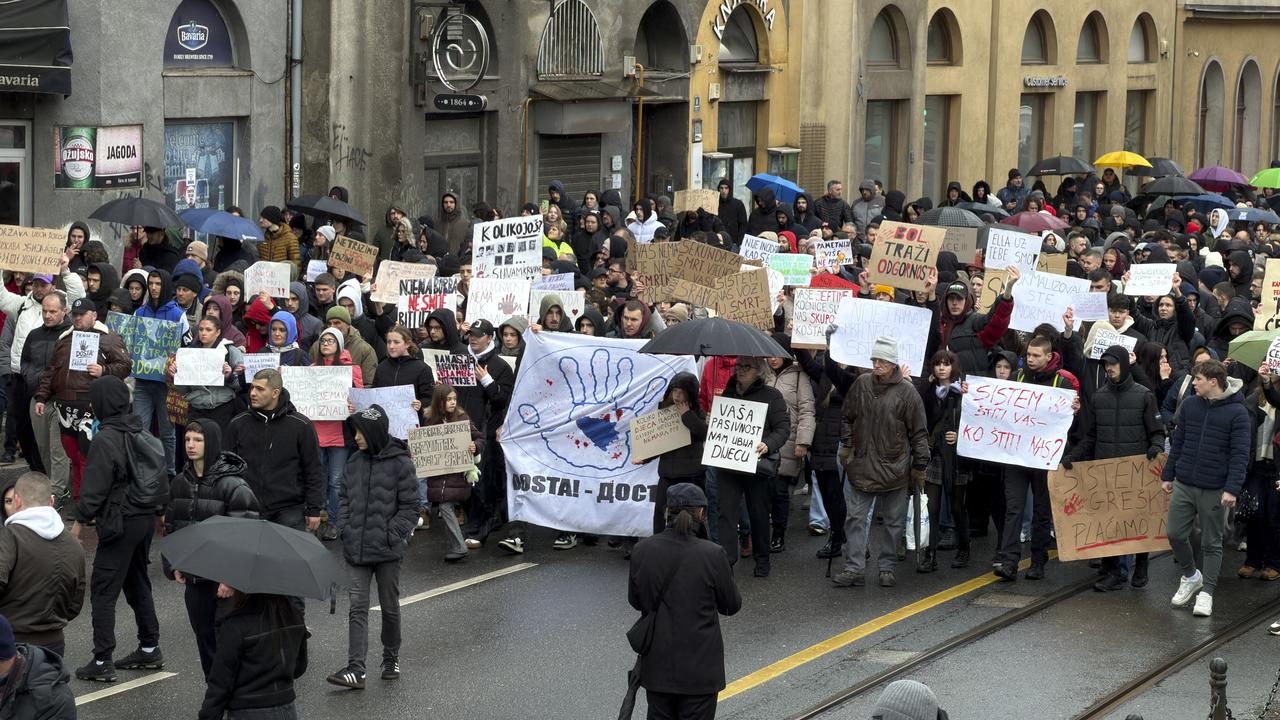
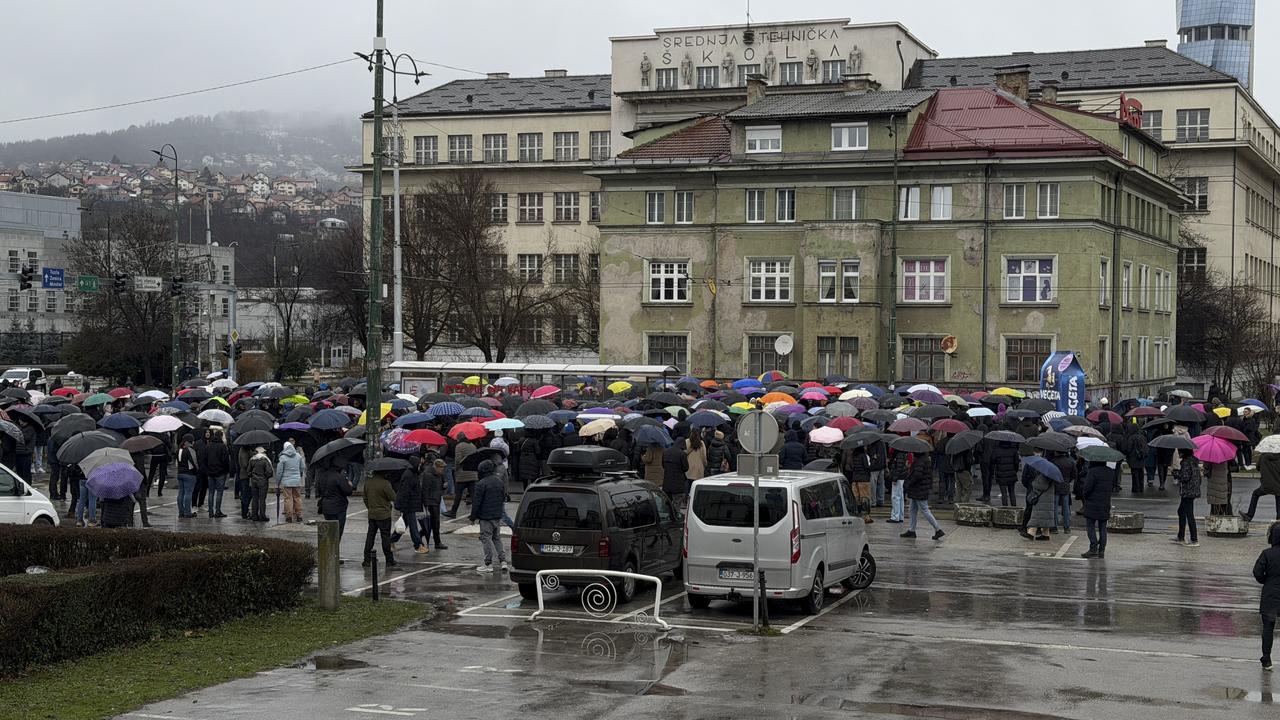
Hundreds of young people have taken to the streets in protest for days. Many say the entire political system must be replaced. They blame all sides of the spectrum. They are angry and desperate for a state capable of providing security, health care and a viable future.
Youth unemployment in Bosnia and Herzegovina remains among the highest in Europe, hovering around 30% in recent years, according to international labour data. The European Union has repeatedly warned of accelerating brain drain across the Western Balkans, with tens of thousands of young people leaving annually in search of work and stability.
According to international surveys, Bosnia and Herzegovina ranks near the bottom in Europe in trust in institutions and perceived opportunity.
Many of these young protesters were raised by parents carrying trauma from the 1990s, in a city that often feels suspended between memory and stagnation.
The tram tragedy is not an isolated incident in the region. In 2024, in the Serbian city of Novi Sad, a concrete canopy collapsed at the railway station, killing 14 people and injuring several others. The structure had been part of a recently renovated station building. The disaster sparked mass protests and demands for accountability. It exposed, once again, the cost of systemic negligence. The official documents were not fully released despite the outrage.
International coverage of the Balkans often focuses on ethnic divisions, threats of renewed conflict or foreign powers competing for influence. It cites corruption indexes, GDP figures and instability metrics. But behind every statistic is a life. And in the Balkans, corruption kills.
 2 min read
Bosnia and Herzegovina, along with the wider Western Balkans, deserve more than to be treated as a geopolitical footnote. These countries are EU candidates and openly voice their ambition to join the European Union, aspiring to European standards in infrastructure, health care, and governance.
Yet for many young people, faith in the enlargement process is fading as progress stalls and reforms lag.
The EU is right when it says responsibility begins at home. But responsibility also begins with dignity. A state that cannot guarantee the safety of a young man on his way to class cannot speak credibly of European futures, reforms or strategic visions.
If the truth remains locked within political offices and accountability remains negotiable, then more young people will either leave this country or be crushed by the weight of its dysfunction.
The question is no longer whether the system is broken. The question is whether this generation of Balkan youth will ever be allowed to fix it.


 Set as preferred source
 Set as preferred source


 1 min read