

 Newsletters


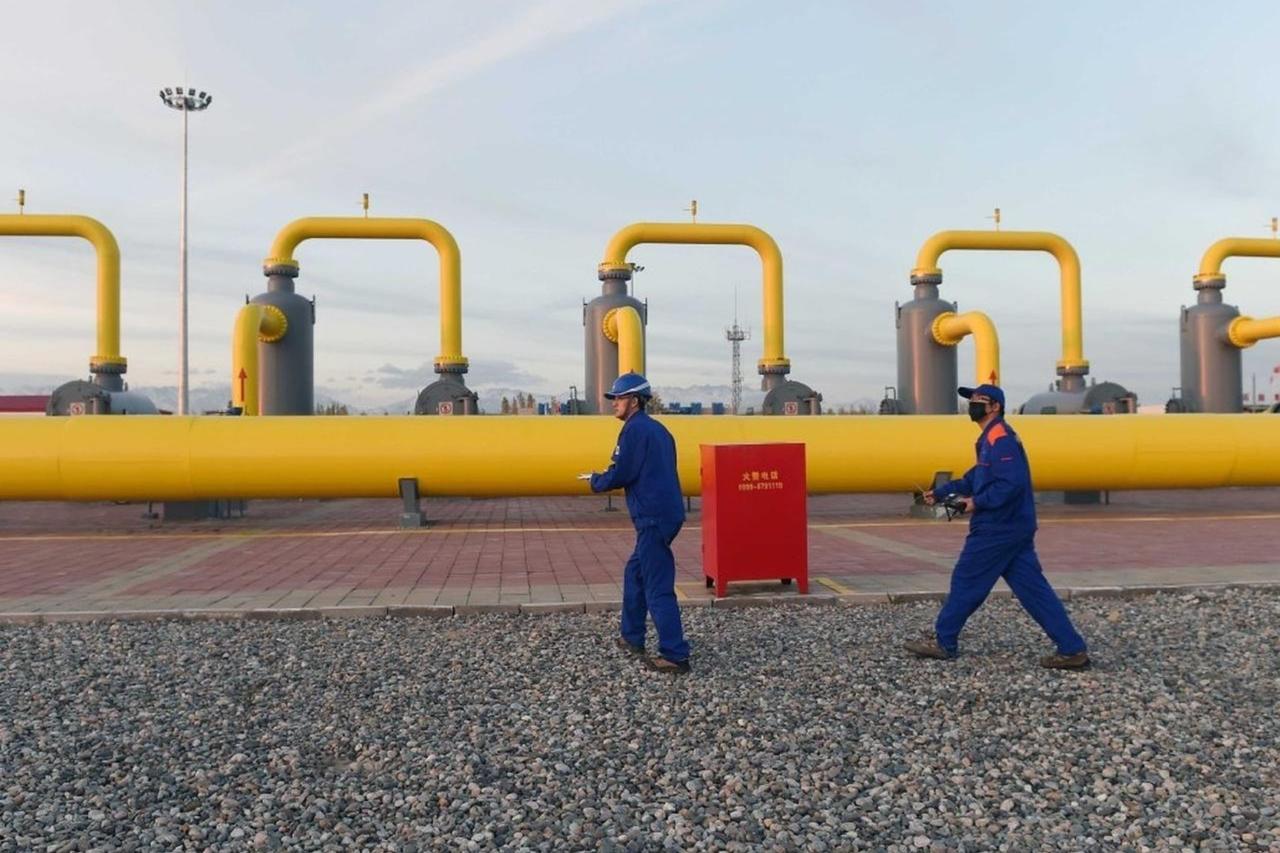


Power of Siberia 2 is easy to describe and hard to close. On paper, it is a planned gas line from Russia’s Yamal region through Mongolia to northern China, with a proposed capacity of 50 billion cubic meters (bcm) a year.
In politics, it is a symbol of deepening Russia-China energy ties but in commercial reality, it remains unfinished.
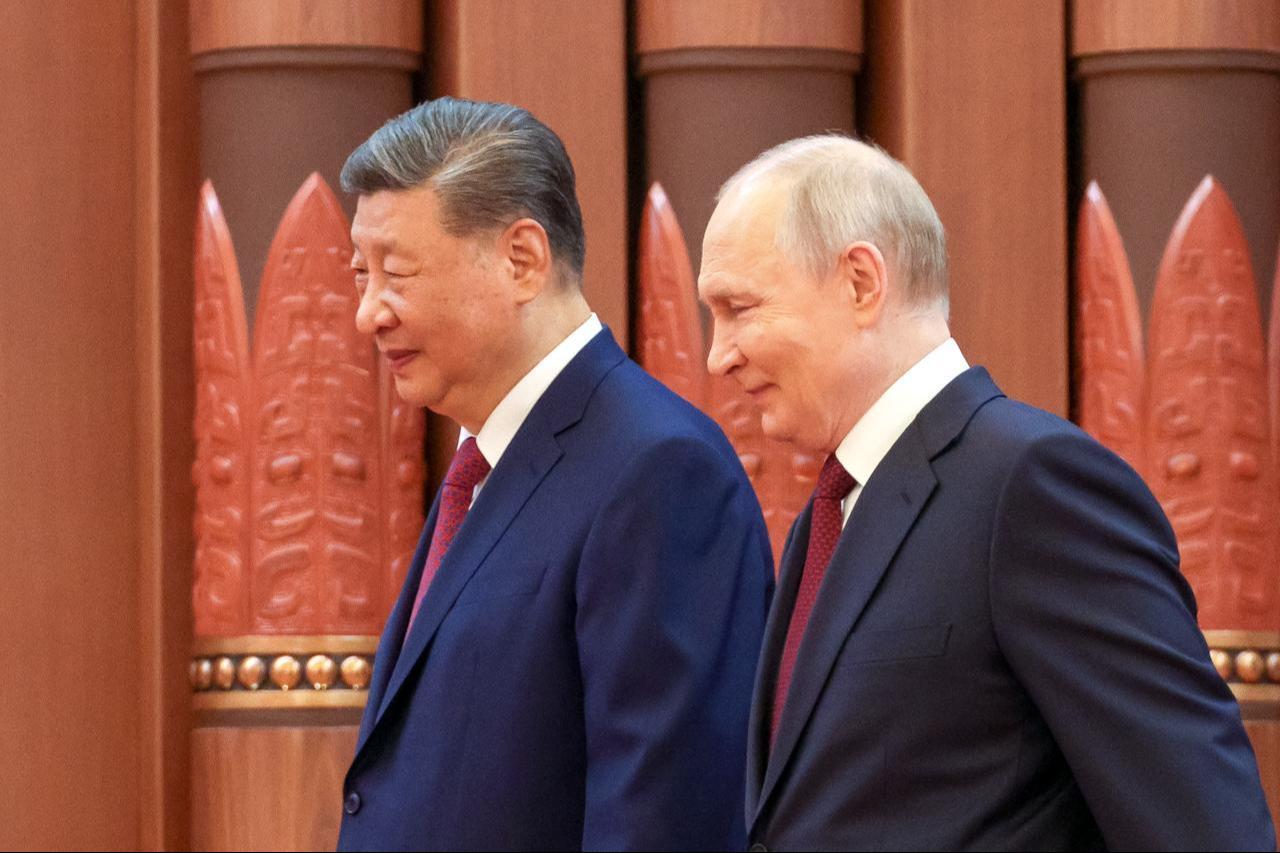
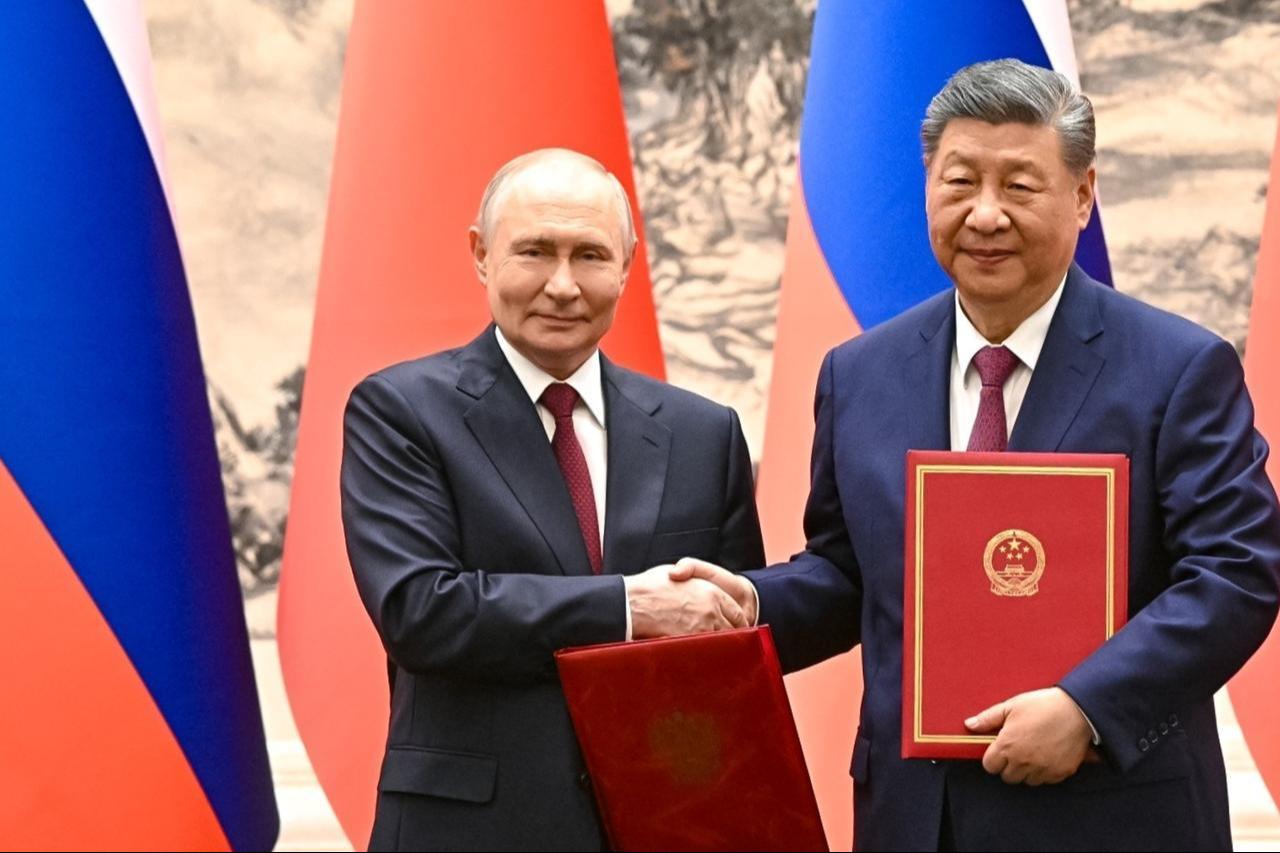
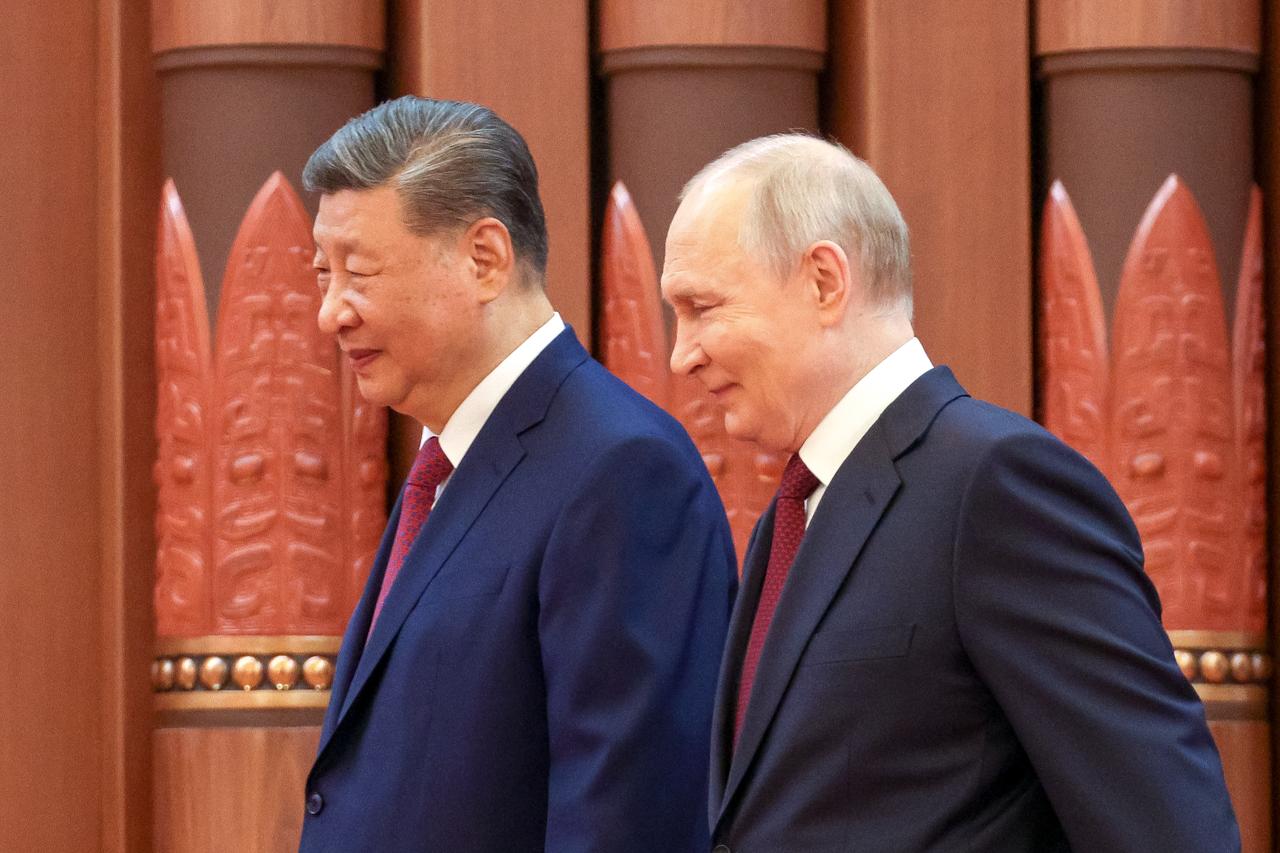
So why does this distinction matter? After the Putin-Xi talks in Beijing, the Kremlin said the two sides had reached a general understanding, but no final timetable.
The route and construction method appear clearer; meanwhile, the price, financing, offtake terms and start date remain up in the air.

The project is not a new idea. It grew out of earlier attempts to send western Siberian gas to China, first through the Altai concept and later through Mongolia.
The route now discussed as Power of Siberia 2 would be different from Power of Siberia 1. POS-1 carries eastern Siberian gas to China and reached its contractual plateau only after years of construction and ramp-up. POS-2 would draw on western Siberian resources that were historically tied to Russia’s European gas system.
That is why Moscow cares so much. Russia cannot redirect pipeline gas as easily as oil or LNG.
After 2022, the sharp contraction of Russian pipeline gas exports to Europe weakened the old Gazprom export model. POS-2 offers a way to monetize gas that has fewer outlets than before. But it would not recreate the old European business model.
Russian official forecasts imply lower China-bound prices than those expected for Europe and Türkiye, with 2027-2029 estimates cut to $224-236 per 1,000 cubic metres.
The engineering case is stronger than the commercial one. The Oxford Institute for Energy Studies notes that POS-2 would not require the same upstream work as POS-1, because the gas can come from existing spare capacity in Yamal and Nadym-Pur-Taz.
It also says that, if an agreement were reached by the end of 2026, first gas could arrive around 2030 or 2031, with a more meaningful ramp-up by 2035. The line can be built. The harder question is whether it can be priced.
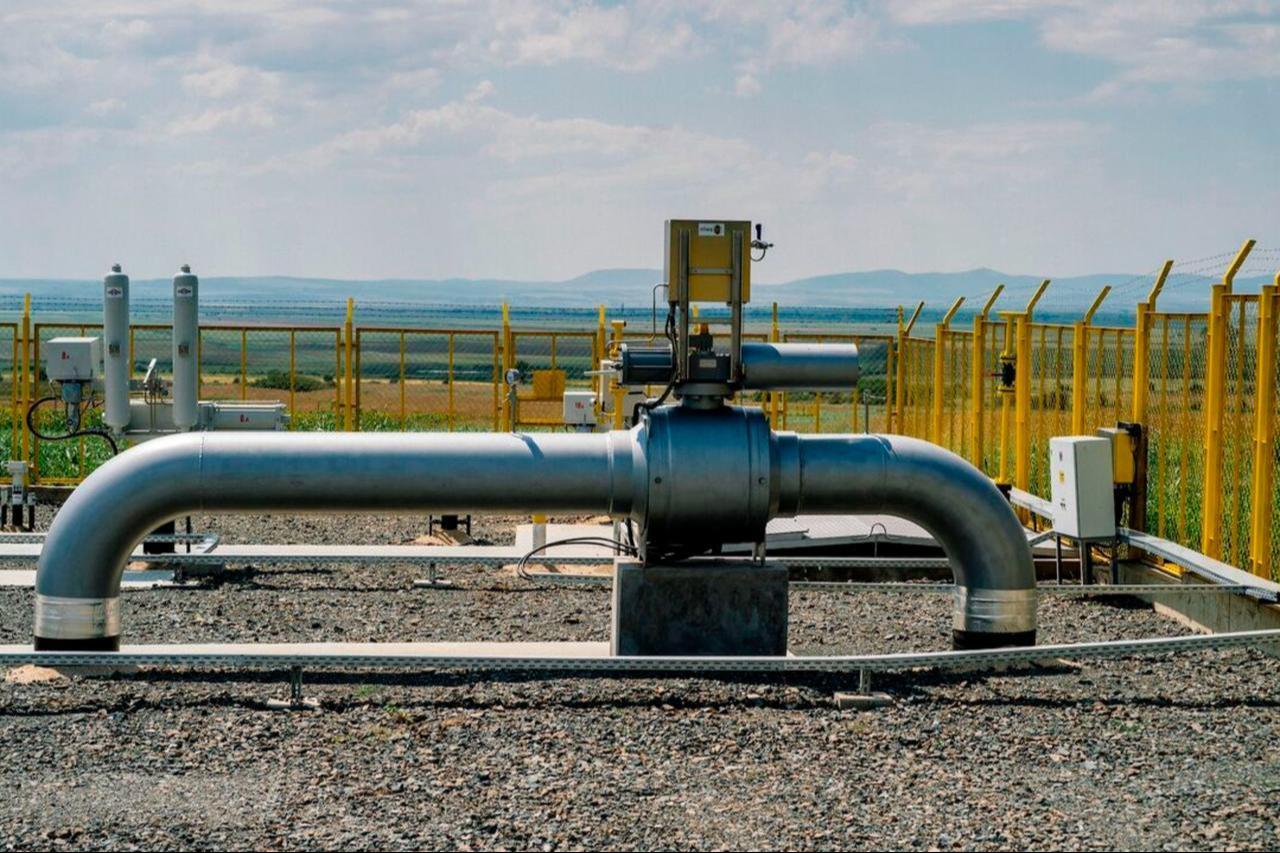
China has reasons to want the line, but fewer reasons to rush. The Hormuz shock strengthened the case for overland gas.
The International Energy Agency (IEA) estimated that the effective closure of the strait removed almost 20% of global LNG supply for the time being and pushed Asian and European gas prices sharply higher.
EIA data also show that about one-fifth of global LNG trade transited Hormuz in 2024, mostly from Qatar and mostly toward Asia.
For Beijing, POS-2 would reduce exposure to tanker routes, insurance costs, freight volatility and maritime chokepoints.
It would also give Chinese buyers another instrument when negotiating with LNG sellers. That does not mean China wants to replace one dependency with another. A pipeline from Russia lowers maritime risk, but it also raises supplier concentration risk.
China’s alternatives explain its patience. Official data show that domestic gas output by industrial enterprises above the designated size reached 261.9 bcm in 2025, up 6.2% year-on-year.
That growth does not remove China’s need for imports, but it gives Beijing more room to bargain over timing, price and flexibility. Chinese companies also have LNG contracts and Central Asian pipeline options.
For example, in April, China and Turkmenistan signed a deal under which CNPC will build 10 bcm of additional processing capacity at Galkynysh.
The commercial dispute can be framed around price, flexibility and timeframe. One sticking point is the take-or-pay clause: CGEP research center notes that China seeks to lower the minimum annual offtake from a typical 80% to 50%, which would protect Beijing from overcommitting but raise the risk of underutilization for Russia.
If POS-2 is completed and filled, it would surely matter for global gas markets. It would add large volumes of pipeline gas into China in the 2030s, just as LNG exporters expect a new supply wave.
CGEP estimates that POS-2 and the expansion of other Russian routes could add 58 bcm a year of pipeline capacity to China.
Even partial utilization could weigh on LNG sellers’ expectations in the early 2030s, especially because China is expected to be a major buyer just as a large wave of new LNG export capacity enters the market.
The effect should still be kept in proportion. POS-2 would not end Chinese LNG demand. Chinese buyers have different needs across provinces, seasons and companies.
LNG can be diverted, resold and used flexibly. Pipeline gas is cheaper and more secure once built, but it is less flexible.
In this context, S&P Global’s point is that if U.S. LNG again becomes commercially easier for Chinese buyers, Beijing would have more portfolio flexibility and less reason to hurry into a Russian pipeline contract on Moscow’s preferred terms.
Nor would POS-2 fully replace Russia’s lost European market. The volume is large, but the price and bargaining structure are different.
Russia would gain a major outlet. China would gain a long-term hedge, while Russia would become more exposed to the preferences of a single large buyer.
The Mongolia route adds another layer. The Soyuz Vostok route through Mongolia avoids some of the complications of the older Altai concept and gives Mongolia a possible transit role.
But it also means the project depends on a third country, not only on Russia and China. That does not block the project. Instead, it does make the timeline less automatic than the political language implies.
For Türkiye, the relevance of POS-2 lies less in geography than in bargaining conditions. A larger Russian outlet to China would not transform Türkiye’s gas position in the short term.
Yet over the longer run, it could affect the background against which Ankara negotiates gas prices, contract renewals and hub arrangements with Moscow.
Türkiye, unlike the EU, has so far extended 22 bcm of Russian gas contracts for only one year, which makes future bargaining conditions more important than pipeline symbolism.
The LNG angle is also worth watching. If Chinese buyers eventually take larger volumes of Russian pipeline gas, part of China’s future flexible LNG demand may be delayed or reduced.
Again, that would not automatically lower Türkiye’s import costs, but it could ease competition for some spot or portfolio cargoes in tight periods. For an importer with both pipeline exposure and LNG optionality, this matters at the margin.
The broader lesson is narrower than the usual “energy corridor” language suggests. POS-2 does not make Türkiye relevant to the Russia-China gas equation.
It does, however, confirm that overland routes regain value when maritime chokepoints, insurance costs and LNG price volatility become more acute.
For Türkiye, the question is not whether every corridor project is strategic. The question is whether supply, demand, transit reliability and contract design can be aligned well enough to make a corridor bankable.


 Set as preferred source
 Set as preferred source


 1 min read
 1 min read



