Newsletters


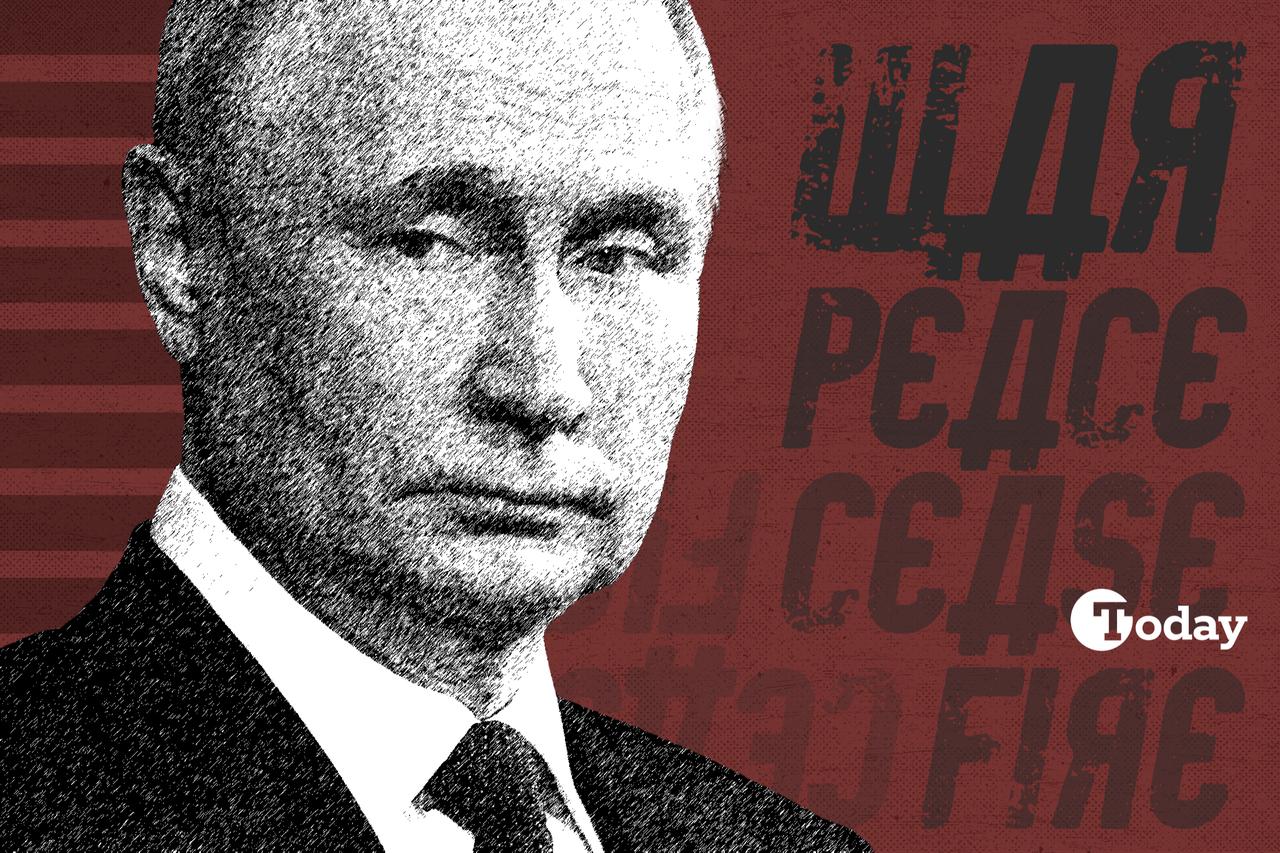


No tanks, missiles, or nuclear launchers were displayed at this year's May 9 Victory Day Parade in Russia.
The Red Square Ceremony—marking the defeat of Nazi Germany and traditionally used to project Russian power—was the least impressive in 20 years.
Days before the event, a Ukrainian drone struck a building in Moscow, raising fears of further attacks. Authorities restricted media coverage, shut down mobile internet in Moscow and St. Petersburg, and limited foreign attendance.
A three-day ceasefire was arranged through the United States, while Ukrainian PresidentVolodymyr Zelenskyy issued an order “allowing” the parade to proceed without Ukrainian strikes. The measures reflected growing anxiety in Russia and increased Ukrainian pressure after more than four years of war.
After the parade, Putin told journalists about the war, “I think that the matter is coming to an end,” and said he was open to negotiating new European security arrangements. The remarks may have been aimed at portraying Russia as open to a deal, shifting blame to Ukraine, or easing domestic war fatigue.
Zelenskyy responded to Putin’s remarks and last week published an open letter addressed to him, calling for the resumption of peace talks, reaffirming Ukraine’s position in favor of peace, and proposing a ceasefire. He directly addressed Putin and invited him to a one-on-one meeting.
Written in a pointed tone, the letter highlighted Russia’s war fatigue, public discontent, Ukraine’s resilience and battlefield gains, and that the 73-year-old Russian leader has fewer resources to achieve his goals. Released a day after Ukraine struck a warehouse near St. Petersburg before the opening of an economic forum attended by Putin, it also implied that Russia cannot fully protect its major cities. Zelenskyy opened his letter by stressing the success of Ukrainian long-range drones striking targets over 1,000 kilometers away.
Responding to Türkiye Today’s questions, Maryna Vorotnyuk, associate fellow at the Royal United Services Institute for Defense and Security Studies, said that the letter had come at a time when Ukraine had solidified its initiative on the battlefield and is striving to set the agenda for negotiations. "The goal was to show that Ukraine remains open to negotiations and intends to come to the table from a position of strength rather than weakness," she added.
In response to the letter, Putin said at a conference in St. Petersburg that the letter contained “some rather rude remarks,” and that he saw “no point” in meeting Zelenskyy until a peace deal had been agreed, adding that a ceasefire would only allow Ukraine to regroup.
After more than four years of war, Russia is far from achieving its desired swift victory. The two countries remain locked in a war of attrition, while Russia faces growing challenges both on the battlefield and within its economy. As Vorotnyuk notes, there is an increasing perception that Russia is not winning, while Ukraine is far from being defeated.
Furthermore, Zelenskyy focused on Russia’s military, economic, and moral fatigue in his letter. Referring to Russian history, he noted: “When Russia grows tired, change comes.”
Zelenskyy highlighted heavy Russian losses, claiming 63% of Russian losses were fatalities, and 37% were injuries, with over 30,000 soldiers losing their lives every month. In April, the losses reportedly peaked at 35,000 casualties, meaning Russia has recruited fewer troops than it loses since December 2025. Total Russian losses are estimated at over 1.3 million since the war began.
Despite aiming to seize full control of Donbas, Russia made only limited gains in 2025, with many analysts saying momentum shifted toward Ukraine in early 2026. Russia’s spring offensive in Donetsk didn’t provide any results, while Ukraine is now retaking more territory than it loses, with some assessments suggesting Russia could end 2026 with little or no net territorial gains.
Last month, Ukraine disrupted Russia’s main supply route to Crimea and southern Ukraine by using drones to control the surrounding area. This made it significantly harder for Russia to transport supplies, contributing to fuel shortages in Crimea.
Furthermore, Ukraine has expanded its domestically produced long-range drone and missile capabilities and launched strikes on key Russian energy and economic targets, hitting oil depots, refineries, and export facilities more than 1,000 kilometers behind Russian lines—as demonstrated by the recent St. Petersburg strike—thereby increasing pressure on Moscow’s economy.
Vorotnyuk notes that Russian advances have largely stalled, while Ukraine has regained some initiative through medium-range drones. They disrupt logistics and create a “logistical lockdown” in Russia’s rear areas, while long-range strikes target Russia’s economy and infrastructure.
The war has significantly strained the Russian economy, driving up prices, taxes, borrowing costs, and causing business closures and labor shortages, its toughest conditions since 2022. Despite brief relief from higher oil prices and eased U.S. sanctions due to the Iran war, Ukrainian strikes on energy infrastructure and Western sanctions pushed the economy to contract by 0.2% in early 2026—the first decline in three years—while growth forecasts were cut to just 0.4%.
Russia’s budget deficit reached about $83 billion in the first four months of the year, and a leaked finance ministry warning suggests war spending could exceed the 2026 budget by at least $28 billion. Putin also warned that the deficit may widen over the year.
In addition, Zelenskyy's letter highlighted signs of declining morale inside Russia. Surveys show Russians view shutdowns of mobile internet, VPNs, and blocked messaging apps as the most painful restrictions, while anxiety had risen to 53%, up 7 percentage points from August 2024 amid internet limits and renewed talk of mobilization.
He said Russians are increasingly exhausted by Ukrainian strikes, inflation, fuel shortages, and digital restrictions, and do not want renewed mobilization or a prolonged war, arguing that Russia is running out of the resources needed to maintain public loyalty. In addition, Zelenskyy claimed that officials, businessmen, and propagandists are increasingly tired of the conflict and that most of the public wants it to end.
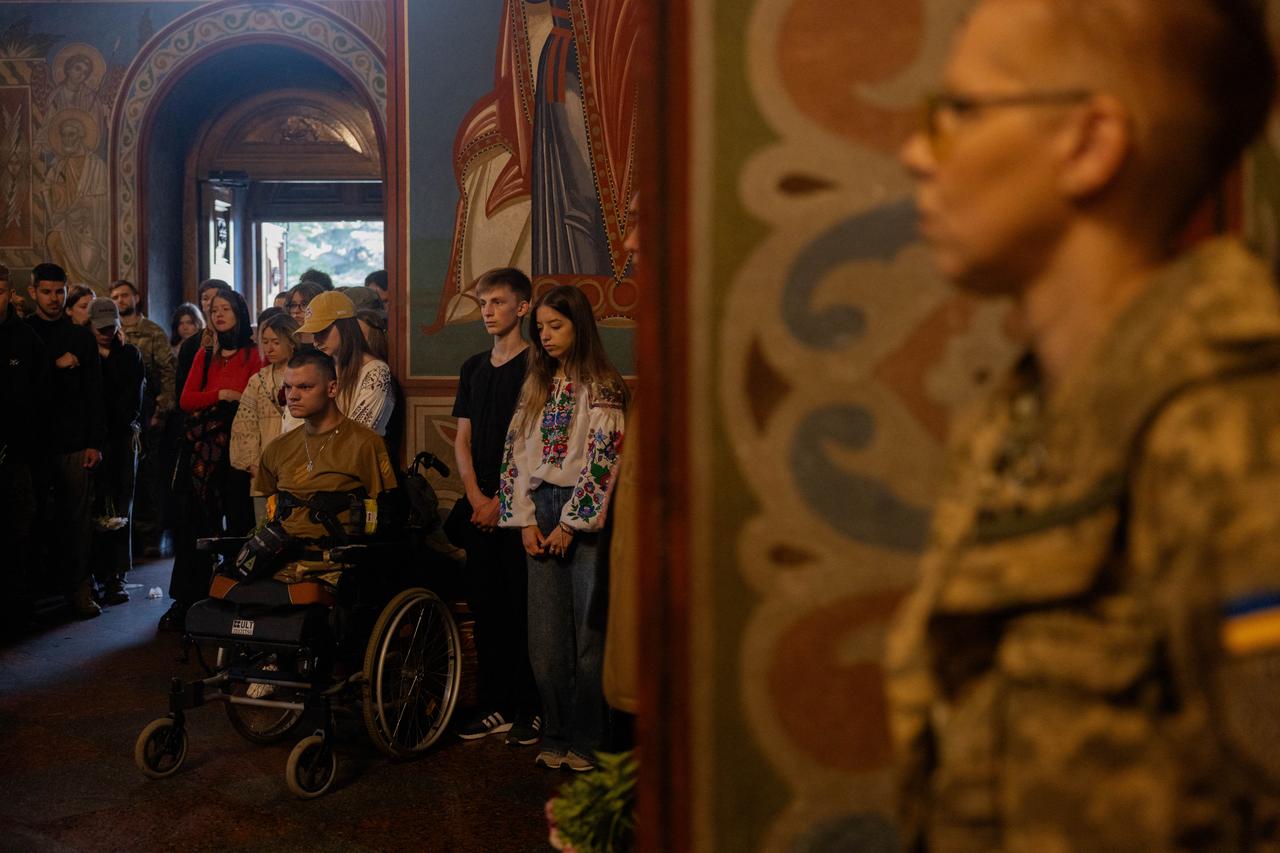

Zelensky’s letter also reflected a growing crisis of confidence in peace talks mediated by the United States, which have stalled due to the U.S.-Iran conflict. Arguing that the U.S. is “fully focused on the issue of Iran” and that it would be unrealistic to expect renewed American attention, Zelenskyy proposed direct negotiations while also signaling to European allies.
Vorotnyuk suggests that “the letter is also a signal to Ukraine’s allies—if we cannot rely on U.S. leadership, we need to move forward on our own.” After talks with European leaders on Tuesday, Zelensky accused Putin of misleading President Trump on territorial concessions and reiterated that Ukraine would not cede territory or allow decisions about its future to be made in bilateral U.S.-Russia talks.
Putin, meanwhile, has also said that Trump is focused on Iran and that the EU could discuss territorial concessions with Zelenskyy. Russia continues to demand that Ukraine withdraw from the occupied regions of Donetsk, Luhansk, Kherson, and Zaporizhzhia. Meanwhile, France, Germany, and the United Kingdom have backed direct Ukraine–Russia negotiations with U.S. and European participation.
According to Vorotnyuk, if talks resume soon, Ukraine will try to leverage its improved battlefield position in negotiations, while Russia is likely to continue pressing its territorial demands. “The Kremlin’s calculus appears to be to support the continuation of hostilities rather than accepting a ceasefire. Without a dramatic change in the situation on the battlefield, the status quo is likely to continue.”
Despite Ukraine’s battlefield progress, resilience, and signs of war fatigue in Russia, Russian attacks continue to cause destruction and casualties in Ukraine. Ukraine has made significant advances through innovations in drone and robotic warfare, but remains vulnerable to ballistic missile strikes and continues to rely heavily on external support.
Vorotnyuk emphasized that Ukraine’s recent gains cannot compensate for its strategic vulnerability due to insufficient air defense capabilities, noting that Russian ballistic missiles continue to terrorize Ukrainian civilians daily.
With the United States prioritizing the conflict involving Iran, the provision of Patriot systems may become more uncertain. Following last week’s Russian attacks, Zelenskyy stated that Russia launched 656 drones and 73 missiles in a single night and reiterated Ukraine’s need for support to defend against ballistic and other missile strikes. He argued that Europe should develop its own anti-ballistic defense system as a solution.
Vorotnyuk adds: “Zelensky’s idea is to produce air defense systems in Europe, while maintaining American involvement and oversight. The idea is to scale production and supply to Ukraine by bringing together the industrial capacities of Ukraine and its allies," and strengthening Ukraine’s resilience.
As the scaled-down Victory Parade showed, Russia’s greatest challenge may no longer be Ukraine’s resistance alone, but the growing political, economic, and military costs of a prolonged war.


 Set as preferred source
 Set as preferred source


 7 min read