

 Newsletters


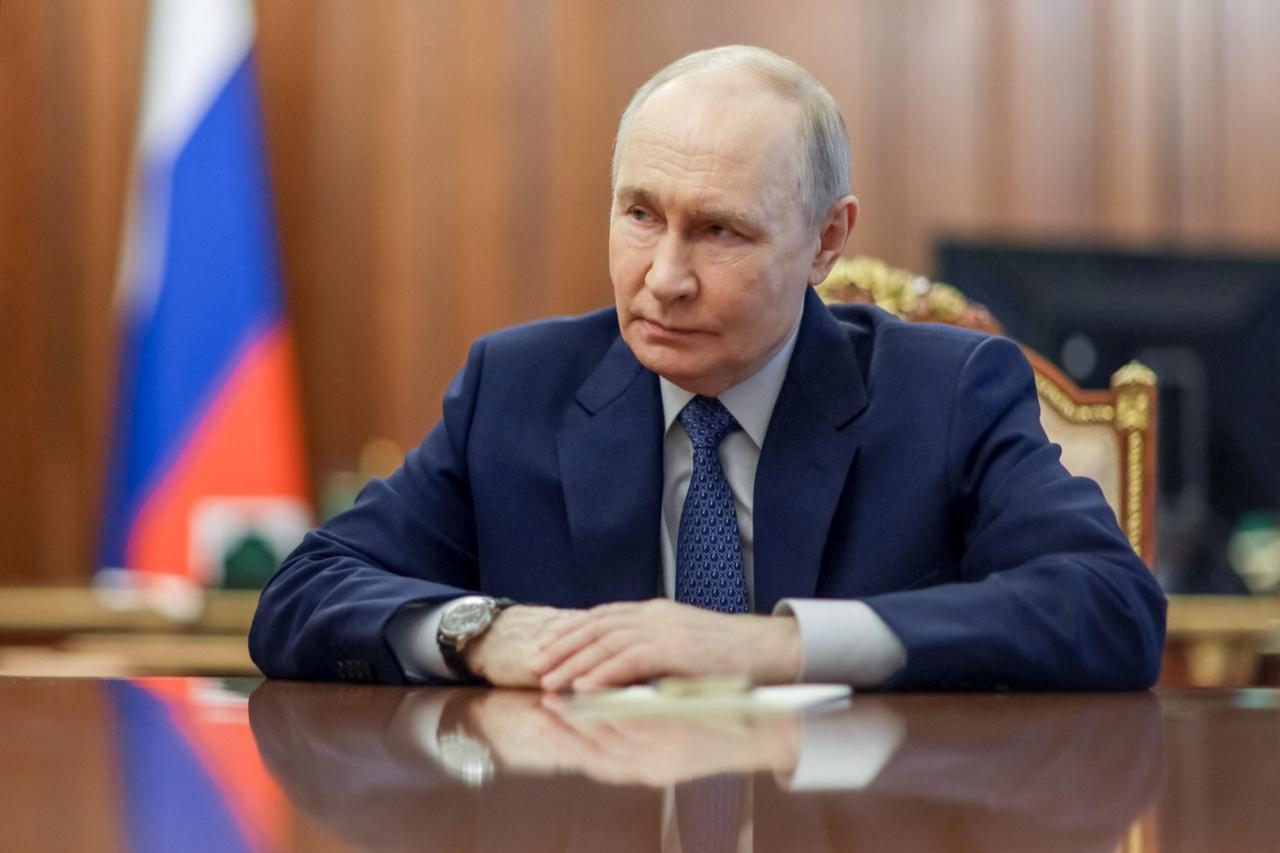


The Strait of Hormuz crisis hasn't restored Russia’s pre-2022 energy leverage; instead, it has achieved something more focused yet strategically significant: it has positioned Moscow as an indispensable alternative when traditional maritime chokepoints fail.
That distinction matters. Russia is not replacing the Gulf, and it is not regaining the European gas leverage it enjoyed before 2022. But the shock has changed the way importers measure risk.
U.N. Trade and Development (UNCTAD) data show that in 2024, 84% of crude oil and 83% of LNG moving through Hormuz were bound for Asia. For China, India and Southeast Asian importers, the crisis is far more than an abstract price narrative.
It is a reminder that energy security depends not only on barrels and molecules, but on routes. In that setting, Russian supply becomes less a bargain and more a hedge.
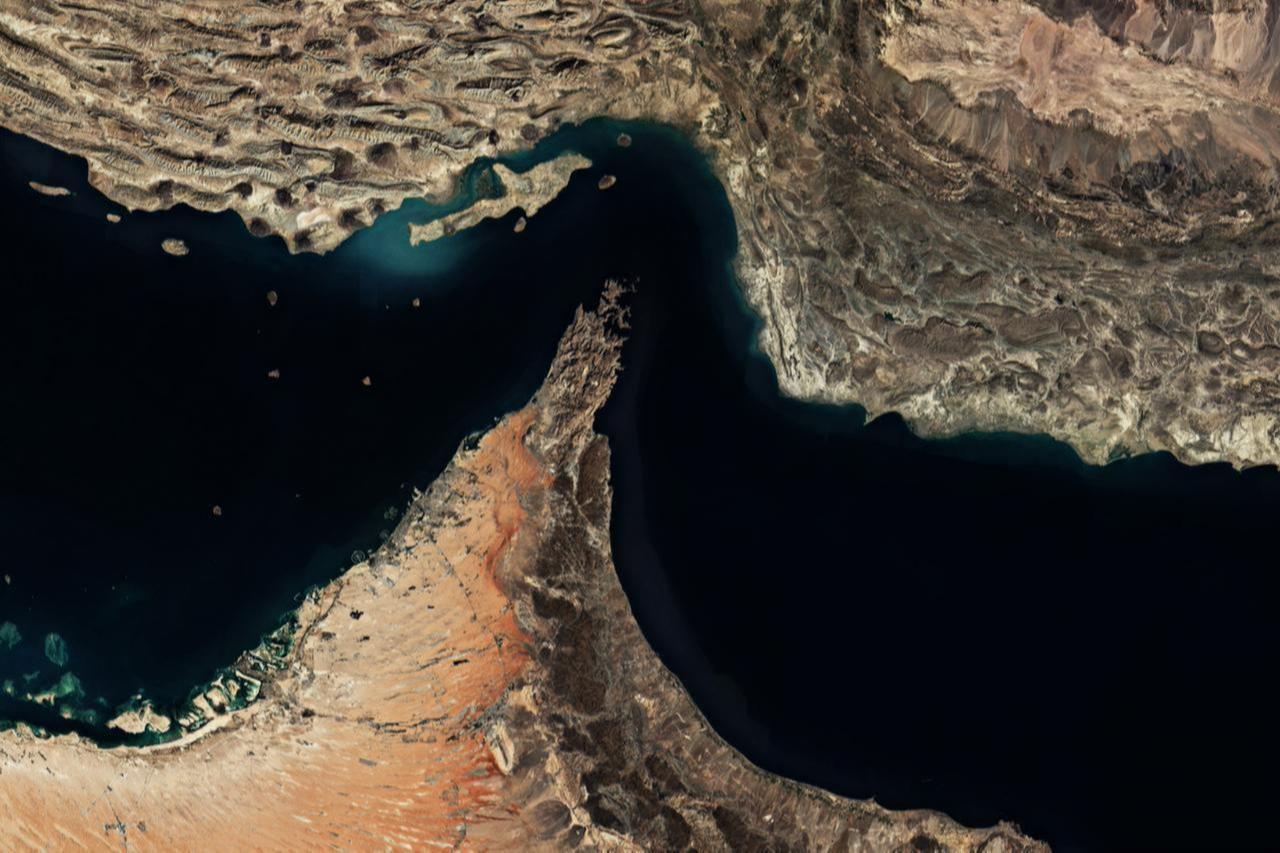

The scale of the disruption matters because Russia’s opening did not come from strength alone. It came from the sudden shortage of alternatives. In March, the IEA estimated that global oil supply fell by 10.1 million barrels per day, while observed oil inventories dropped by 85 million barrels.
By early April, daily transits of crude, natural gas liquids, and refined products through the Strait of Hormuz had plummeted to 3.8 million barrels per day (bpd), a staggering drop from the 20 million barrels averaged before the crisis. While alternative routes—specifically through Saudi Arabia, the UAE, and the Iraq-Türkiye pipeline—scaled up to meet the deficit, their combined capacity reached only 7.2 million bpd.
That still left an export loss of more than 13 million bpd. Kpler’s market tracking points in the same direction: roughly 11 million bpd of crude production was offline, and refinery cuts added further pressure to product markets.
Russia cannot fill this gap, but the gap makes every barrel outside Hormuz more valuable.
Russia’s immediate gain is real, but it should be described carefully. The main change is not that Moscow suddenly found many new markets. It is that the same restricted export system became more profitable under stress.
CREA estimates that Russia’s fossil fuel export revenues rose by 52% in March to €713 million ($833.44 million) per day, while export volumes increased by a much smaller 16%. That gap is the story. Russia benefited less from a dramatic expansion of supply than from the repricing of supply that was already moving.
Calculations point to the same fiscal effect: Russia’s mineral extraction tax on oil was expected to rise from 327 billion rubles ($4.35 billion) in March to about 700 billion rubles in April, helped by the jump in Urals crude.
The crisis also narrowed the Urals discount sharply, reducing the penalty Russia had been paying under sanctions. This does not make Moscow a new swing producer. It makes Russia a price beneficiary, and in a crisis market, that can still matter.
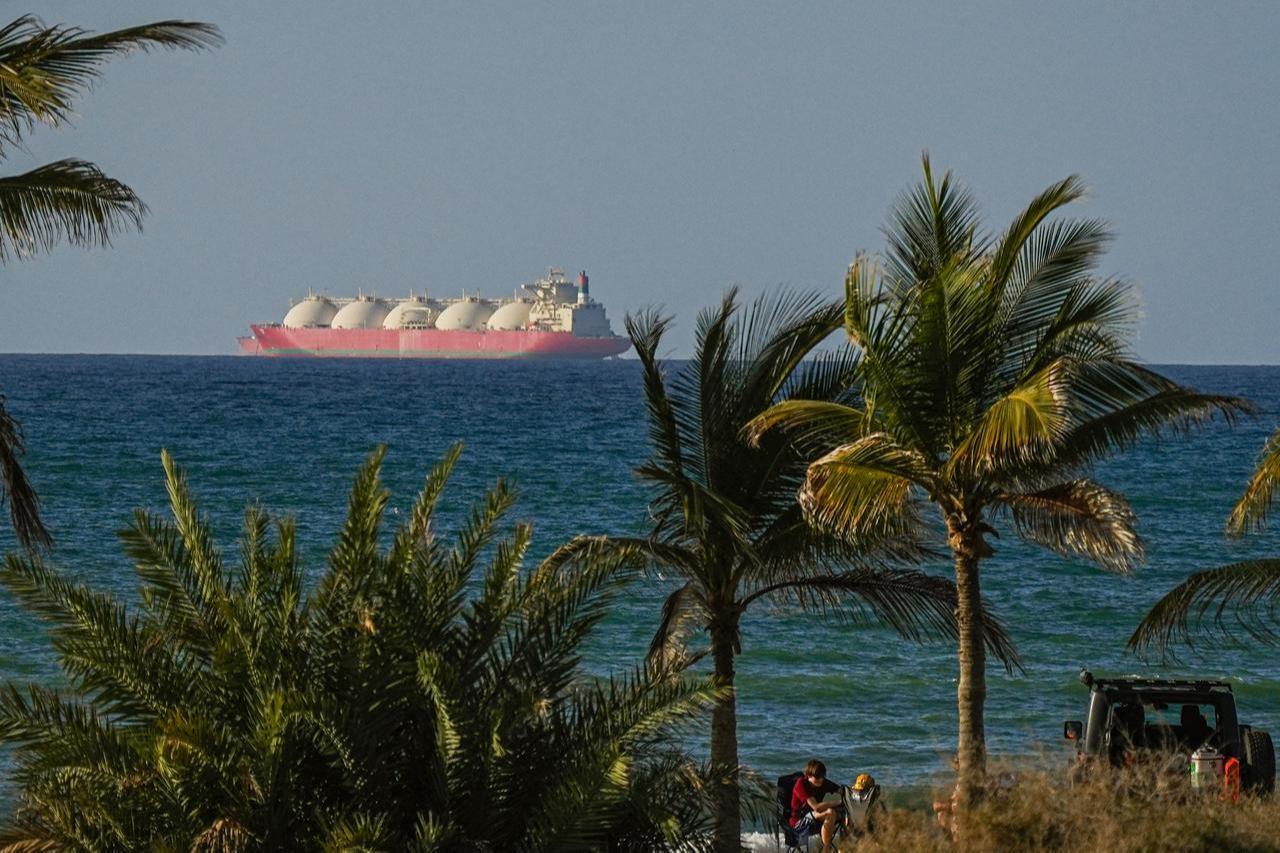
That is where the oil story and the gas story diverge. Oil is relatively flexible. It can move by tanker, change buyers, absorb discounts and reroute through sanctions-adapted shipping networks.
Gas is different. Russia still has enormous reserves, but it no longer has the export architecture that once turned those reserves into commercial and political leverage. Nord Stream is damaged, Yamal-Europe is politically closed, Ukrainian transit has ended, and the remaining TurkStream route is narrow and already close to its physical limit.
This is why the Hormuz shock can lift gas prices without restoring Russia’s old leverage. Higher prices help Moscow at the margin, but they do not create new pipelines, LNG carriers, insurance channels or premium buyers.
Oxford Institute for Energy Studies (OIES) modelling also warns against assuming a quick return to normal LNG flows after a ceasefire. Even if fighting slows, the market still has to process delayed loadings, damaged infrastructure, insurance risk and delivery lags.
Russia may benefit from that tightness, but it cannot quickly replace Qatari or Gulf LNG at scale. Its oil role is becoming more valuable, while its gas role is becoming more visible but not much more flexible.
The biggest change is visible in Asia, not Europe. For China, Russian energy now looks less like a discounted option and more like insurance against maritime risk. The Hormuz shock could deepen China-Russia energy ties through three channels: progress on Power of Siberia 2, greater use of the Northern Sea Route, and higher Russian helium exports to China.
That matters because the crisis is not only about crude oil. It is also about gas, shipping routes and critical industrial inputs. Once a Hormuz closure is no longer hypothetical, China and India will find it harder to treat Russian oil as optional.
They may still bargain aggressively, but they now have a stronger reason to keep Russian supply inside their portfolios. Southeast Asia points in the same direction, though in a more transactional way. Malaysia, Indonesia, Vietnam, the Philippines and Myanmar have sought Russian fuel as shortages spread across the region.
This should not be overstated as a political realignment. In Asia, Russia’s reputation is not necessarily improving. Its usefulness is. That is a narrower claim, but a stronger one.
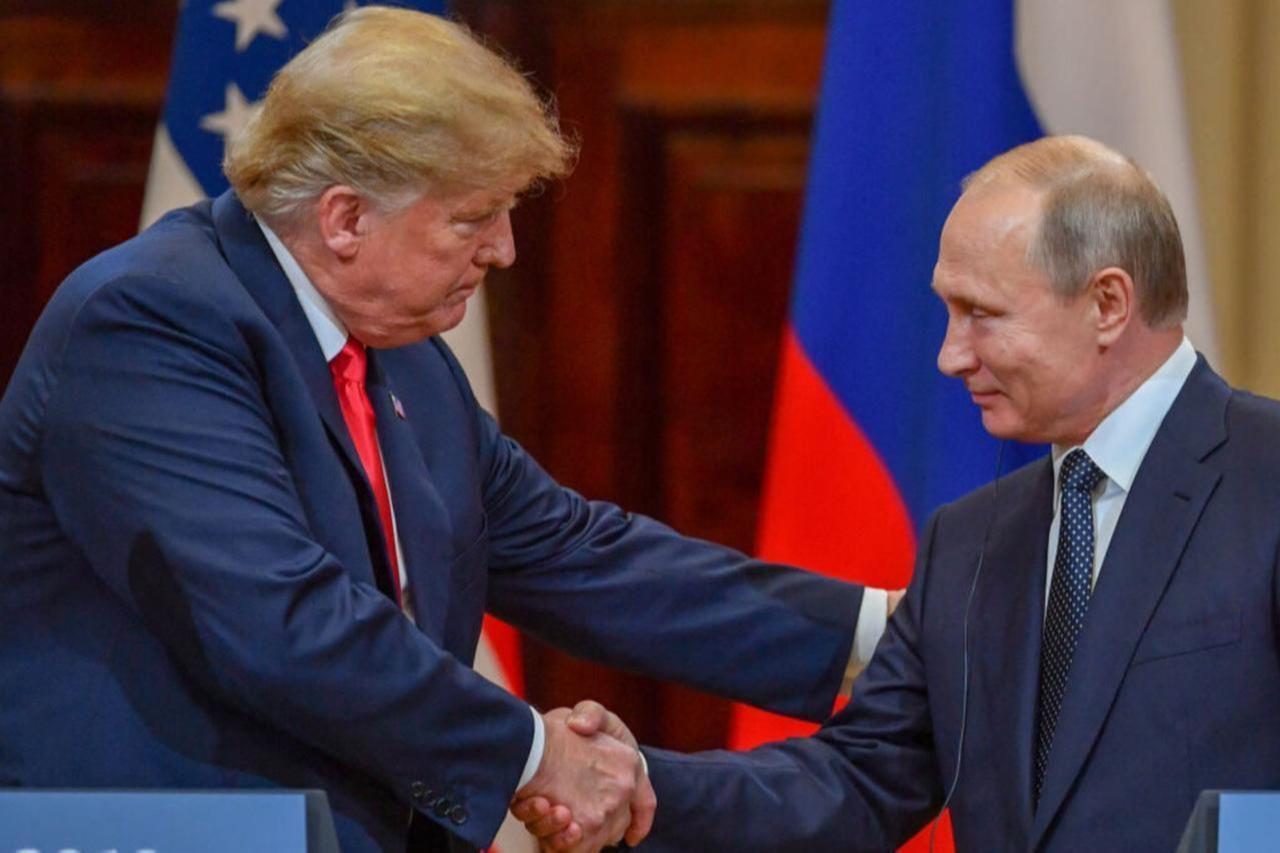
Europe is not returning to Russian energy, at least not in any straightforward sense. The political direction remains phase-out, diversification and lower fossil-fuel dependence.
But the Hormuz crisis has made that strategy look more expensive and more exposed. The Iran war tightens oil and LNG markets at the very moment Europe is trying to complete its break from Russian supply, giving Moscow room to point to price pressure, industrial anxiety and possible divisions among member states.
Europe’s more durable answer is not a retreat to Russian gas, but faster renewables, more diverse LNG supply, nuclear capacity and lower oil demand. Europe has reduced one dependency, Russian pipeline gas, but replaced part of it with exposure to fragile LNG routes and global price shocks. That is where Russia gains. It is not recovering its old European market.
It is recovering part of its argument. Moscow can now say that energy security without Russia is possible, but costly, politically difficult and vulnerable to distant chokepoints.
 1 min read
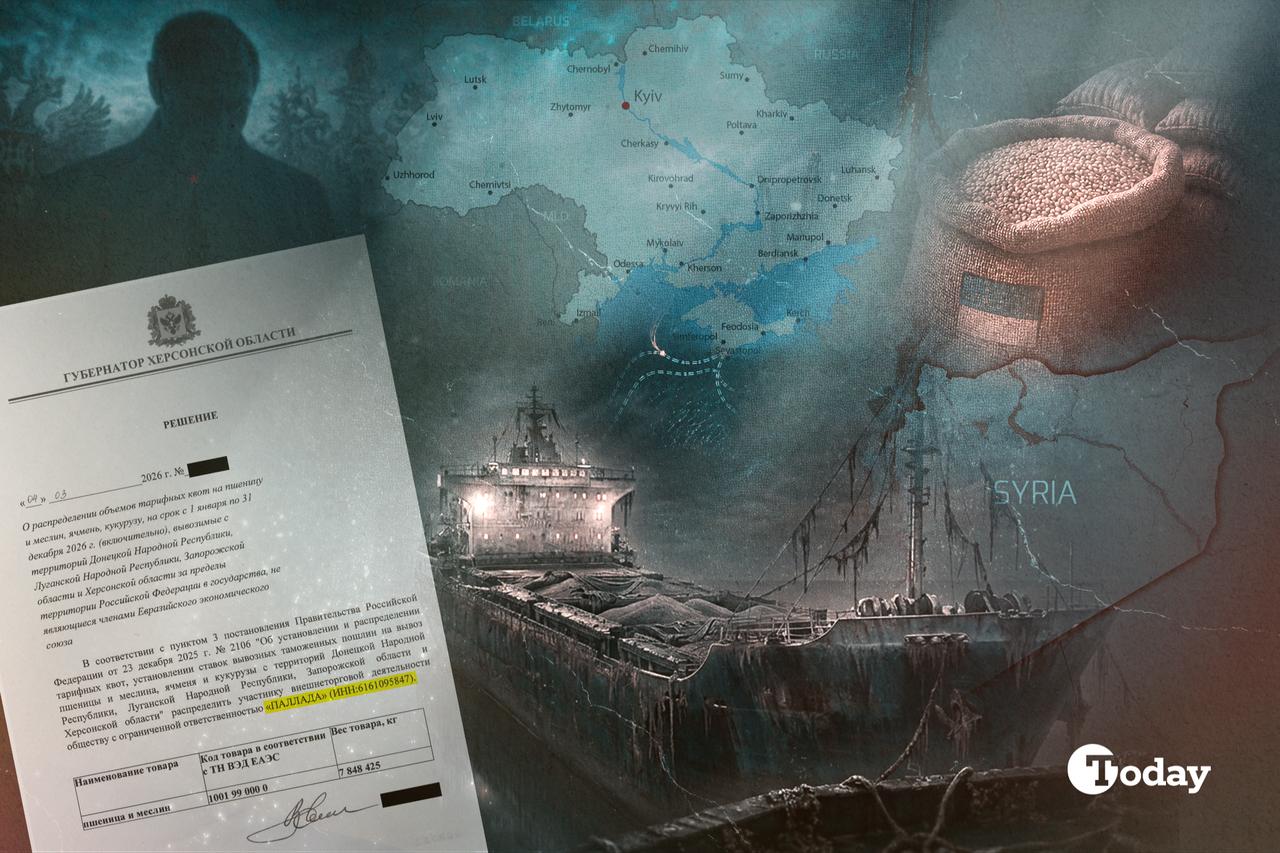
Russia’s changing role also extends beyond oil and gas. International Food Policy Research Institute (IFPRI) estimates that up to 30% of global fertilizer trade passed through Hormuz in 2024, while LNG remains a critical input for nitrogen fertilizer production.
That gives the crisis a delayed food-security channel. The immediate issue is not a sudden global food price explosion. It is the risk that higher fertilizer costs and disrupted ammonia and urea supply will affect planting decisions, crop yields and import bills in vulnerable regions later in the year.
This matters for Russia because it is already a major exporter of fertilizer and grain. If Gulf-linked fertilizer flows remain unreliable, Moscow gains another channel of influence: not only as an energy supplier, but as a supplier of inputs that shape food security.
Türkiye should not be presented as a substitute for Hormuz. The scale is different. Its role is more modest, but still strategically important: it is becoming a more visible connector in a fragmented energy map.
TurkStream is now the narrow but still relevant remaining route for Russian pipeline gas to parts of Europe after the end of Ukrainian transit. March flow data showed flows through TurkStream rising year on year in March, underlining the route’s continuing relevance.
On oil, the Iraq-Türkiye pipeline and Ceyhan offer a complementary Mediterranean outlet for northern Iraqi crude, but current flows are far below the theoretical capacity needed to offset a major Gulf disruption.
Türkiye’s importance, therefore, lies not in replacing Hormuz but in reducing dependence on any single chokepoint. It sits between Russian gas, Iraqi crude, Caspian resources and European demand. In a crisis that rewards route diversity, that position becomes more valuable.
The Hormuz crisis has not made Russia dominant again. It has made Russia harder to bypass. That is a narrower outcome, but it is still important. Moscow gains from higher prices, anxious Asian buyers and Europe’s exposed energy transition.
Yet the same crisis also shows Russia’s limits: constrained gas routes, dependence on a few large buyers and a shrinking margin for flexibility. Russia has gained room, not restored command.


 Set as preferred source
 Set as preferred source


 1 min read


