Newsletters




This article was originally written for Türkiye Today’s weekly newsletter, Saturday's Wrap-up, in its Nov. 14, 2026 issue. Please make sure you subscribe to the newsletter by clicking here.
It has been a surreal week here in Antalya. On one hand, Türkiye is hosting COP31, where the global elite and thousands of climate advocates have gathered to argue for the absolute necessity of a rapid transition to green energy and total electrification. On the other hand, just as the summit kicked off, Ankara celebrated a major hydrocarbon victory: the discovery of new oil fields in southeastern Gabar region.
The government is not just tapping these reserves; it is making them a cornerstone of its energy strategy, targeting a daily oil production of 100,000 barrels per day by the second half of 2027.
If you think this dual reality makes Türkiye a hypocrite, you haven't been paying attention to the rest of the world. It is hardly the only country chasing oil, and in some cases coal. Just this past week, the International Energy Agency (IEA) announced a record surge in global oil supply for October. The global thirst for fossil fuels is alive and well, entirely unaffected by the ambitious speeches echoing through the conference halls in Antalya.
The event in Antalya turned into a meeting point rather than a focused climate event. Large Turkish conglomerates spent time lobbying against the Made in Europe regulation that forced the Turkish car industry out from the European markets, construction companies cultivated contacts for future government contracts, and everyone, regardless of their expertise, title, or function, wanted airtime. The climate crisis has turned into a cute excuse to get together and discuss other issues.
Who was the elephant not in the room? The United States. As we debate emission caps and climate finance, the U.S. remains absent from the core obligations of these U.N. climate frameworks. Following its initial withdrawal from the Paris Agreement, the U.S. chose to prioritize its domestic economic output and industrial sovereignty over global climate targets.
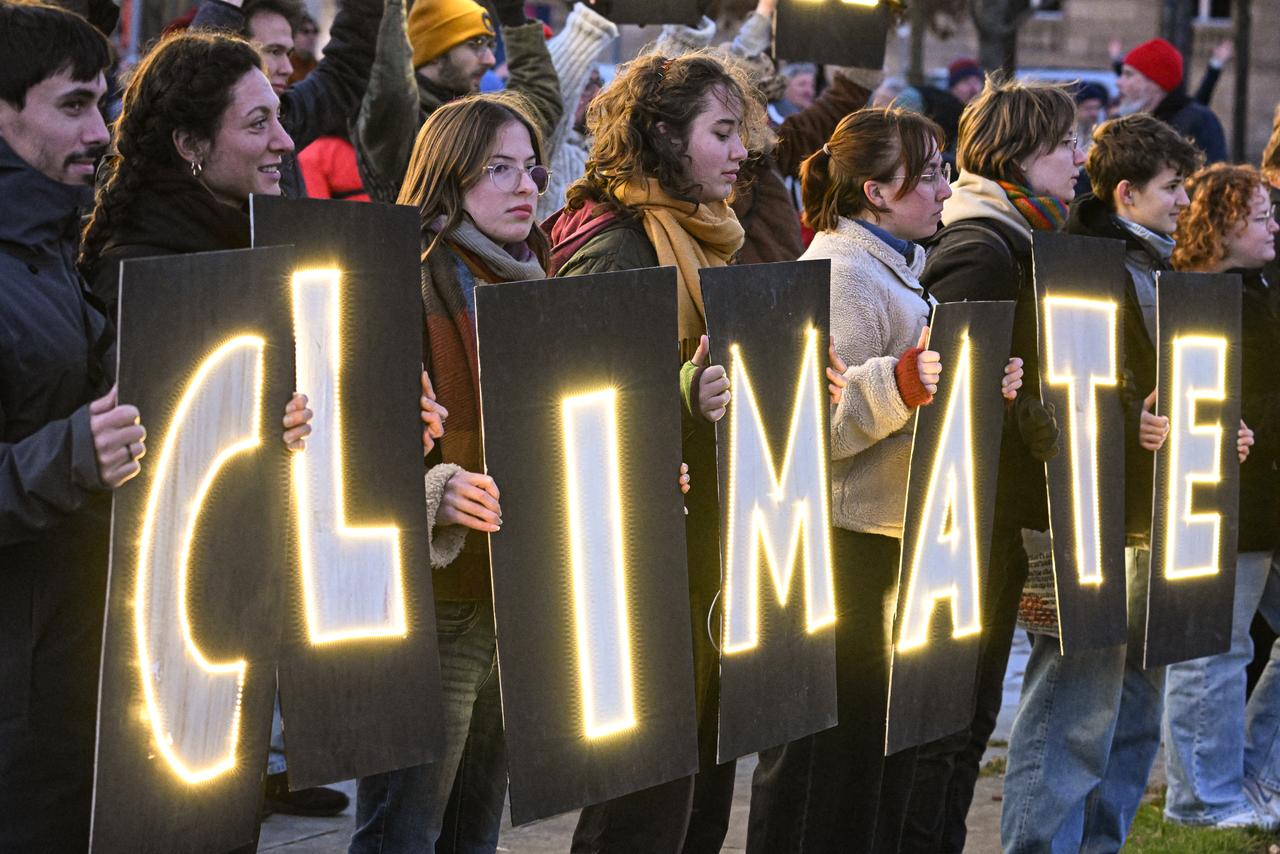

How realistic is it to deliver durable, drastic cuts in global emissions without the active participation of such a large economy? Not very. As analyses from the Grantham Research Institute on Climate Change and the Environment at LSE note, U.S. absence not only removes critical funding but fundamentally disrupts the global carbon budget and future climate rule-making.
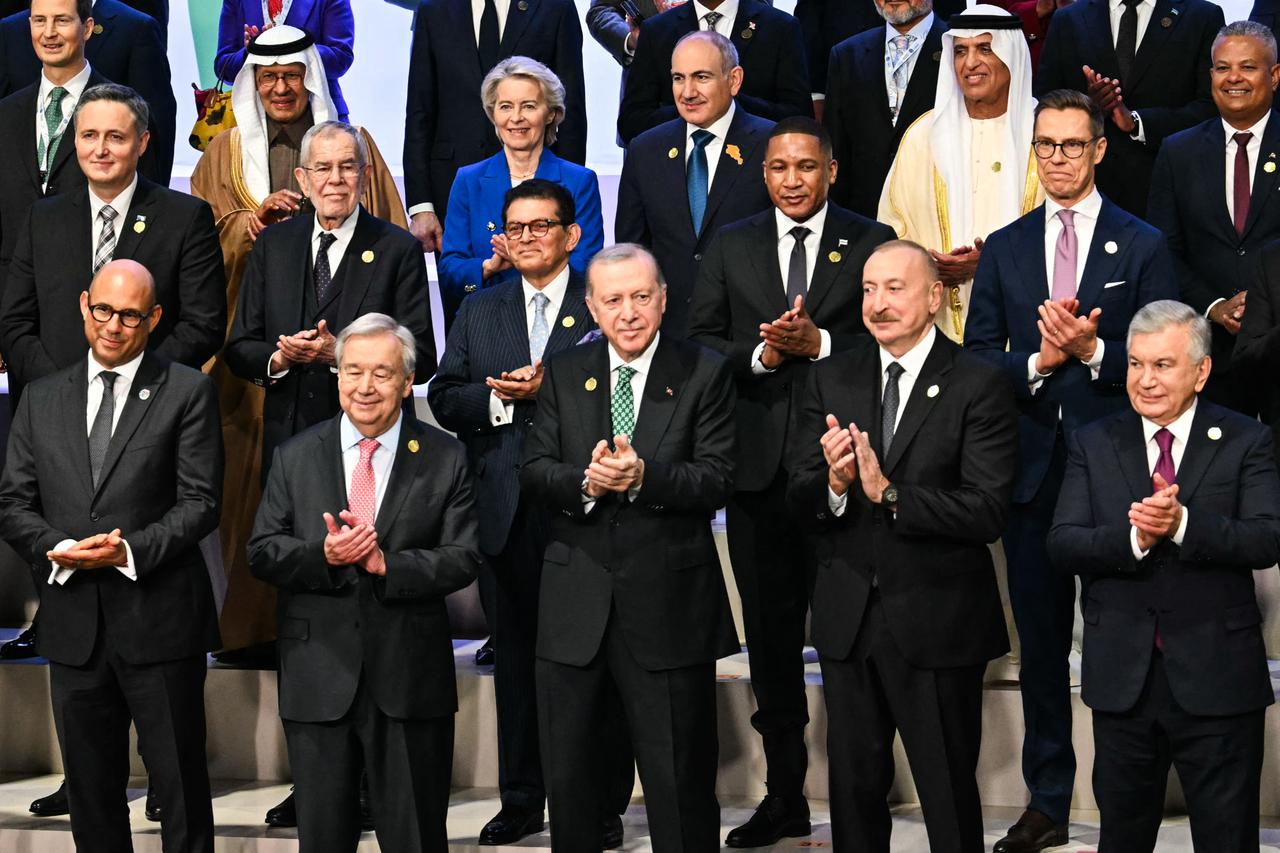
But let’s return to our own geography. You simply cannot expect a country like Türkiye, whose immediate neighborhood is quite literally burning with endless wars, to prioritize the fate of Palau, an island nation threatened by rising sea levels. It was a nice moment when Palau's president joyfully snapped a selfie with President Erdogan during the opening ceremony. But at the end of the day, energy security and diversity mean everything to a nation surrounded by instability. Green solutions are not yet delivering what nations need in terms of energy diversification and sovereignty.
National survival cannot always align neatly with climate goals, and everyone in the halls of power knows it. Until the international community can actually curb expansionist countries and defuse the tension that forces nations into survival mode, real progress is impossible. Look at Greta Thunberg. She is now hysterically laughing at her own Fridays for Future that still continues to operate. Yet, her own focus has shifted to humanitarian justice, and yes, geopolitics more than mere climate-focused protests.
True climate action requires geopolitical stability first. Without it, we will be stuck with small, symbolic, "cute" climate steps: a couple of university projects turning banana peels into tote bags, and corporate advertisements aggressively showing off how "clean" they are while conducting business as usual.
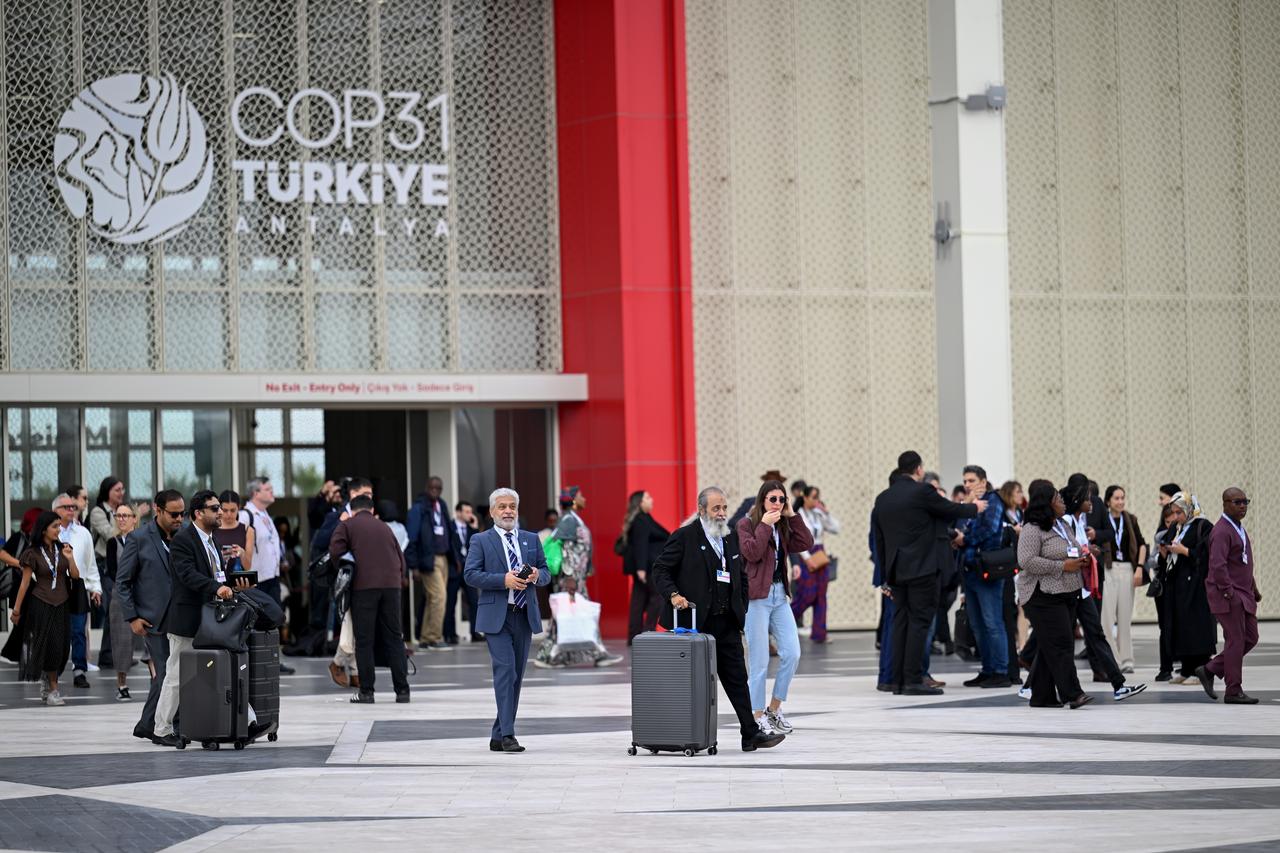
Speaking of the summit's atmosphere, it has been genuinely strange to witness so many passionate climate activists pouring into the wide streets around the COP31 venue, streets we all know will look differently weeks after the event. For a Turkish journalist, this is not an everyday sight. In our political landscape, witnessing movements based on religious or ideological identity, alongside exhausting culture wars is a daily business. Seeing crowds shouting with genuine passion about carbon emissions was a jarring, albeit fascinating, culture shock.
Finally, we need to take a critical look at the darling of COP31: electrification. The push to electrify everything, from our cars to our heating systems, enjoys enormous support. But does it automatically mean a greener future?
 1 min read
Not necessarily. According to data from the energy think tank Ember, coal remained the largest source of electricity generation in Türkiye last year, making up 34% of our total electricity production. This effectively makes us Europe’s largest coal-fired electricity producer. The picture is not very different across the continent: fossil fuels still generate about 30% of Europe’s electricity.
If the grid supplying your electric vehicle is powered by burning coal, electrification is not a green revolution, it is merely shifting the exhaust pipe from the back of your car to a power plant down the road.
Geopolitics remains one of the core problems, at least in this part of the world, and nations should not have to operate in survival mode in order to save the planet.


 Set as preferred source
 Set as preferred source


 1 min read