Newsletters




This article was originally written for Türkiye Today’s bi-weekly Balkans newsletter, BalkanLine, in its Nov. 13, 2026 issue. Please make sure you are subscribed to the newsletter by clicking here.
Croatia once argued that border disputes should not hold up its neighbors' entry into the European Union. It was an easier principle to defend before Zagreb had a vote on who gets in.
In 2008, Slovenia blocked parts of Croatia's accession negotiations over a border dispute. Three years later, Croatia's Parliament declared that such disagreements should not obstruct its neighbors. Now, Croatian Prime Minister Andrej Plenkovic is warning Montenegro that it may miss its accession timetable unless they settle their land border.
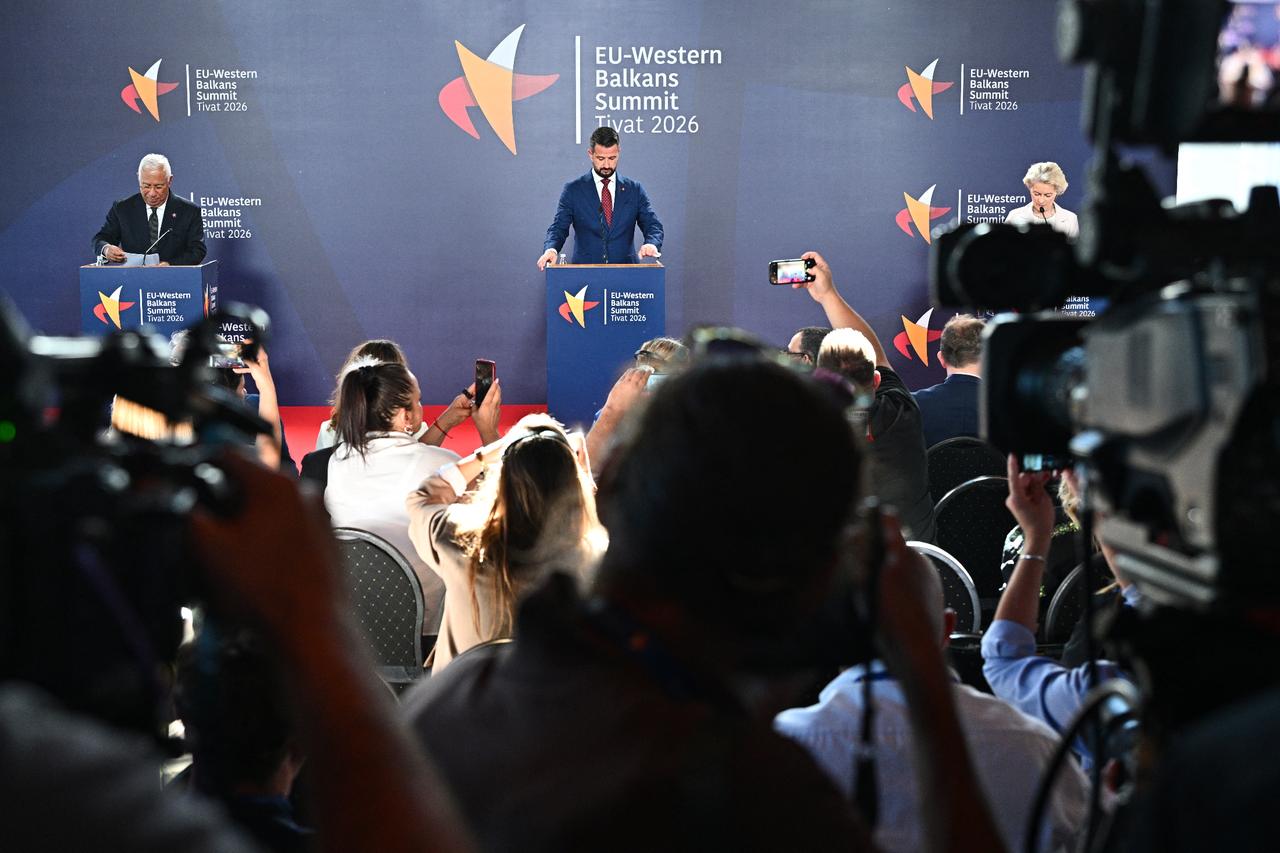
On Nov. 4, the European Commission presented its annual Enlargement Package and, for the first time, indicative roadmaps for four advanced negotiating countries: Montenegro, Albania, Moldova and Ukraine. Montenegro could finish talks in December and sign an accession treaty in June 2027.
Croatia has not issued a veto. Montenegro, for its part, says it accepts the principles Zagreb invokes but disagrees over where the former Yugoslav republican boundary lies. An ambitious EU timetable cannot settle that dispute.
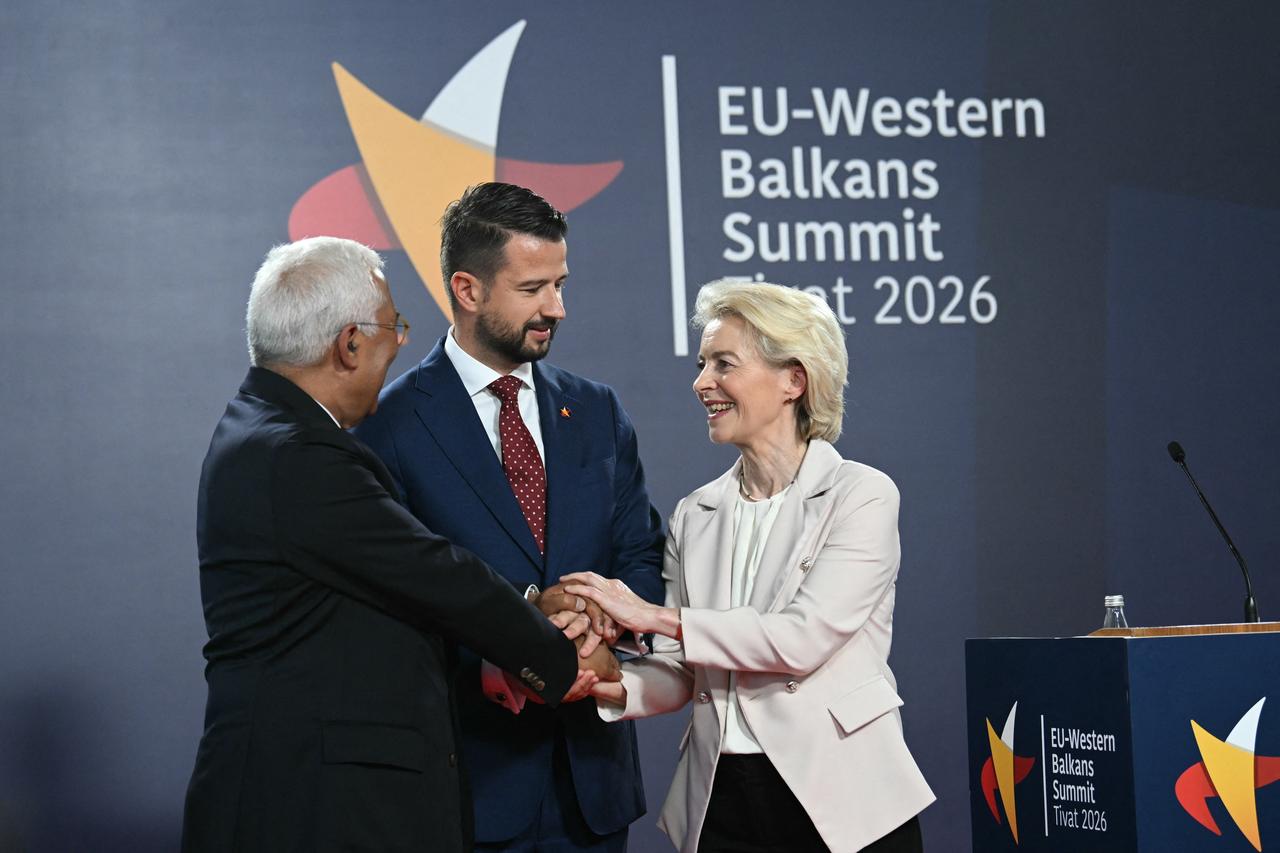

There is plenty to celebrate in Montenegro's progress. Albania, grappling with anti-government protests, has also made significant progress in accession talks, having opened all negotiating clusters and aiming to conclude negotiations in 2027.
The larger regional picture is less encouraging. Decades after Yugoslavia's breakup, unresolved disputes and separatist rhetoric still shape political debate. Corruption persists, governments promise reform more readily than they deliver it, and the EU has not always found an effective political response when negotiations stall.
That doesn't mean every country should advance at Montenegro's pace. Their records are different. Nor can we judge the health of enlargement entirely by the countries closest to joining.
North Macedonia has already made one painful compromise, changing its name after reaching an agreement with Greece. Now, constitutional amendments linked to Bulgaria stand between it and the next stage of negotiations. Skopje has problems of its own, including a poor anti-corruption record. Still, it is difficult to persuade voters to accept another political concession when the conditions for moving forward appear vulnerable to further disputes with neighbors.
In Bosnia and Herzegovina, political deadlock has become almost routine. Sarajevo’s political will to pursue EU membership has failed to move beyond rhetoric and deliver meaningful reforms. Meanwhile, entrenched ethnic party politics, recurring secessionist rhetoric and institutional paralysis continue to obstruct progress. The European Commission now describes Bosnia as increasingly disengaged from its European path. The EU ambition endures; so do the political habits blocking it.
Kosovo offers perhaps the clearest example of responsibilities on both sides. Its own institutional deadlock has delayed reforms. Yet its application for EU membership, submitted in December 2022, still awaits a request from the Council for a formal Commission opinion. Kosovo needs to demonstrate progress, certainly. But how far can a merit-based process go when the Council has yet to request even a formal assessment of Kosovo's application?
Where do we even begin?
The Commission documents democratic deterioration and rule-of-law failings. But its report largely describes the era of the governing bloc defeated by the student-backed list in October's election.
The incoming majority's promises to challenge corruption, strengthen institutions and dismantle networks of political control overlap with the problems Brussels has long identified. That does not make reforms inevitable, and Serbia's future relationship with the EU remains an open question. Changes demanded at home may finally accomplish what years of EU assessments could not.
The election answered one question but left many others open, particularly how a movement born out of student protests will navigate the responsibilities of government. Branislav Radeljic takes a closer look at what lies ahead for Serbia in his op-ed for Türkiye Today.
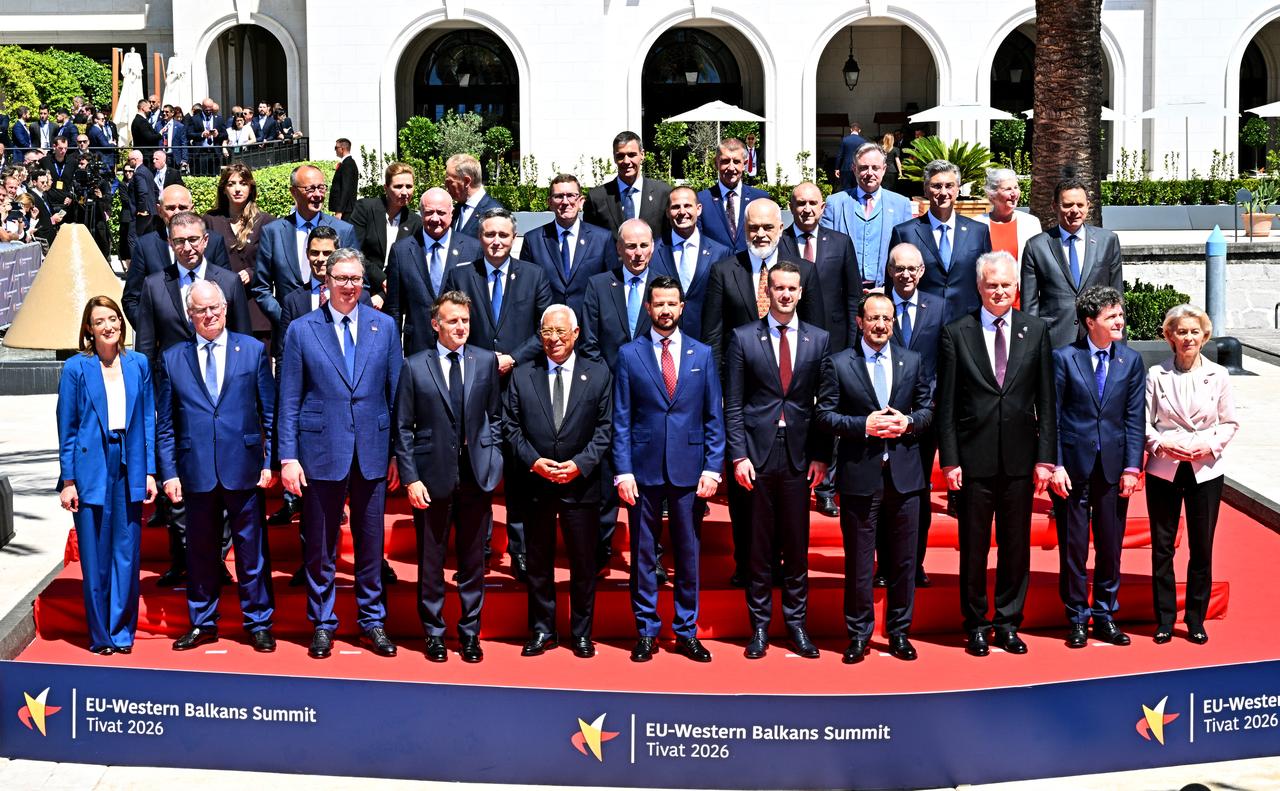
On Nov. 25, EU and Western Balkan leaders meet in Brussels to discuss enlargement and gradual integration.
I wonder what will be different this time. Another statement about the region's European future is easy to imagine. So is another demand that Balkan governments do their homework.
They should. But EU leaders can also address why Kosovo's application remains unexamined and how bilateral disputes should be handled without indefinitely clouding accession.
Montenegro's progress deserves recognition. But for countries whose next steps depend partly on political decisions in EU capitals, another promise of eventual membership is not much of an answer.
I would rather hear how leaders intend to deal with those obstacles than another assurance that the Balkans belong in Europe. They have been hearing that for years.


 Set as preferred source
 Set as preferred source


 2 min read

 1 min read