Newsletters





This article was originally written for Türkiye Today’s weekly newsletter, Saturday's Wrap-up, in its October 31, 2026 issue. Please make sure you subscribe to the newsletter by clicking here.
There has perhaps never been an Israeli election as closely monitored by the Turkish public as the recent Oct. 27 polls. Across Turkish television networks, nightly commentary has reflected an overall consensus among ordinary Turks: the supposed centrist alternative, Gadi Eisenkot, offers little substantive deviation from Benjamin Netanyahu.
The prevailing belief is that, regardless of who occupies the Prime Minister’s office, Israel's broader geopolitical trajectory will remain drastically unchanged. If kept, Israel will remain a threat. Not only for Türkiye, but probably for every actor in the region. The election was widely regarded as a referendum on Netanyahu personally, and the result baffled everyone.
The rise of the Arab parties in Israel was definitely perceived as a positive development. Yet, while regional implications dominate Turkish screens, the details of Israel’s domestic campaign have largely flown under the radar.
Behind the security rhetoric, ordinary Israelis are facing a severe economic squeeze. Prices are surging; immediately following the election, flour is expected to jump by 11%-14%, alongside hike for eggs, with fuel, water, and electricity rates all under threat of increase. Compounding this economic frustration is the deeply divisive issue of military conscription for the ultra-Orthodox Haredim.
While Haredi parties view full-time Torah study as an untouchable religious duty, Israel’s military requirements are far from abstract. Roughly 13,000 Haredi men reach conscription age annually, yet fewer than 10% actually enlist, a discrepancy that strains an increasingly war-weary society.
The preliminary results of the Oct. 27 vote paint a picture of political gridlock. Netanyahu’s bloc secured 53 seats, while the opposition led by Eisenkot sits at 48. The true disruption, however, comes from the Arab parties, which have surged to a formidable 19 seats. With 61 seats required to form a government in the 120-member Knesset, Netanyahu’s former coalition has lost its majority, positioning Arab voters as the undeniable winners of this election cycle.
This brings us to a glaring contradiction.
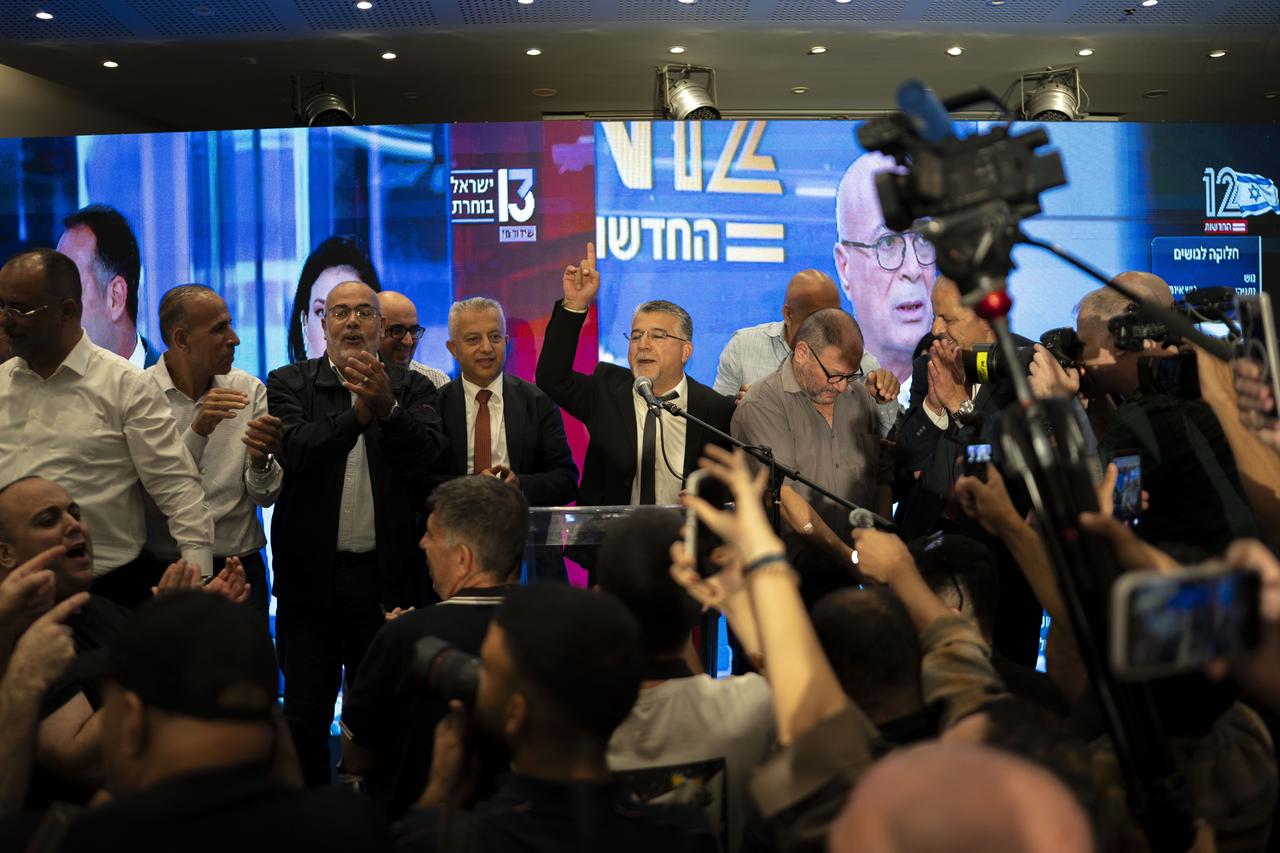

A favorite talking point in Washington is that Israel is the "only democracy in the Middle East." Yet, when the repressed Arab citizens of Israel exercise their most fundamental democratic right, the Israeli establishment cannot comprehend it as a civic reaction.
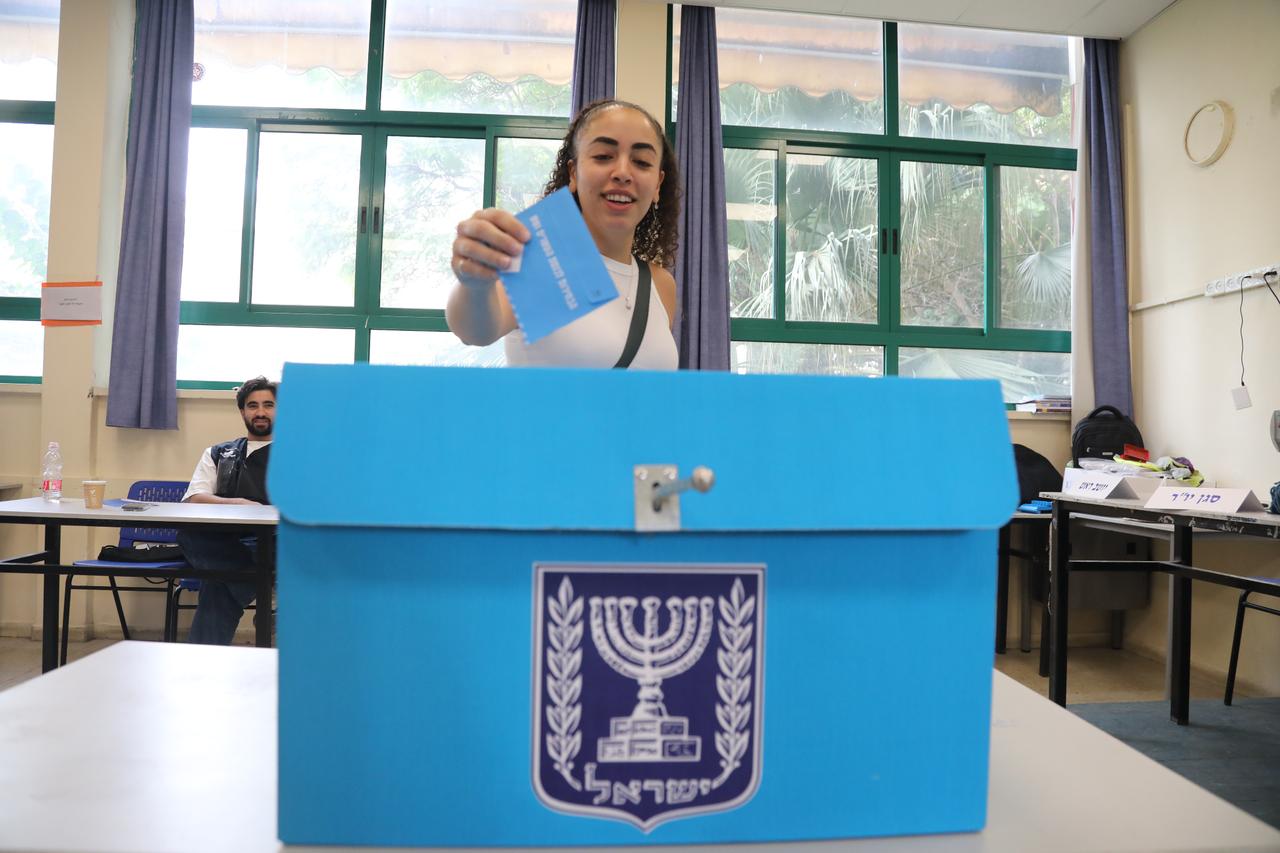
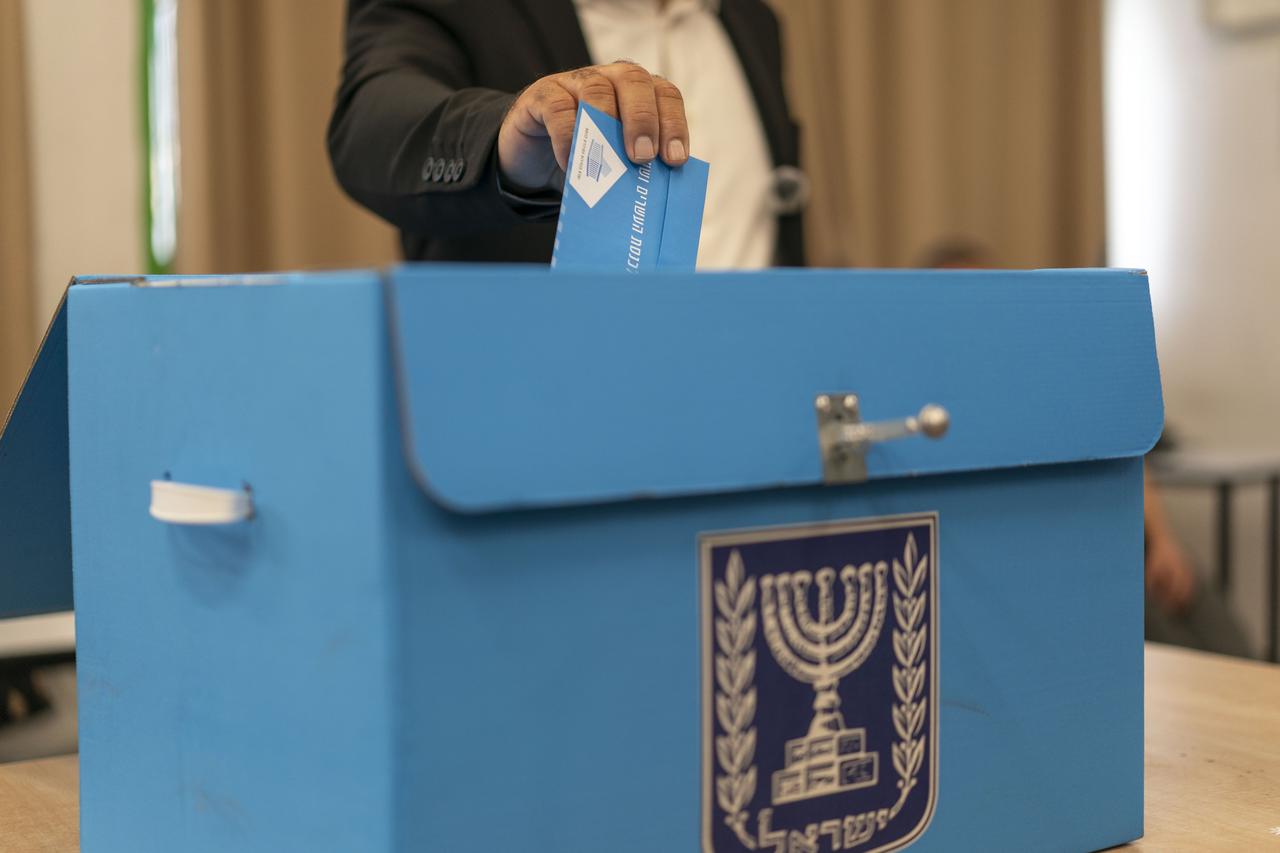
If Arabs throw rocks, it is terrorism; if they go to the ballot box in historic numbers, it is suddenly branded as "foreign involvement." Necessity is the mother of invention, and Netanyahu is clearly under pressure. These voters have mobilized against systemic discrimination, rampant armed crime in their neighborhoods, arbitrary home demolitions and genocide in Gaza. In short, they have every reason to get themselves heard in the ballot box.
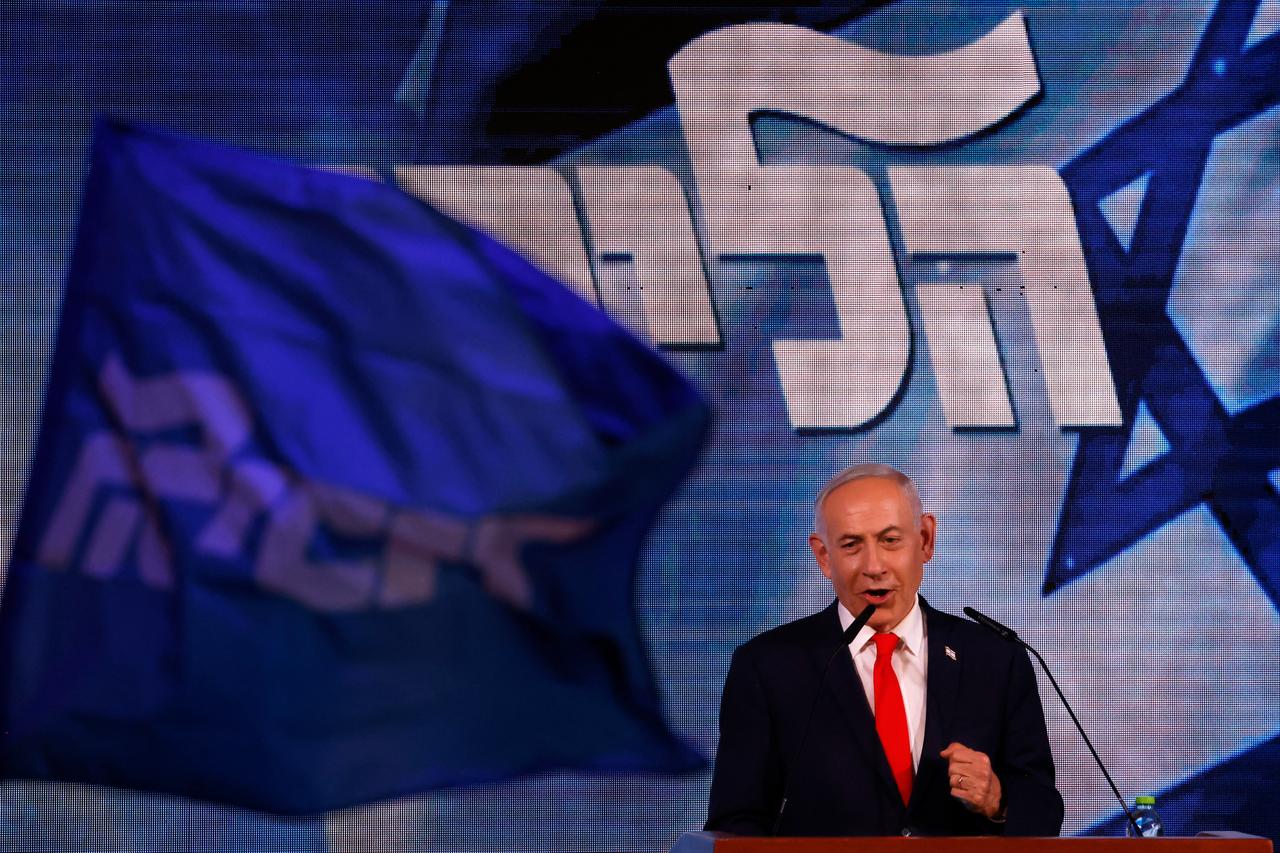
On Election Day, political hypocrisy was on full display. At 2:50 p.m., Netanyahu warned on social media that "Muslim Brotherhood supporters are storming polling stations and stealing the election." By evening, he was circulating an AI-generated video showing someone handing a key shaped like Israel to Ra’am party chairman Mansour Abbas, accompanied by a panic-inducing caption: "Don't give them the keys to the country."
The panic reached such heights that Israel’s Central Elections Committee chairman Noam Sohlberg, asked the Shin Bet to investigate suspected foreign funding of the election. This was amplified by Yair Netanyahu, who claimed that Türkiye, Qatar, and Arab states funded efforts to boost Arab turnout. Türkiye’s Center for Countering Disinformation (DMM) swiftly and categorically rejected these claims as completely baseless.
Everybody knows it is a sham. These claims are politically motivated. They reveal the mindset of people who want to hold on to power believing they are in some sort of existential war where any means of survival is legitimate.
The irony of this sudden concern over "foreign funding" is staggering.
Where was the Shin Bet investigation into the actual, documented flow of foreign cash orchestrated by the Israeli government itself? Two weeks before the Oct. 7 attacks, the head of the Mossad traveled to Qatar with a specific request: keep the money flowing into Gaza. For over a decade, Netanyahu’s governments actively encouraged, coordinated, and helped administer nearly $2 billion in Qatari assistance to Hamas. The prevailing theory was that economic assistance would buy quiet. On Oct. 7, that theory fatally collapsed. Yet, there is no state commission investigating this decade-long policy. Instead, the security apparatus is weaponized to investigate Israeli Arabs for the "crime" of voting.
The Democrats chairman Yair Golan offered a rare moment of clarity this week, arguing that a vote cast in the Arab-majority city of Tira must carry the exact same weight as one cast in the Jewish city of Givat Shmuel. Unfortunately, the current Israeli leadership refuses to make that distinction compatible with equal citizenship. Although Jewish history is rich with scientific breakthroughs and Nobel Prizes, Israel itself hardly seems like a successful Jewish innovation right now.


 Set as preferred source
 Set as preferred source


 1 min read
 1 min read