Newsletters




This article was originally written for Türkiye Today’s bi-weekly Balkans newsletter, BalkanLine, in its October 30, 2026 issue. Please make sure you are subscribed to the newsletter by clicking here.
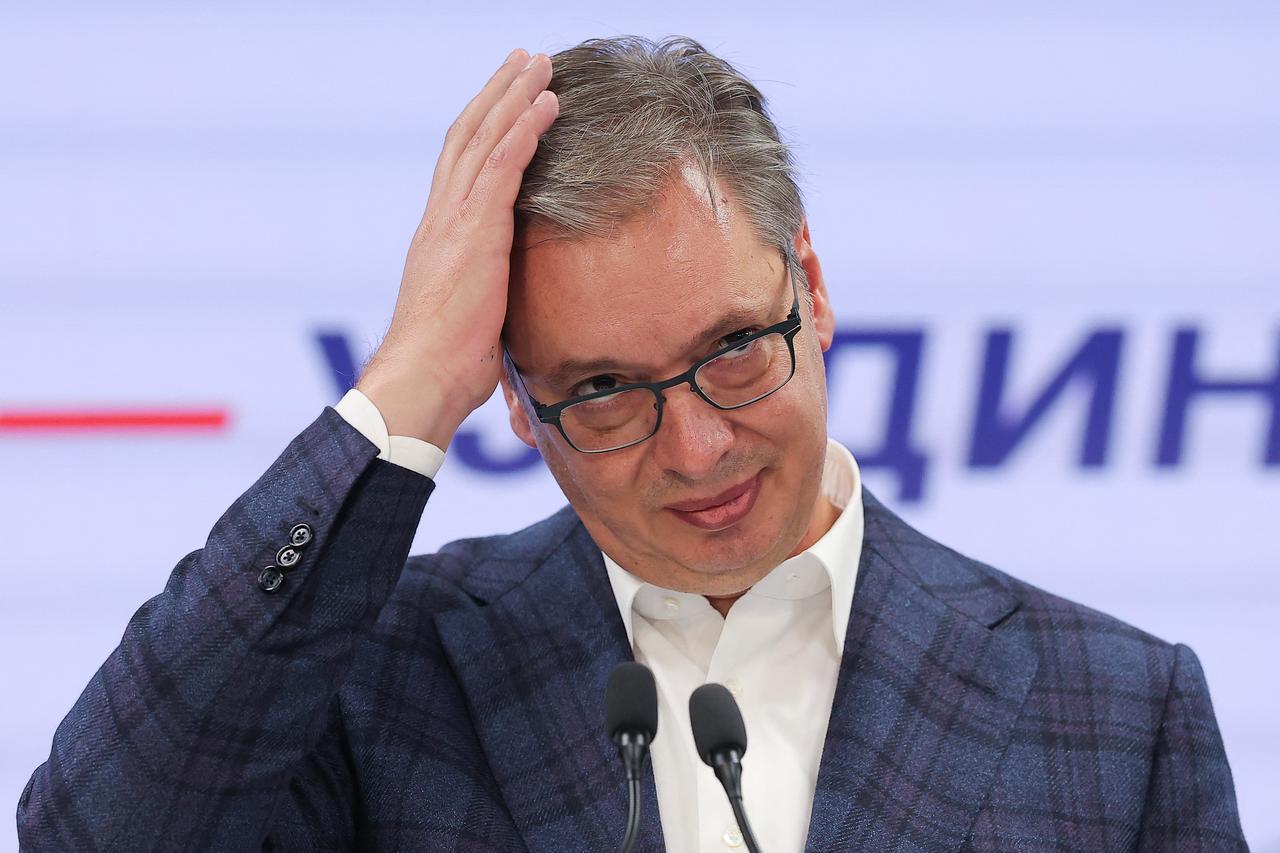
Serbia voted Aleksandar Vucic's party out of power. Whether it also voted to end his foreign policy is a much harder question.
For years, Belgrade maintained an awkward balancing act among competing powers. Serbia formally kept EU membership as a strategic objective, although its accession process has largely stalled over democratic backsliding, insufficient reforms and foreign policy disagreements. It refused to sanction Russia, which supplies much of its natural gas and backs its position on Kosovo, while expanding economic and security ties with China and cultivating closer relations with Washington.
Even Serbia's position on Ukraine was more nuanced than its refusal to impose sanctions on Russia implied. Serbian-made ammunition reportedly reached Ukraine through third-country buyers, prompting Russian accusations.
Now the Student List has won a parliamentary majority on a platform promising to overhaul how Serbia is governed. Changing the country's international commitments is another matter.

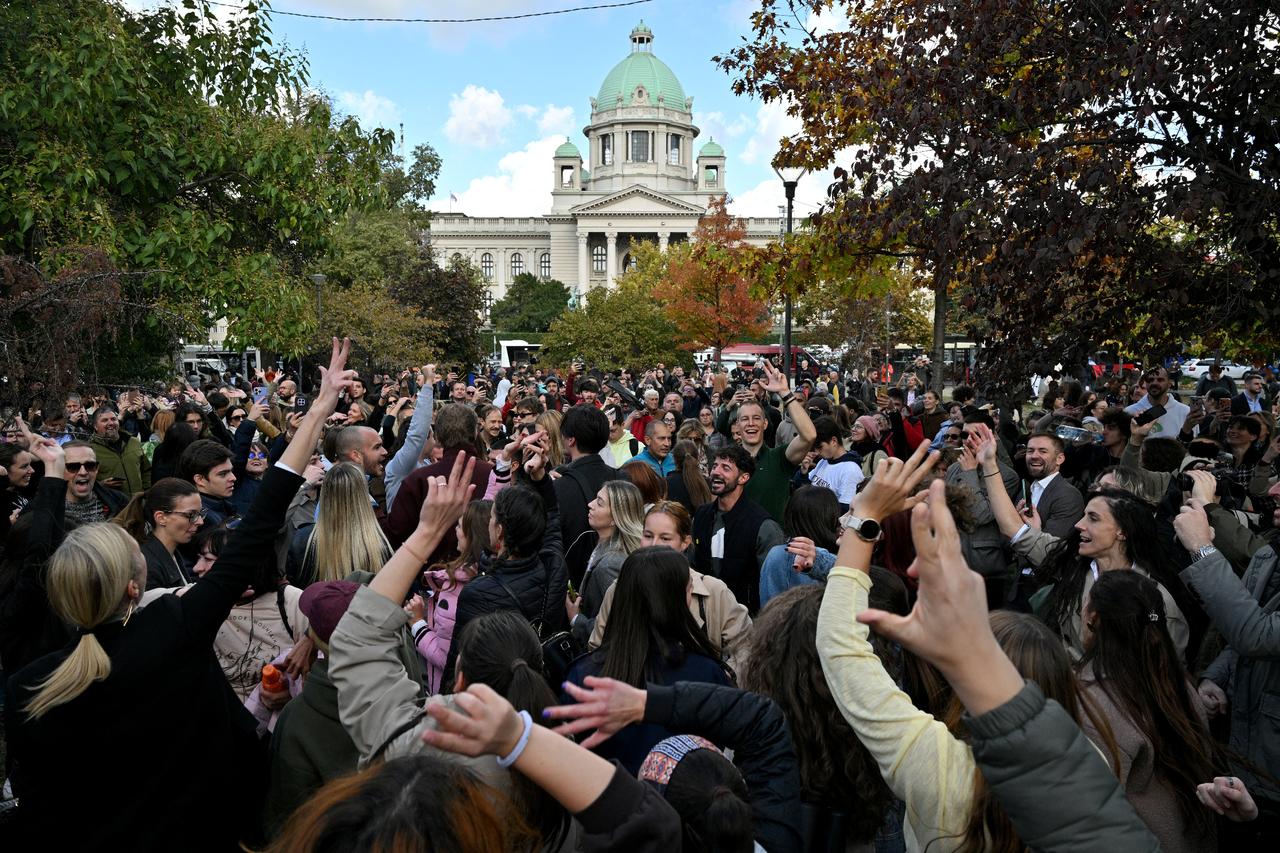
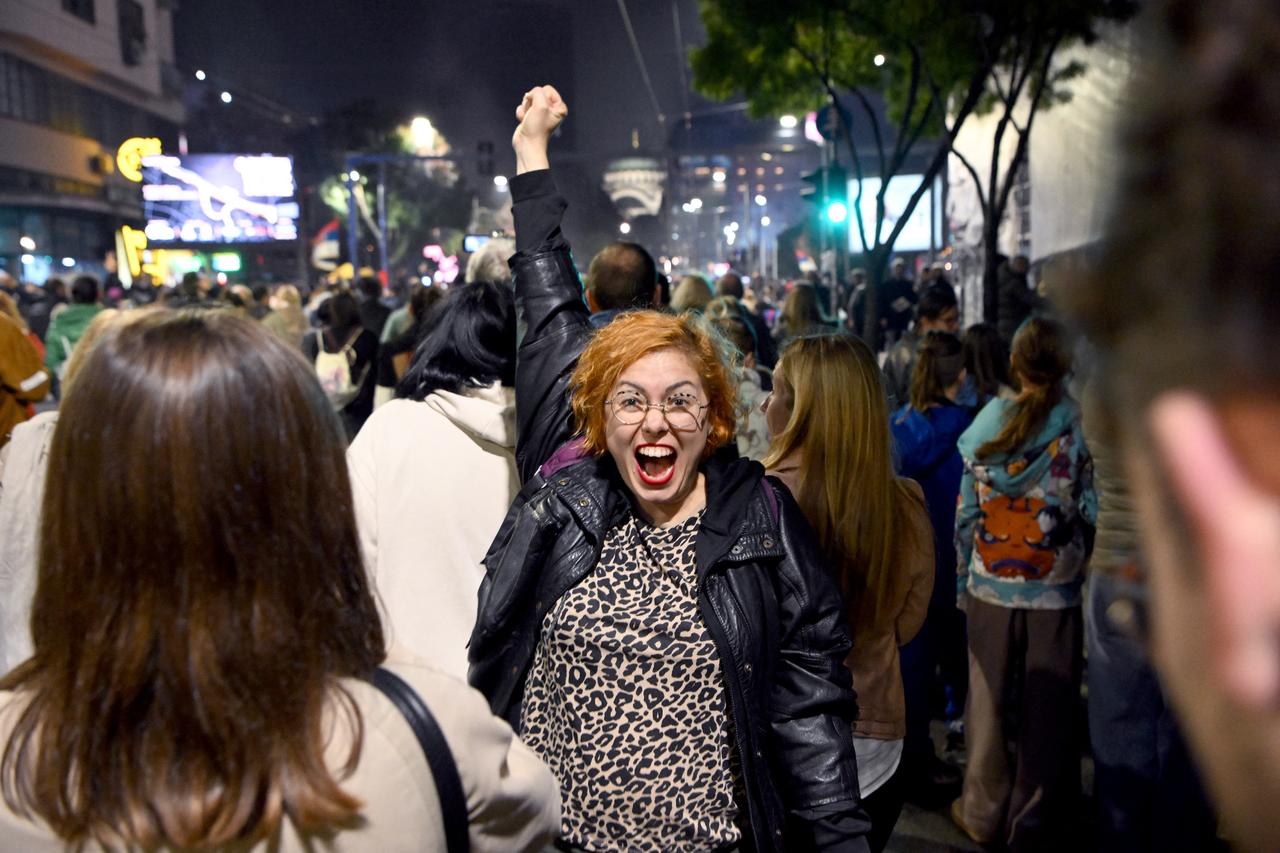
The Oct. 25 election ended 14 years of rule by Vucic's Serbian Progressive Party (SNS). Preliminary results projected 140 seats for the student-backed list in the 250-member parliament, compared with 104 for Vucic's coalition. The results remain provisional, with 53 polling stations scheduled to vote again on Nov. 1.
The students deliberately left themselves off the electoral list and selected candidates from outside their ranks. They have yet to announce a prime minister.
On Oct. 29, student representatives demanded the resignations of senior security and judicial officials, reviews of public contracts and renewed scrutiny of corruption investigations. The head of public broadcaster RTS also resigned.
These demands show where the movement intends to begin its domestic reforms. Foreign policy, however, presents a different set of challenges.
The Student List united people with different political views, primarily around demands for accountability and democratic reform rather than a common foreign policy agenda.
Its opposition to sanctions against Russia resembles the outgoing government's position. Yet in an Oct. 27 interview, lead candidate Ilija Srdanovic emphasized continued European integration and argued that foreign policy should be open to public debate rather than decided by one person.
That distinction matters. Serbia could maintain some existing relationships while changing how decisions about them are made.
Brussels, however, has its own expectations. EU Enlargement Commissioner Marta Kos warned on Oct. 28 that Serbia would struggle to advance toward membership without aligning with the bloc's foreign and security policy, including sanctions against Russia.
Moscow remains important to Serbia's energy security, while China's investments are deeply embedded in infrastructure, mining and industry. The Student List's emphasis on transparent public procurement could bring closer scrutiny of such projects without necessarily ending cooperation.
Many of the economic and diplomatic relationships shaping Serbian foreign policy will remain in place after Vucic, limiting the scope for an immediate geopolitical shift.
Kosovo remains one of the clearest signs of continuity. The Student List opposes recognition of its independence, although Srdanovic has indicated that EU-facilitated dialogue should continue.
Democratic reform in Belgrade does not automatically mean a departure from the nationalist positions that have long influenced Serbia's relations with its neighbors.
Bosnia and Herzegovina presents another test. Milorad Dodik, the pro-Russian Bosnian Serb separatist leader barred from public office following a court conviction, congratulated the students on their victory, saying Republika Srpska and Serbia would "continue together" and maintain "the closest and best of relations," with cooperation and mutual support on regional and international issues. Srdanovic has likewise supported maintaining cooperation with Republika Srpska.
 1 min read
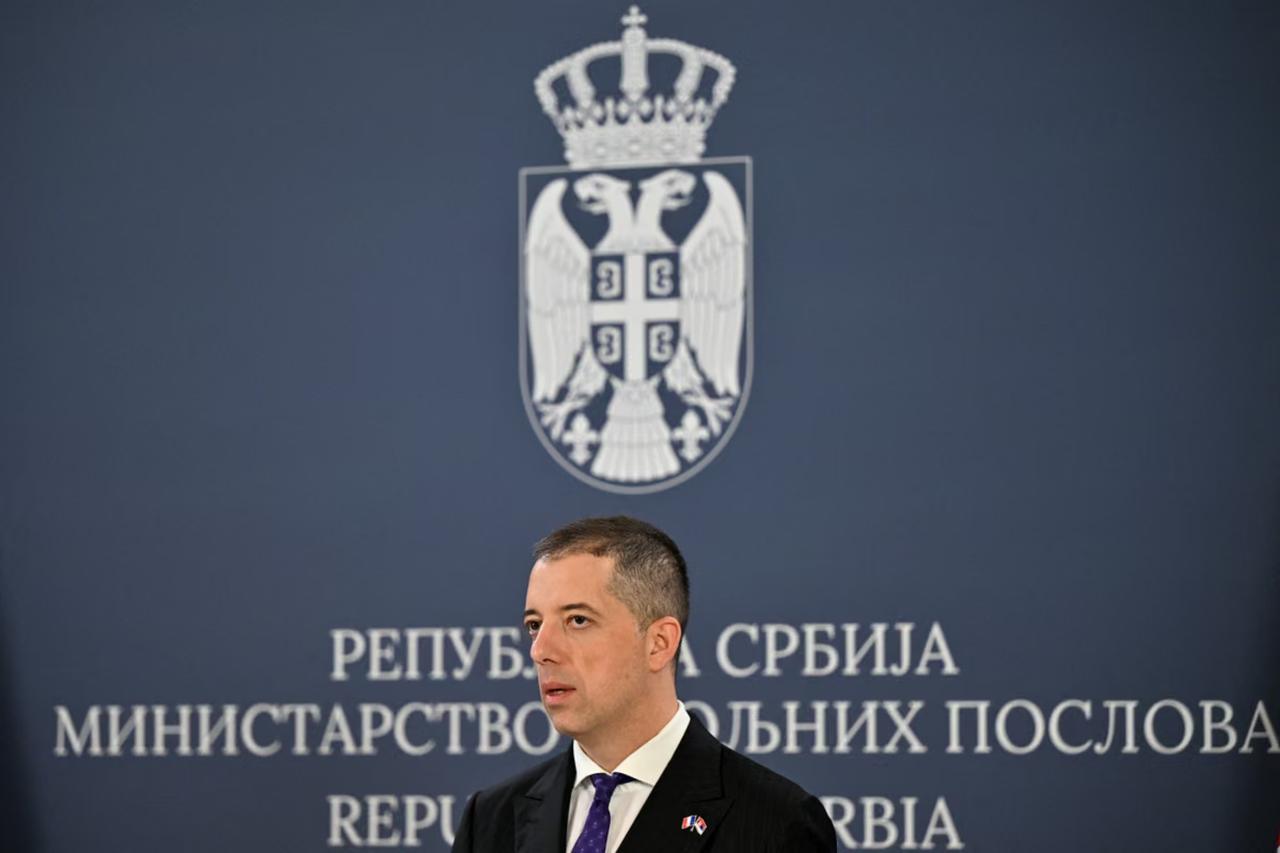
Relations with Türkiye, meanwhile, are unlikely to undergo a major change. Trade, infrastructure projects and investment have created substantial shared interests beyond the personal relationship between Vucic and Turkish President Recep Tayyip Erdogan. Türkiye's role as a stabilizing factor in the Western Balkans, including through regional diplomatic dialogue, provides further grounds for expecting continued close cooperation between Ankara and Belgrade.
On Nov. 1, students will gather in Novi Sad to mark the second anniversary of the railway station canopy collapse that killed 16 people and sparked their movement. The same day, Serbia will hold its partial election rerun.
The movement now faces the transition from demanding accountability to exercising political responsibility.
Vucic's balancing act was shaped not only by his personal diplomacy but also by Serbia's economic dependencies, geopolitical interests and unresolved regional disputes.
Those constraints remain. The question is whether Serbia's new leaders can manage them differently without reproducing the personalized politics they campaigned to replace.


 Set as preferred source
 Set as preferred source


 1 min read