Newsletters


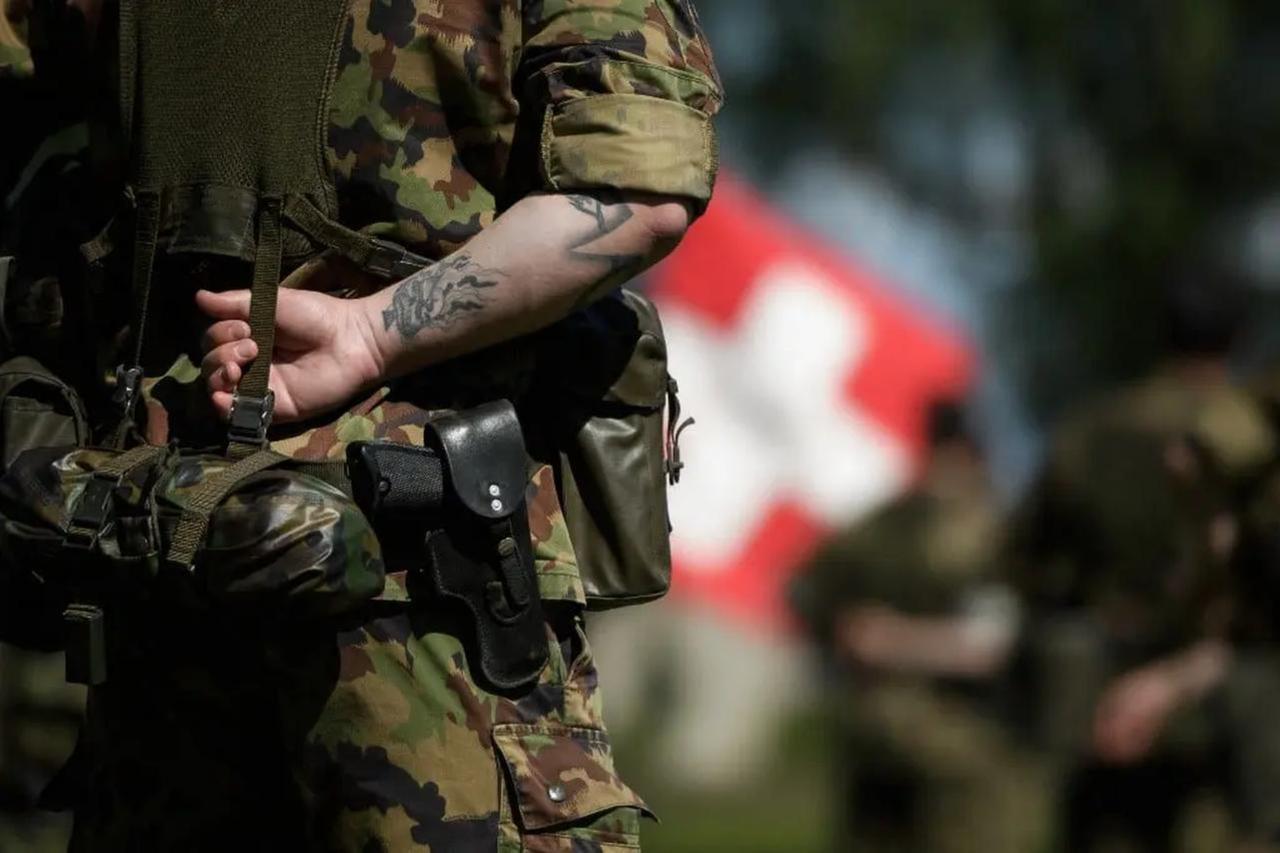


In mid-July, as Europe settled into its summer lull, Urs Loher, head of Switzerland’s Armaments Office, made an unannounced trip to Tel Aviv.
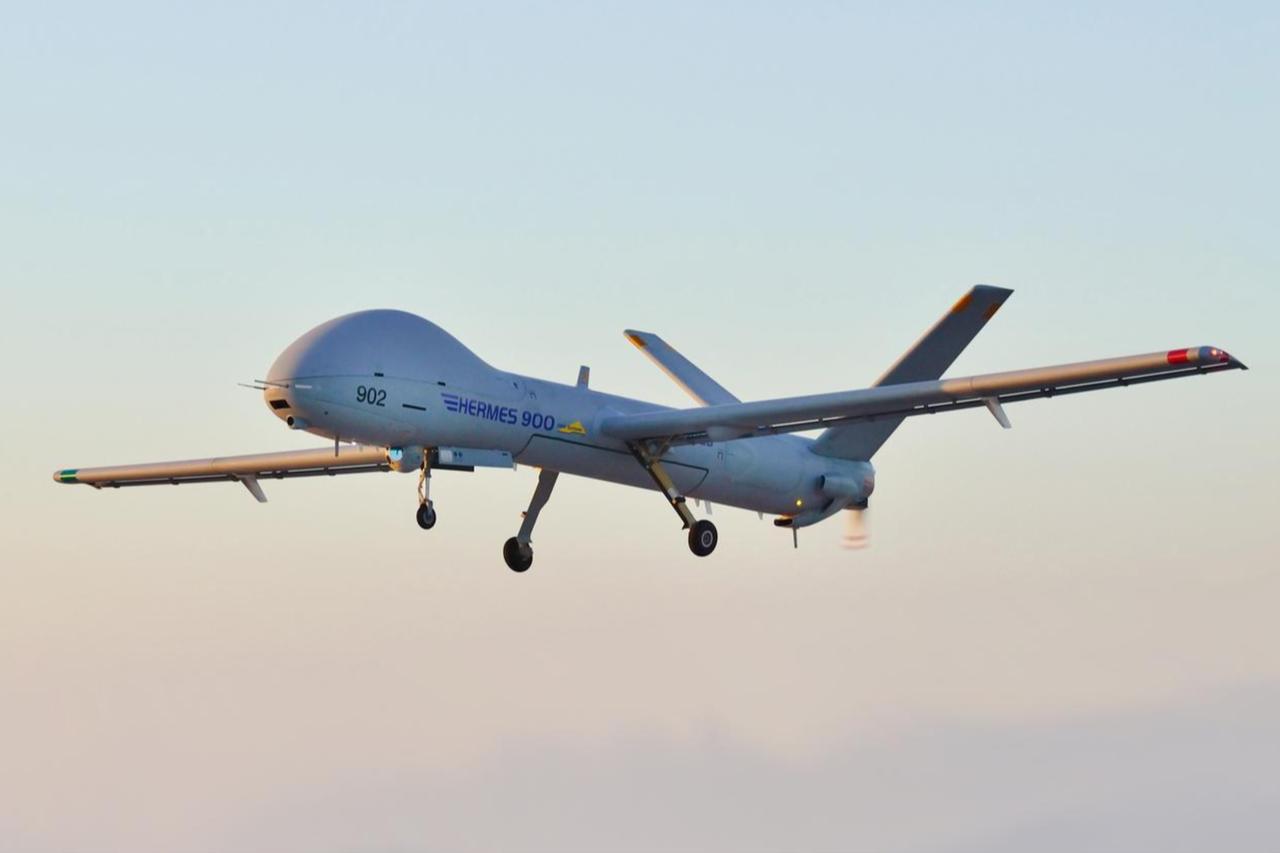
The visit stayed under wraps until weeks later, when reports emerged that Loher had come to size up Israel’s anti-drone technologies.
On the surface, the matter appears ordinary. Most European countries maintain good industrial and defense relations with Israel and exchange visits and cooperation.
In Switzerland’s case, however, the situation is different—indeed, genuinely embarrassing—which is why this visit was far from conventional.
To clarify: Switzerland has long played the role of the neutral player on the international stage, one that does not take sides in any conflict and whose actions are governed by principles of justice and international law.
Switzerland, whose constitution has enshrined the principle of neutrality since 1848, has frequently been proposed as a suitable venue for negotiations between parties to conflicts.
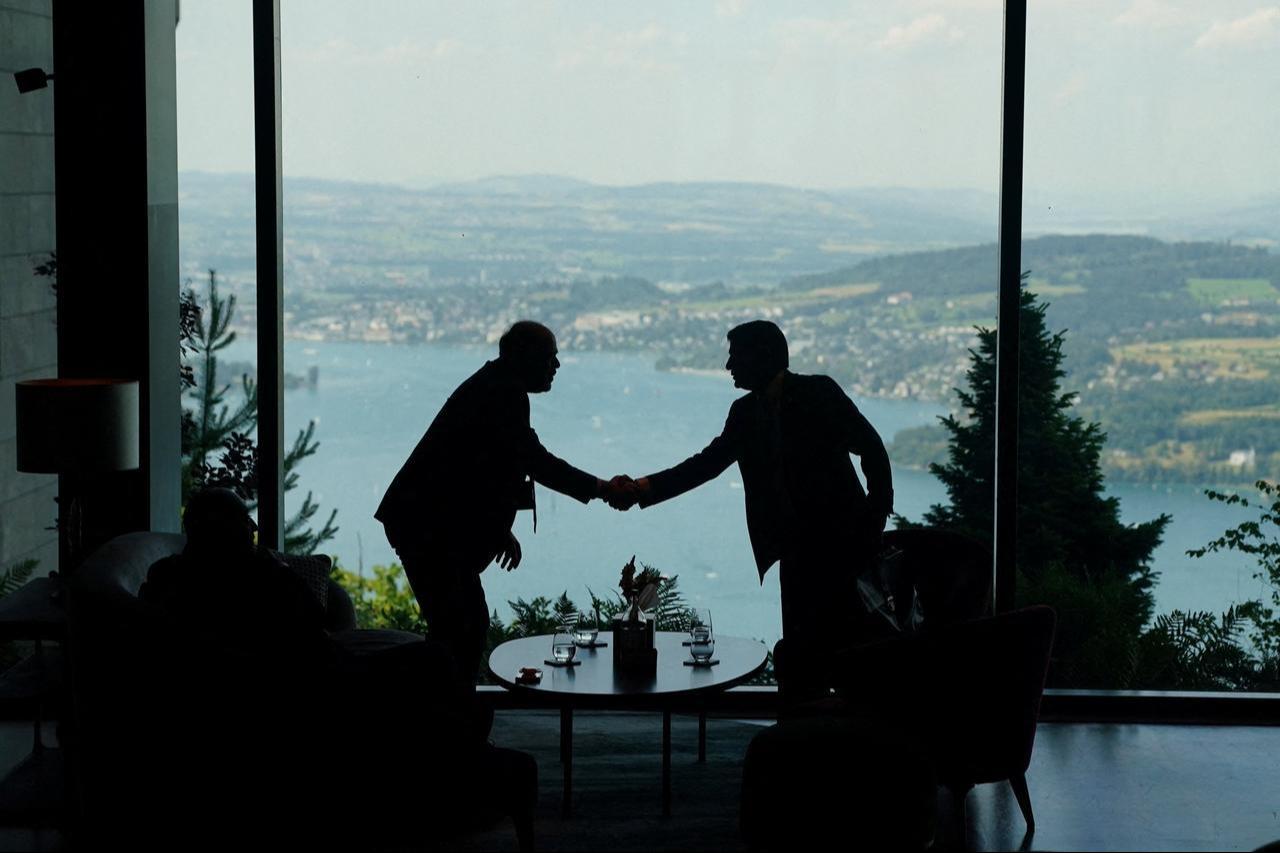

This role, which Switzerland performed for decades and which made it appear a safe haven and a politically and economically stable country, is now entering a dangerous phase of doubt. That doubt was first ignited by its passive stance on the war in Gaza.
The debate sparked by the war—intensifying as the Palestinian death toll climbed into the tens of thousands—has not ended. Instead, it has evolved into awkward political questions that continue to pursue officials:
Does condemning an aggressor amount to abandoning neutrality? And does that contradict the principles of international law on which Switzerland claims all its actions rest?
Government officials replied that condemning any party would constitute an actual departure from neutrality—an outcome that would carry a high cost for a country that built its reputation precisely on remaining above the fray.
Official Swiss statements confined themselves to condemning war and violence in general and urging the warring parties to respect humanitarian law and protect civilians. These statements were closer to empty gestures than to the expression of a real position.
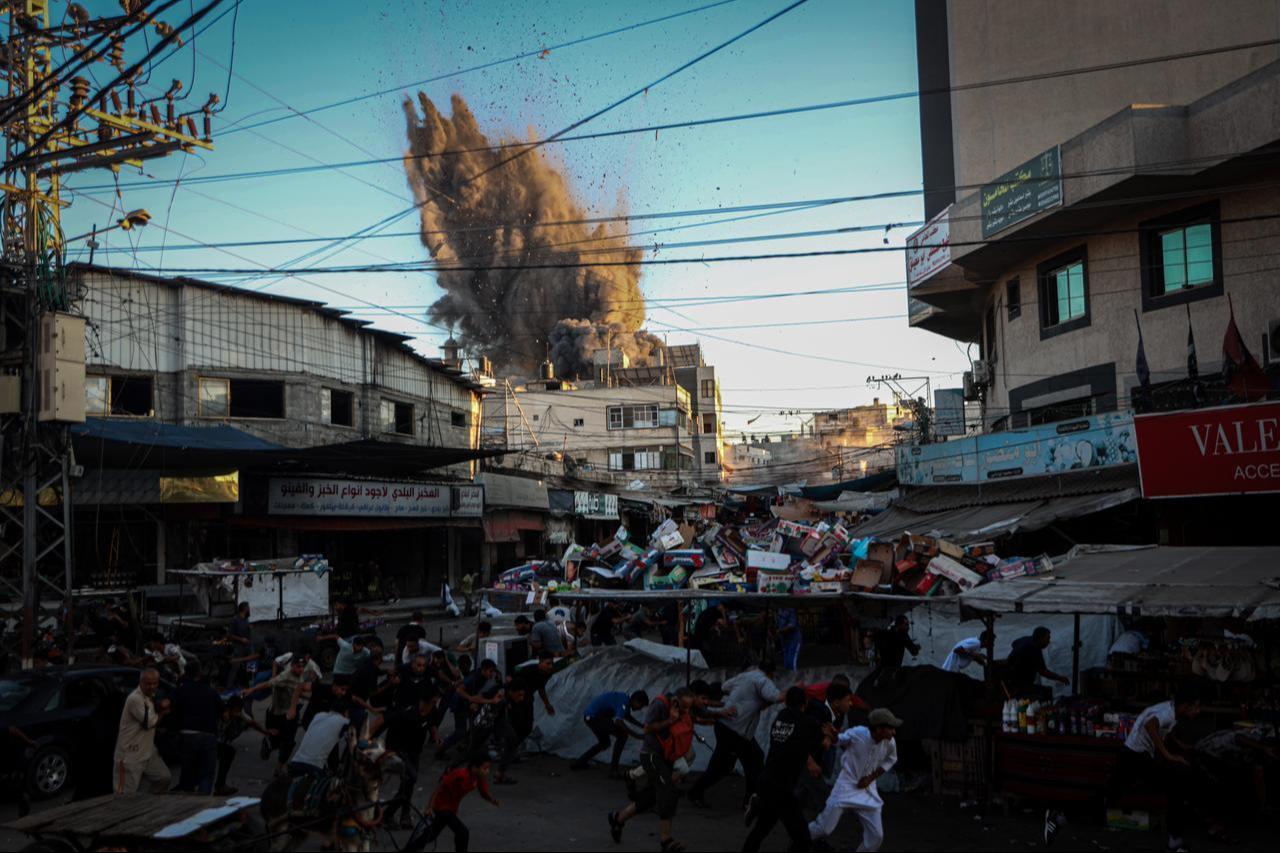
As the war expanded and images spread showing the brutality of Israeli actions and the occupying army’s deliberate infliction of the greatest possible harm on civilians, a deep division emerged.
Independent groups, organizations, and individuals felt a moral duty to show solidarity with the humanitarian tragedy, while the government remained dominated by right-wing parties tightly linked to Israel.
For a country that claims pure ethics guide its international conduct, maintaining relations with an army implicated in genocide and massacres was deeply uncomfortable.
This explains the secrecy surrounding the details of the visit. It is worth recalling that Switzerland has continued to refuse cooperation with Ukraine—despite the clear need for greater expertise in areas where Ukraine excels, above all, the handling of drones.
The stated reason for this reluctance was that Ukraine is currently engaged in a conflict, so that cooperation or the exchange of expertise and training would appear to be taking its side against Russia.
This logic, which was not applied in the past when Switzerland filled its coffers through financial dealings with all warring parties—including Nazi Germany during the Second World War—is being disregarded again today.
Although Tel Aviv is waging a bloody war and is an active party to one of the world’s major conflicts, this has not prevented Swiss officials from regarding it as one of their most important partners outside the European framework, particularly in defense technology and the import and export of arms.
Another question regularly arises in discussions of neutrality: is participation in international sanctions against a country acceptable, and is there a difference between economic and military sanctions?
Politicians reply that there is nothing wrong with it so long as it constitutes the enforcement of international law. Yet this merely generates a further question: what is international law, and is it truly neutral and just?
The concept of neutrality codified in the 1907 Hague Conventions—which set out the rights and duties of neutral states in wartime and detailed prohibitions such as allowing the passage of military forces or providing any form of support—differs from the broader contemporary understanding of neutrality, of which the United Nations Charter is the principal expression.
The U.N. Charter, accepted by all, leaves no room for neutrality. Its provisions distinguish between aggressor parties, which everyone is obliged to restrain, and injured parties, which must be granted the right of self-defense.
Assisting the injured party, even by supplying weapons, is therefore neither a violation of the law nor an act of fuelling war; it is permitted under the legal standard.
This is an important distinction between the older treaties and the new international agreement. The latter does not require states to withhold support from both sides in order to demonstrate neutrality and a desire to stay out of the conflict.
On the contrary, it permits—or even requires—that states not refrain from assisting the weaker, attacked party.
This was the principle relied upon during the global mobilization to repel Saddam Hussein’s aggression against Kuwait, and it is what led Switzerland, after initial hesitation, to join the economic sanctions imposed by the European Union on Russia after the outbreak of war.
The problem confronting Swiss neutrality policy is that it frequently turns into a form of complicity, the very charge now levelled at the Swiss foreign minister over his position on developments in the Palestinian territories.
To settle the debate and determine the will of the people, a vote has been called on the so-called “Neutrality Initiative."
Swiss citizens will go to the polls on Sept. 27, 2026, to decide its fate.
Whatever the outcome, it will have lasting consequences for the redefinition of what neutrality means for Switzerland in today's world.


 Set as preferred source
 Set as preferred source


 1 min read
 1 min read