Newsletters


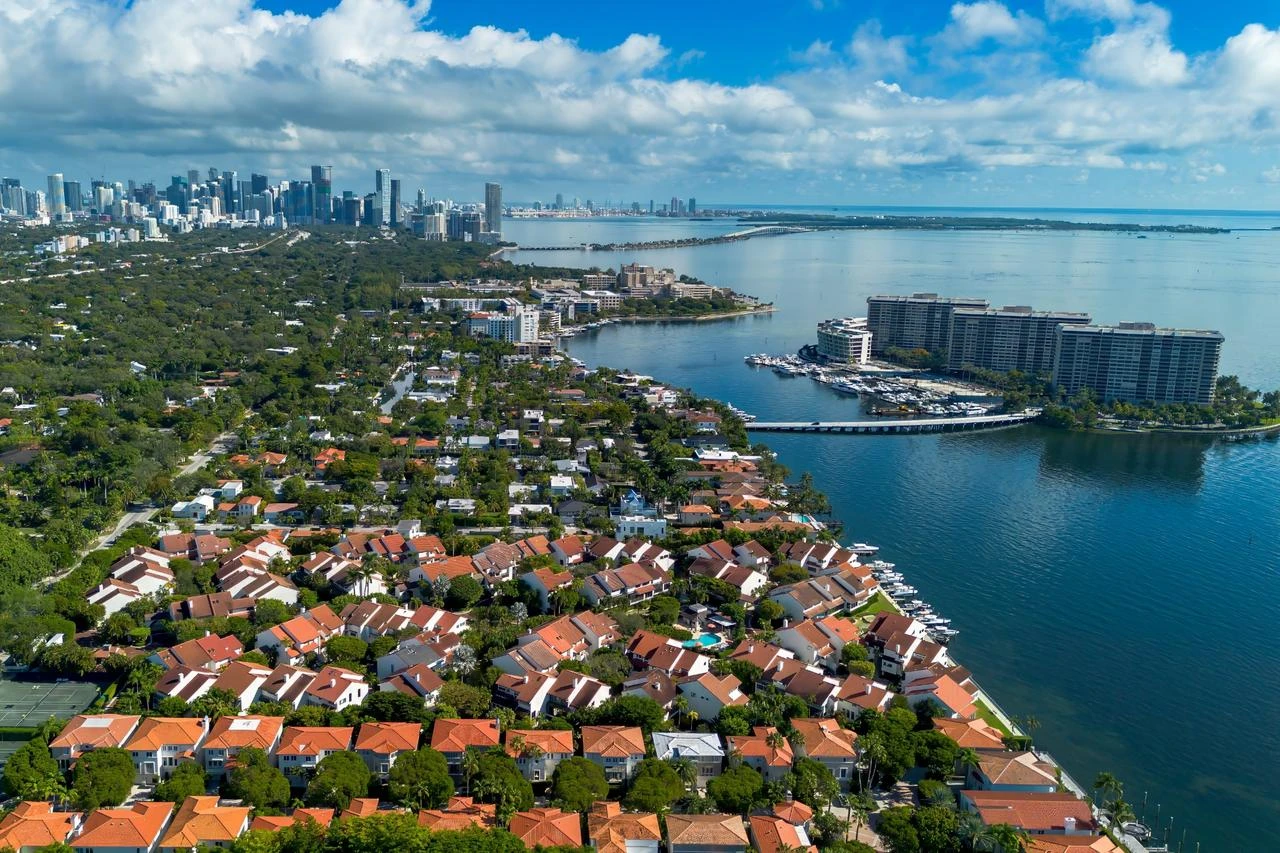


Miami has a way of making improbable things seem ordinary. The sun shines too brightly, the air hangs too heavily, and before long someone is telling you about the boat, the mansion, or, in Clemente’s case, the helicopter.
Clemente never really needed the helicopter. My guess was he was really after something that had become alien in Donald Trump's America. Trust, integrity, and purpose have never been for sale. Forget that, and eventually folks start shopping for substitutes.
Clemente was a Florida multimillionaire of uncommon generosity. Hospitals, shelters, and scholarships flourished wherever his money landed. He believed in helping people, funding public institutions and leaving the world tidier than he found it. Yet he celebrated Trump and MAGAs with the certainty other men reserve for gravity.
The question of ”why” came up so often it became a ritual.
"You wouldn't understand," Clemente would say, smiling as though the answer were self-evident. "Because you're not a billionaire."
It was either profound or ridiculous. I've never decided which.
When the Trump tax cuts swelled Clemente’s already abundant fortune, he rewarded himself with a new helicopter to fly around Florida.
"But Clemente," I affably roared over more than one breakfast of crispy bacon, "you didn't need the tax rebate to buy a helicopter. You have enough money to buy an entire squadron."
"You wouldn't understand," he merrily replied. "You don't have any real money."
A few days later, on December 27, 2023, the Hughes 369 E chopper his tax cut bought tumbled from the Florida sky into a filthy canal beside Miami International Airport.
Before the ruined Rolls-Royce engine had cooled, Clemente ceased to be a man and became an ideological quarrel. Admirers claimed him as proof MAGA capitalism works; critics as evidence it corrupts them.
We were all asking the wrong question.
Three years later, Clemente’s story is not an argument at all. It is a parable. Arguments tell us what to think. Parables ask what kind of people we have become.
His helicopter was bought with savings he never needed, carried a man who spent a lifetime giving money away, and demonstrated in a few irreversible seconds that wealth has limits it cannot negotiate. Money buys speed, comfort, and altitude. It cannot buy wisdom—or save us from mistaking the vehicle for the journey.
It also explains something else.
Capitalism rewards information. The merchant who knows tomorrow's wheat price before everyone else wins. The entrepreneur who sees the future before competitors builds fortunes.
Markets have always placed a premium on knowing first.
But democracies are supposed to place a premium on something even more valuable: fairness.
That is why the latest controversy surrounding President Trump's Truth Social platform matters regardless of politics. CNN this week reported that investors were being offered early access to the president's market-moving posts for a reported $100,000 a month.
The service, now marketed as Truth API, is aimed at institutional investors and algorithmic traders seeking presidential announcements milliseconds before everyone else.
Legal analysts disagree about whether this resembles insider trading. Perhaps it does. Perhaps it doesn't. Senators have demanded investigations while others insist no law has been broken.
That's not the interesting question.
Truth API turns the presidency into a premium financial product. The commodity is time: milliseconds sold to institutions wealthy enough to monetize them. Markets reward unequal information. Democracies cannot. When those principles collide, trust is the first casualty.
Markets cannot tell us when we have mistaken advantage for virtue.
The helicopter was never about buzzing across Florida. It was about mistaking purchasing power for judgment. The same confusion appears whenever influence becomes another asset for sale. The trade may be lawful. The bill arrives anyway.
Money buys whirlybirds. It buys milliseconds. It has never purchased judgment.


 Set as preferred source
 Set as preferred source


 1 min read

 1 min read