Newsletters


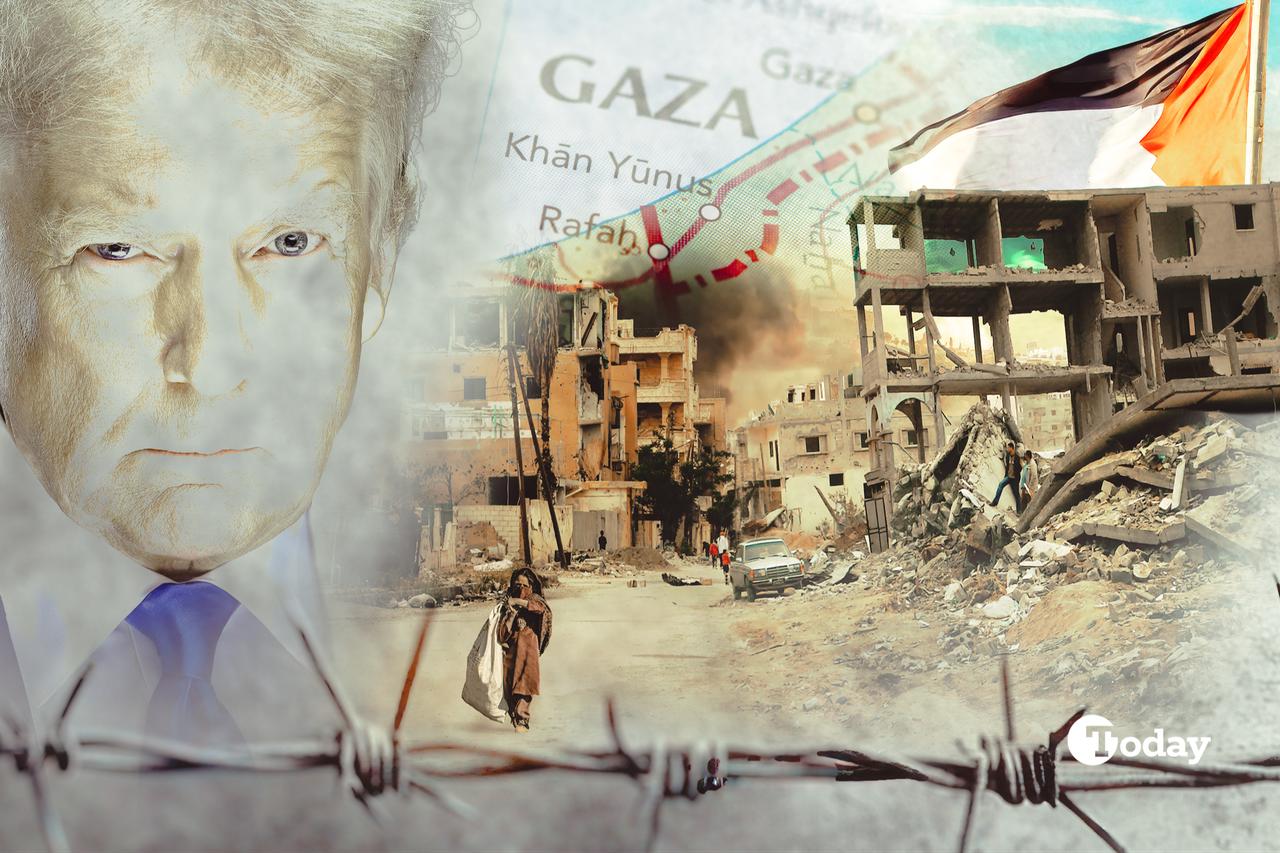


In a development that surprised experts, historians, and the greenskeeper at the Aquaboulevard Mini Golf Course in Paris, U.S. President Donald Trump in January announced the formation of a brand-new “Board of Peace” at the World Economic Forum in Davos. This clique of “very serious people” is tasked with bringing harmony to troubled parts of the world, possibly by installing valet parking.
Reports now indicate the board is scheduled to powwow sometime this month in Washington. The mission, according to the announcement, is to "reimagine peace in bold, luxury-forward ways," which appears to involve looking at the long-standing humanitarian crisis in Gaza and asking, but what if this were a resort.
"We have an opportunity to do something that could be phenomenal," Trump enthused when he first floated the real estate deal last February.
"And I don’t want to be cute. I don’t want to be a wise guy. But the Riviera of the Middle East. The U.S. will take over the Gaza Strip, and we will do a job with it, too. We’ll own it."
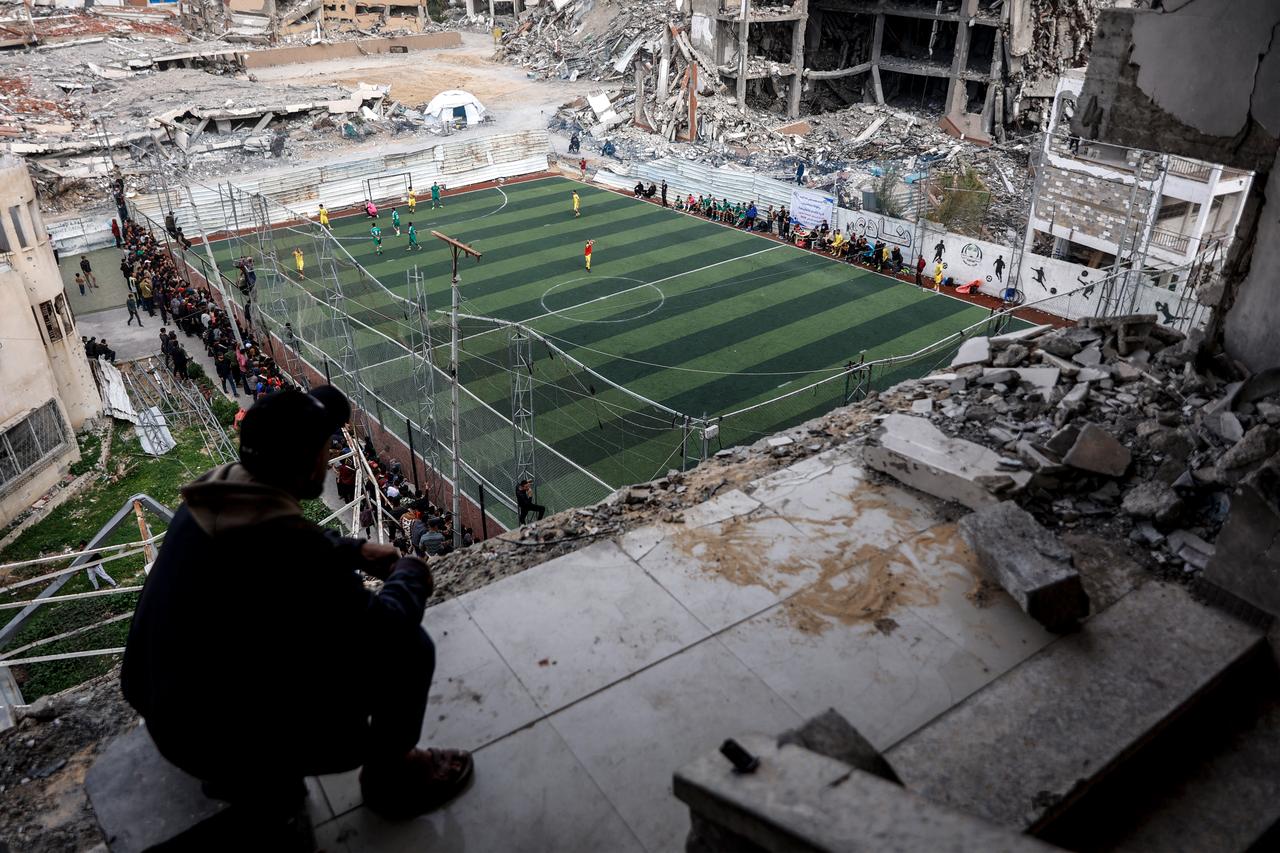
Gaza is many things. It’s ancient. It’s densely populated. It’s politically tragic. It is the site of profound human suffering. What Gaza is not, and has never been, is a blank slab of beachfront waiting for an 18-hole golf course and Louis Vuitton outlet.
Having covered both of those waterfronts since the late 1970s, I can pretty much guarantee the script soon to go down behind closed doors will read: "This place has tremendous potential," says one board member, who bankrupted four casinos in Atlantic City. "Once you clear out the rubble, the people, and the context, it’s basically Palm Beach."
"Peace is about vibes," adds another of those who ponied up the $1 billion Trump demands to join the club. "Nothing says ceasefire like a massage and a Jacuzzi."

Enter President Recep Tayyip Erdogan, whose name surfaced in discussions of the Board in a way that surprised many observers, mostly because the Turkish leader’s actual track record in regional crises does not involve miniature windmills on putting greens.
If you recall—history being notoriously inconvenient—Türkiye under Erdogan took in some four million Syrian refugees fleeing the Assad regime. Not as a branding exercise. Not as a luxury development opportunity. He did it by doing the boring, unappealing work of building temporary housing, schools, clinics, and hospitals.
This is not to say it was perfect. The project is expensive, politically risky, and logistically brutal. Which is precisely why it’s worth mentioning.
But on the Board of Peace, reality is viewed as a hostile witness. As a board member might explain to Erdogan, "We appreciate your thoughts on compassion, but we’re mostly interested in whether Syrian refugees preferred their poolside towels folded into swans or gazelles."
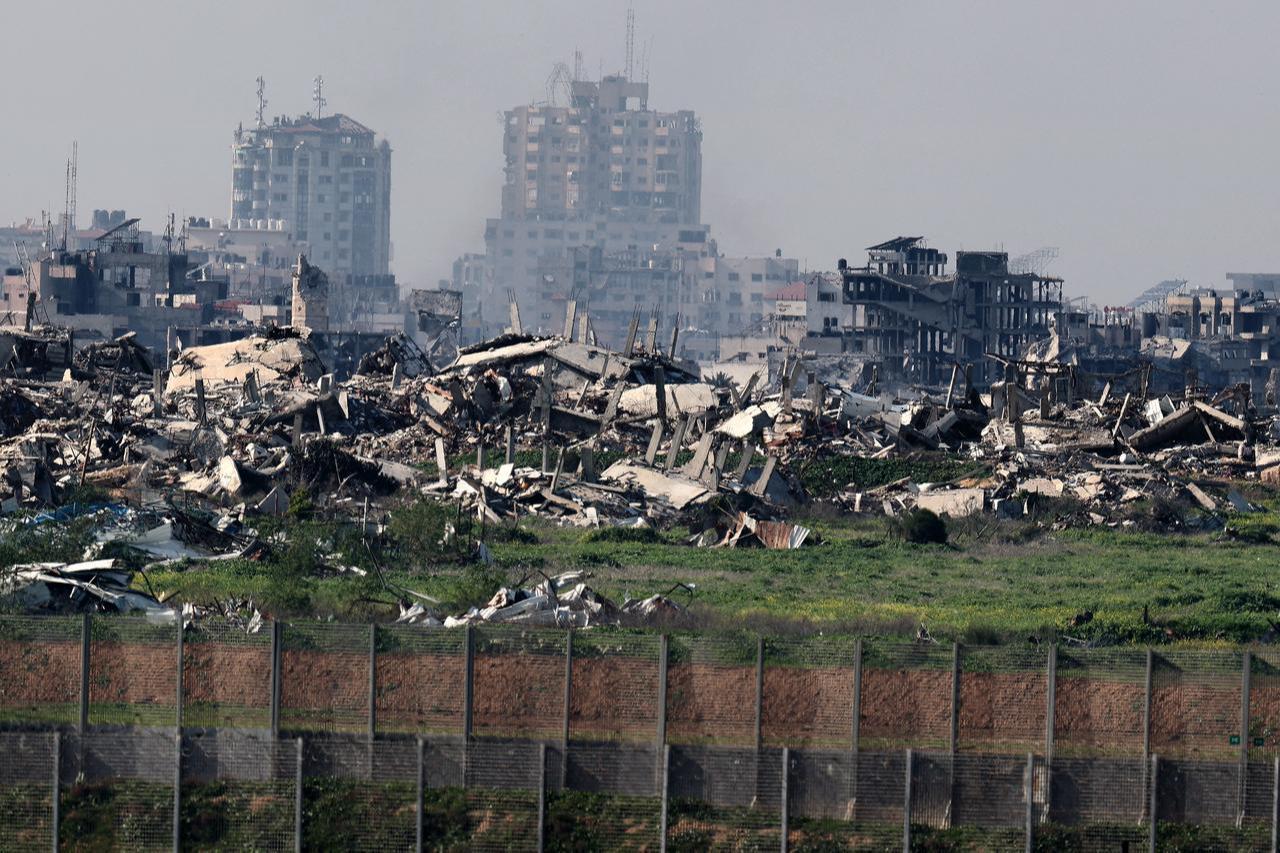
Gaza needs houses that do not reduce to rubble, medical facilities that do not run out of electricity, and schools that do not double as emergency shelters.
Gaza needs sewage systems that work, hospitals with trauma wards, and reconstruction efforts measured in decades, not quarterly earnings reports.
You cannot rebrand malnutrition. You cannot disrupt amputations. And you most certainly cannot solve post-traumatic stress disorder with a timeshare.
"A grand Mar-a-Lago, by golly, that’s the idea,” was how Le Monde, the French newspaper of record, described the scene. "Luxury villas in olive groves, buildings in local style on the waterfront. With a golf course in the dunes, the holes for bunkers are already there."
But a nonetheless enticing altruistic endeavor, right?
New York state in 2018 legally required Trump to dismantle his last charitable getaway, the Trump Foundation, because it "functioned as little more than a checkbook to serve Trump’s business and political interests," then-New York Attorney General Barbara Underwood said in a statement. She cited "a shocking pattern of illegality involving the Trump Foundation—including unlawful coordination with the Trump presidential campaign, repeated and willful self-dealing, and much more."
Yet Trump remains as the Chairman of the Board of Peace. As one of his legion of blithe mimics in 2025 spritzed on social media about building golf courses, "Gaza is already a hole. All we have to do is add 17 more."
Or as one player told me privately after a round at Trump International Golf Club West Palm Beach, "Once people see a golf course, they’ll forget about the war," he said, only half jokingly. "That’s just science."
Erdogan’s history is awkward for Trump’s fantasy.
When Syrian refugees crossed into Türkiye, they did not arrive toting investment portfolios. They were carrying children, injuries, and whatever they could grab while running from bombs.
Türkiye responded by building the deeply unglamorous scaffolding of human survival. No ribbon-cutting ceremonies for bespoke spas. Just concrete, doctors, teachers—and budgets that made accountants weep.
If Gaza were to receive that kind of attention—housing first, healthcare first, dignity first—it would not be flashy. It would not be Instagrammable. It would not come with branded baseball caps. But it might actually work.
Sure, golf courses are peaceful. But they work best when not built atop mass displacement, unresolved trauma, and international law violations. Grass grows poorly in rubble, especially when watered with irony.
Peace is built. It’s not branded.
Gaza does not need a clubhouse. It needs a chance.


 Set as preferred source
 Set as preferred source



 7 min read