Newsletters


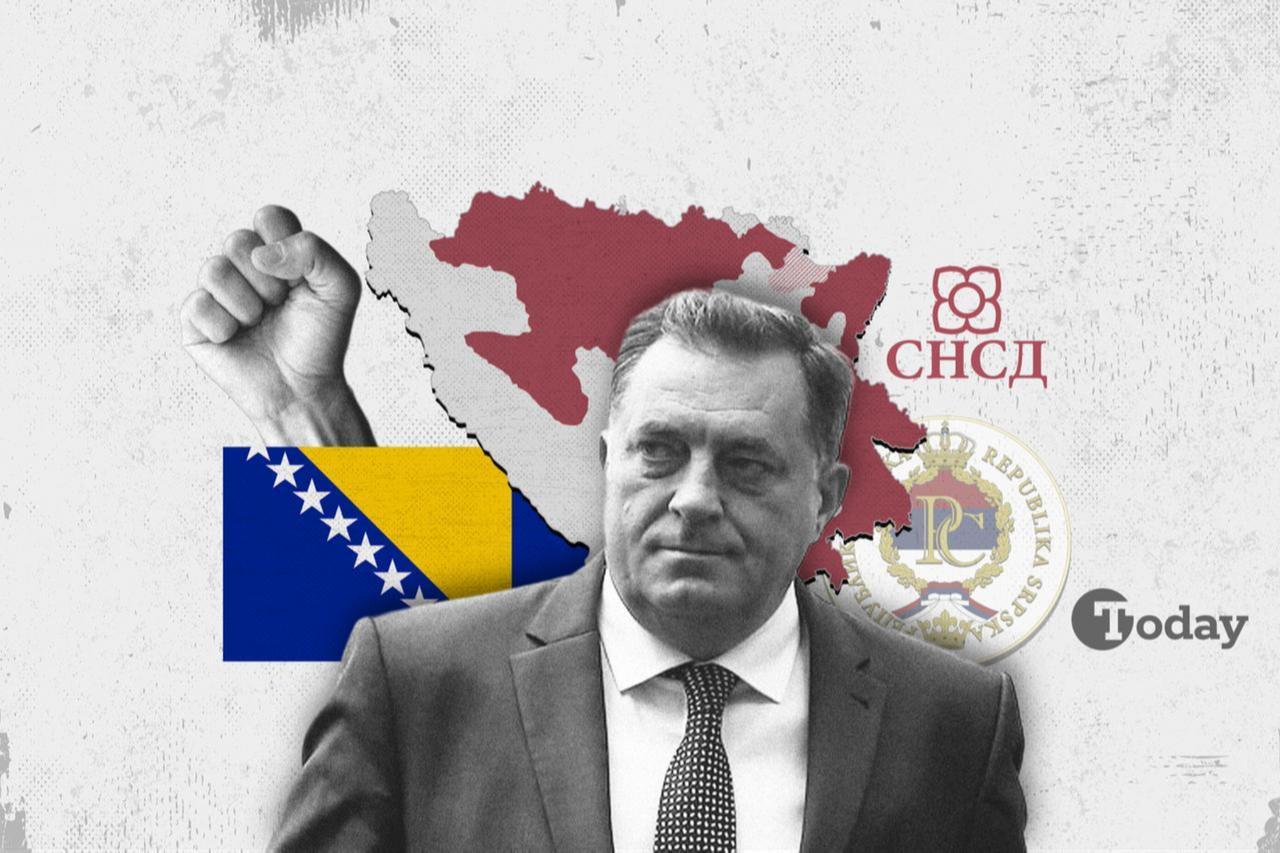


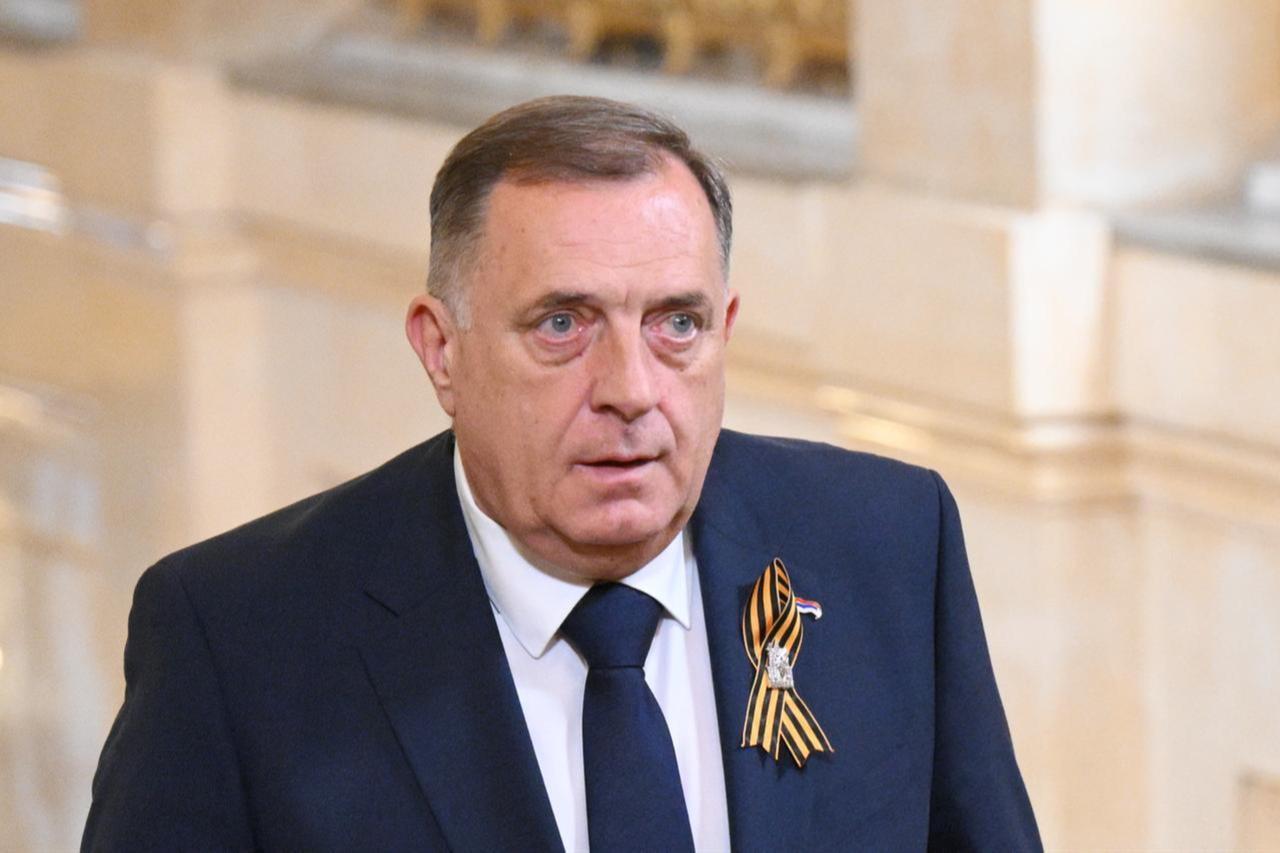
Milorad Dodik, the most powerful figure in the Bosnian Serb entity Republika Srpska, had plenty to celebrate this week.
At a rally in Banja Luka marking his ally Sinisa Karan’s victory in a repeat presidential election, Dodik declared that “Muslims want harm for Serbs” and claimed that if Republika Srpska were to pursue secession, “at least 15 countries” would support such a move and recognize it.
Had I heard this before 2024, I would likely not have taken it seriously. In today’s global context, however, his claim cannot be dismissed so easily.
Such statements are not new in Dodik’s political repertoire. What makes them different this time is the context in which they were delivered, just days after Dodik returned from Washington.
That context matters.
Only days before the vote, Dodik and Zeljka Cvijanovic attended events linked to the U.S. National Prayer Breakfast, an annual gathering that blends religion and politics and offers foreign leaders access to American lawmakers, officials, and conservative power brokers.
Upon returning home, Dodik described the visit as “substantive, not ceremonial,” presenting it as proof that Republika Srpska is now being taken seriously at the highest levels of global power.
For years, Dodik had been under U.S. sanctions. Imposed by the U.S. Treasury, these measures were introduced to undermine the Dayton Peace Agreement, obstruct Bosnia and Herzegovina’s state institutions, and engage in activities Washington described as corrupt and destabilizing.
The decision by President Donald Trump’s administration to lift those sanctions marked a clear political reversal, signaling a willingness to re-engage with Dodik despite his continued rejection of Bosnia’s constitutional order.
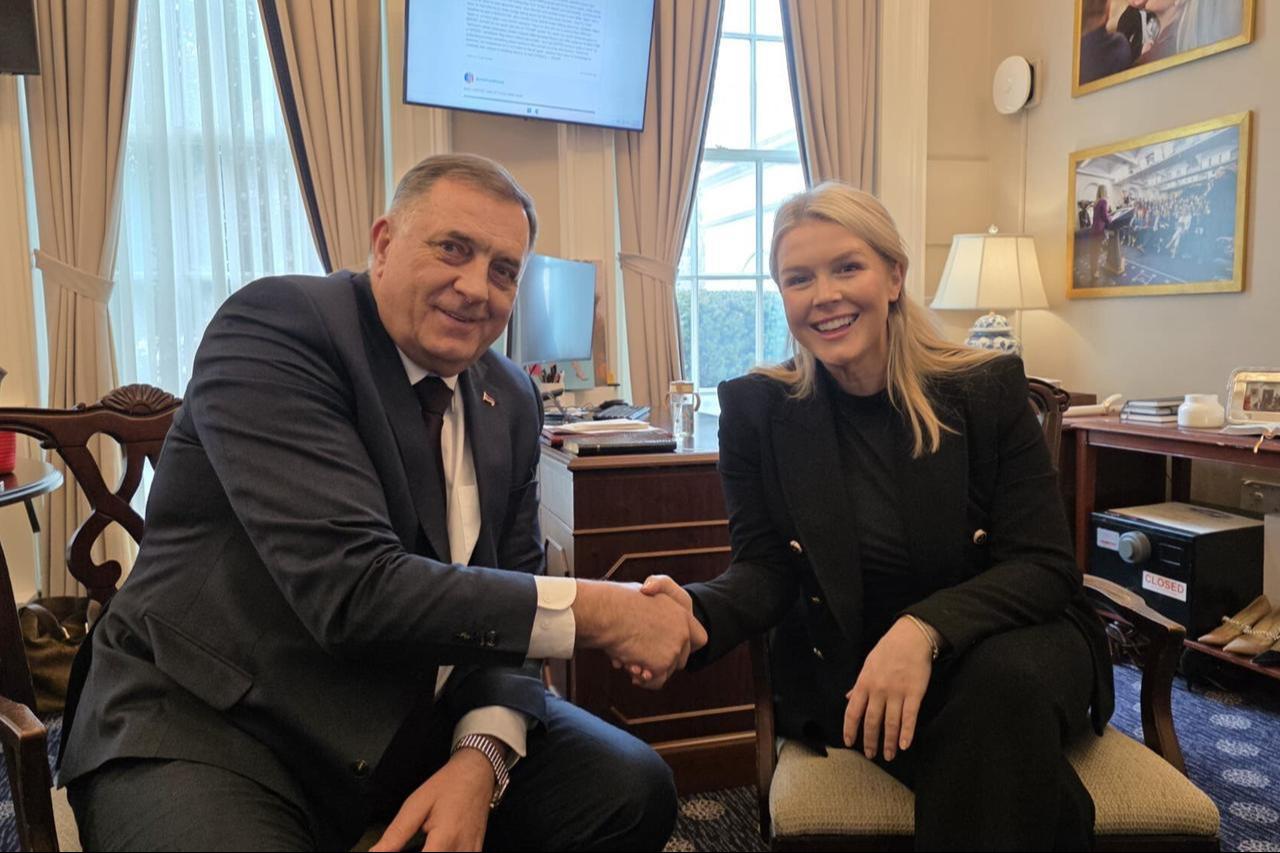
One of the meetings highlighted by Dodik was with White House press secretary Karoline Leavitt. Born in 1997, two years after the war in Bosnia and Herzegovina ended, Leavitt almost certainly did not grow up with any lived understanding of the genocide, ethnic cleansing, and mass atrocities committed by the Bosnian Serb Army that shaped the country.
More troubling, however, is the signal sent by the meeting itself. Leavitt would not have met Republika Srpska officials without approval from Trump.
That approval alone sends a powerful message that Trump now views Dodik and his circle as legitimate interlocutors on Bosnia’s future.
This represents a striking shift. These are the same political actors who openly deny the Srebrenica genocide, a crime recognized by international courts and by the United States itself, calling it a “myth” fabricated by Muslims.
They are also the same figures who have repeatedly undermined the Dayton Peace Agreement, the U.S.-brokered deal that ended the Bosnian War in 1995.

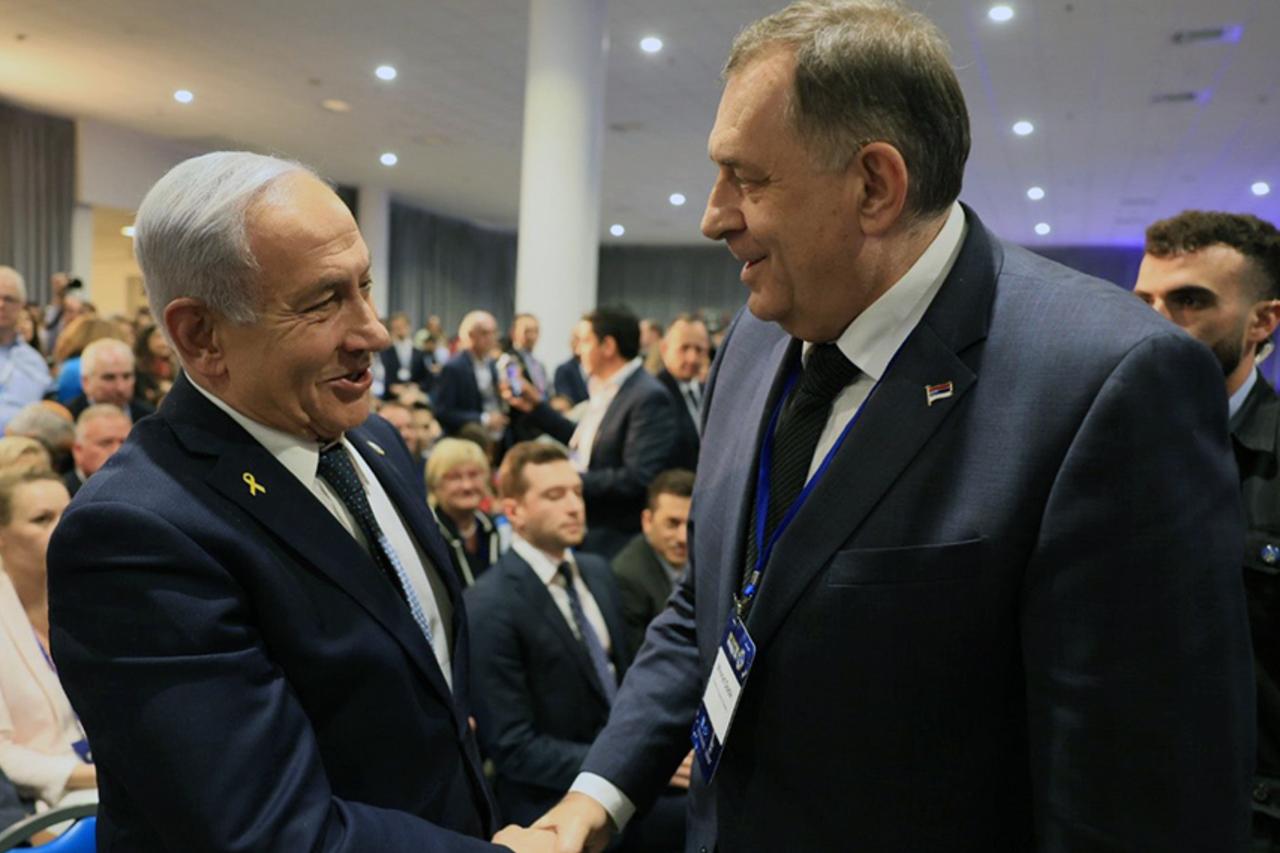
Dodik’s Washington visit did not happen in isolation. It came immediately after his trip to Israel, where he met with Prime Minister Benjamin Netanyahu and senior Israeli officials.
Following those meetings, Dodik spoke of a shared struggle against a “common enemy,” language echoed across sympathetic media outlets that described this enemy as Muslims and terrorism, a framing that collapses political violence, religion and entire communities into a single threat.
This narrative has become familiar. It is the same one used to justify genocide in Gaza. It is the same one invoked when civilians in Nigeria are bombed under the pretext of protecting Christians.
It is also the same narrative Dodik now imports into Bosnia, portraying Republika Srpska as a “Christian space” under threat from Muslims.
Dodik’s diplomatic tour this year also included Hungary, whose Prime Minister Viktor Orbán has built an entire political ideology around portraying Muslims as a civilizational danger to Europe. Hungary has repeatedly shielded Dodik within the European Union, framing him not as a destabilizing nationalist but as a defender of so-called European values.
Taken together, these alliances form a clear pattern. Bosnia is no longer being discussed merely as a post-conflict state struggling with institutional dysfunction. It is being reframed as a frontline in a global culture war, one that pits Christianity against Islam and civilization against an imagined threat.
For Bosnians, this framing is not theoretical. They have seen it before.
When Ratko Mladic entered Srebrenica in July 1995, the now-convicted genocidaire declared that it was time to “take revenge on the Turks,” referring not to any living enemy but to a distorted historical memory of the Ottoman Empire.
The result was the murder of over 8,327 Muslim men and boys in the worst atrocity on European soil since the Holocaust.
That is why Dodik’s words matter. That is also why silence from powerful capitals matters even more.
What gives Milorad Dodik and his party their strength is not ideology alone, but a shared and unwavering objective: the independence of Republika Srpska.
This is precisely what Bosnian political actors, regardless of party affiliation, have so far failed to match.
If there is one goal around which they must now unite, it is the rejection of anti-Muslim narratives that have repeatedly proven destructive in Bosnia.
Dodik is no longer acting in isolation. He has visible allies within the American political establishment, close ties with Israeli Prime Minister Benjamin Netanyahu, and remains Russian President Vladimir Putin’s most reliable partner in this part of Europe.
The problem with Bosnia has always been the absence of collective resolve.
If the country is to withstand the pressures now facing it, its leaders must finally find a way to build it.


 Set as preferred source
 Set as preferred source


 1 min read
 1 min read