Newsletters


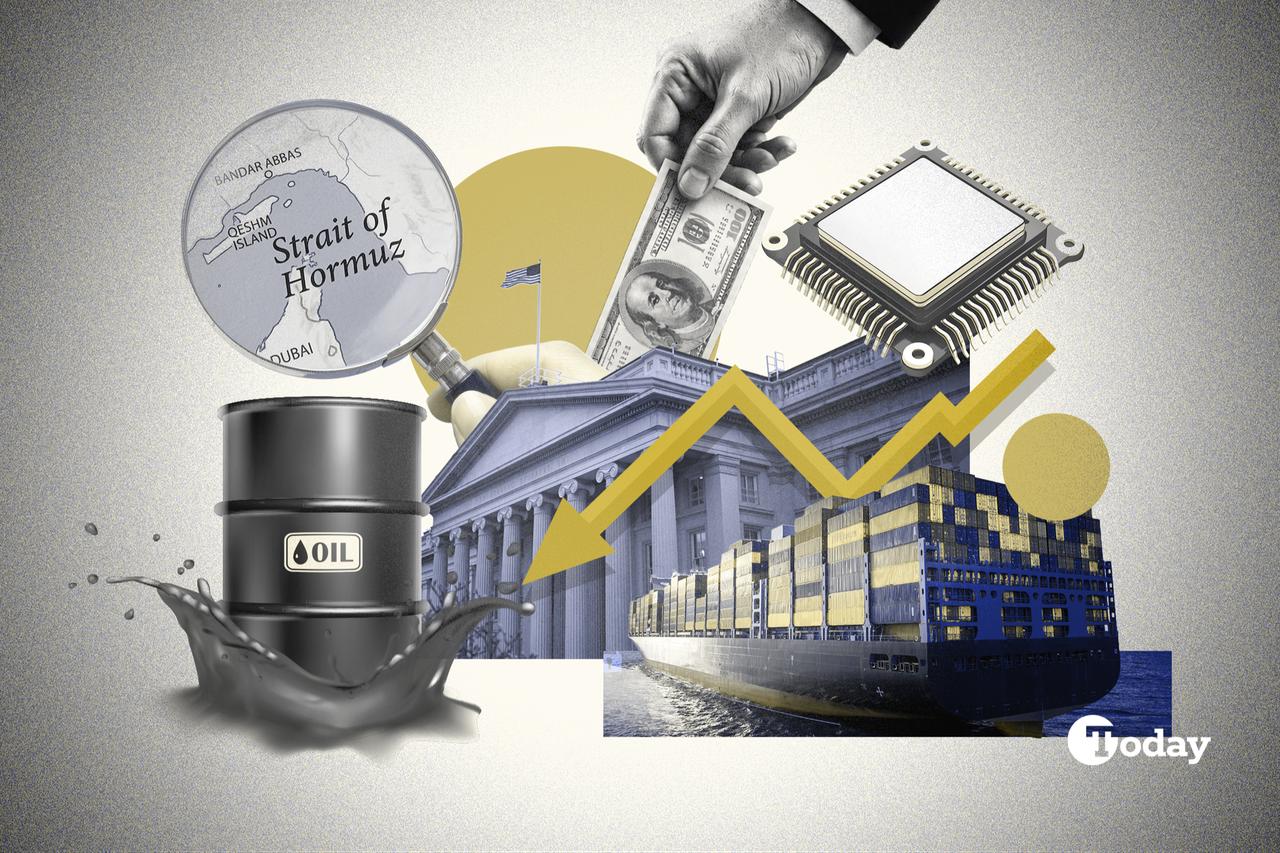


There was a time when the global economy ran on a simple, albeit rudimentary logic: the world needed oil, oil was priced in dollars, and every barrel pumped out of the Gulf became one more reason for the planet to hold greenbacks instead of spending them on something else.
That arrangement had a name—the petrodollar—and for the better part of three decades, it quietly did more to underwrite American hegemony than any maritime armada. Oil exporters amassed immense wealth. America enjoyed subsidized borrowing. Everyone perceived it as conventional commerce, except for periods of acute geopolitical friction.
That world has largely dissipated, and the strange part is that scarcely anyone observed its departure. Saudi Arabia, the country that essentially coined the term "petrodollar surplus," isn't running one anymore. It's running fiscal and trade deficits, a trajectory they had anticipated long ago as Riyadh and Abu Dhabi reallocated their hydrocarbon revenues toward constructing an economy independent of petroleum, heavily favoring the adoption of AI. The piggy bank was depleted intentionally.
And while the world has spent the past year fixated on the Middle East, watching Iran, watching the conflict, assessing whether the old petrodollar narrative still retained its efficacy, the actual engine of dollar demand relocated. It moved to chip fabrication facilities in Taiwan and assembly lines in South Korea.
The new surplus economies etch silicon rather than extracting crude. And they are recycling their revenues back into America in a pattern that mirrors the exact systemic recycling the Gulf utilized half a century ago.
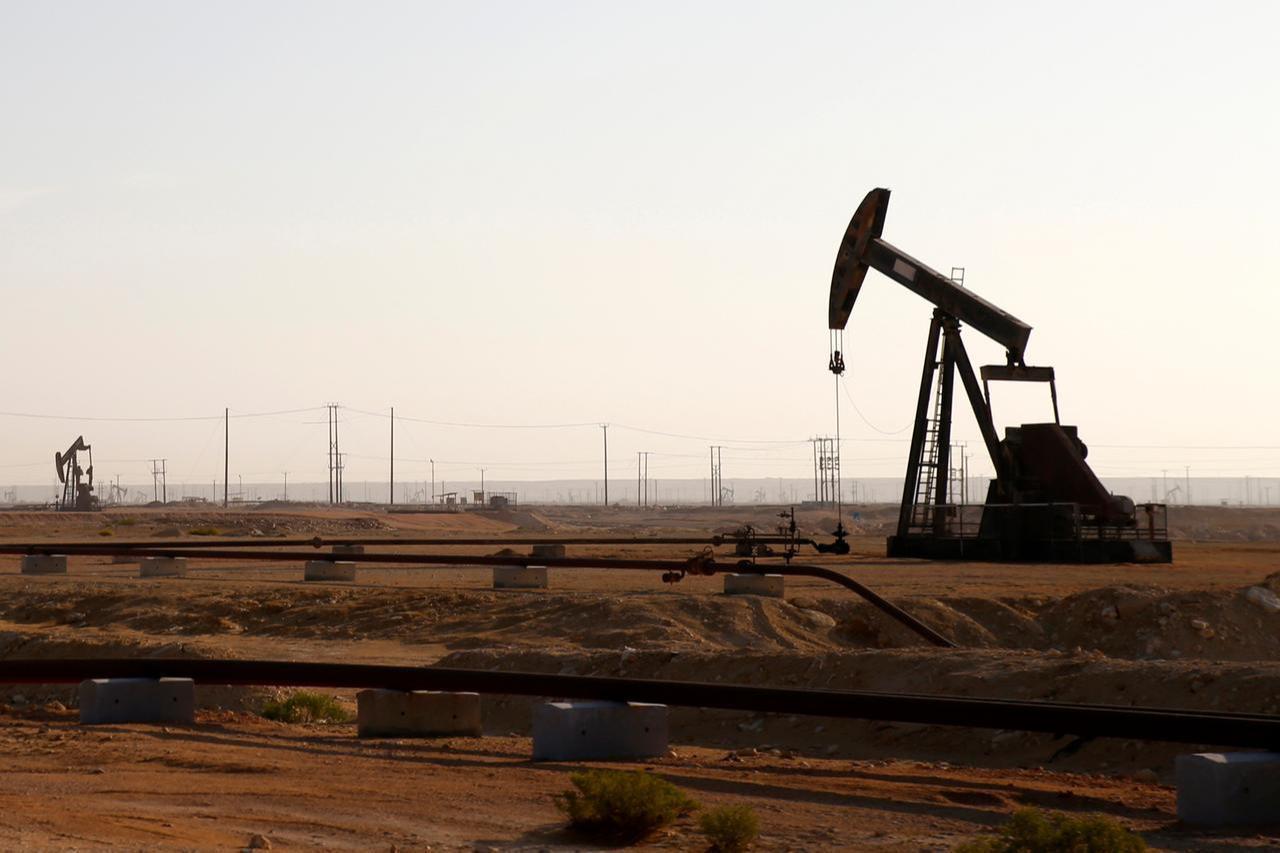

Oil-exporting countries sold their crude in dollars because that's how the global oil trade was denominated. That single fact created enormous structural demand for the dollar—an instantaneous, captive demand, year after year, regardless of what was occurring elsewhere in the global economy.
But the real genius of the system was what happened subsequently. Those petrodollars didn't just sit in vaults. They got recycled—funneled back into American assets, and specifically into U.S. Treasury bonds, the safest, most yield-bearing parking spot on the planet. This is what became known as petrodollar recycling, and it built a closed loop that was mutually advantageous, except in the sense that it was disproportionately beneficial to the United States.
Recycled petrodollars helped keep American borrowing costs low. They helped make Treasuries the world's favorite form of debt. And Treasury demand and dollar demand became mutually reinforcing—the dollar was popular because Treasuries were appealing, and Treasuries were appealing because you required dollars to acquire them in the first place.
This was the engine of the 1970s and early '80s specifically because the U.S. was, at the time, a major oil importer. America would expend dollars buying Middle Eastern crude, and Middle Eastern states would send those same dollars right back to Washington in exchange for government debt.
That era is closing, and for three concrete reasons. First, the shale revolution turned the United States into a net oil exporter, which makes the entire concept of "recycling" almost paradoxical—there's no longer a steady outbound flow of American dollars chasing foreign crude.
Second, oil exporters themselves face tighter budget constraints than in the past. Saudi Arabia is a prime example: while oil revenues remain substantial, Riyadh’s aggressive spending to diversify its economy away from hydrocarbons leaves far less surplus cash to plow back into U.S. Treasuries.
The kingdom has been running both fiscal and trade deficits for the past couple of years, the precise opposite of a petrodollar surplus state.
And third, even the oil exporters still posting real surpluses don't appear to be buying Treasuries at anything like the historical rate. The clearest evidence of this sits in the last few weeks of market data.
Historically, Treasuries rally during an oil crisis—partly because oil exporters recycle fresh revenue into them, and partly because Treasuries are the textbook safe-haven asset during turmoil. None of that happened this time. Treasury yields have trended upward since the war in Iran began, not downward. The old reflex didn't fire.
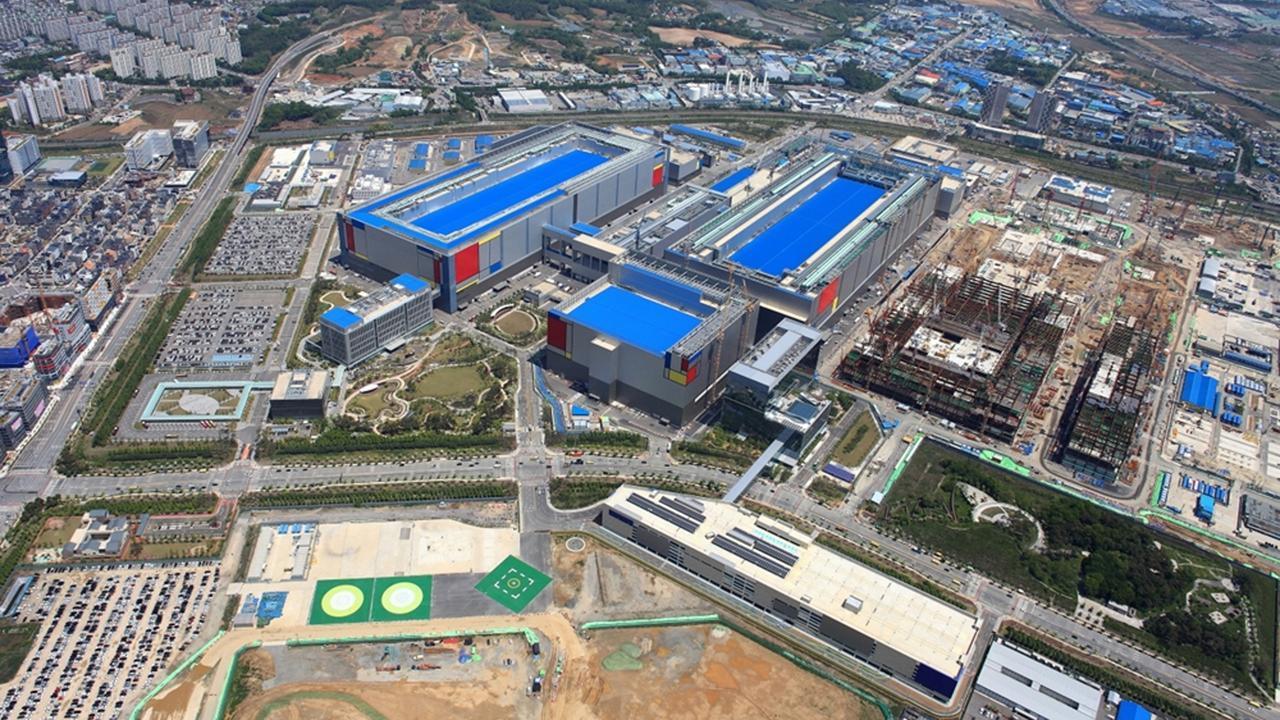
So if it isn't oil money propping up the dollar, what is? The two commodities the entire planet currently cannot get enough of: semiconductors and AI infrastructure.
Taiwan has TSMC. South Korea has Samsung and SK Hynix. And thanks to the AI boom, both countries are sitting on what can only be described, without much exaggeration, as astronomical sums of cash.
Here's where it gets genuinely strange. Basic trade economics dictates that an export boom of this magnitude should be making the Taiwan dollar and the South Korean won stronger.
A country selling more of its goods abroad earns more foreign currency, and that foreign currency eventually gets converted back into the domestic currency to buy domestic goods and services—which pushes the home currency up. That's the textbook sequence: export boom, currency appreciation, and ultimately a more balanced trade account as imports rise to match.
That isn't what's happening. Both the Taiwan dollar and the Korean won have actually depreciated against the U.S. dollar in recent months, despite presiding over historic export booms.
The money came in. It didn't come home. It went somewhere else entirely—and the most logical place, given everything else transpiring in currency markets right now, is the United States.
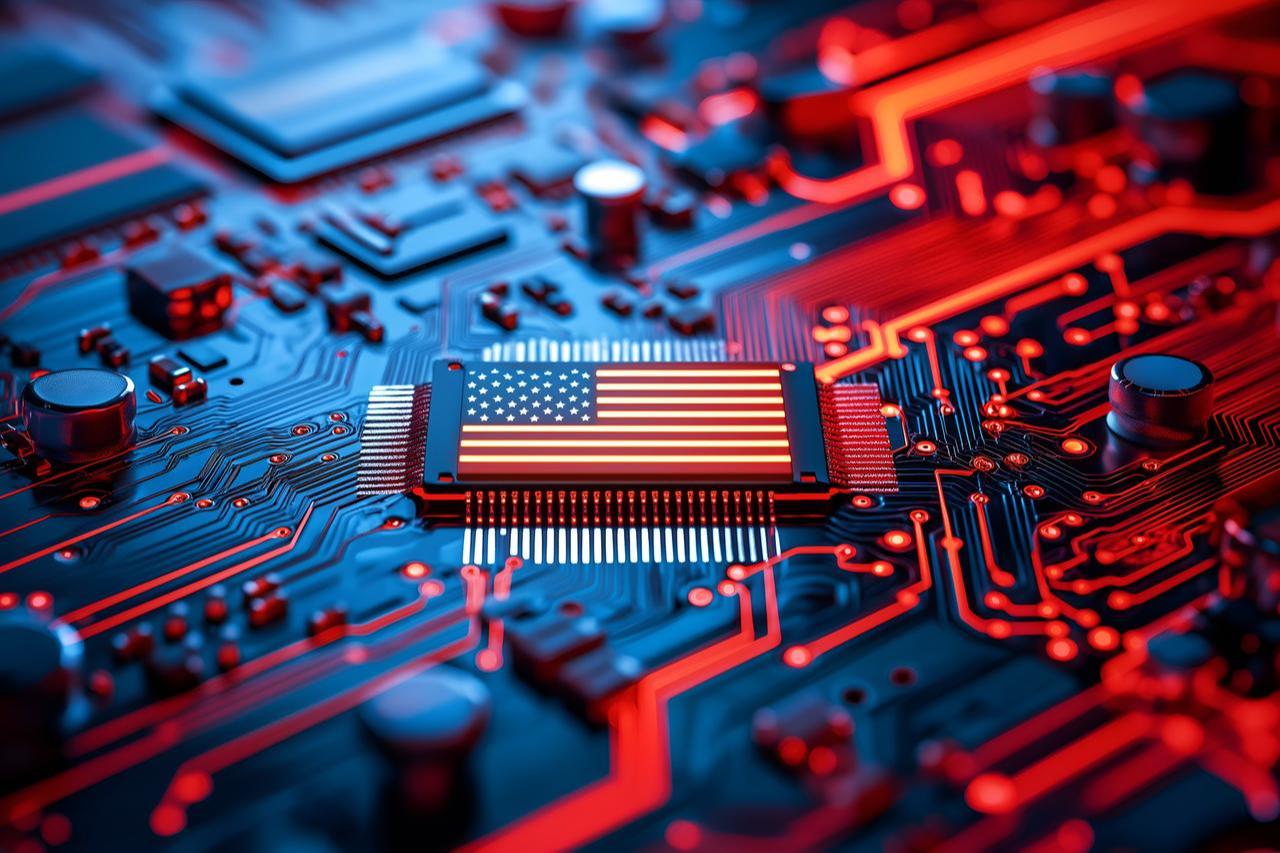
For the United States, in the short run, this is close to a windfall. But the US economy was already leaning heavily on AI-driven optimism for its growth narrative. Now it's also leaning on AI-driven capital inflows to keep its borrowing costs down and its markets liquid. That's doubling down on the same bet from two different directions simultaneously.
Which is what makes the dollar's current strength such an oddly two-faced signal. Part of the rally stems from genuine confidence — investors betting the AI boom keeps running, keeps generating surpluses, keeps recycling itself into American assets. But part of it may also be coming from the opposite instinct entirely: investors who are worried about an AI bubble bursting, moving into dollars precisely because the dollar has always been the asset markets reach for in a crisis, the way it surged during the 2008 collapse — not because anyone believed in the viability of the US economy that week, but because panic has a reflex, and the reflex is dollars. Two completely opposite theories about where AI is headed, and somehow both of them point the same investors toward the same currency.
All of this is unfolding against a backdrop that makes the timing almost too neat. The war in Iran, contrary to the regime-change talk that opened it, appears to have left Tehran's grip on power intact rather than broken it.
Markets, meanwhile, found their own reasons to cheer—a Federal Reserve under its new chair signaling it won't simply cut rates on command, U.S. economic data quietly beating forecasts, and a string of Asian currencies sliding even as their economies post historic booms.
The petrodollar was the financial architecture of an oil-centered century. What's replacing it wasn't built in Riyadh or Vienna. It's being built, almost by accident, in the surplus accounts of Taipei and Seoul—one bond purchase, one insurance premium, one day-trader's brokerage account at a time.
The petrodollar, in other words, is a relic. Nobody is entirely sure yet what to call the thing that replaced it. But it's already running the engine.


 Set as preferred source
 Set as preferred source


 7 min read