Newsletters


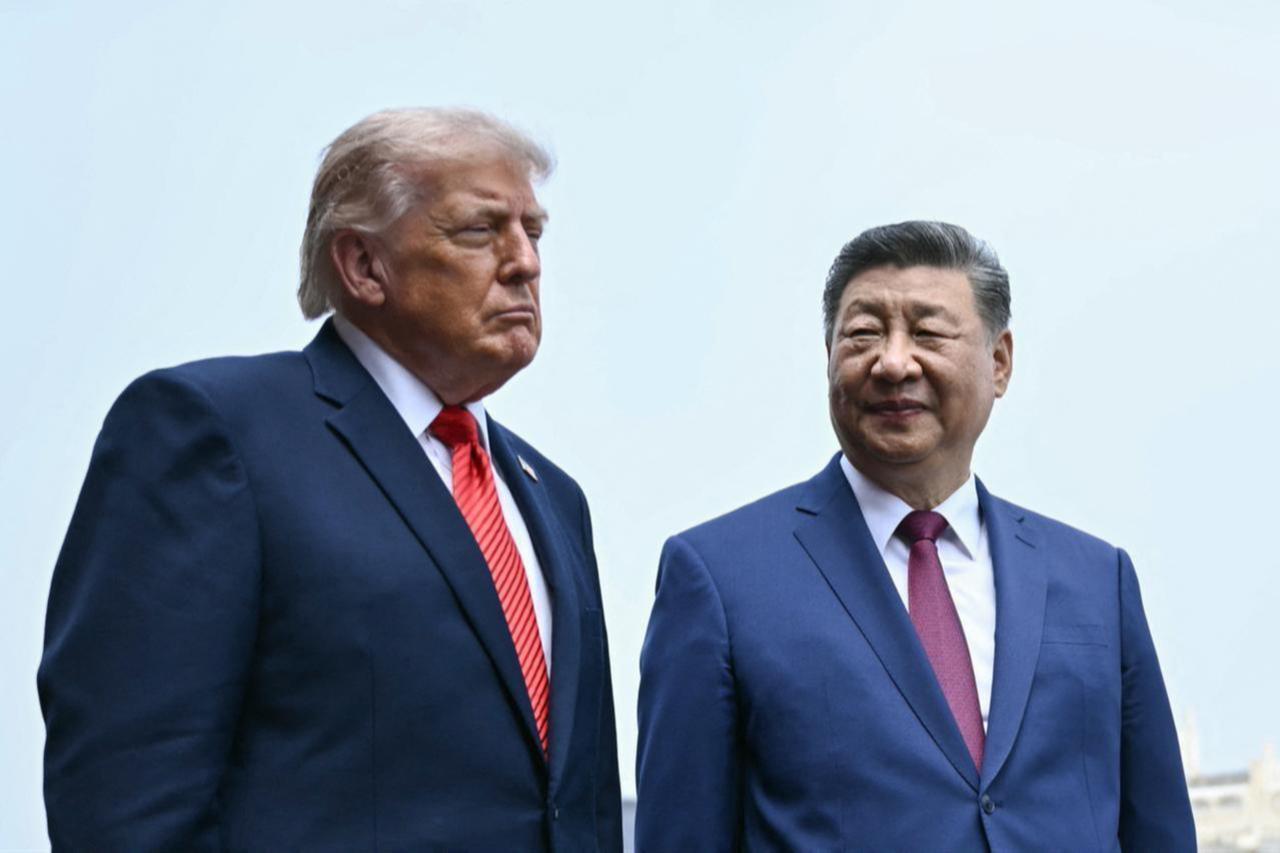


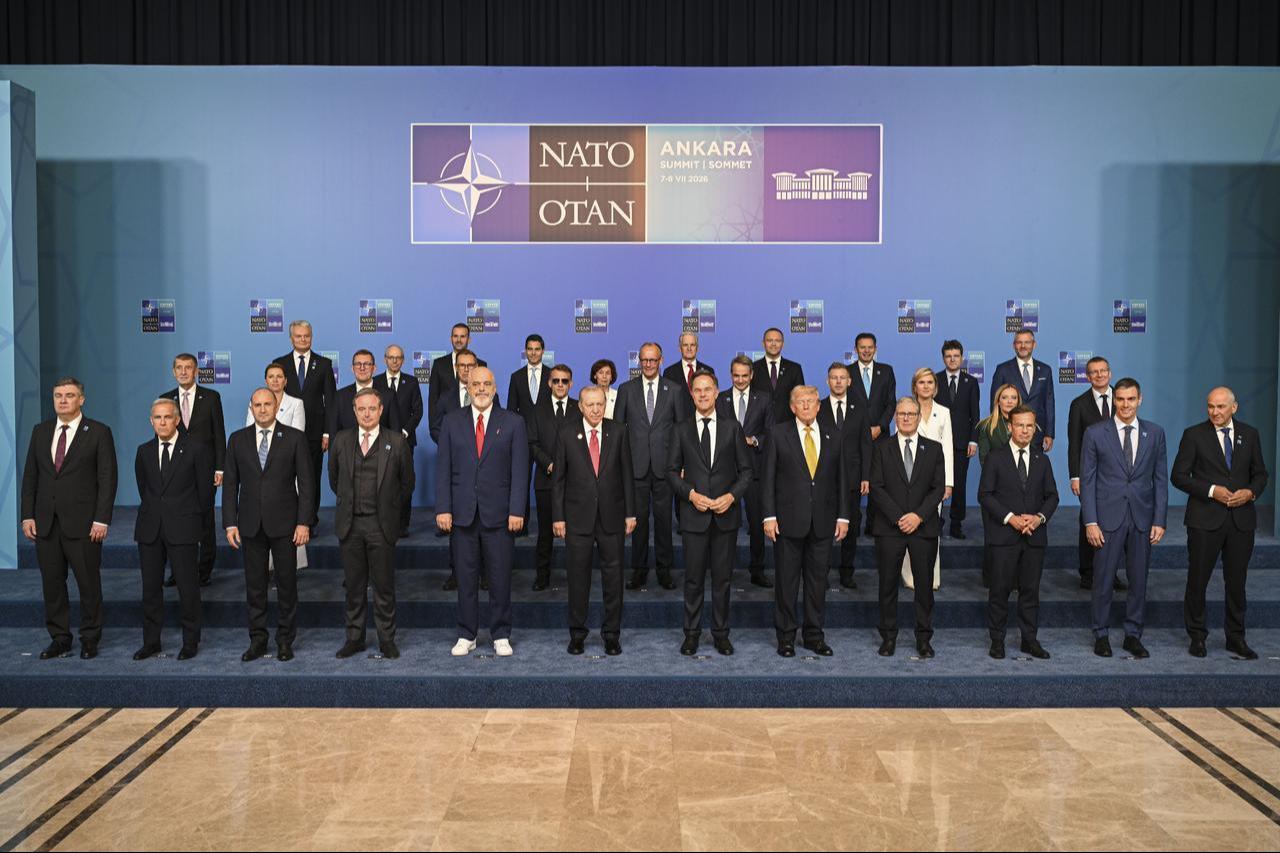
While the Ankara Summit Declaration contained no direct reference to China, marking a notable departure from several years of increasingly direct language, China-related issues still surfaced elsewhere during the summit.
Discussions notably emerged during NATO's meeting with its four Indo-Pacific partners and within a dedicated project on critical materials.
Reading the declaration alone, therefore, gives an incomplete picture.
The 2019 London Declaration said China's growing influence presented "opportunities and challenges." Brussels in 2021 described China's stated ambitions and assertive behavior as presenting "systemic challenges."
The 2023 Vilnius communique raised concerns about technology, infrastructure, strategic materials and supply chains. Washington in 2024 used NATO's strongest formulation, calling China a "decisive enabler" of Russia's military effort in Ukraine.
The short declarations issued at the Hague in 2025 and Ankara in 2026 omitted China. The Hague established NATO's new spending framework, while Ankara concentrated on delivery.
Neither document restated the Alliance's wider strategic agenda. The omission also did not replace NATO's 2022 Strategic Concept, which remains its agreed framework on China.
Ankara announced more than $50 billion in new procurement. Allies also pledged €70 billion in military equipment, assistance and training for Ukraine in 2026; European allies and Canada now finance most security assistance.
The declaration also backed a shared warfighting cloud and military use of artificial intelligence. While these measures primarily address NATO's internal capability needs, their relevance to China remains real, if mostly indirect.
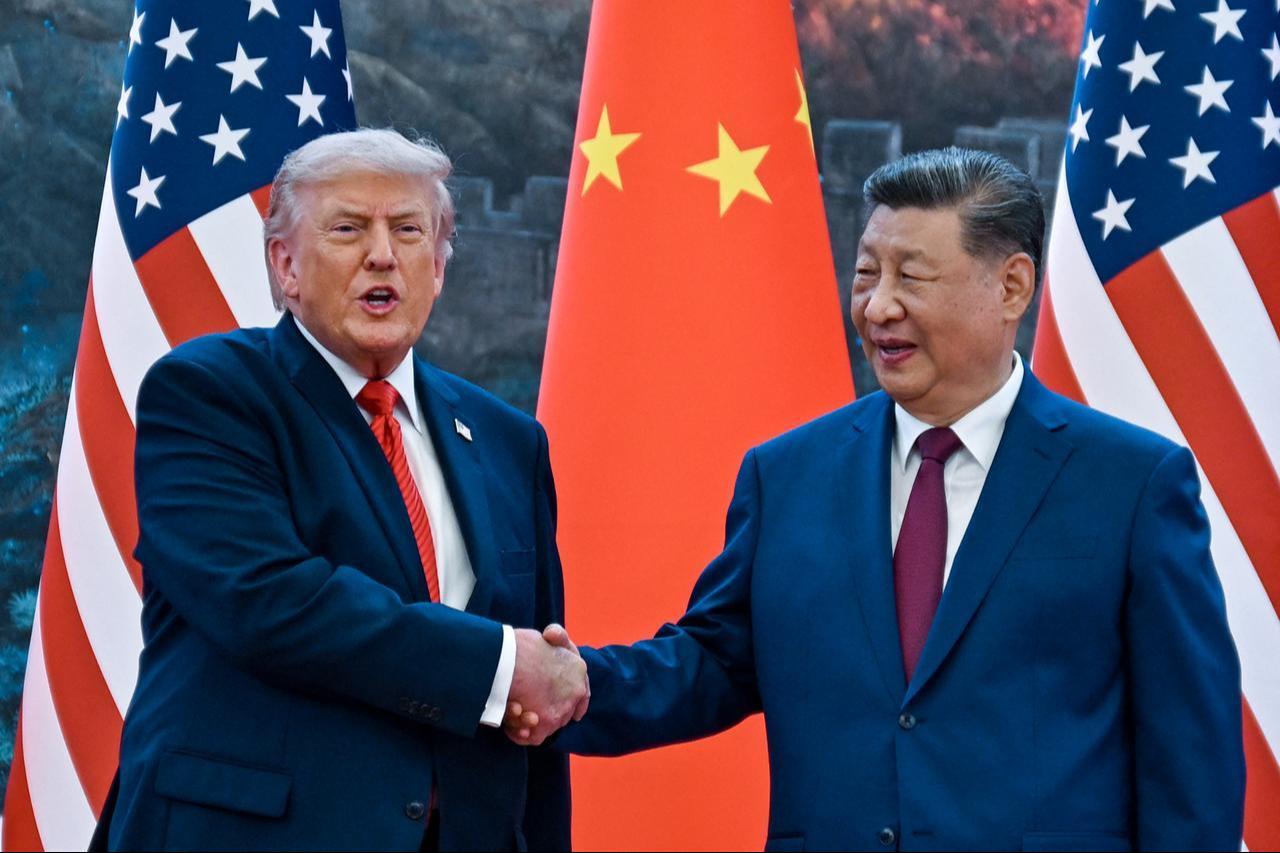

China was discussed openly during NATO's meeting with Australia, Japan, New Zealand and South Korea.
Japan's official account says the participants addressed China-related issues and agreed to sustain cooperation across defense, cybersecurity, and technology sectors.
Mark Rutte later said that NATO was not seeking to extend Article 5 to the Indo-Pacific. The meeting created no new collective-defense commitments.
The strategic missile test launched from a Chinese submarine on July 6 provided Rutte with an immediate military reference point.
China described the launch as part of its annual training program, said relevant countries had been informed and stated that it was not directed at any country (the launch also coincided with the opening of the China-Russia Joint Sea 2026 exercise).
Rutte cited the launch when arguing that NATO "cannot be naive" about China and used it to explain closer consultation with the Indo-Pacific partners.
The raw materials project had the clearest industrial relevance to China. Twelve allies agreed to buy, transport and hold defense-critical materials jointly.
Although the project contains no country-specific language, the strategic focus is clear. The International Energy Agency estimates that China accounted for 91% of refined magnet rare earths and 94% of sintered permanent magnets in 2024.
Following disruptions to industrial supply chains caused by Chinese export controls introduced in 2025, the newly launched project in Ankara is intended to reduce participating countries' exposure to future supply interruptions.
Two energy issues also touched Chinese interests. The declaration called for freedom of navigation through the Strait of Hormuz. China and India together received 44% of the crude oil exported through the strait in 2025.
On the summit's sidelines, the foreign ministers of the United States, Japan and South Korea signed a memorandum on small modular reactors. It provides for cooperation on projects in third countries.
The agreement could support a joint offer in Indo-Pacific markets, where Chinese and Russian nuclear vendors already hold a strong position.
The state-media coverage reviewed here concentrated largely on NATO's internal relations. Xinhua focused on defense spending, support for Ukraine and pressure from President Donald Trump.
It presented Ankara as another sign of persistent transatlantic disagreement. A CGTN report described the new defense deals as fuelling concerns about militarization.
A Global Times editorial argued that NATO was exaggerating the missile test to justify a wider role in the Asia-Pacific.
Chinese specialists drew finer distinctions. Cui Hongjian, a professor at Beijing Foreign Studies University who directs its Center for EU and Regional Development Studies, argued that NATO has long sought a wider role in the Asia-Pacific.
He also said that NATO members and regional partners have no automatic common position on China. Japan is more receptive to NATO involvement in Asian security, while South Korea and Southeast Asian governments remain cautious.
 2 min read
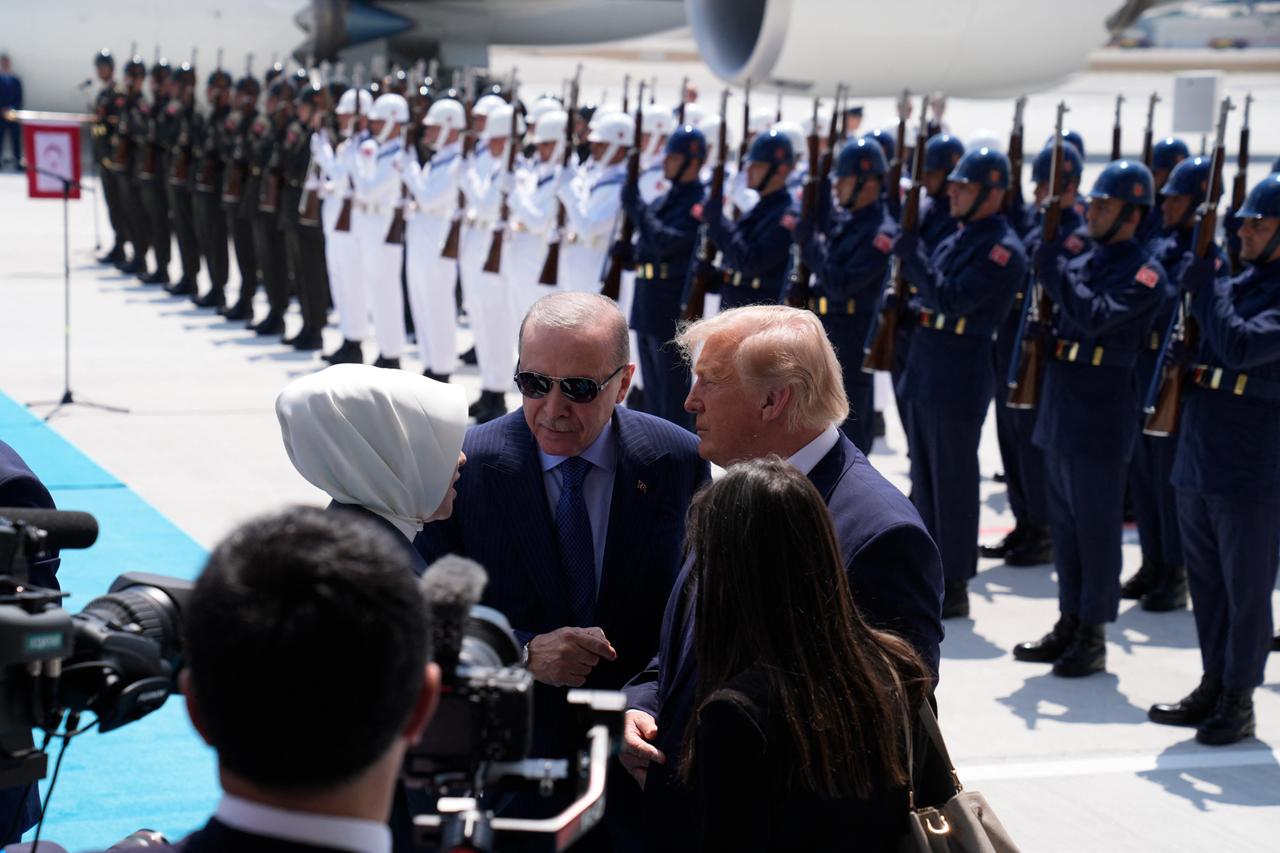
In a Shanghai expert discussion, Yan Xiaoxiao, an associate research fellow at the Shanghai Academy of Social Sciences, saw shared U.S.-European interests in closer security cooperation with Japan, alongside differences over Japan's role and the scope of military exercises.
Zhang Yinghong, director of the Europe Research Center at the Shanghai Institutes for International Studies, pointed to another European concern: a possible U.S.-China rapprochement that could leave Europe outside major decisions.
The summit offers a nuanced conclusion.
While NATO retained its established strategic framework on China, it chose not to repeat it in the final text. Instead, China emerged directly during the IP4 discussions and indirectly through measures aimed at nuclear commerce and supply chain security.
Chinese media coverage focused primarily on NATO's internal strains as the summit’s main narrative.
Even though NATO members can cooperate in select areas, they remain divided over how much priority to allocate to China and which tools to employ. For Beijing, these concrete, practical arrangements likely merit closer attention than the communique's official silence.


 Set as preferred source
 Set as preferred source


 1 min read