Newsletters


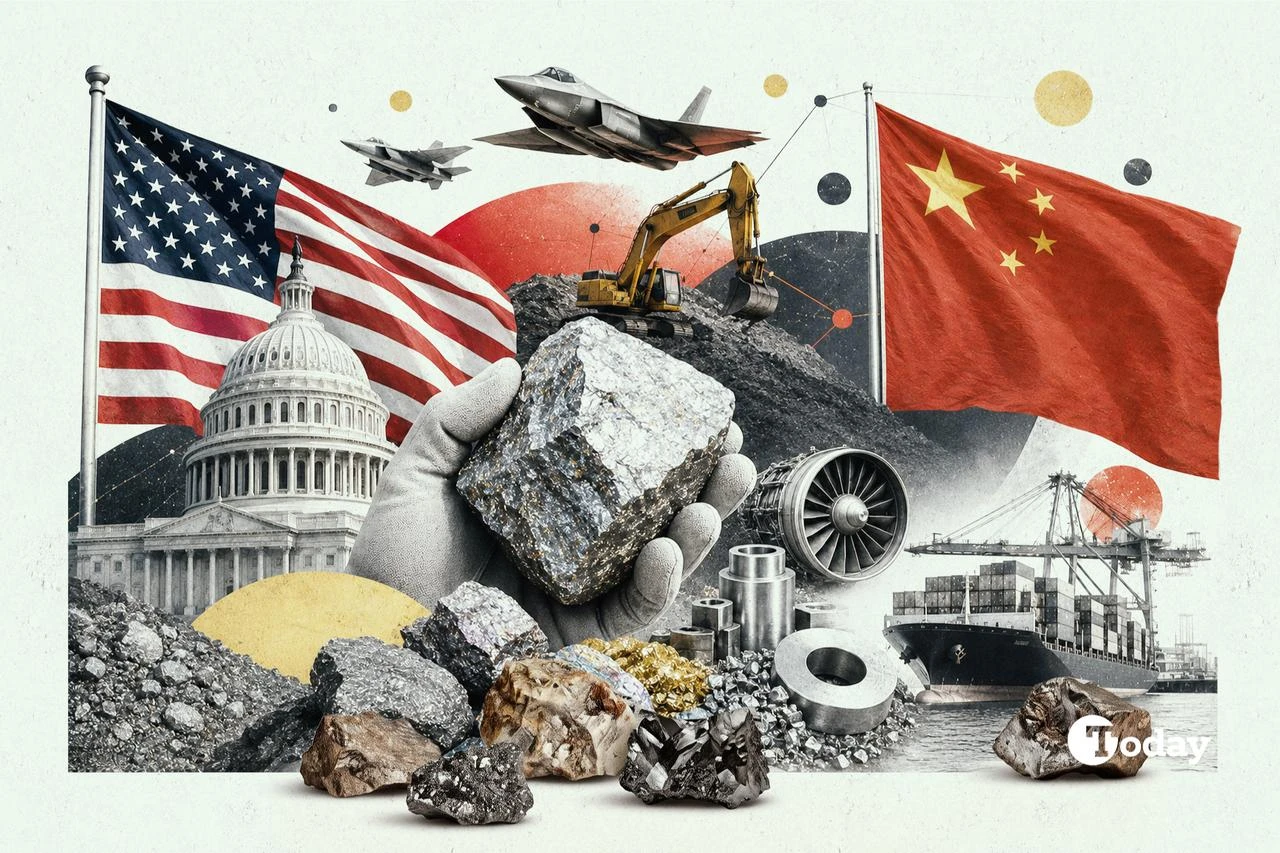


Last week, Washington moved once again to reshape global supply chains. On July 20, Trump signed a regulation that makes it nearly impossible for defense contractors to source critical minerals from China.
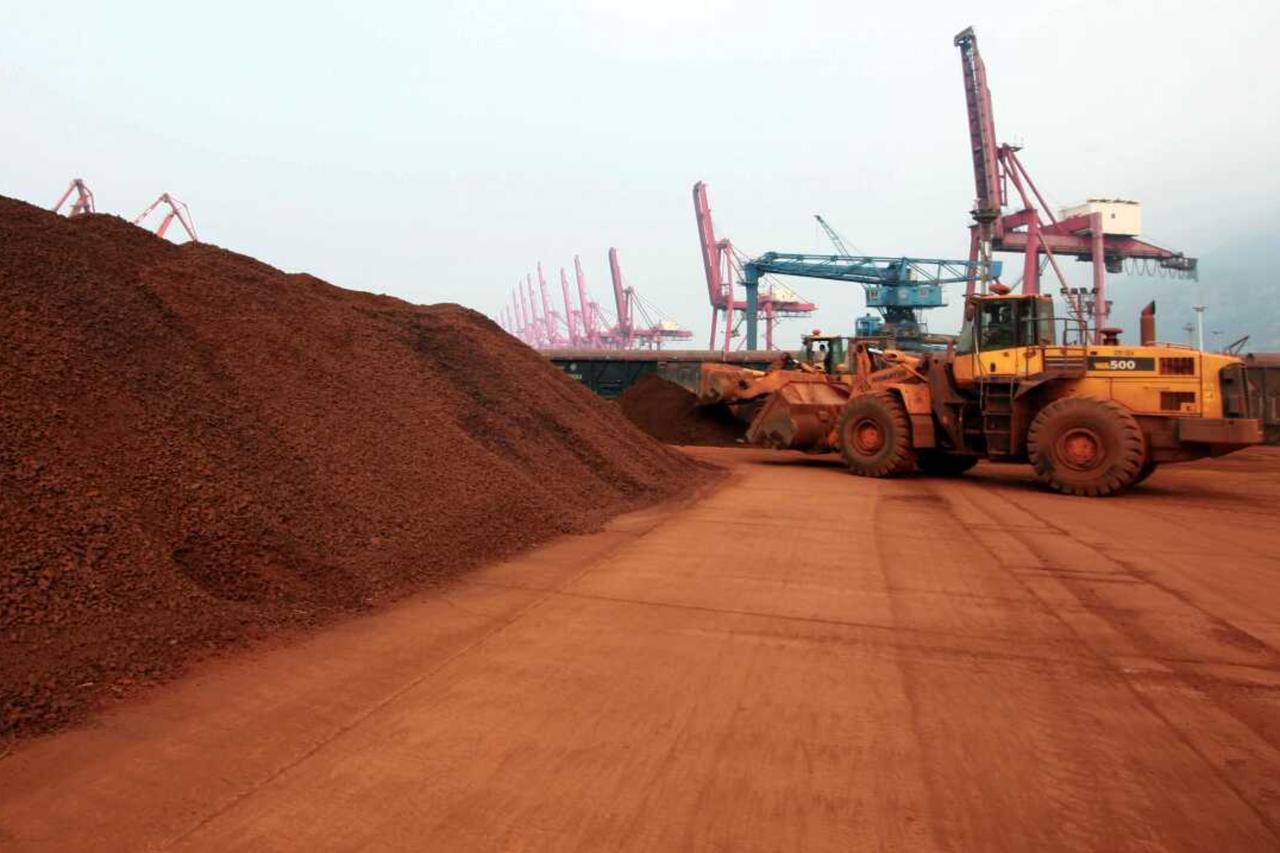
The list is straightforward: gallium, germanium, rare-earth elements, and antimony. They are materials that rarely make headlines and whose names mean little to most people. Yet they are essential components in missiles, aircraft engines, and weapons control systems.
The United States’ determination to rebuild its defense supply chain is not simply a matter of foreign policy; it is a question of strategic dependence. China still dominates the global processing market for rare-earth elements.
Under the new regulation, the waivers that once allowed contractors to procure materials from Beijing have become almost impossible to obtain. The argument that “China is the cheapest supplier” is no longer sufficient. Contractors must now disclose the origins of their entire supply chain, including subcontractors and lower-tier suppliers.
The real bottleneck is not extraction but processing. Vietnam, Brazil, and Russia also possess significant reserves, but refining, alloy production, and magnet manufacturing capacities remain concentrated almost entirely in China—or in countries on its periphery, such as Myanmar.
Even if Western countries build new refineries, China continues to enjoy significant advantages in both technology and cost. Extraction may be geographically dispersed, but processing remains highly concentrated.

This is where an opportunity opens for Türkiye. And this time, it is not merely theoretical.
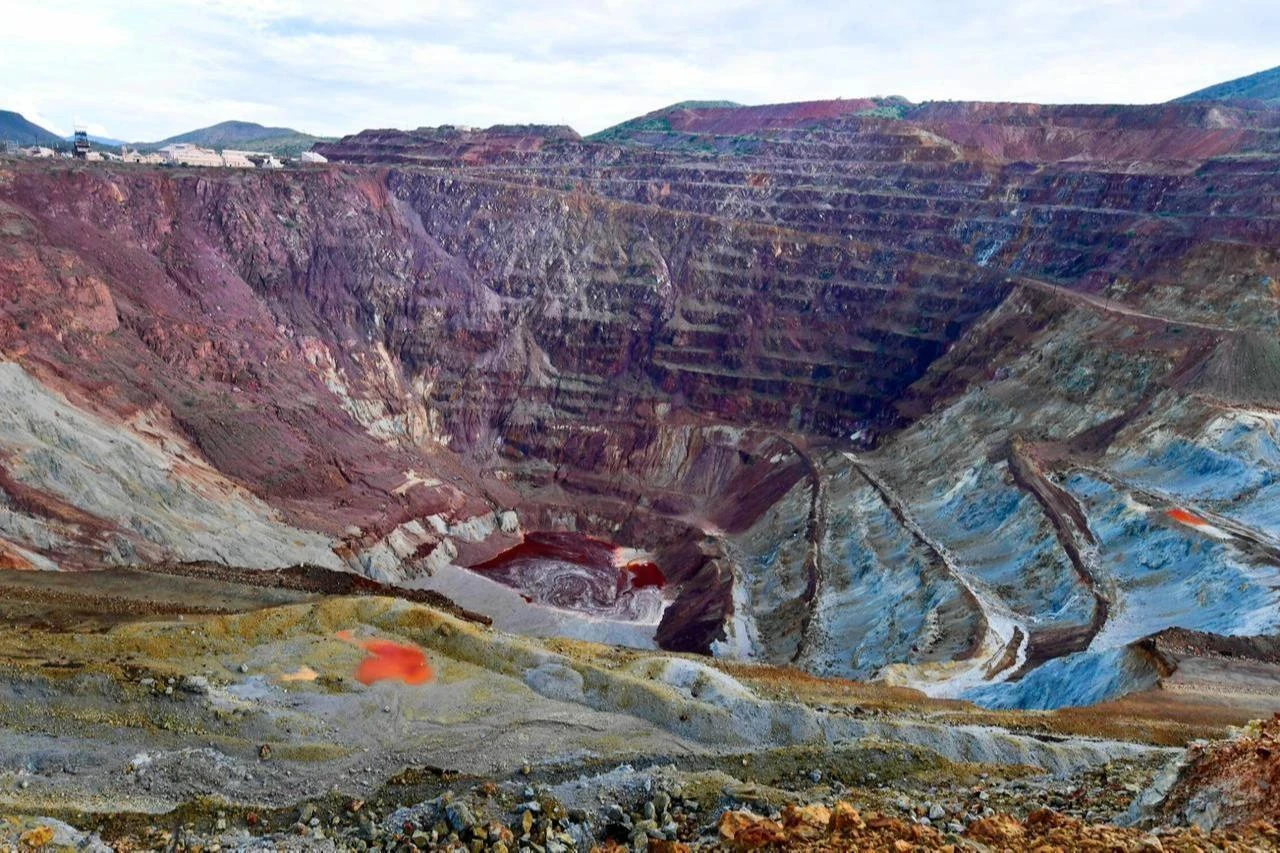
The opportunity lies in a tangible asset: the Beylikova deposit in Eskisehir Province. Identified by the Turkish mineral exploration body MTA and the state-owned mining company Eti Maden, the reserve was announced at 694 million tons, making it the world’s second-largest known rare earth deposit after China’s Bayan Obo.
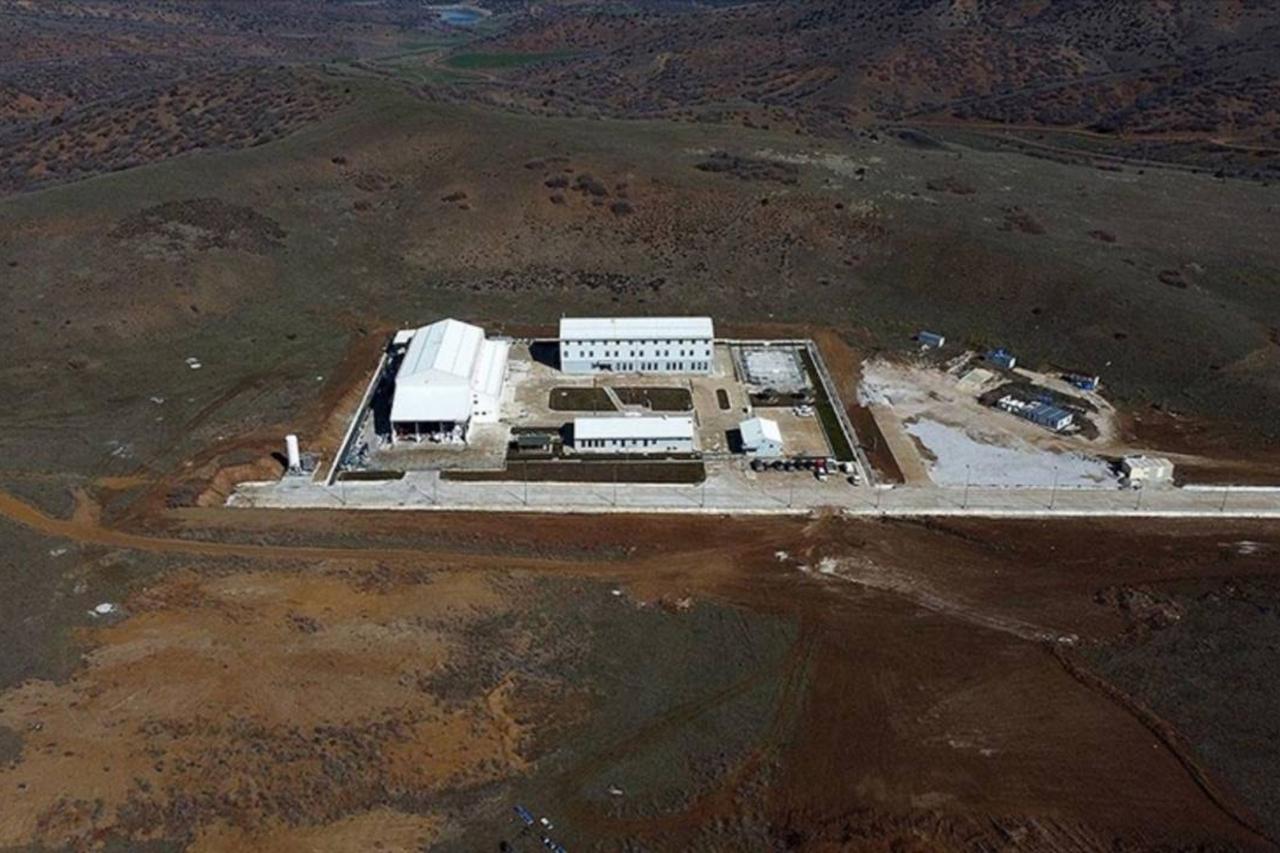
The site contains 17 different elements, including lanthanum, cerium, and neodymium, as well as thorium. A pilot facility established in Beylikova currently processes 1,200 tons of ore annually. The Ministry of Energy plans to complete the design of an industrial-scale facility in 2026 and begin construction in 2027.
Once operational, it is expected to process approximately 570,000 tons of ore per year and produce around 10,000 tons of rare earth oxides annually. Energy Minister Alparslan Bayraktar has stated that this project could make Türkiye one of only five countries capable of producing rare earth oxides.
The figures are ambitious, but they come with important caveats. Beylikova remains a pilot-scale operation. What transforms a deposit into a globally significant supplier is not mining the ore itself but establishing the separation and refining infrastructure.
In other words, Türkiye faces the very same challenge that the West has encountered in its efforts to reduce dependence on China: securing the necessary technology and capital.
This is where Washington’s new direction becomes relevant. In January, Treasury Secretary Bessent convened finance ministers in Washington to discuss how critical mineral supply chains should be financed.
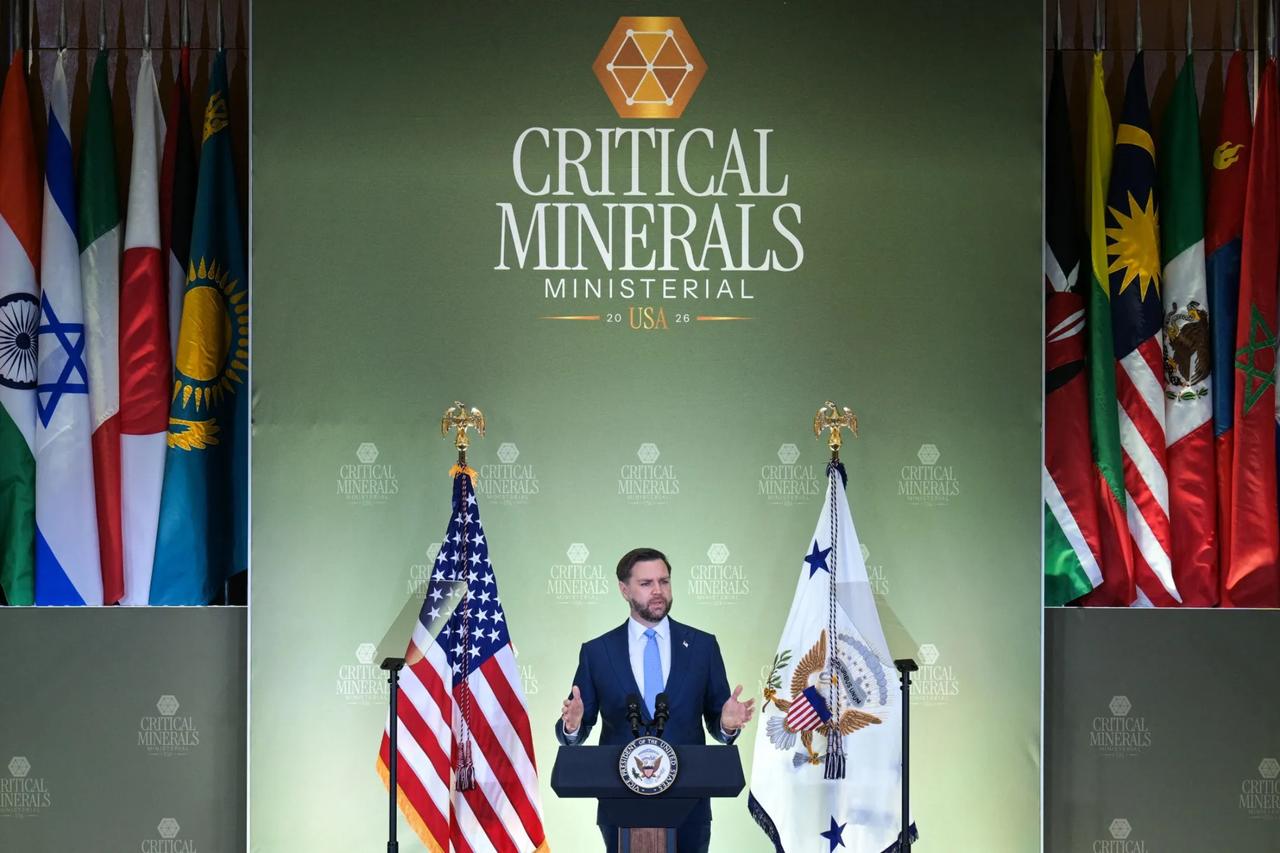
In February, at the Critical Minerals Ministerial organized by the U.S. State Department, Washington signed bilateral framework agreements with a number of countries, including Morocco, the UAE, and Ukraine.
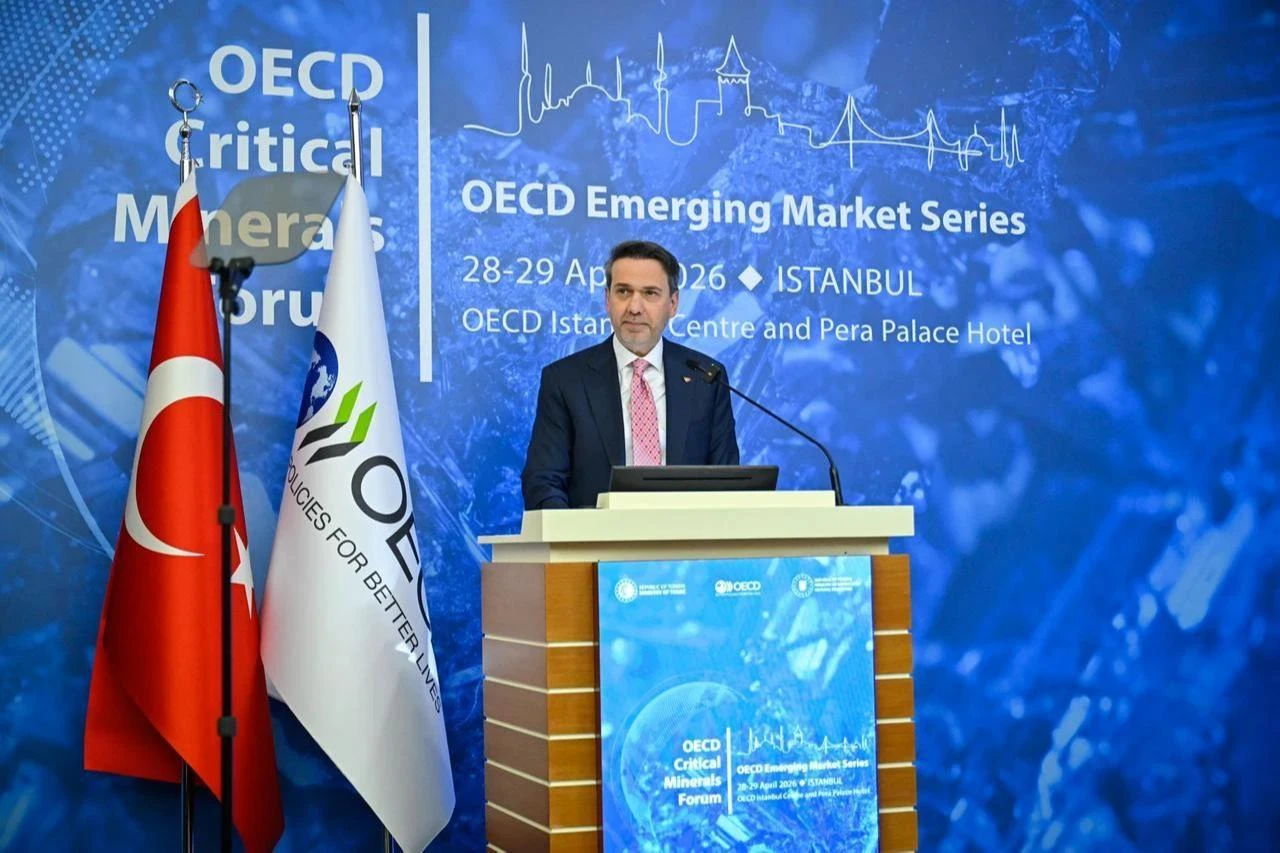
In April, the Organization for Economic Cooperation and Development (OECD) Critical Minerals Forum met in Istanbul, where Energy Minister Bayraktar announced that Türkiye would soon unveil its national critical raw materials strategy.
The table is being set. The question is whether Türkiye intends to sit at it as a negotiator or merely as a host.
The risks are equally significant.
The first is financing. Scaling up from a pilot facility to industrial production will be difficult without either a Western or Asian partner.
If that partner turns out to be a Chinese technology company, the very dependency that policymakers seek to avoid could return through another door. Last year, claims circulated that Beylikova would be “handed over” to the United States. These allegations were widely denied, but the controversy itself demonstrated how sensitive the project has become as a geopolitical issue.
The second risk is the instability of the term “ally.”
The United States may view Türkiye as a supply-chain partner today, but that status remains somewhat fragile in light of issues such as the S-400 dispute, tensions within NATO, and other geopolitical considerations. Bringing Beylikova to industrial scale will take years, whereas Washington’s concept of a “trusted supplier” is often shaped by much shorter procurement timelines.
For this reason, it would be prudent for Ankara not to rely on a single buyer. Instead, it should pursue at least a three-pillar strategy for sales and partnerships, balancing relations among Western markets, Gulf capital, and Asian buyers.
Treating Beylikova not merely as a mining project but as a diplomatic asset could allow Türkiye to become an active player—rather than a passive observer—at the critical minerals table.
Trump’s regulation is still new, and its full effects will become clearer in the months ahead. One thing, however, is already certain: the geography of critical minerals is being redrawn, and this time Eskisehir deserves a place on the map.


 Set as preferred source
 Set as preferred source


 1 min read
 1 min read