

 Newsletters


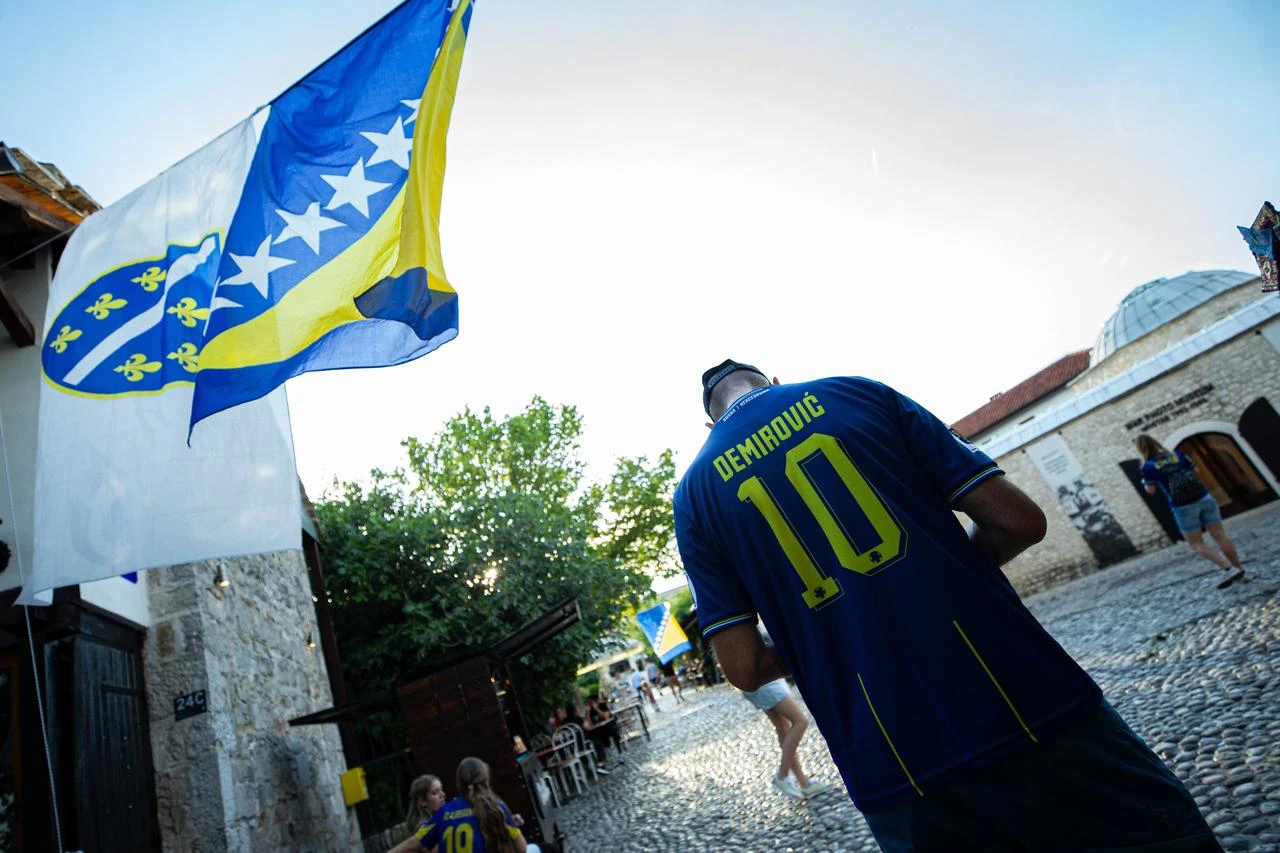


I knew something had changed the moment I walked into a small neighborhood grocery store near Sarajevo’s Sebilj this week.
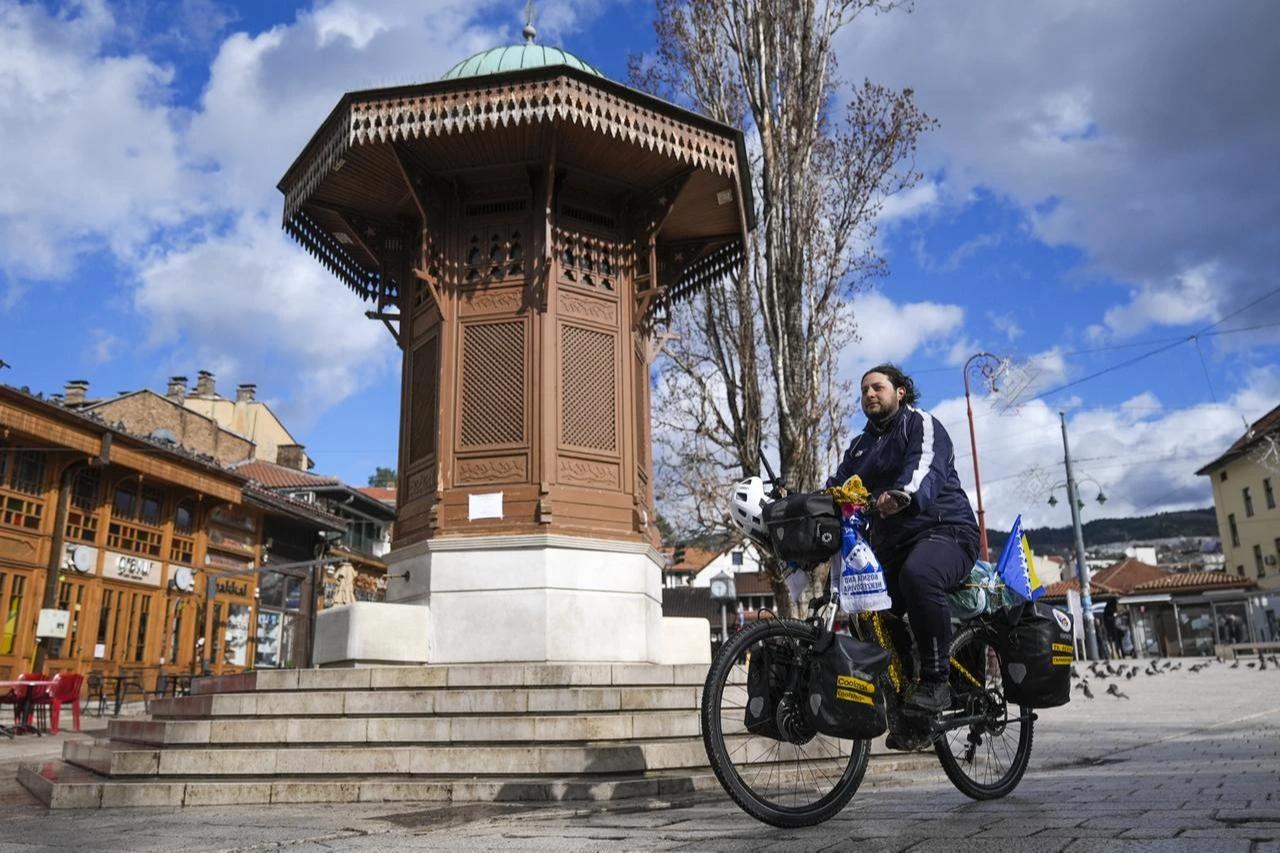
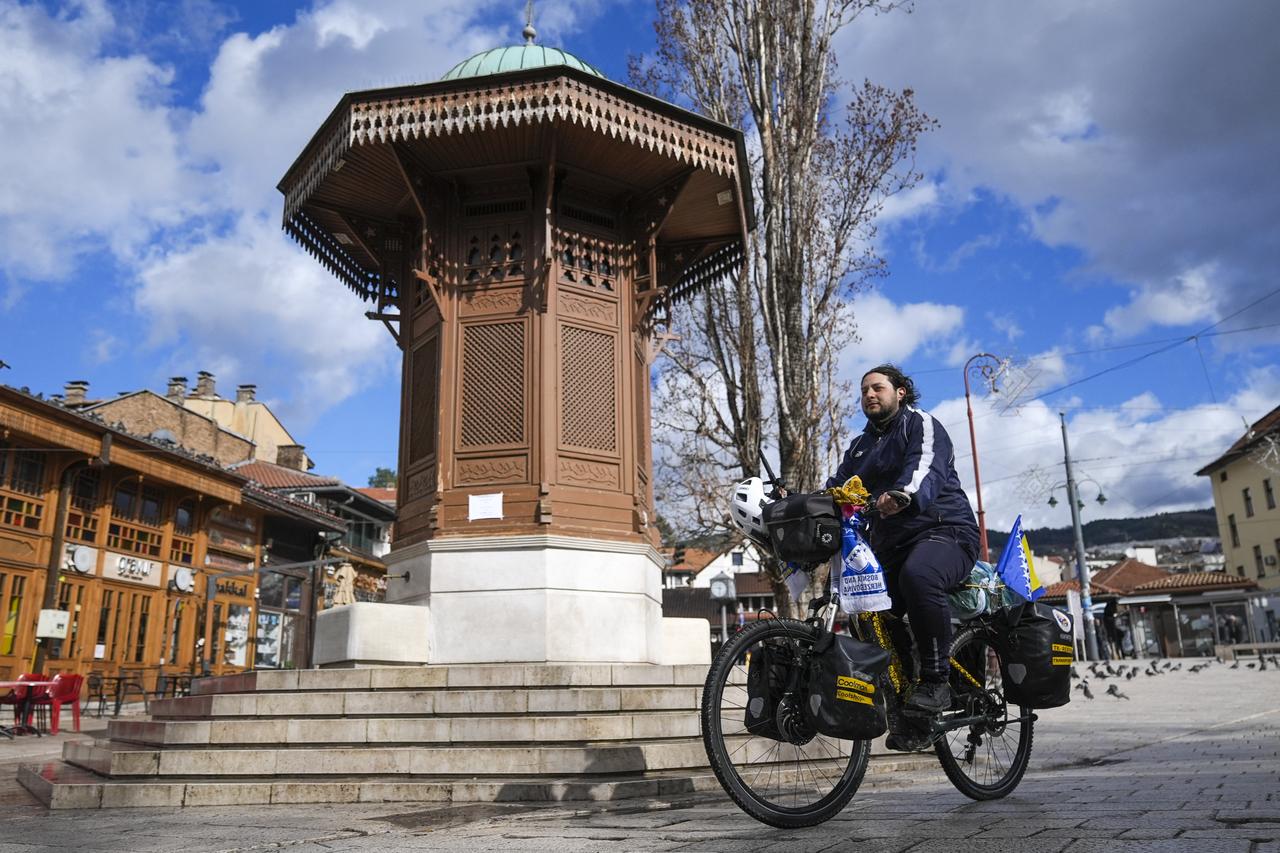
Sebilj, the Ottoman-style wooden fountain at the heart of Bascarsija, Sarajevo’s old bazaar, is more than a tourist attraction. For locals, it is a meeting point, a landmark, almost a compass. If you tell someone in Sarajevo, “I’ll meet you at Sebilj,” everyone knows exactly where you mean.
Our home is only a short walk away. Every time I return to Bosnia and Herzegovina, I fall back into familiar routines: an early morning coffee and a quick stop at the local shop before the streets fill up.
Only this time, at barely 8 in the morning, the queue stretched several meters.
The people waiting were from all over the world. I heard Turkish, Spanish, English, German, Arabic, Japanese and languages I couldn’t immediately recognize. Some were holding city maps. Others were debating where to have breakfast after wandering through the old town.
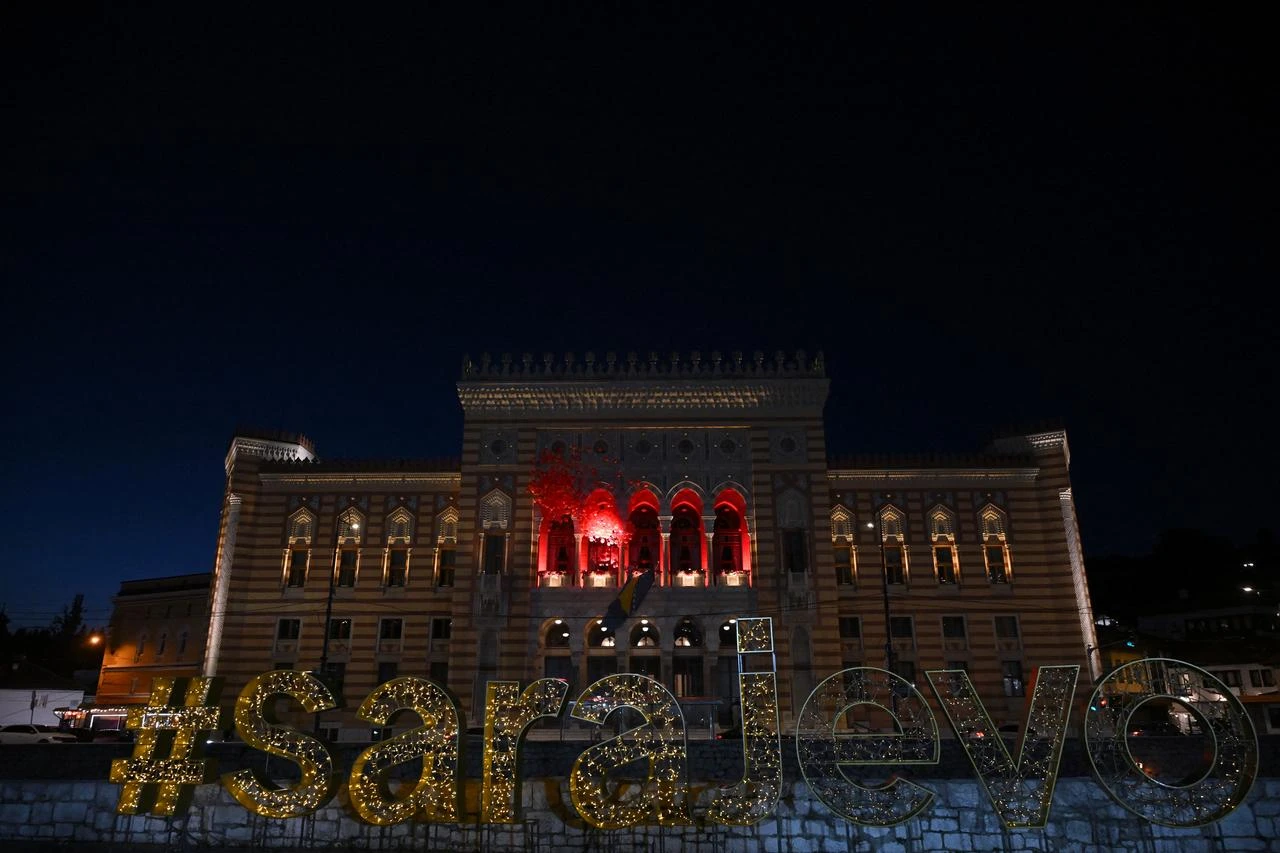
Sarajevo has never been a stranger to tourists. Every summer, the city fills with visitors drawn by its unique blend of Ottoman, Austro-Hungarian and Yugoslav history. The Sarajevo Film Festival, founded during the city’s siege in 1995 and now the largest film festival in Southeast Europe, has long transformed Sarajevo into a regional cultural capital.
But this year feels different. The city is not simply busy. It feels discovered.

The numbers confirm that impression. Bosnia and Herzegovina has been named one of the world’s top trending travel destinations for 2026 after travel company Iglu Cruise analyzed Google search trends following the FIFA World Cup.
Searches for “visit Bosnia and Herzegovina” increased by an astonishing 5,800% compared with the same period last year. The explanation is surprisingly simple. Football.
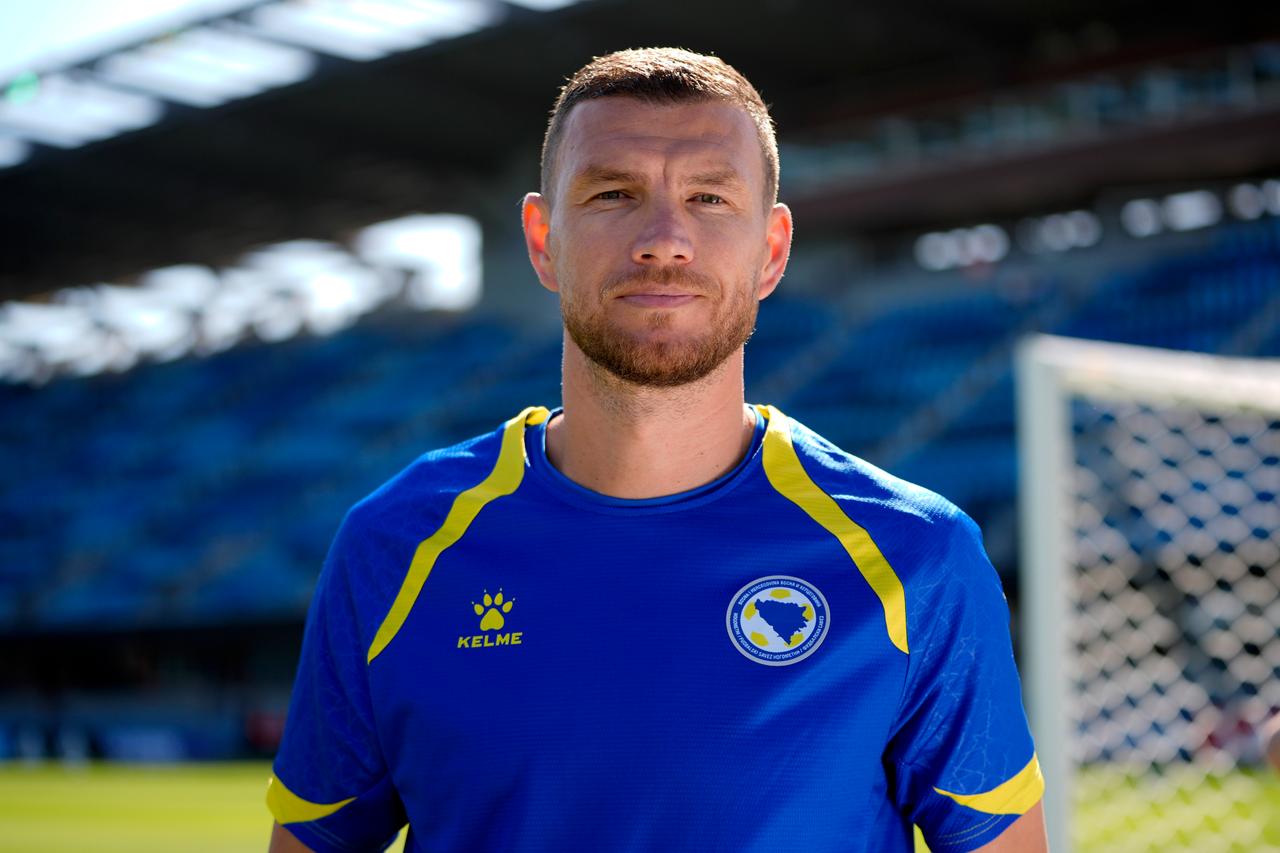
Bosnia and Herzegovina’s remarkable World Cup campaign achieved something politicians have struggled to accomplish for decades. It changed the country’s image—not through branding campaigns or expensive public diplomacy strategies, but through football.
Millions of people who had never thought about Bosnia suddenly found themselves searching for it. "Where is Bosnia and Herzegovina? What does Sarajevo look like? Can you visit Mostar?"
Search engines became travel guides. Curiosity became airline bookings. Yet perhaps the tournament’s greatest impact was on Bosnians themselves.
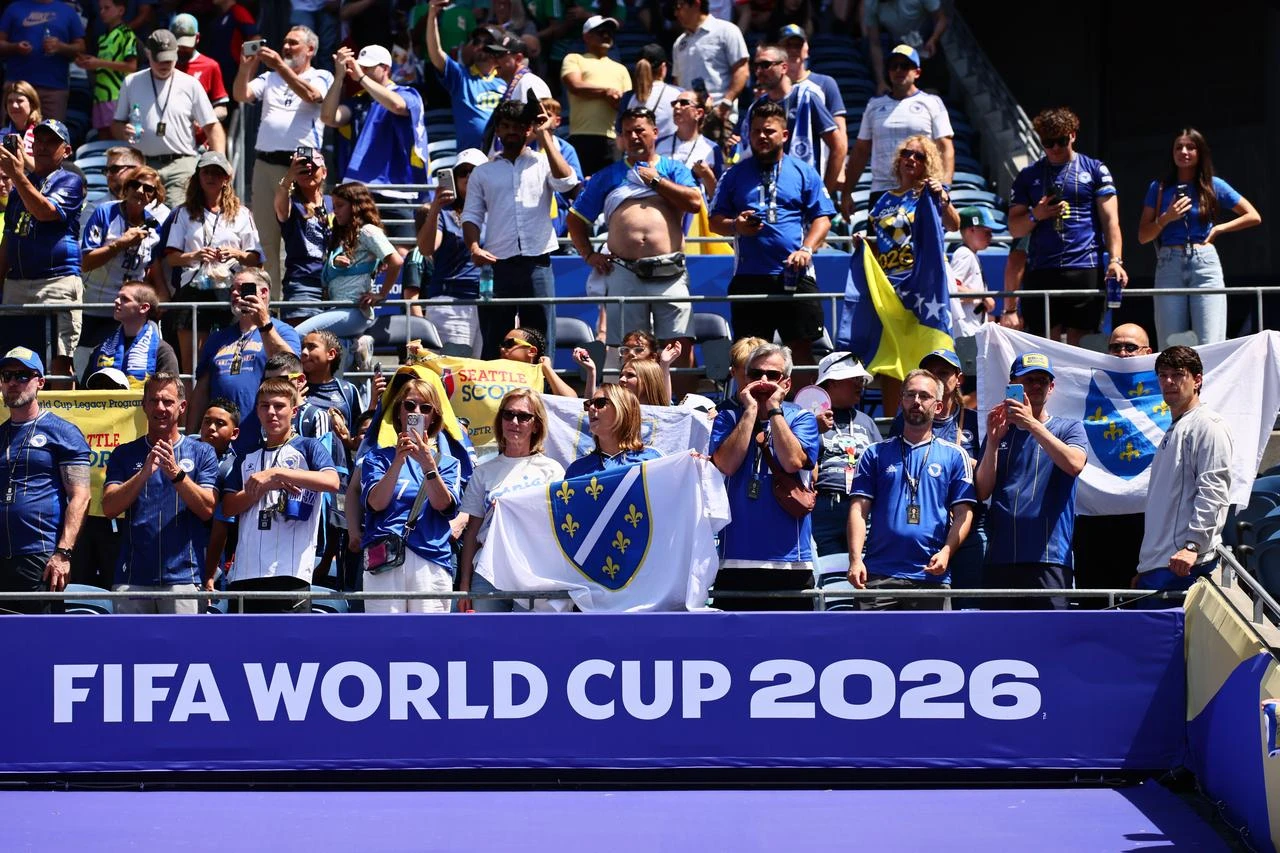
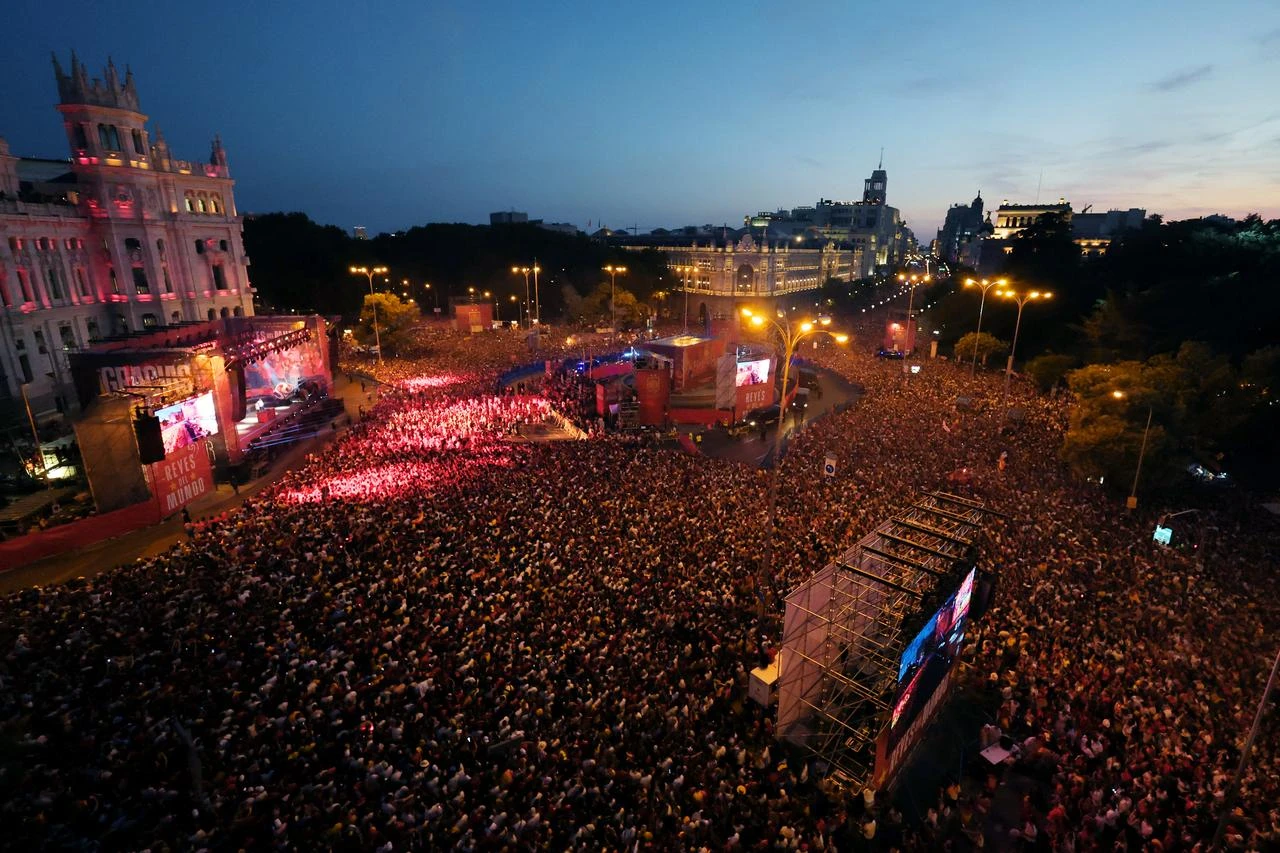
In stadiums across America and in fan zones from Sarajevo to St. Louis, Vienna, Gothenburg and Melbourne, Bosnians who had spent decades building lives abroad were singing the same song.
“I Am From Bosnia, Take Me to America”—Dubioza Kolektiv’s reimagining of its 2011 song USA—became the unofficial anthem of Bosnia’s World Cup campaign. What began as a satirical song about emigration took on an entirely new meaning. Fans transformed it into a celebration of belonging and reunion.
There was a quiet irony to it. For decades, Bosnians had looked outward—forced abroad by war, rebuilding their lives across Europe, North America and Australia while longing for the country they had left behind. This summer, the direction of that gaze changed. Instead of Bosnians looking for the world, the world was looking for Bosnia.
The anthem soon escaped the diaspora and entered global football culture. Former France striker Thierry Henry was seen singing it on television. Zlatan Ibrahimovic joined in. Even Erling Haaland shared a comment about it on Instagram.
Few could have imagined that a Bosnian song would become part of the soundtrack of the World Cup, introducing millions to a country many had barely thought about before.
For a country whose international image has long been defined by memories of war, ethnic divisions and political paralysis, that shift matters enormously.
Bosnia is one of those places people recognize before they truly know it. They remember the headlines of the 1990s but know little about the country that exists today.
Football offered a different story.
It showed cities filled with passion and history.
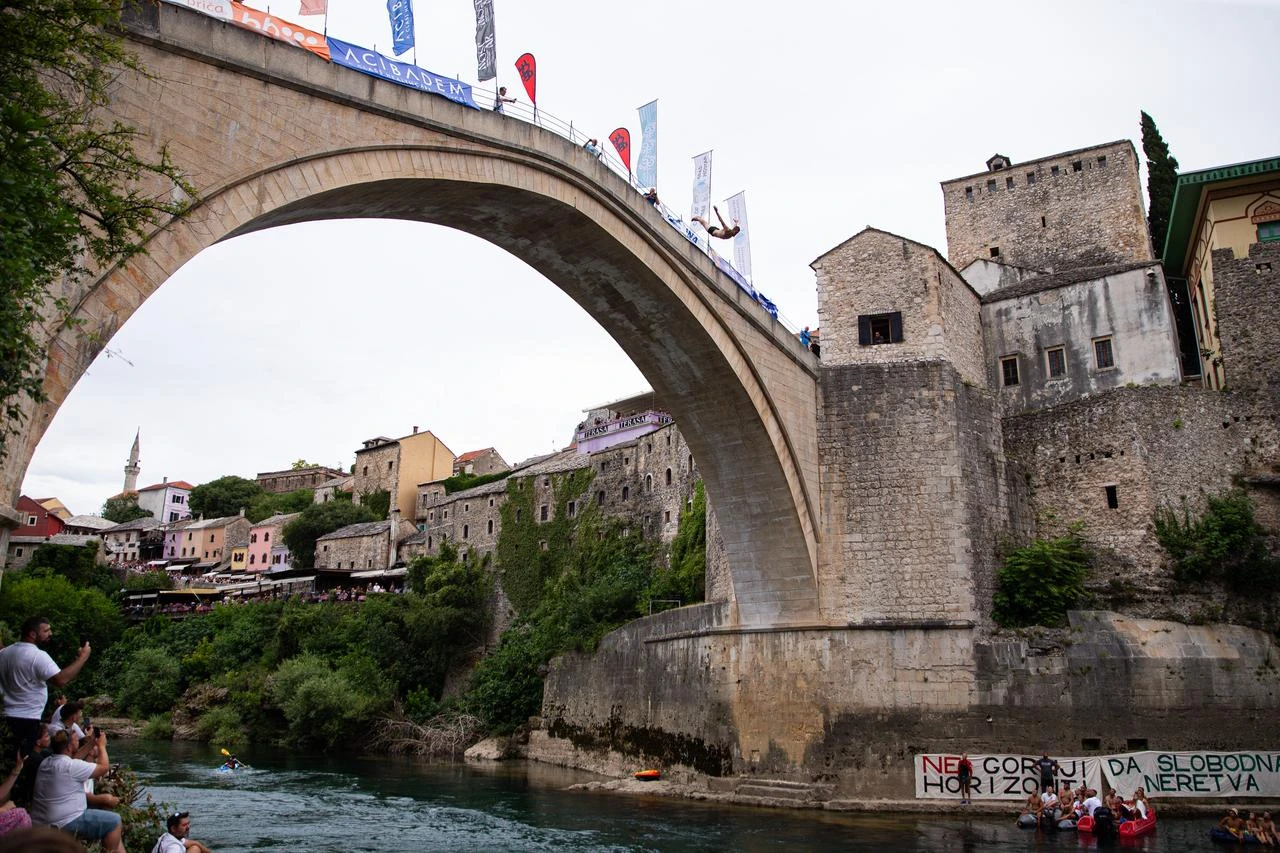
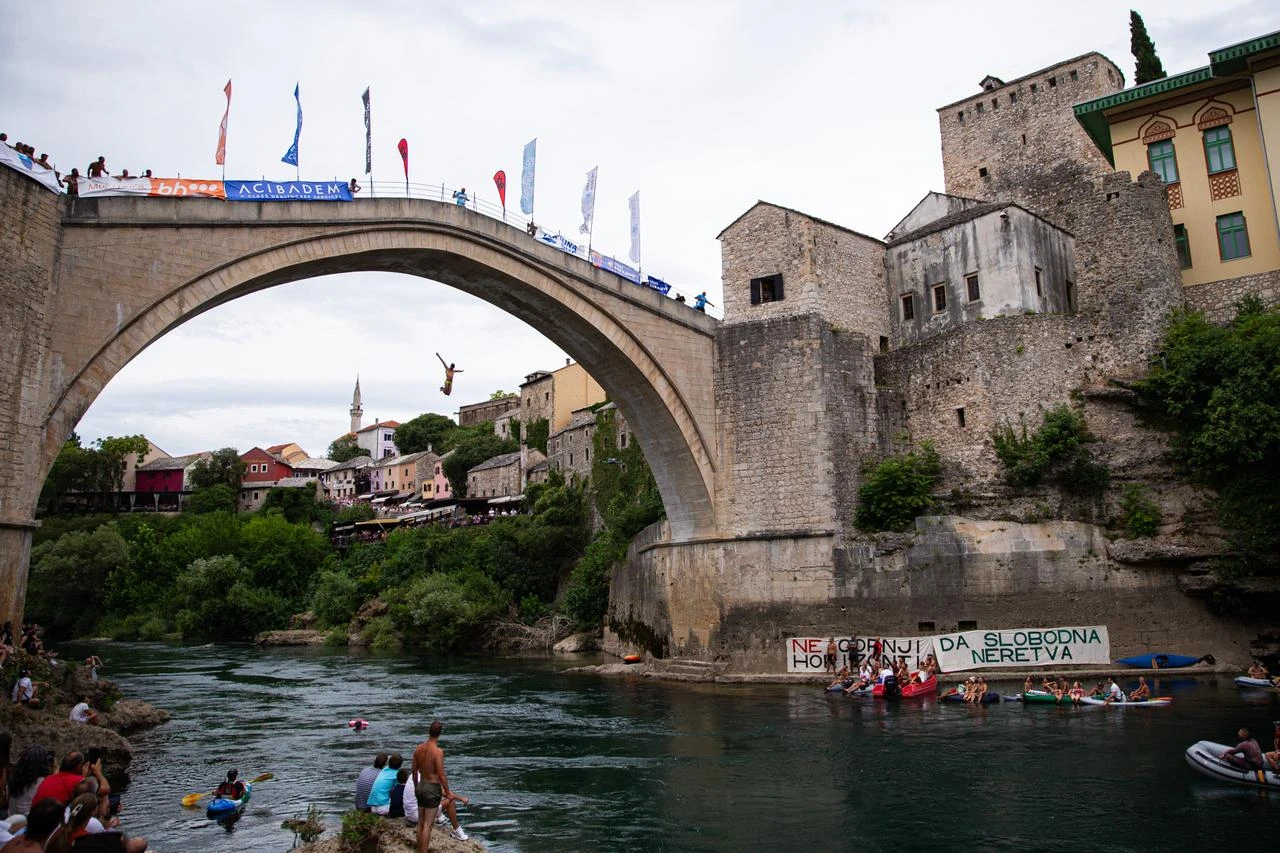
It reminded audiences that Bosnia and Herzegovina is not simply a chapter in European history, but a vibrant country of mountains, rivers, Ottoman bazaars, Austro-Hungarian architecture and remarkable hospitality.
Most importantly, it gave people an emotional reason to care.
Tourism has always been driven as much by stories as by scenery. People rarely travel somewhere simply because it appears on a list. They travel because a place sparks their curiosity, because they watched a football team defy expectations, heard a song they could not get out of their heads, or wanted to discover where those passionate supporters came from.
The effects are already visible.
Tourism continues to grow, with more than half a million tourist arrivals recorded during the first four months of 2026 alone.
Among those visitors, Turkish tourists have become increasingly prominent. Direct flights, shared history, cultural ties and longstanding personal connections have made Bosnia and Herzegovina one of the most attractive European destinations for travelers from Türkiye.
Walking through Bascarsija today, Turkish is almost as common as English. Restaurants offer menus in both languages, while cafes are filled with families from Istanbul, Ankara and Izmir discovering a place that feels both familiar and uniquely Bosnian.
 1 min read
This is what successful diplomacy increasingly looks like: shared curiosity, shared stories.
Sport has become one of the most powerful forms of soft power available to smaller countries. Croatia experienced it after reaching the 2018 World Cup final. Morocco did after its historic run in Qatar.
Now Bosnia and Herzegovina is living its own moment.
Football alone will not solve the country’s political problems. But it has done something equally important: it has changed the conversation.
Every tourist who arrives in Sarajevo carrying outdated assumptions leaves with a different story. Every photograph from Mostar or the Una River shared online reaches hundreds more potential visitors.
Every coffee near Sebilj becomes another quiet act of public diplomacy.
For once, Bosnia and Herzegovina is making international headlines not because of crisis or constitutional disputes, but because people want to visit.


 Set as preferred source
 Set as preferred source


 1 min read


