

 Newsletters





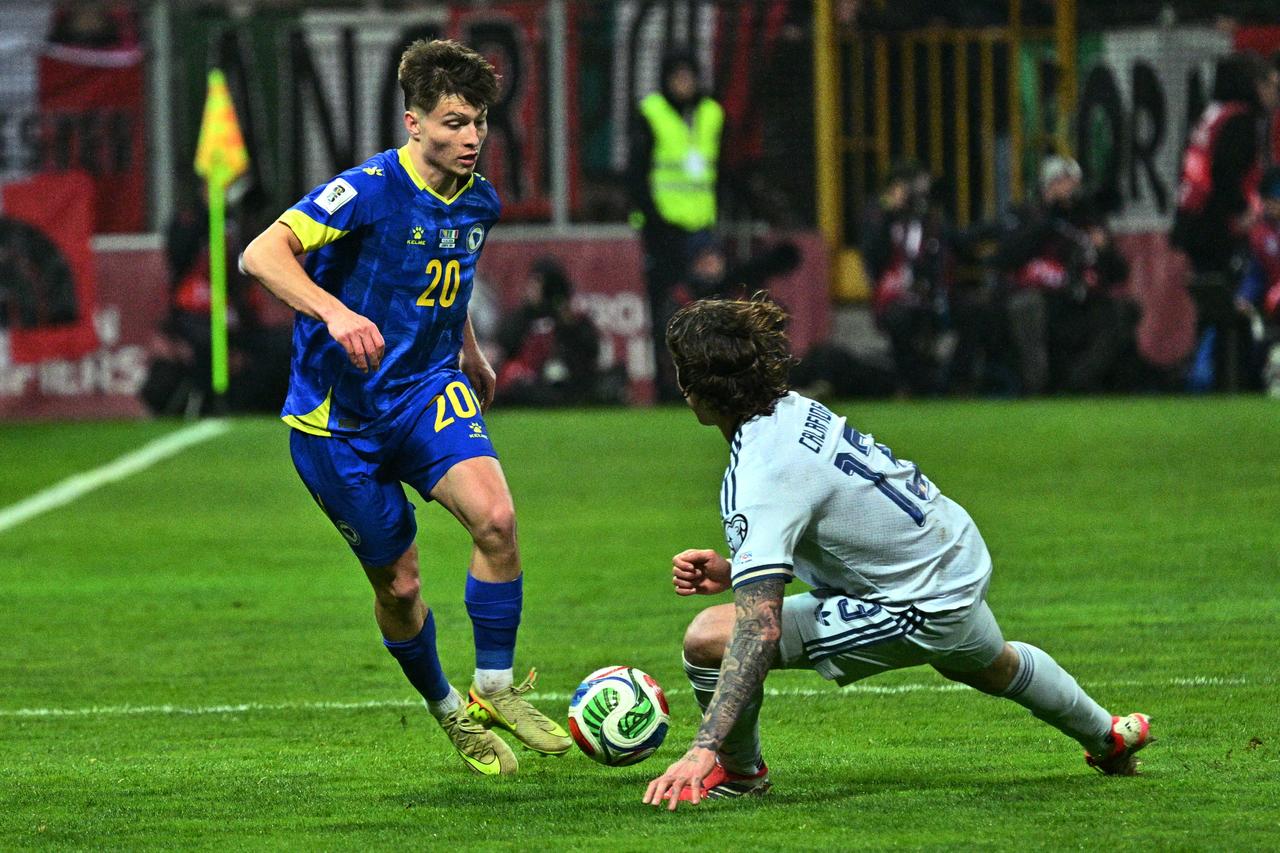
Esmir Bajraktarevic, 21, has emerged as one of Bosnia-Herzegovina's rising football stars, drawing attention both for his performances with the national team at the 2026 FIFA World Cup and for his family's connection to Srebrenica, where relatives were killed during the July 1995 genocide carried out by Serb forces.
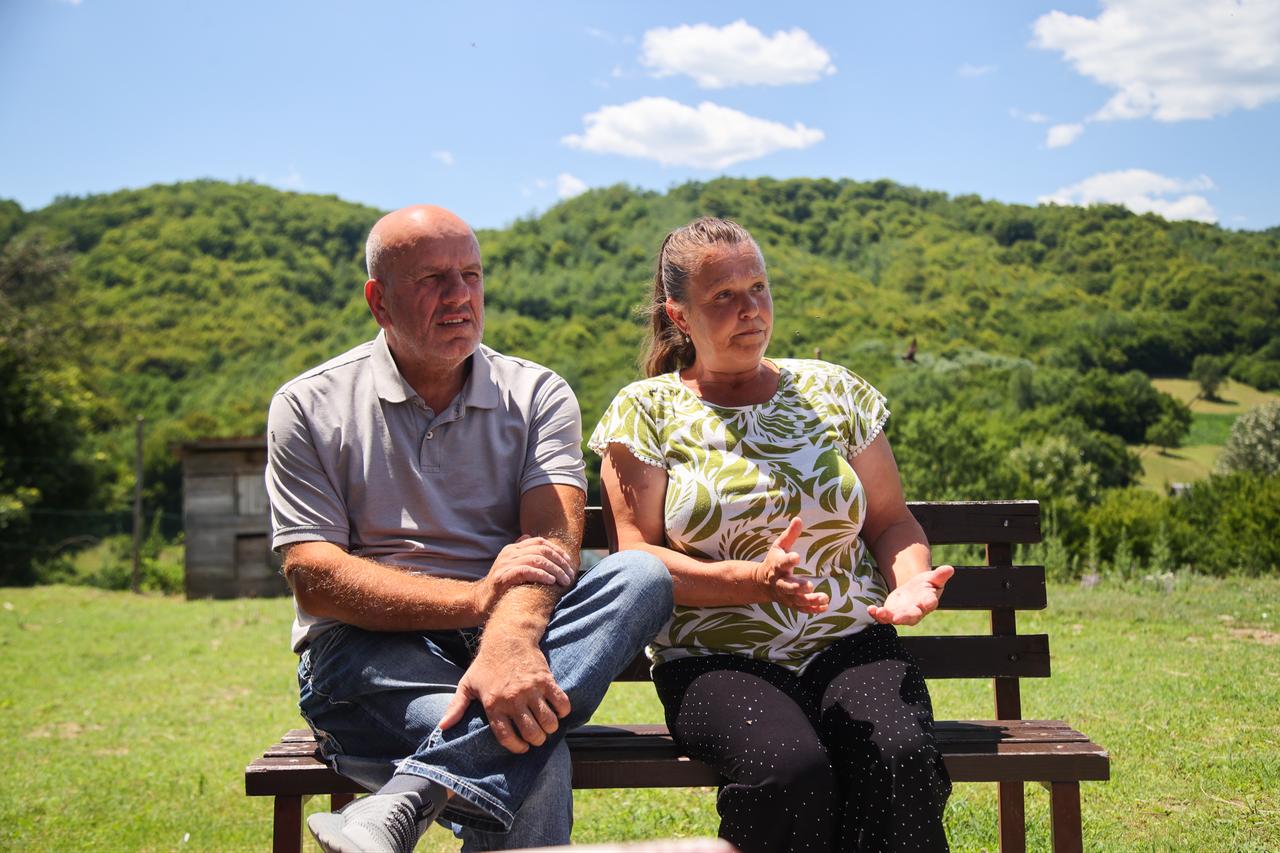

Bajraktarevic's aunt, Ifa Golic, described her nephew's family history to an AA correspondent.
Golic said she and her sister Emina, Esmir's mother, reached the then-safe zone of Tuzla during the war.
There, Emina met Elmir Bajraktarevic, who had survived by escaping through a forest road out of Srebrenica.
“We managed to reach the safe zone of Tuzla together with my sister Emina,” Golic said.
“Emina met Elmir Bajraktarevic there, who survived by escaping through the forest road out of Srebrenica. They married and moved to Switzerland. Esmir was born in the United States.”
Golic said two of her brothers, Esmir's maternal uncles, were killed in the genocide. “My brothers were Mevludin and Fahrudin,” she said. “They also loved playing football, but they were killed.”

She said two of Bajraktarevic's paternal uncles and his grandfather also died in the genocide. “Esmir became our source of hope,” Golic said.
“He loved playing football even as a child. His ties to Bosnia-Herzegovina, the homeland of his roots, remain very strong.”
Safet Golic, Bajraktarevic's uncle by marriage, said a long list of people surnamed Bajraktarevic appear among the names inscribed at the memorial cemetery in Srebrenica.
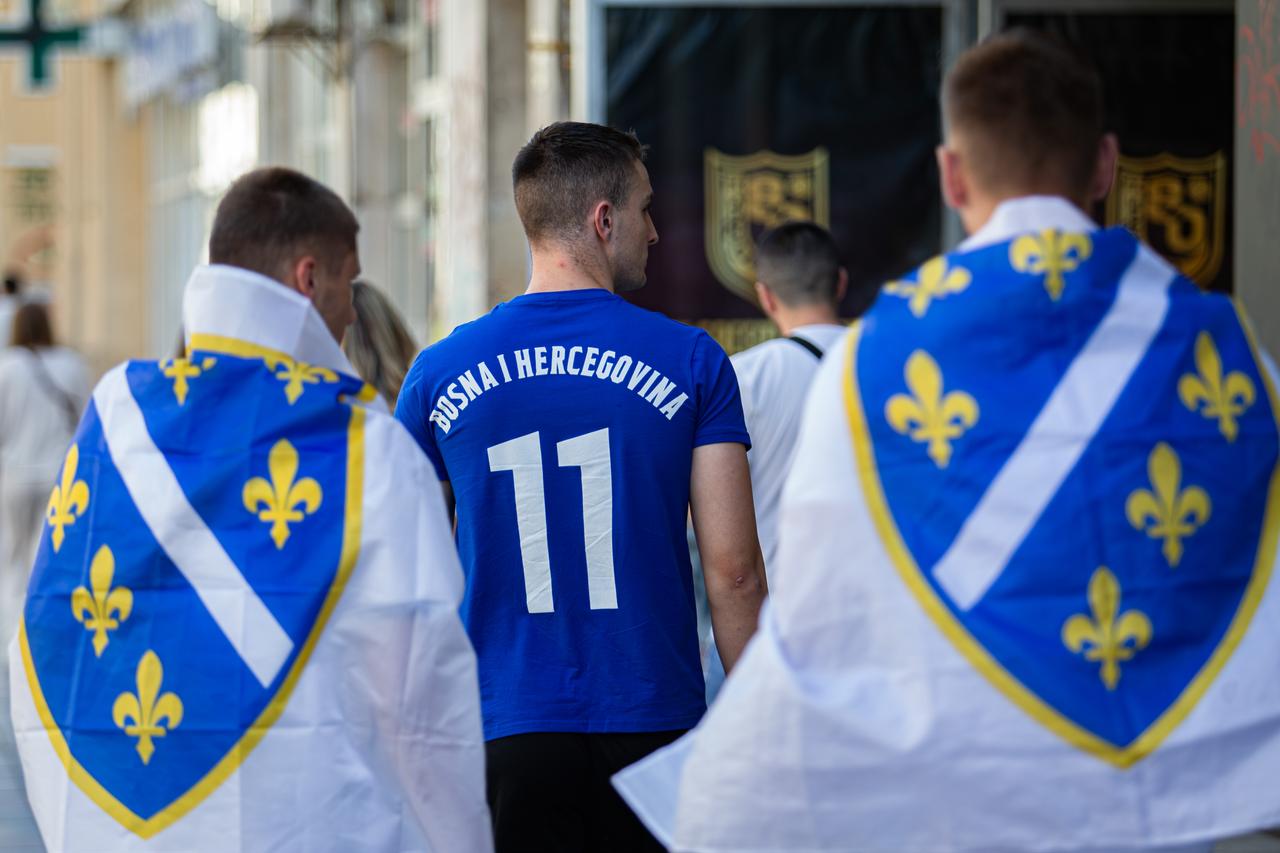
He said residents of Glogova, near Srebrenica, take pride in Esmir and wear jerseys bearing his name.
Safet Golic said the family returns to Bosnia-Herzegovina every year. "They never forgot this place," he said. "They instilled that same love in Esmir. He also loves Bosnia-Herzegovina and our traditions."
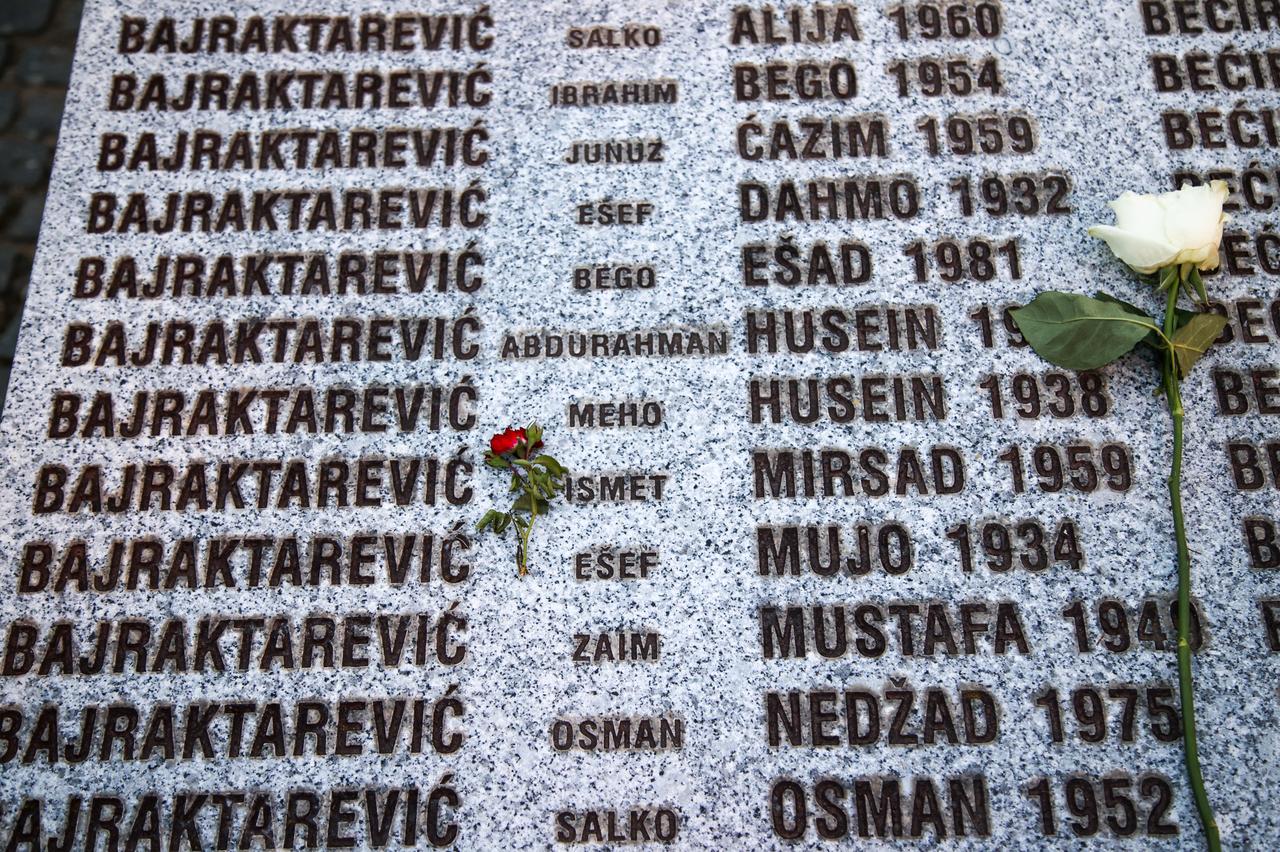
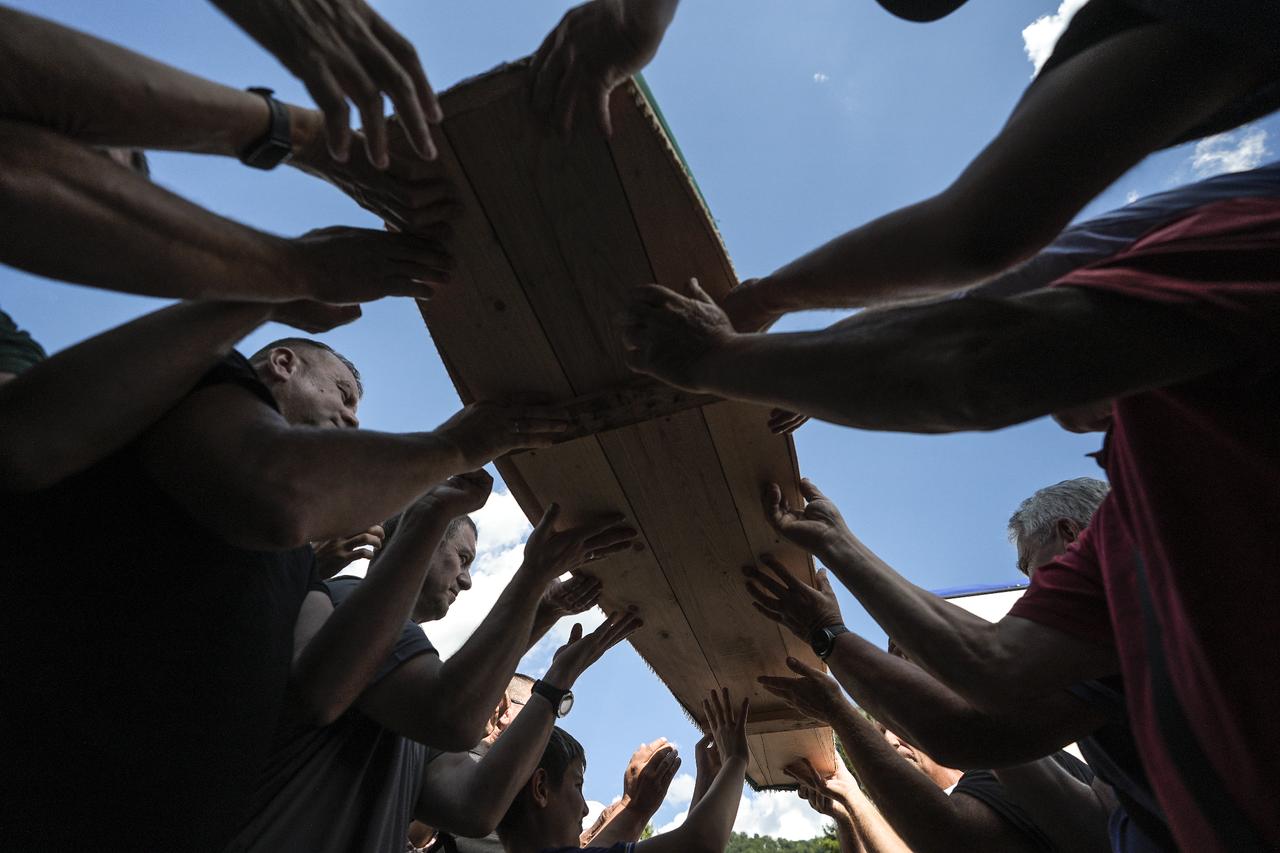
Bajraktarevic's family history intersects with a broader remembrance effort. Ten more genocide victims, identified through forensic testing and approved for burial by their families, are set to be interred at the Potocari Memorial Cemetery, marking the 31st anniversary of the Srebrenica genocide. The burial will raise the total number of victims interred at the site to 6,782.
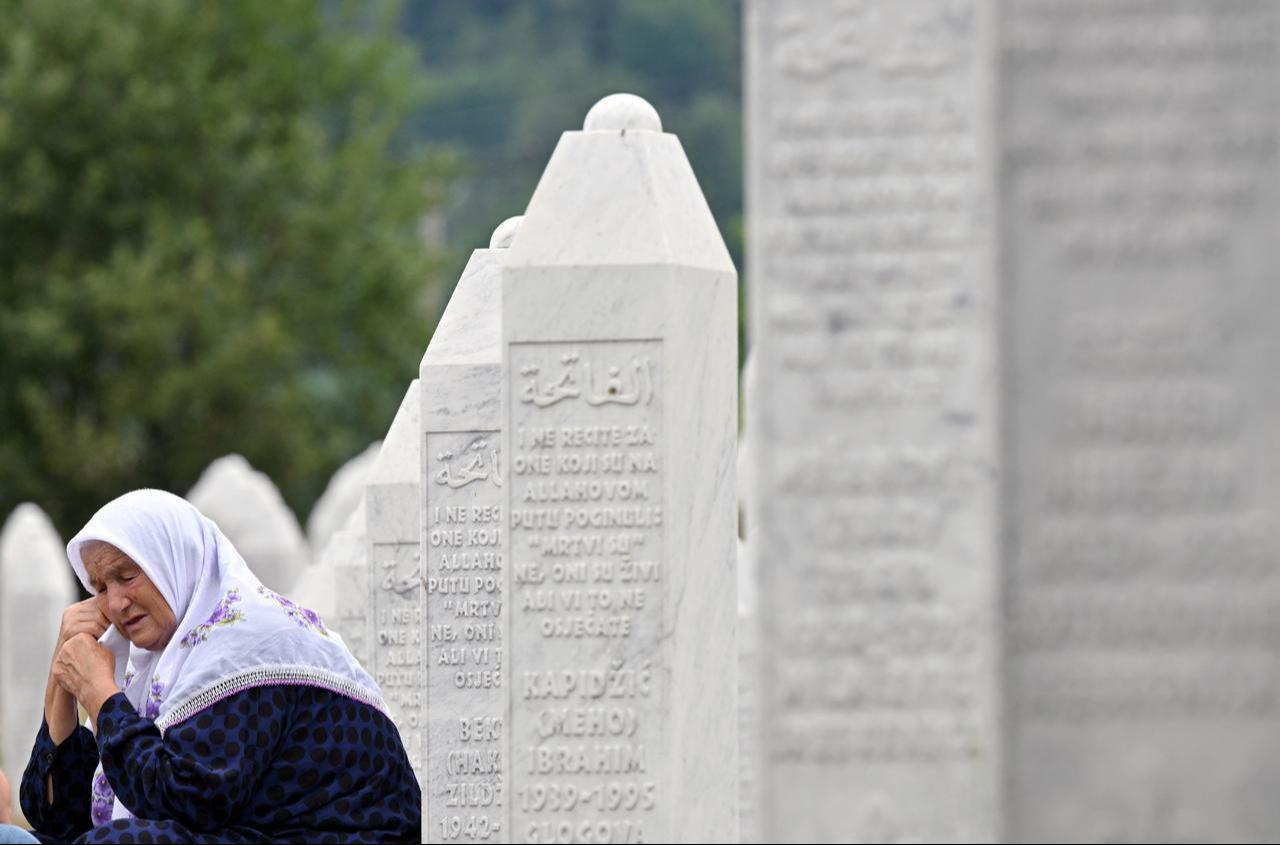
In July 1995, Serb forces in eastern Bosnia-Herzegovina loaded Bosniaks onto buses and trucks and transported them to forested areas, factories and warehouses, where 8,372 people were killed.
The remains of victims were buried in mass graves across the country.
Postwar efforts to locate the missing have led to the recovery of remains from mass graves, with victims identified and buried annually on July 11 in a ceremony at the Potocari Memorial Cemetery.
To date, 6,772 victims have been interred at Potocari, while 250 others were buried in local cemeteries at their families' request. More than 1,000 people killed in the Srebrenica genocide have not yet been found.


 Set as preferred source
 Set as preferred source


 1 min read
 1 min read


