Newsletters


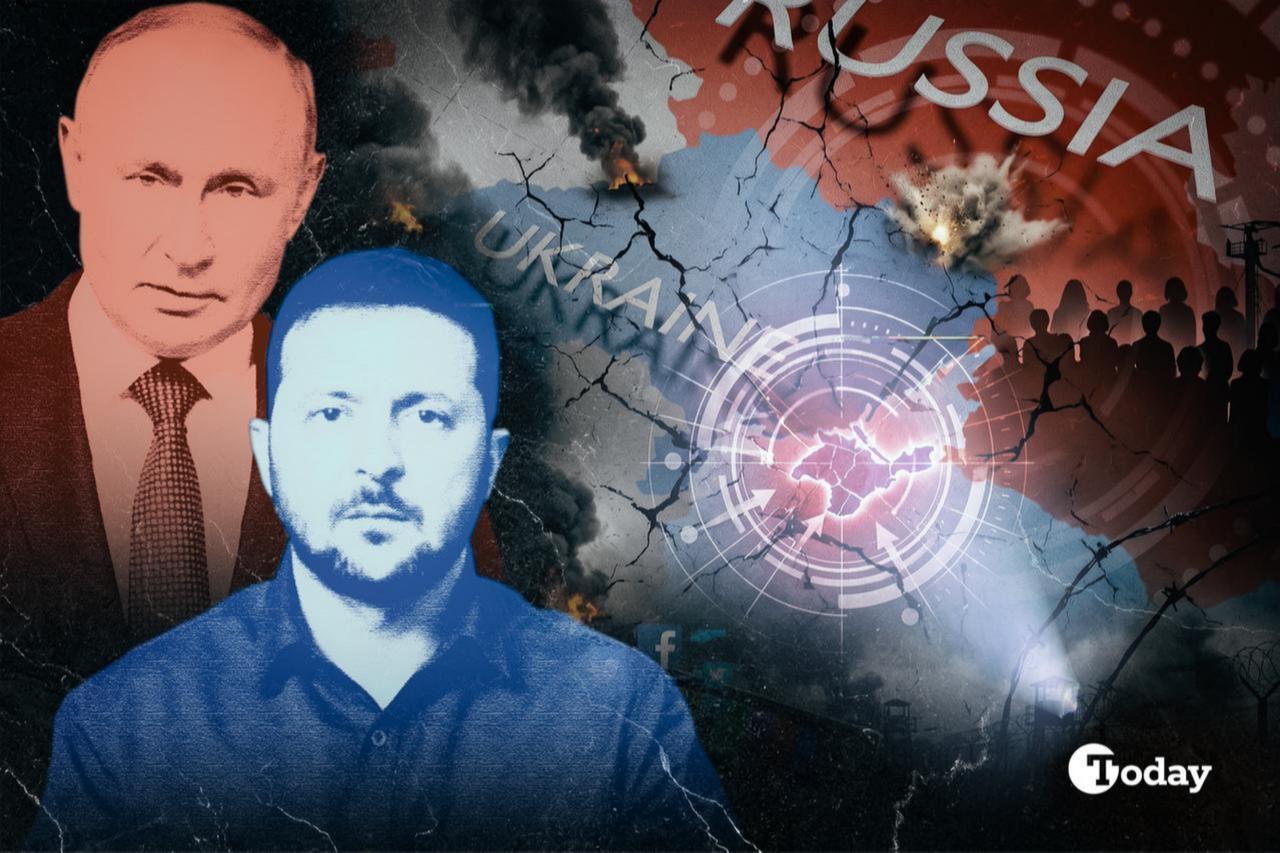


Those planning to spend their summer vacation in Crimea should think again.
Of course, this warning is directed at Russians who are planning to spend their holidays or to send their children to summer camps in Crimea, which has been under Russian occupation since 2014.
Over the past week, Ukraine's increasingly precise strikes on the peninsula have made life extremely difficult for both the civilian population and the Russian military personnel stationed there.
Since May, Ukraine has leveraged its expanding medium- and long-range drone capabilities to strike energy facilities and critical infrastructure both deep inside Russia—including Moscow and St. Petersburg—and throughout Crimea.
Its initial strikes on the peninsula targeted oil refineries, causing fuel shortages. Fuel purchases have since been restricted. Ukraine then shifted its focus to the electricity infrastructure, resulting in widespread power outages.
Summer camps for children have been canceled, and many Russian tourists have dropped their holiday reservations. Russian naval vessels and air defense systems have also become frequent targets on the peninsula.
The consequences have not been limited to the civilian population. By disrupting the transport links connecting Crimea with mainland Russia and the occupied territories of southern Ukraine, Ukraine has also complicated Russia's military operations.
Crimea, which has served as a springboard for Russian attacks on other parts of Ukraine, has effectively become a war zone. The situation has deteriorated to such an extent that a regional state of emergency was declared there last week.

Even before 2014, when Crimea was under Ukrainian control, Russia maintained its Black Sea Fleet there. Because of its strategic location, its dominance over the Black Sea, and its access to the Mediterranean, Crimea has long been of immense strategic importance to Russia.
Indeed, among the central objectives of what the Kremlin described as its "special military operation" in Ukraine was the creation of a land corridor to Crimea by maintaining control over the occupied parts of the Donetsk, Zaporizhzhia, and Kherson regions.
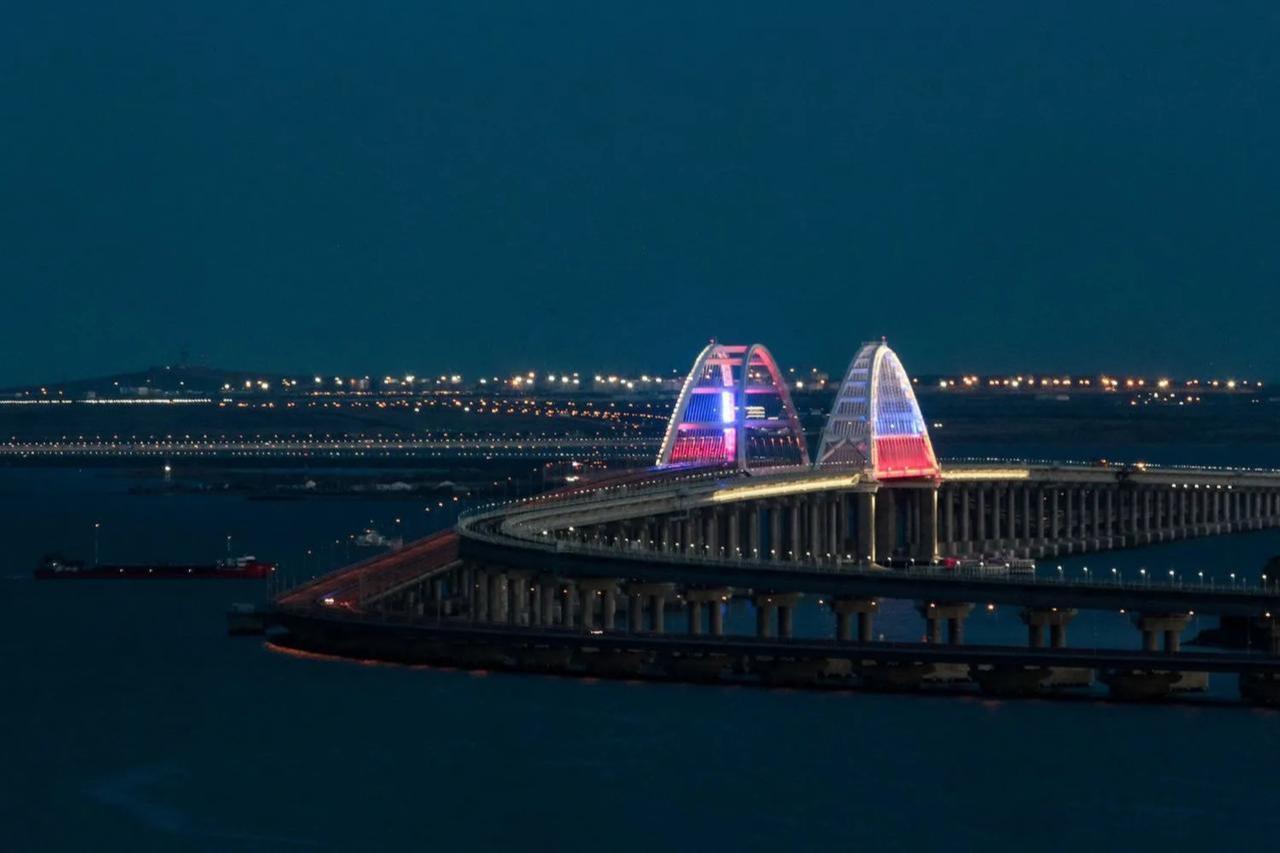
Russia eventually established this land corridor. Since 2018, Crimea has been connected to mainland Russia via the road and rail bridge across the Kerch Strait. And since the full-scale invasion, it has also been joined through road and rail links along the land corridor passing through the occupied territories of southern Ukraine.
The annexation of Crimea has enabled Russia to significantly expand its military presence in the Black Sea, strengthen its navy, and enhance its anti-access/area-denial (A2/AD) capabilities, turning the peninsula into a platform for projecting power throughout the Black Sea and the Mediterranean.
For Ukraine, the peninsula has acquired even greater military significance during the war as Russia transformed it into a supply hub and launchpad for attacks against Ukraine.
Ukraine began its campaign against Crimea in the summer of 2023. As a result of these attacks, Russia was forced to relocate its Black Sea Fleet from Sevastopol to Novorossiysk.
Since May, the focus has shifted to the key transport links and bridges connecting Crimea to mainland Russia and the Russian-occupied territories, which serve as the logistical lifeline sustaining Russia's military hold over the peninsula.
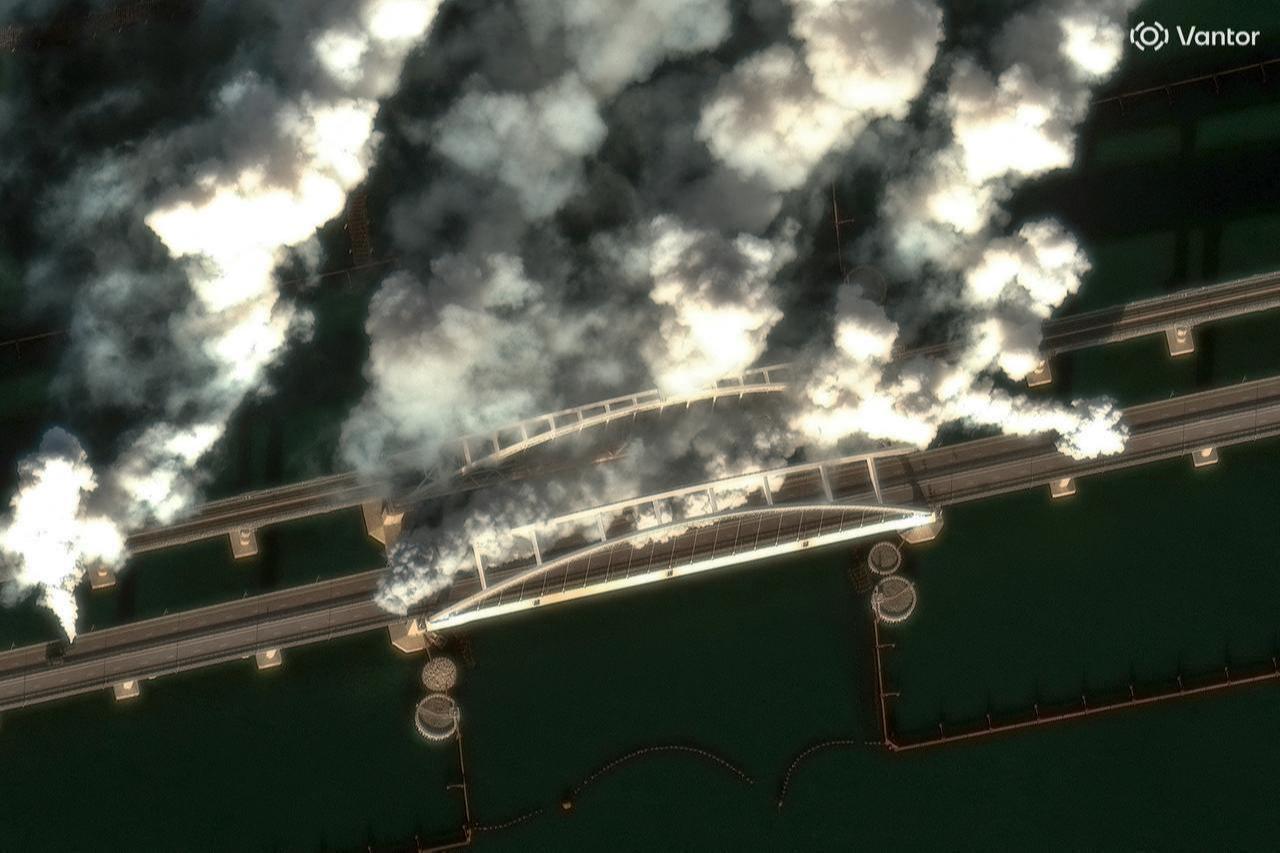
The Kerch Bridge is so crucial for sustaining the occupation and supplying both Crimea and the other occupied territories that Moscow redeployed its air defense systems from other regions to protect it following Ukrainian drone strikes deep inside Russia.
Having targeted the bridge itself in the past, Ukraine recently turned its attention to oil facilities located on both sides of the strait with long-range drones. It further disrupted fuel supplies to Russian forces on the battlefield.
The developments in Crimea should not be viewed separately from the broader course of the war. This year, Ukraine has pursued a dual strategy. On the one hand, it has aimed to reduce Russia's ability to sustain frontline operations in occupied southern Ukraine.
On the other hand, it has launched an air campaign using intermediate- and long-range strike capabilities designed to make everyday life more difficult for Russian citizens, raise the domestic costs of the war, and thereby place greater pressure on President Vladimir Putin.
This campaign focuses on Russian logistics by striking weapons depots, fuel supplies, other critical materiel, road and rail connections, and military infrastructure. Energy infrastructure, storage facilities, and communication centers used to collect satellite imagery for monitoring Ukrainian troop movements have all been targeted.
The Russian government's inability to prevent these attacks is reinforcing public doubts about the Kremlin's conduct of the war at a time when support for the conflict has fallen to its lowest level since 2022.
From the first direct negotiations between Russia and Ukraine in 2022 to the peace initiatives and negotiations mediated by the Trump administration, proposals have consistently included demands that Ukraine accept the fait accompli regarding Crimea.
Throughout these talks, President Volodymyr Zelenskyy has repeatedly stated that Ukraine will never officially recognize Russia's annexation of Crimea and that the occupation is temporary.
Last year, while pressing both sides toward a peace agreement, President Trump adopted a more Russia-friendly position, arguing that Ukraine would need to make concessions to end the war.
He even stated that Crimea would stay with Russia, suggesting that Ukraine should accept this reality. It was not only President Trump who expressed such views. Several European leaders also openly argued that Ukraine would ultimately have to give up Crimea.
Russia successfully fostered the perception that it was too late to reverse the annexation—that Crimea had been under Russian control for too long and that nothing could realistically be done to change the situation.
When Russia annexed and occupied Crimea in 2014 during the Obama administration, the international response was relatively limited. While the Obama administration refused to recognize the annexation, describing it as illegal and illegitimate, it chose to respond primarily through economic measures and sanctions coordinated with European allies.
Following his phone call with President Trump on June 14, President Zelenskyy wrote on social media that Trump had attributed the origins of the war to the weak international response to Russia's annexation of Crimea.
Trump reportedly stated: "It all started with Russia's seizure of Crimea, and had there been strong leadership at that time, there would have been no war at all."
By intensifying its attacks on Crimea, Ukraine has once again demonstrated that it has not abandoned its goal of reclaiming the peninsula. In a message published on the occasion of the Crimean Tatar National Flag Day, President Zelenskyy reaffirmed Ukraine's commitment, declaring that the nation continues to fight actively for Crimea and has not forgotten the peninsula. He also highlighted the strategic damage inflicted by Ukraine's recent military strikes in the region.
The latest developments in Crimea are beginning to challenge the widespread belief that it is already too late to change the peninsula's fate.
 1 min read
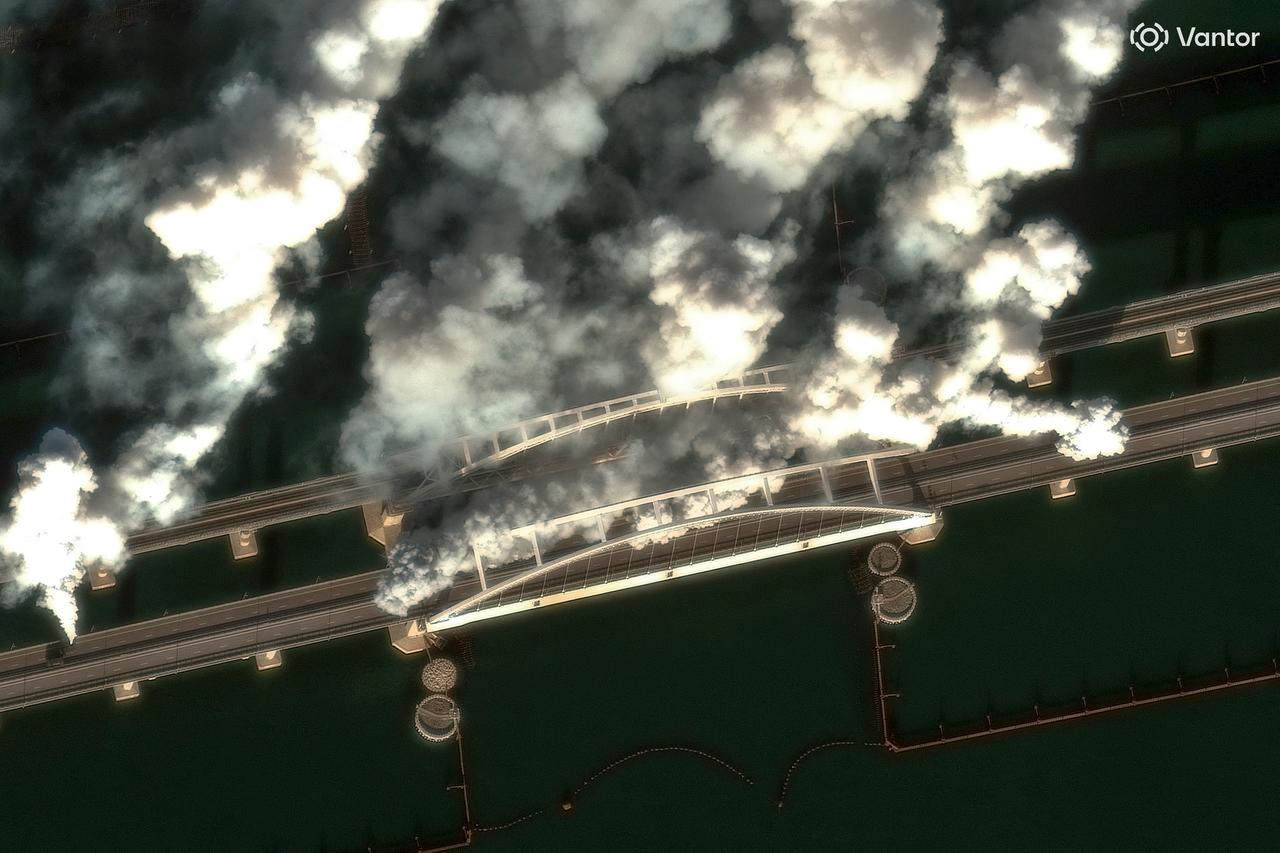
For some time now, Ukraine's strategy has focused on isolating Crimea from Russian supply lines. Targets on both sides of the Kerch Bridge—the most important connection between Crimea and mainland Russia—have been repeatedly struck. Consequently, the Kerch Bridge remains one of Ukraine's highest-priority military targets.
Ukraine's objective is to drive Russian forces from the peninsula and eliminate Russia's military presence there. Capturing Crimea through air strikes alone may prove difficult. Nevertheless, some analysts argue that Ukraine has never been closer to achieving that goal than it is today.
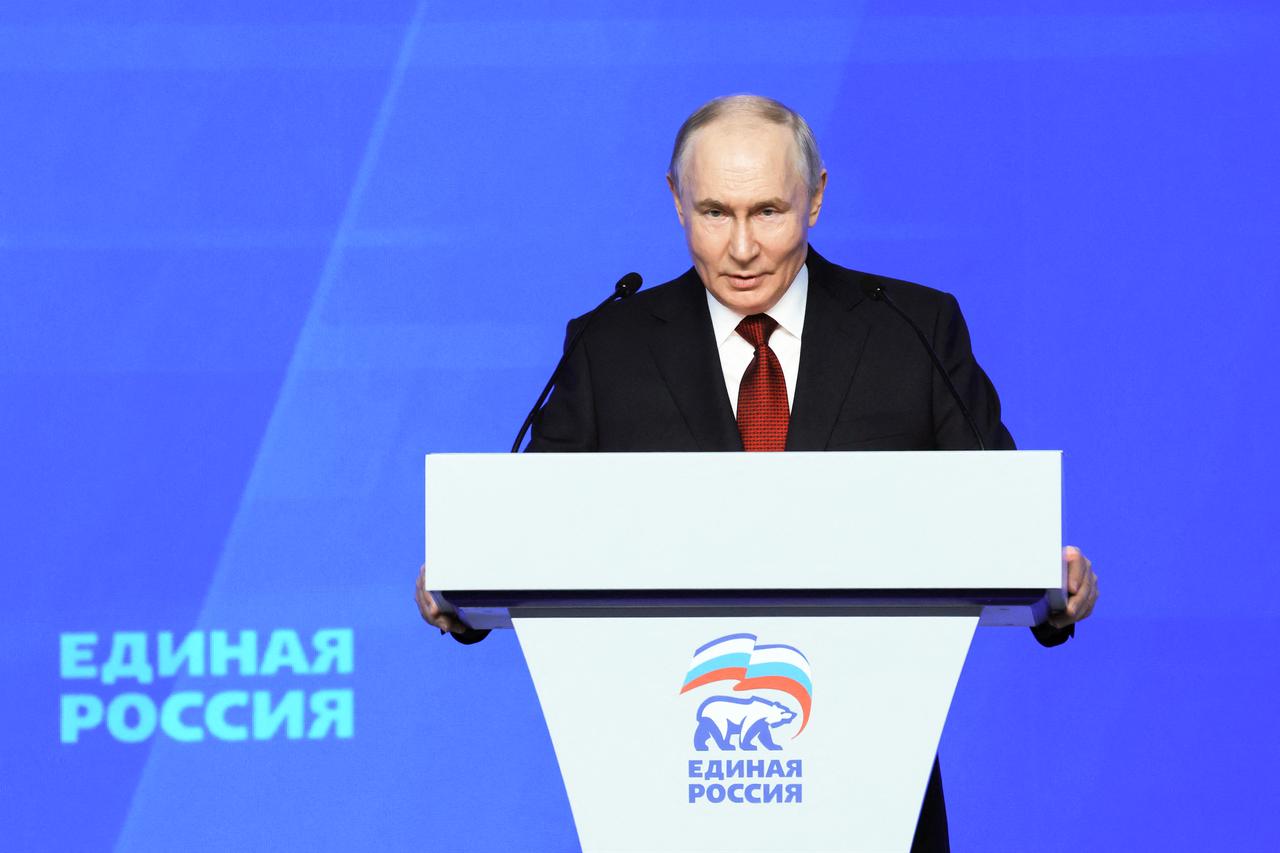
A Ukrainian victory on the peninsula would be a major political blow to President Putin, who has declared since 2014 that Crimea is "an inseparable part of Russia." Losing what Moscow has long regarded as a secure and irreversible territorial gain would significantly weaken Putin's position at the negotiating table and could accelerate future peace negotiations.
It appears that this summer will be a particularly hot one in Crimea. Russian tourists would be well advised to cancel their summer vacation plans for the peninsula.


 Set as preferred source
 Set as preferred source



 1 min read