Newsletters


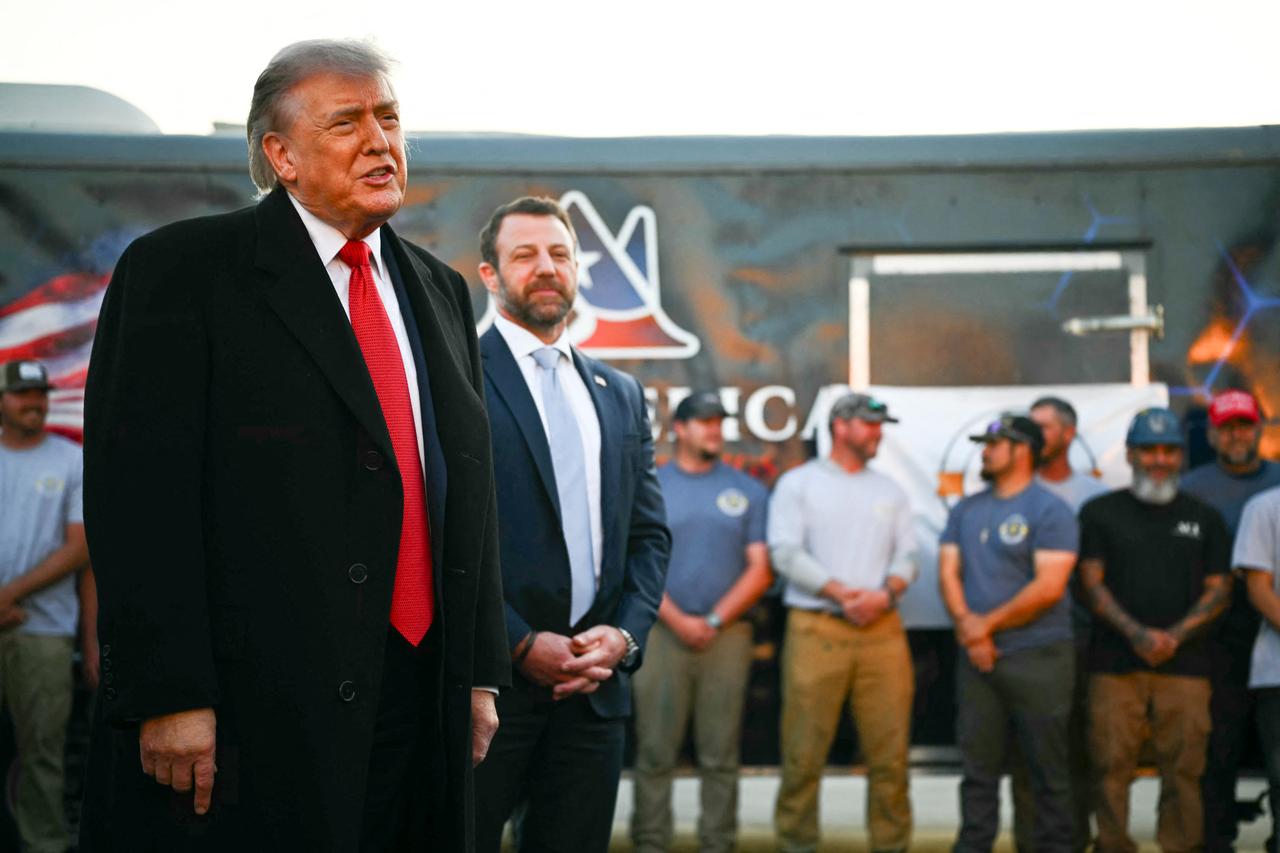


While Washington obsesses over trade wars and border politics, a more calculated retreat is being codified behind closed doors. The Trump administration’s updated counterterrorism strategy goes beyond a policy update.
The strategy does not limit itself to al-Qaeda affiliates or Daesh remnants. It pulls in drug cartels, violent domestic extremists, Iran-linked proxy networks and threats to maritime routes into a single security vision. That alone tells you something.
What Washington is signaling is not just a list of enemies. It is a different relationship between the United States and the burden of global security. The message running through the strategy, sometimes explicit, often implied, is that America will remain decisive, but it will no longer bear the full cost of every crisis on behalf of others.
What Washingtonis signaling is not just a new list of enemies. The message running through the document—sometimes explicit, often implied—is that America will remain decisive, but it will no longer bear the full cost of every crisis on behalf of others.
From the Sahel to the Strait of Hormuz, the logic has shifted. Hunting armed groups was never the whole story, but now Washington is making it clear: routes, partners, and pressure points matter just as much as who ends up holding the bill when a crisis gets out of hand.
Regional powers that miss this shift will not get a formal warning before it starts to cost them.
The most visible break with previous administrations is the refusal to commit to open-ended military engagements. Nation-building, long occupation cycles, peacekeeping at scale, none of that is on offer anymore, and frankly, the appetite for it was already gone before this document was written.
What the strategy puts forward instead is a lighter footprint: stronger intelligence sharing, more partner training, targeted pressure where it matters and fewer American soldiers deployed to places that have historically resisted quick fixes.
The contradiction in this is real. Washington wants to be less exposed, yet it still wants to shape outcomes. It wants fewer long wars, yet it is widening the definition of what counts as a threat. Drug trafficking networks, militant groups, state sponsors of terrorism and violent extremist movements at home are now read together, not as separate files but as connected risks that move through the same vulnerabilities.
What this means for allies is harder to ignore. When the U.S. insists that partners must step up, it is also quietly saying that the age of comfortable security dependency is becoming harder to sustain. That may not be a formal ultimatum, but it is a clear direction of travel.
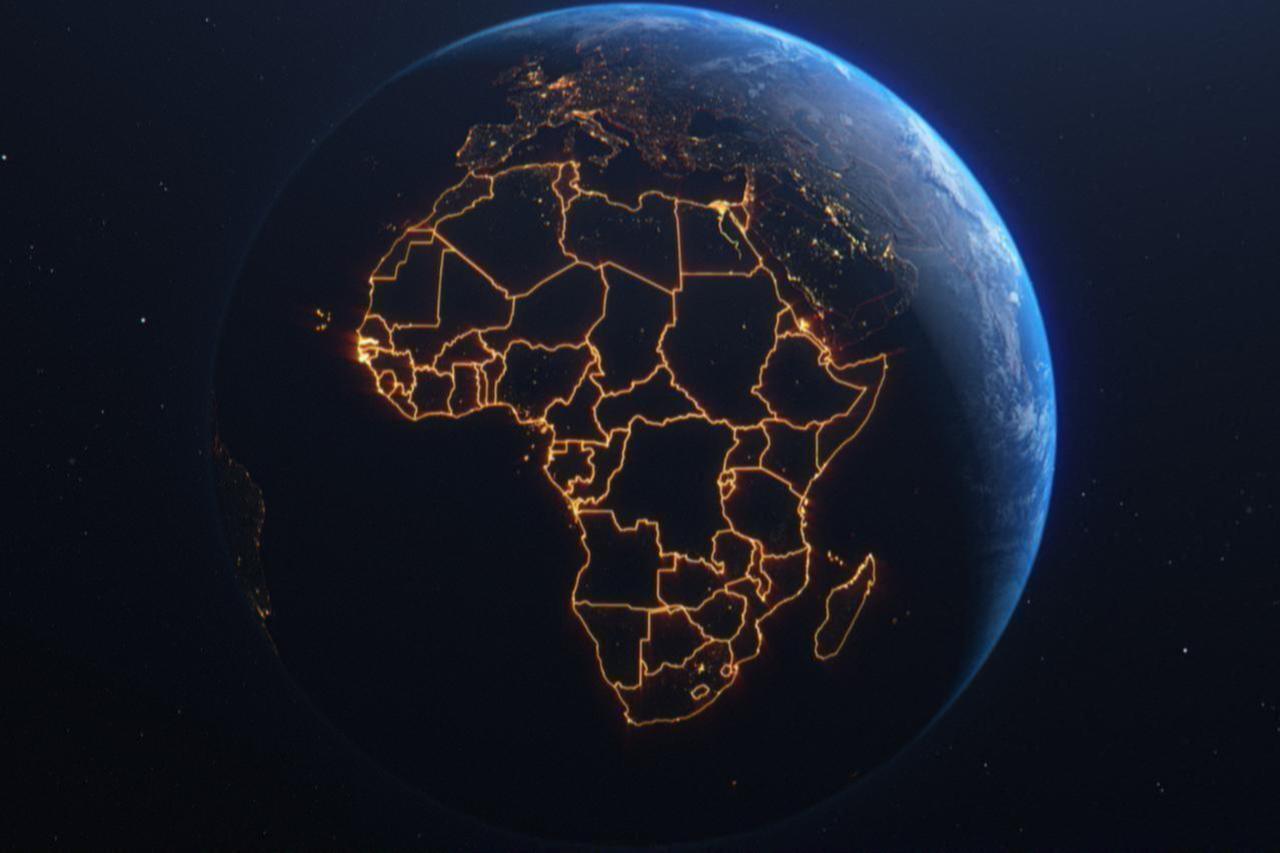
The Sahel appears in this strategy as one of the most unstable pressure points for Western security planning, and the events of recent weeks have only reinforced that reading. Mali, Niger and Burkina Faso are all governed by military administrations that came to power partly on the promise of better security. That promise remains largely unfulfilled.
In Mali, Kidal has reportedly fallen to a combination of rebel and extremist groups, and attacks around Bamako and Kati in late April showed that militant groups affiliated with al-Qaeda’s regional network are now operating closer to the country’s political center than at any recent point. Russia’s Africa Corps, which was supposed to fill the security gap left by France’s retreat, appears to be repositioning from some exposed areas.
French influence has largely collapsed across the three countries. Western uncertainty about what comes next has created exactly the kind of environment in which militant groups do not need to capture a capital to gain an advantage. Controlling roads, taxing movement, cutting supply lines and making governance feel impossible, that is often enough.
The Sahel is now a place where counterterrorism, state legitimacy, great-power competition and Western retreat all meet at once. Access to strategic minerals in the region also adds a dimension that goes beyond security alone. That combination makes it impossible for Washington to treat the Sahel as a secondary concern, even if it has no appetite for another ground war there.
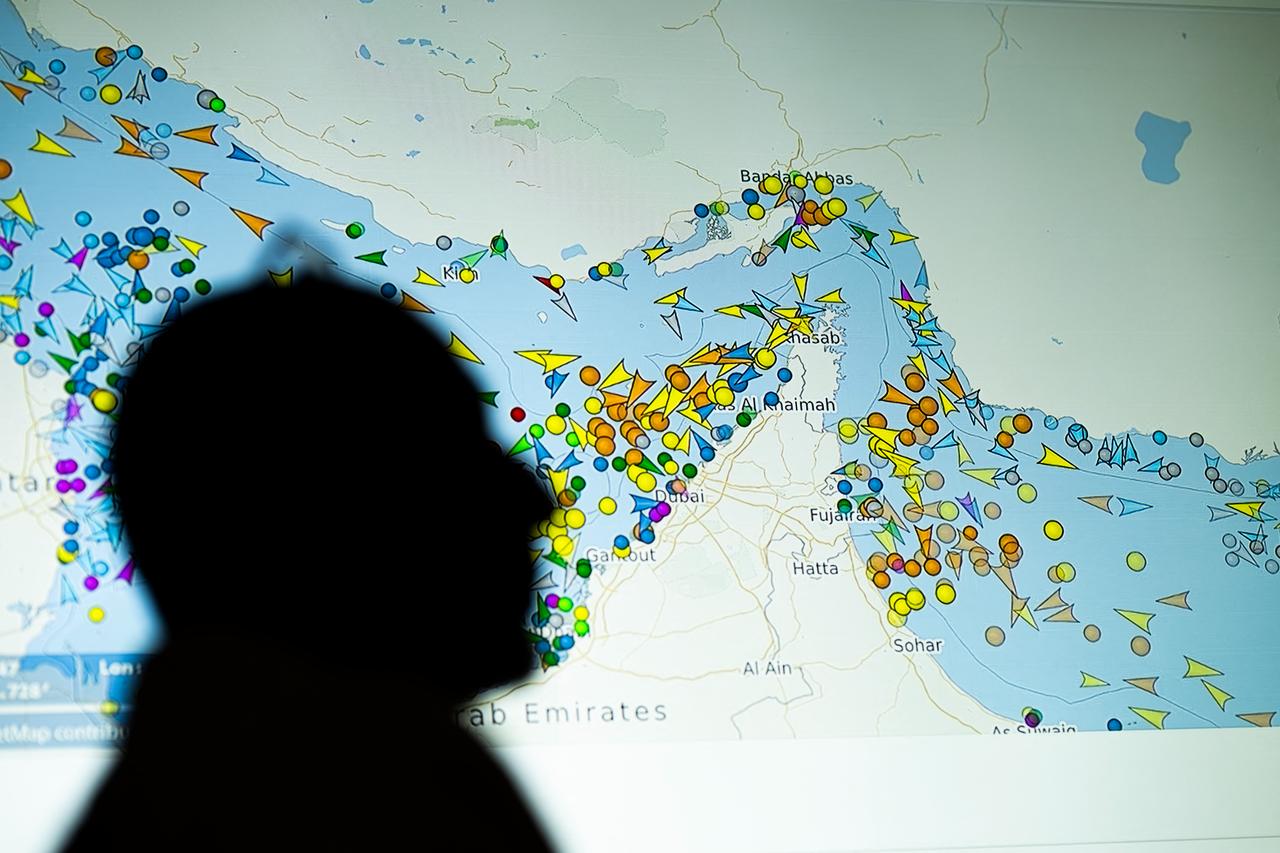

The Strait of Hormuz is a different kind of file. It is not a counterterrorism case in the same sense that Mali or Somalia is. Yet the new U.S. strategy connects it to the same broader logic, because Hormuz is where energy flows, tanker safety, Iranian proxy activity and allied burden-sharing all come together in one narrow waterway.
Washington’s position is essentially this: if a country benefits from open sea lanes and the deterrence that keeps them open, it should also carry part of the cost of maintaining that security. Iran-related threats, whether through proxy networks or direct maritime pressure, are now being read alongside counterterrorism rather than as a completely separate track. That is a deliberate choice, not an oversight.
The Sahel and Hormuz are clearly not the same geography or the same problem. But they both show how the new American approach connects terrorism to routes, energy, migration and the political stability of partner states. These are not isolated dots; they are parts of a single map.
 2 min read
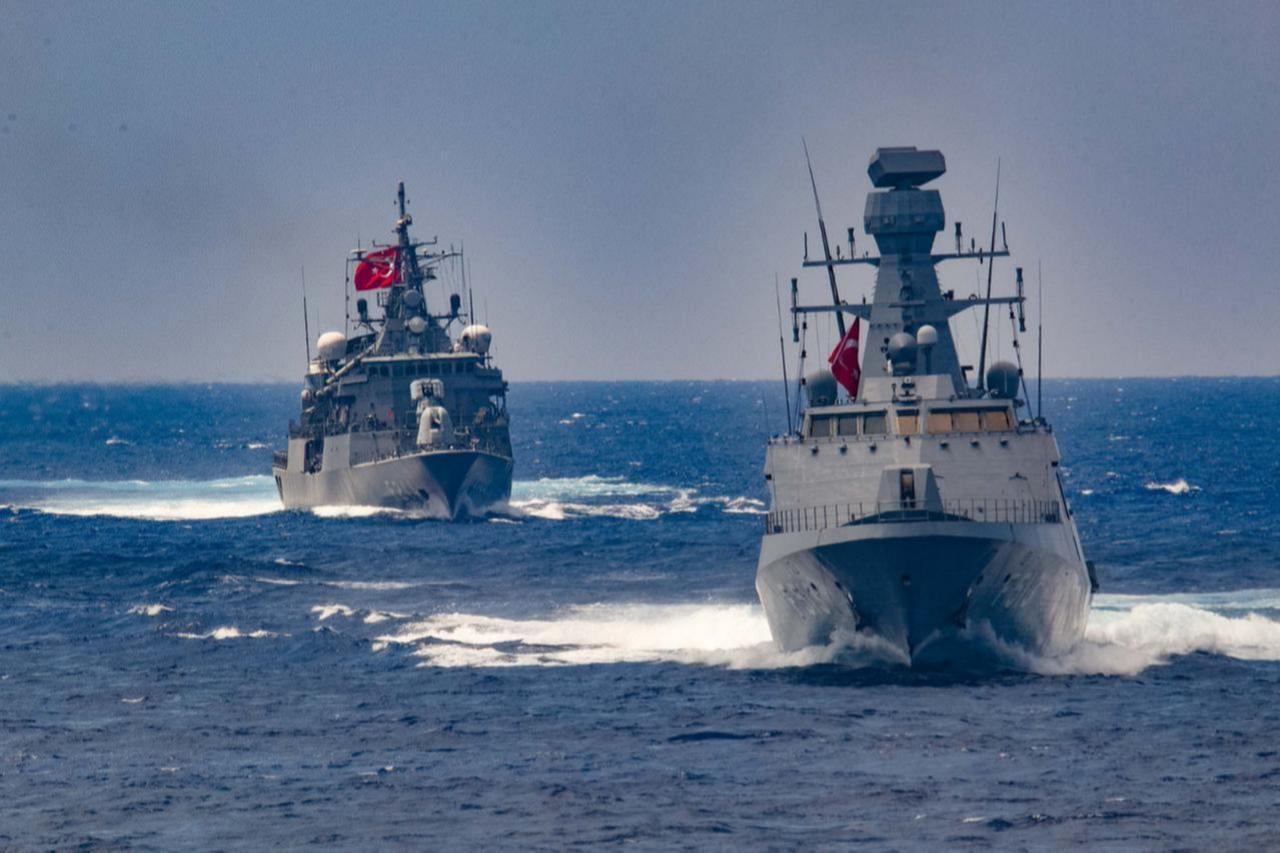
Türkiye has reasons to read this strategy carefully. Ankara has developed security and diplomatic interests across Africa, the Gulf, the Red Sea, Somalia and Libya, often in places where U.S., Russian, Chinese, French and Gulf agendas are already competing. Türkiye is also a NATO member with its own counterterrorism experience and a defense industry that has become a genuine tool of foreign policy.
Still, Türkiye will not simply align with Washington’s new priorities wherever they lead. Ankara will almost certainly look for flexibility, cooperation where interests overlap, distance where they diverge, and room to pursue its own diplomacy in spaces where others are retreating or repositioning. Türkiye’s Africa opening, its Somalia experience, its humanitarian diplomacy and its growing Gulf relations all give it tools that fit a moment when the U.S. is asking partners to do more.
For Ankara, this new strategy is a double-edged sword, offering both significant opportunity and mounting pressure. The opportunity lies in Türkiye’s ability to position itself as a stabilizing force that provides the exact "security-development balance" in fragile regions that Washington now demands from its partners.
However, the pressure stems from a shrinking room for maneuver; the U.S. will increasingly expect regional actors to take clearer, more definitive stances on sensitive files like the Sahel, Iran, and maritime security. As Washington seeks to offload its burdens, the strategic ambiguity that has long defined regional diplomacy may become much harder to sustain.
Trump’s counterterrorism priorities do not mean that Washington is stepping away from the world. They mean Washington wants to remain decisive without carrying every burden alone. In the coming period, the U.S. will likely avoid large land wars, but it will use intelligence, special operations, sanctions, financial pressure, partner training and selective military force more actively than the headlines suggest.
The most probable future is not an America absent from the Sahel or Hormuz, but an America that wants others to stand closer to the fire while it decides where the next pressure will fall.


 Set as preferred source
 Set as preferred source


 1 min read