

 Newsletters


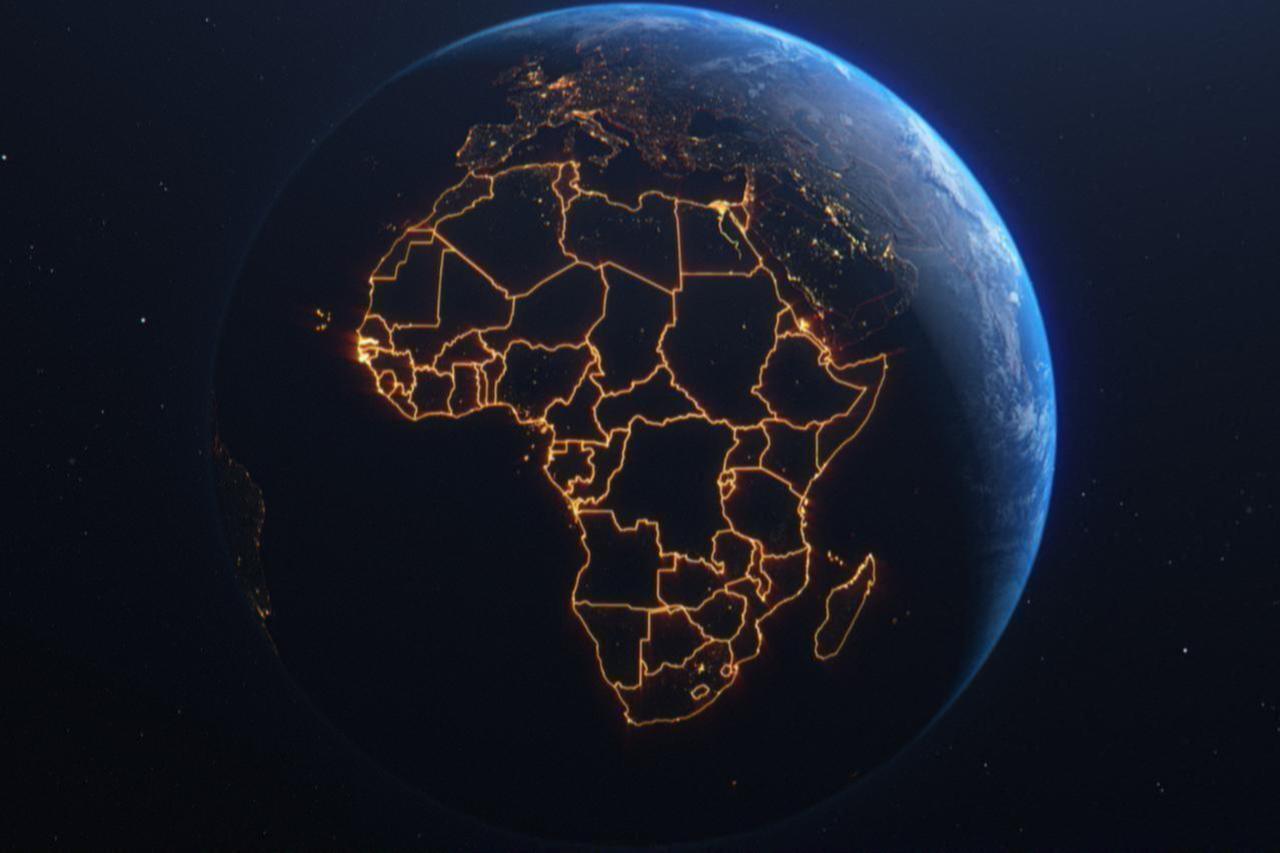


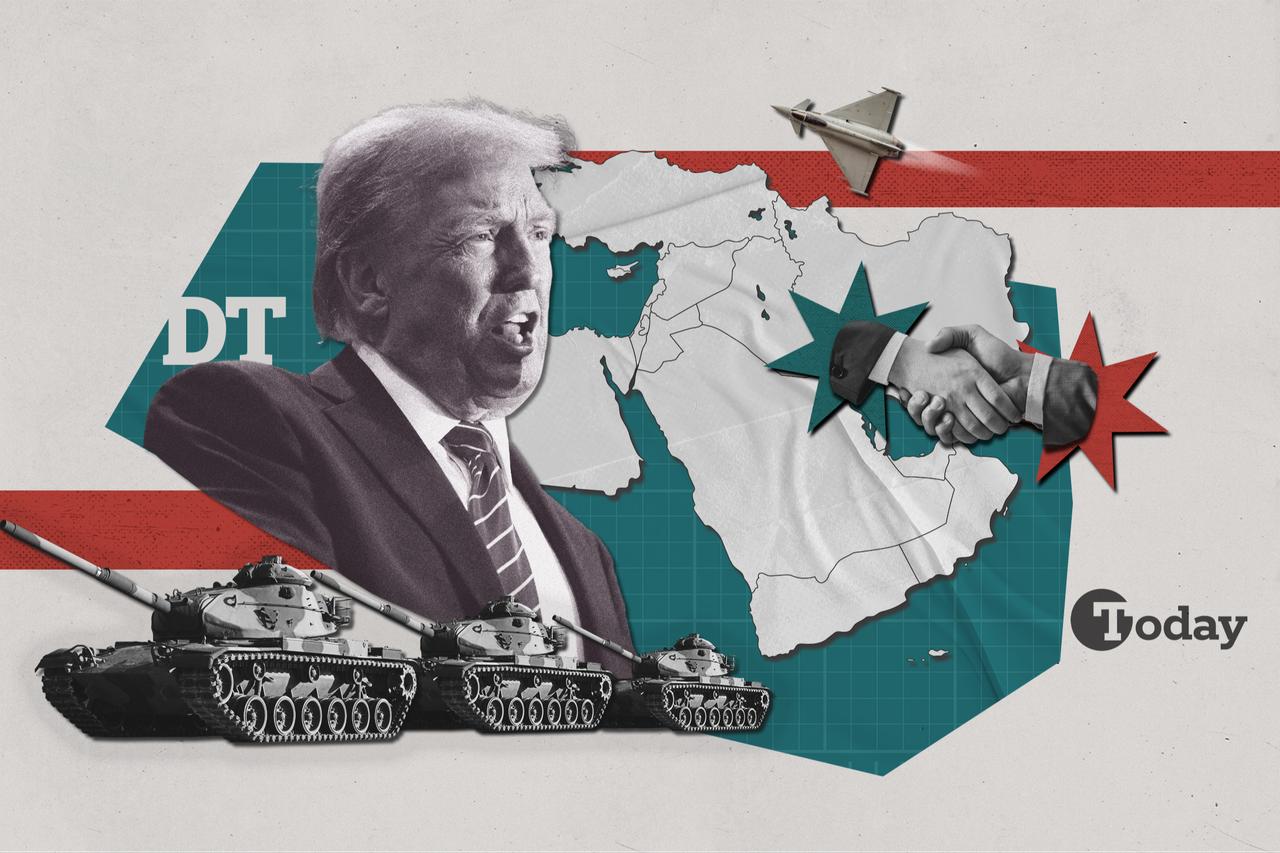
Project 2025-style blueprints for Donald Trump’s second term are blunt about Africa: less traditional aid, more hard security, more business deals explicitly designed to counter China and Russia. The vision is a narrower, tougher corridor that links counterterrorism, migration control and critical minerals to American domestic politics. For Ankara, this does not make Africa a marginal “theater”; it turns the continent into one of the main arenas where Turkish intelligence, diplomacy and defense policy intersect.
Trump’s instinct has always been to ask who pays, who controls and who gets the headline, rather than to talk about “partnership” in abstract terms. In a second term framed by Project 2025, that instinct is being translated into a more structured agenda: convert grants into loans, roll back development programs, and let private investors and security partners carry more of the burden in Africa. That kind of Washington is both more volatile for African states and more opportunity-rich for a middle power like Türkiye that has patiently built assets on the continent over two decades.
Project 2025 and related analyses argue that U.S. policy toward Africa should shift “from assistance to growth,” replacing stand-alone development aid with tools that promote American private sector engagement. They call for converting most foreign aid grants into loans and for leaning on partners such as France to lead counterterrorism operations in North Africa and the Sahel. In other words, Washington wants less USAID-style visibility and more transactional deals that can be justified at home and compete more directly with Beijing and Moscow.
This recalibration plays out on an African chessboard that is already crowded. The Atlas Institute notes that the United States, China and Russia are all hunting for leverage over rare earths and other strategic minerals, with African governments trying to balance among them to extract better terms. CSIS underlines how Russia’s network of proxies in places like Mali and the Central African Republic has blended security assistance with concessions over gold, uranium and other resources, creating self-financing arrangements that also undermine Western influence. Add to this the Red Sea chokepoints and the Sahel’s coup belt, and Trump’s “harder” Africa line arrives in a landscape where every move reverberates from the Gulf of Guinea to the Suez.
U.S. debates on a second Trump term reflect that complexity. Discussions hosted by the Council on Foreign Relations and events such as the Atlantic Council’s “Africa Day 2025” show an emerging consensus that engagement will be more selective and security-heavy, yet cannot fully retreat from trade and diplomacy without ceding the field to rivals. The result is a more competitive environment in which African elites test Washington’s red lines while also inviting Chinese infrastructure, Russian military contractors and Gulf capital.
 2 min read
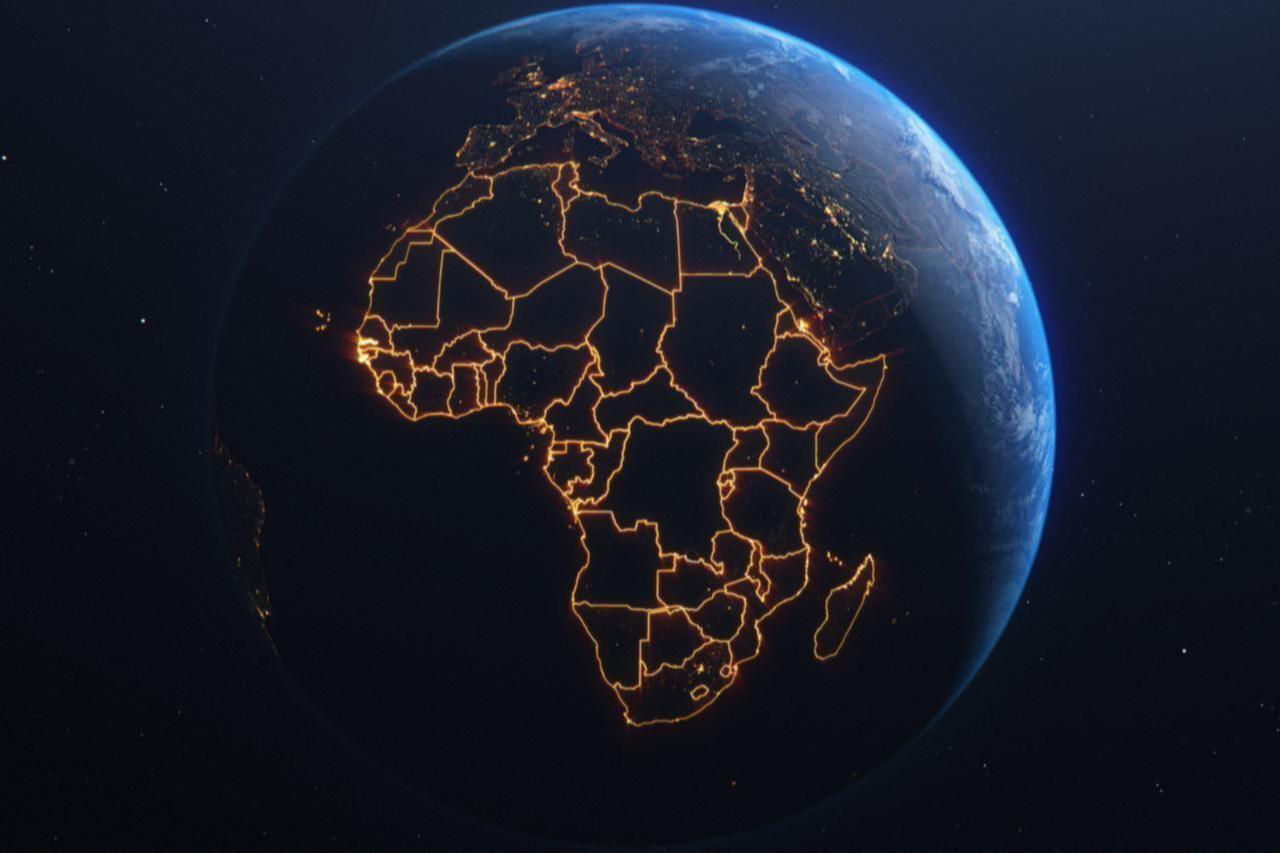
Türkiye does not arrive late to this game. Trade Minister Ömer Bolat announced that trade between Türkiye and Africa exceeded $37 billion in 2024, with Ankara targeting $40 billion in 2025. Over roughly two decades, this volume has increased more than sevenfold, while Turkish contractors have completed 2,043 projects worth nearly $100 billion across the continent. Those numbers are not just about cement and steel; they translate into long-term relationships with transport ministries, energy agencies, local banks and political elites from Dakar to Dar es Salaam.
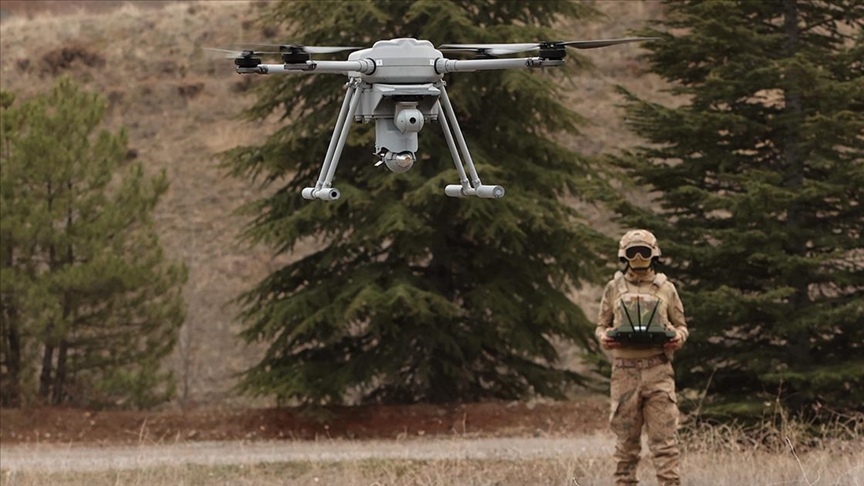
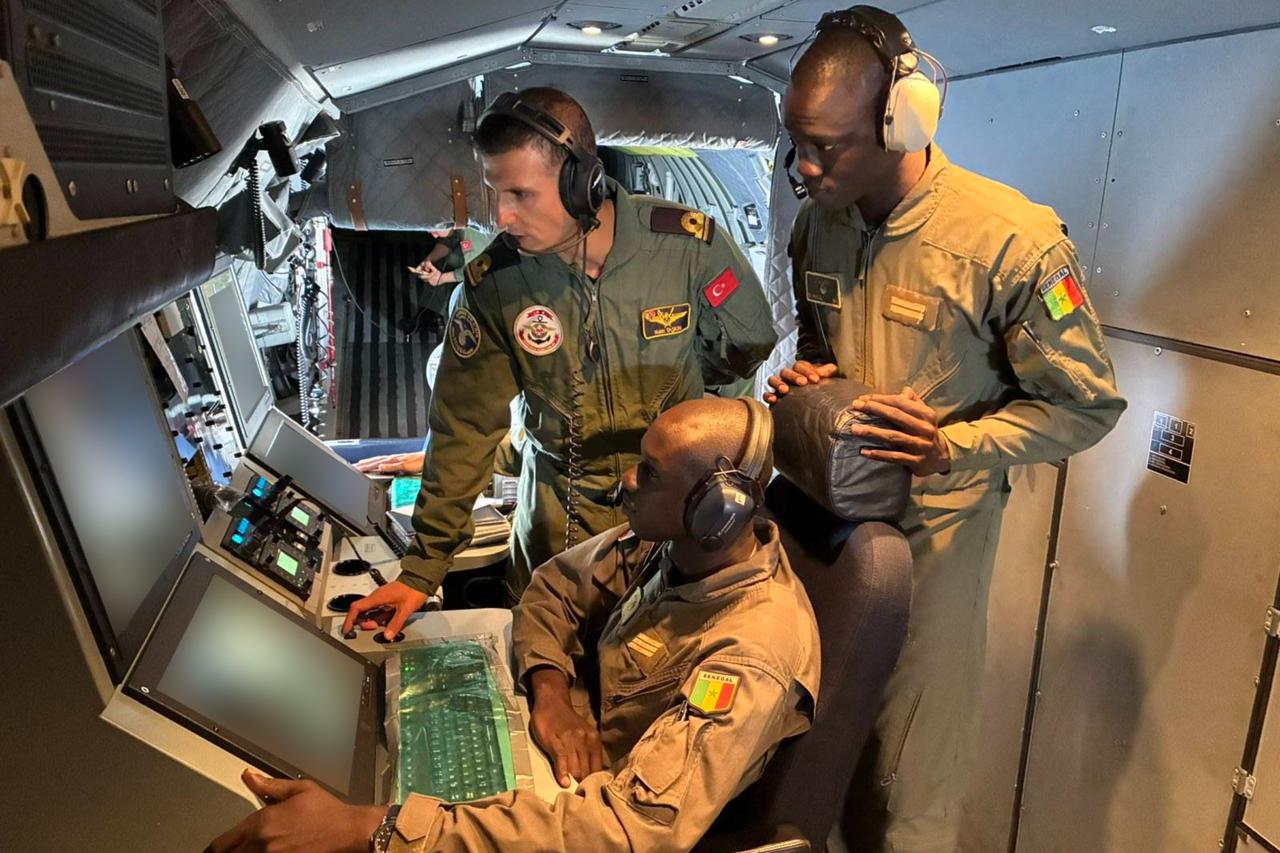
Behind the trade figures lies an infrastructure of presence that any intelligence planner recognizes as strategic. Turkish Airlines flies to dozens of destinations in over 40 African countries, turning Istanbul into one of the main transit hubs connecting African capitals to Eurasia. Türkiye has also expanded its diplomatic network, opening embassies across the continent, while deepening defense cooperation through training missions, equipment sales and security agreements in places like Somalia and Libya. Education scholarships and humanitarian projects add a softer layer that gives Turkish officials granular insight into local societies, beyond elite talking points.
This ecosystem makes African security files structurally different for Ankara than they were 15 years ago. A crisis in the Sahel, the Horn or the Red Sea now affects Turkish contractors on the ground, air routes, maritime lanes and even domestic debates about food security and migration. For Turkish intelligence, Africa has become a space where commercial risk assessments, counterterrorism, energy security and great-power competition converge rather than separate silos.
Consider three plausible pressure points that could define Trump’s Africa moment. One is the Red Sea–Yemen corridor, where Houthi attacks and wider regional tensions threaten global shipping. If a new crisis forces Washington to protect sea lanes with fewer European partners willing to take risks, an actor like Türkiye—with existing stakes in Somalia, Sudan’s rival camps and the wider Gulf—suddenly looks more valuable as an on-the-ground problem solver. Coordinated naval patrols, intelligence-sharing on maritime threats or mediation with regional actors can be leveraged in conversations about NATO files, sanctions pressure or technology transfers.
A second scenario is the chain of coups and countercoups across the Sahel. Russian proxies have already capitalized on France’s retreat, using security contracts to gain access to gold mines and other assets in Mali and beyond. If Trump’s team wants to maintain a minimal counterterrorism footprint without re-entering the quagmire directly, it will look for partners that can talk to both military juntas and civilian actors. Türkiye’s ties to Libya’s western authorities, its growing presence in the Sahel’s diplomatic circuits and its credibility in Muslim-majority societies give Ankara a distinctive profile here, different from both Paris and Moscow.

The third front is the critical minerals belt, from the Democratic Republic of Congo to southern and eastern Africa. Analyses of great-power competition highlight how rare earths, cobalt and lithium are now central to U.S.–China rivalry, and how Russia uses mining concessions to fund its own influence. As American policy shifts from aid to investment, U.S. firms will look for trusted partners that can manage complex projects in politically fragile contexts. Turkish companies that have already delivered billions of dollars in infrastructure and energy projects are well placed to partner with, or sometimes compete against, Western investors. The ability to facilitate or slow down specific deals—ports, railways, power plants—creates leverage when negotiating with Washington on issues far from Africa, from fighter jets to sanctions waivers.
2 min read
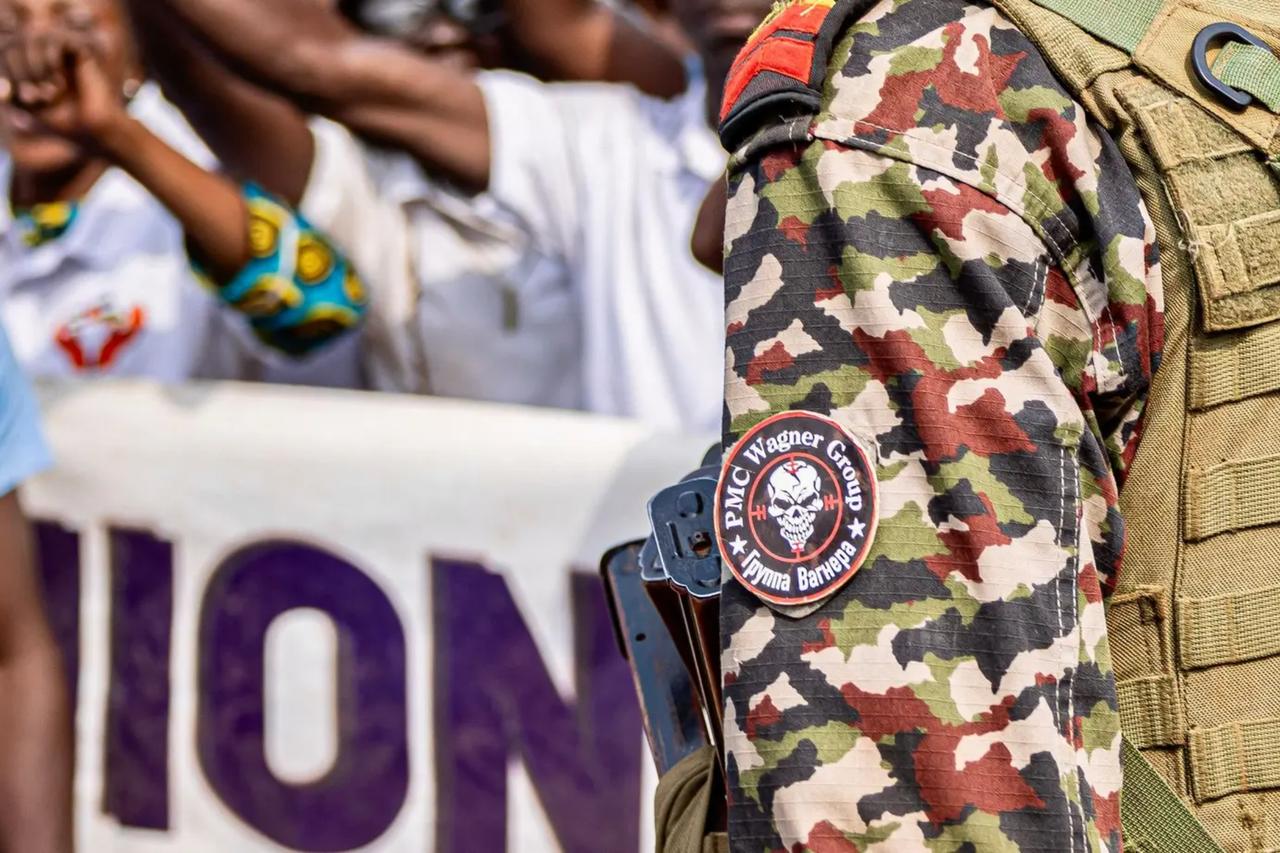
There is, first of all, the temptation to slide into a “security-for-rent” model that looks uncomfortably close to the Russian playbook. Analyses of Wagner and its successors show how Moscow-linked networks have fused regime protection, expeditionary forces and opaque mining concessions into a single package that weakens institutions while enriching a narrow circle. If Turkish actors start prioritizing leader-centric, off-the-books arrangements over transparent, parliament-backed agreements, Ankara risks being bracketed with exactly the practices it has used as a contrast point in Africa.
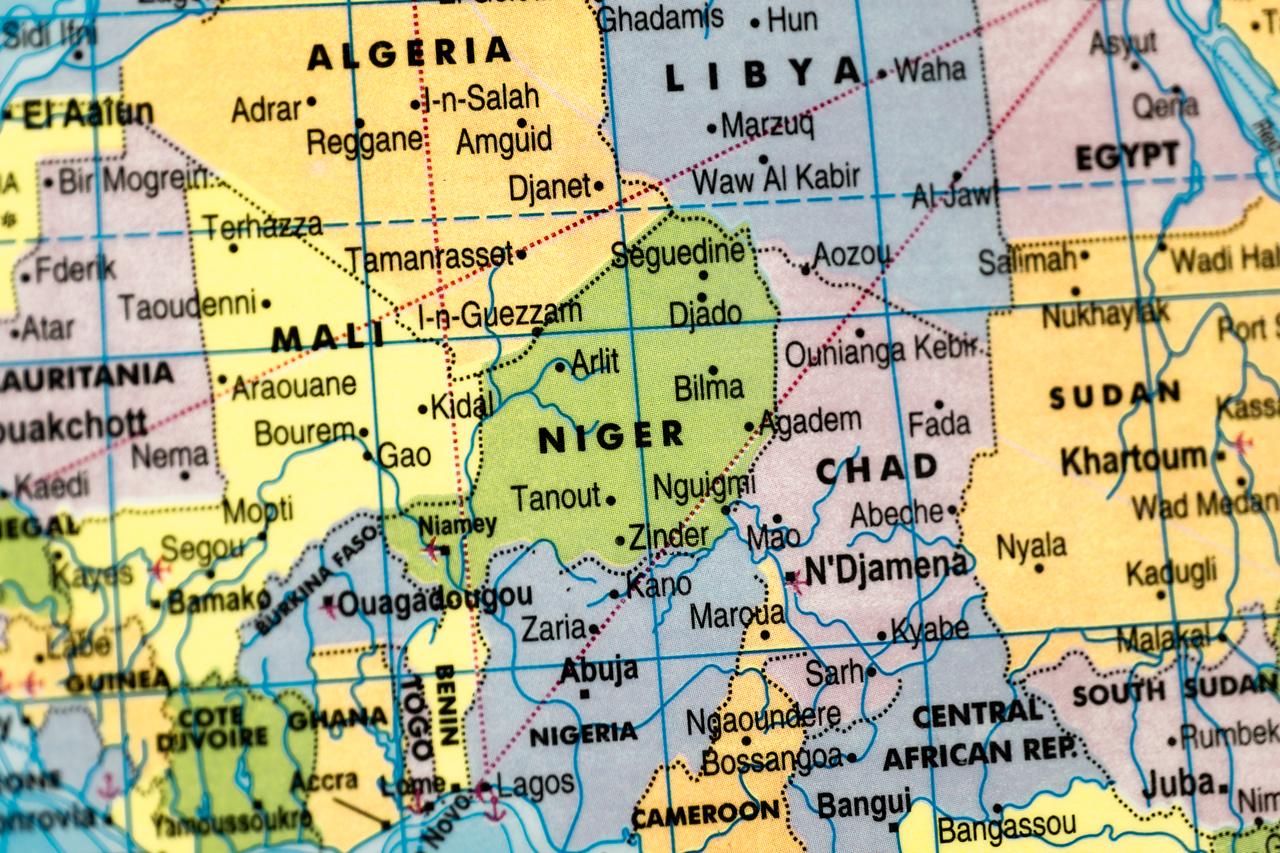
A second danger is believing that every vacuum is an invitation. From Washington’s perspective, a Trump White House that cuts back on aid and hesitates to deploy troops will inevitably create gaps in the Sahel, the Horn and the Gulf of Guinea. For Turkish planners, the instinct will be to answer more phone calls, sign more training deals, open more liaison offices; that is how middle powers accumulate influence. Yet Africa’s political rhythm is unforgiving: a coup in Niamey, an election upset in Nairobi or a street protest in Khartoum can turn today’s “indispensable partner” into tomorrow’s exile. Spreading intelligence and military assets too thin, just to signal presence to Washington, could leave Türkiye exposed in precisely the regions it cares about most.
The third risk is misreading how much room Trump actually has at home. Project 2025 outlines a sweeping shift in U.S. aid and security policy, but Congress, the Pentagon and the diplomatic bureaucracy still define budgets, basing rights and many sanctions files. If Ankara assumes that one phone call or one high-profile cooperation move in Libya, Somalia or the Red Sea will automatically unlock concessions on F-16s, export controls or Syria, it is likely to be disappointed. The more realistic approach is to treat Africa as one strand in a wider, long-term negotiation with the whole U.S. system, not as a single transactional chip to be cashed in with the Oval Office.
What African capitals do with this moment will matter just as much. Leaders in Abuja, Addis Ababa, Nairobi or Pretoria have learned to navigate great-power competition, Gulf activism and new middle powers like Türkiye to extract better financing, more technology transfer and political support on their own priorities. If Ankara wants to be seen as something other than “Wagner with better branding” or “a cheaper France,” it has to respect that agency and build arrangements that can outlive one U.S. president or one African leader. In Trump’s second-term world, Africa is not a distant side stage but a testing ground where Türkiye’s intelligence networks, trade corridors and diplomatic claims either crystallize into durable middle-power status—or are exposed as overreach.


 Set as preferred source
 Set as preferred source


 1 min read


