

 Newsletters




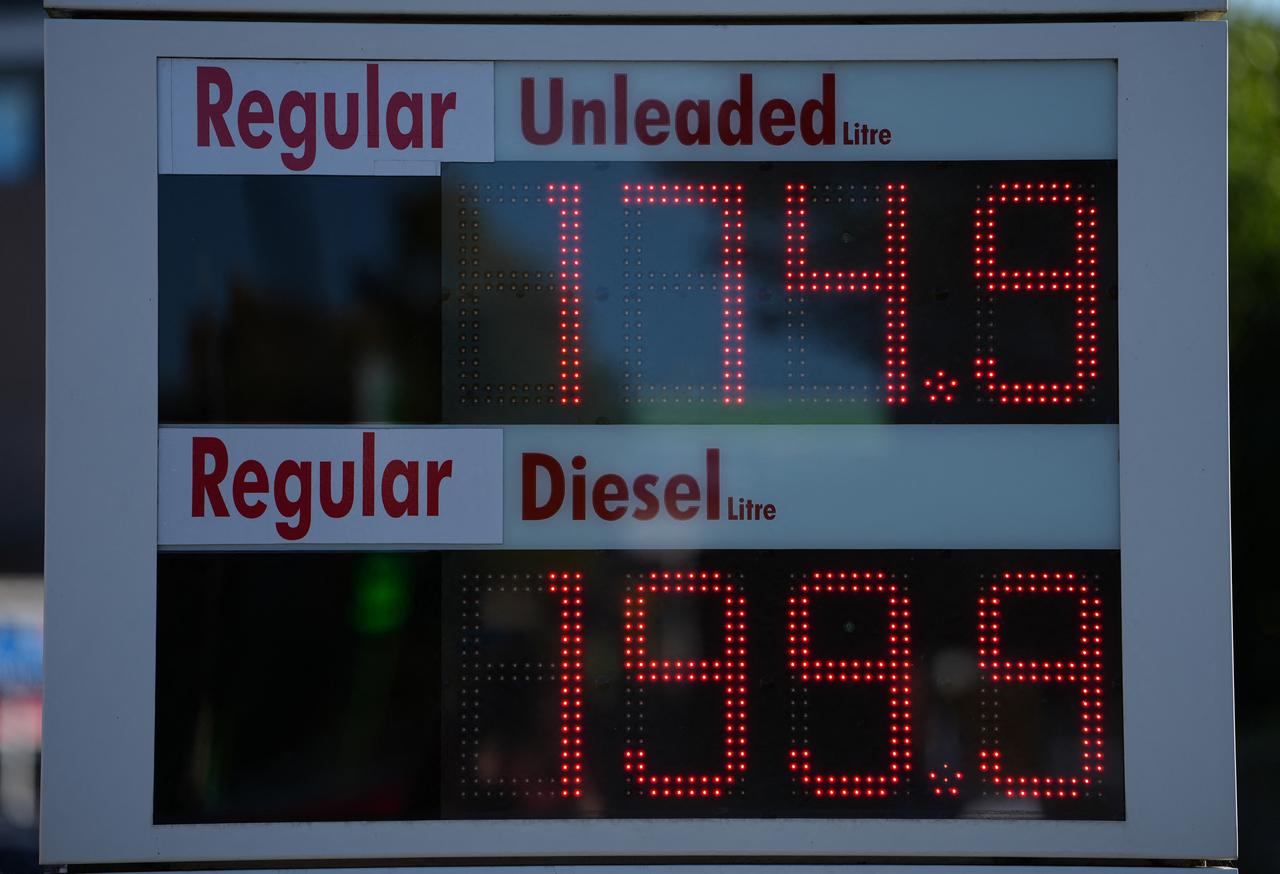
A US decision on Russian diesel has created a divide between Washington and Berlin. On 9 October, after a call with Vladimir Putin, Donald Trump announced Russia would release diesel to world markets. The same day, the US Treasury issued a six-month license allowing Russian diesel to be sold, delivered, and imported despite US sanctions. Trump's stated aim is cheaper fuel for Americans. The US-Israeli war on Iran has raised prices, and the midterm elections fall in November. Russia, which banned its diesel exports in July after Ukrainian strikes on its refineries, partially lifted the ban the day after the call.
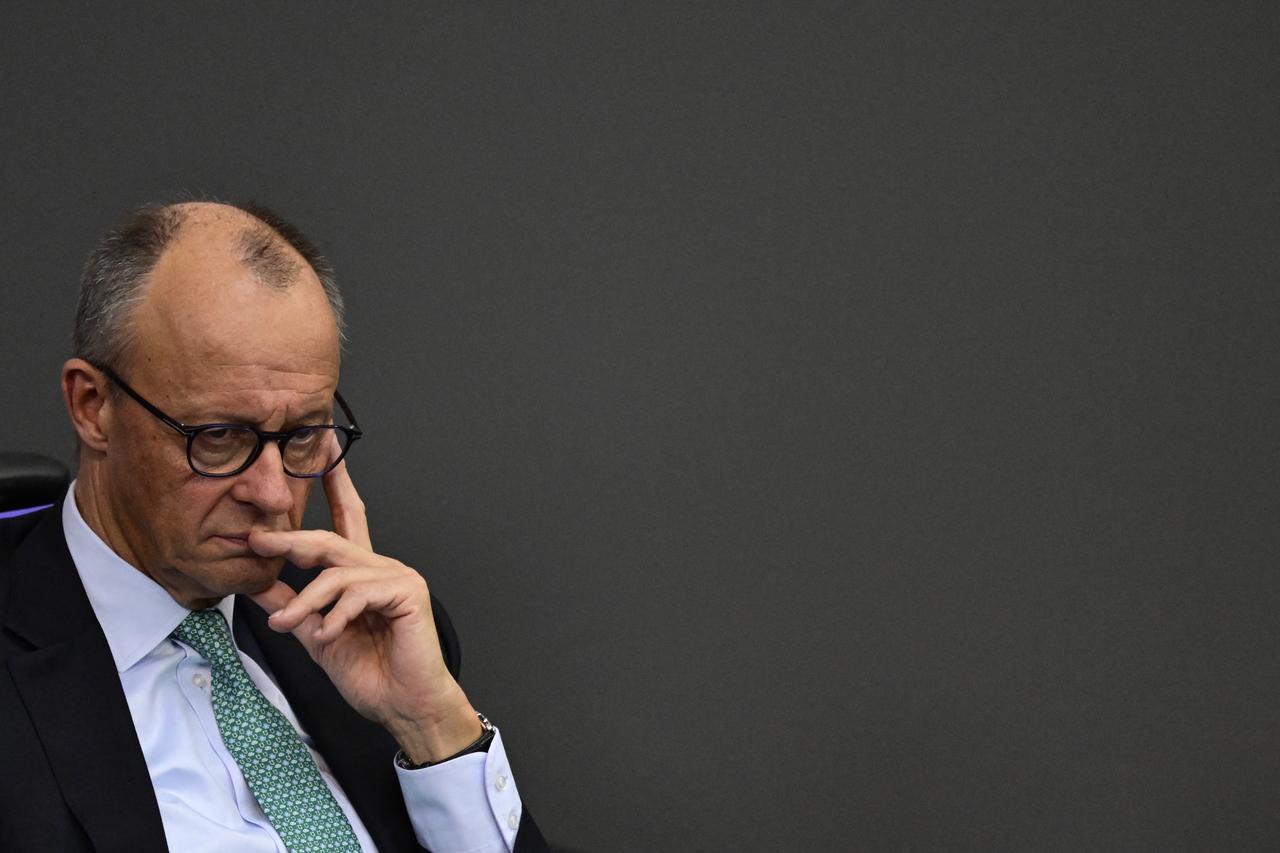
Within two days, Washington and Moscow had both loosened their rules on Russian diesel. Meanwhile, Europe went the other way. The European Union keeps its ban on Russian oil products, a sanction over Russia's war against Ukraine. On 12 October, Friedrich Merz, the German chancellor, called the US-Russian deal "out of the question" for Germany and for Europe.
Germany and the United States have been allies since 1955, when West Germany joined NATO. Russia is where they part. Merz leads the party that tied West Germany to the United States, while Trump leads an "America First" camp that treats sanctions on Russia as a lever on fuel prices. On Russia, Merz's party has lost its partner in the White House.

Merz's party, the Christian Democratic Union (CDU), chose America in the Cold War. In February 1955, the West German parliament backed that choice 314 to 157. The CDU's Konrad Adenauer, West Germany's first chancellor, put it plainly: "Without America, defending Europe against the Soviet Union is impossible."
Decades later, the bond still grounds the party's program. It calls a strong transatlantic friendship "the foundation of our foreign policy" and sums up the line as "staying Atlantic, becoming more European."
For a decade until 2019, Merz chaired the Atlantik-Brücke, a transatlantic network. On leaving, he called the relationship with America "more than trade policy, more than a security alliance" and "a value-based community."
He has since watched that community fray. On Germany's election night last year, he made independence from Washington his "absolute priority," and at the Munich Security Conference this February he spoke of "a rift, a deep divide" between Europe and the United States.
Last month, at a CDU event in Berlin, he went further. "This era of unconditional transatlantic friendship is probably over for the foreseeable future," he said.
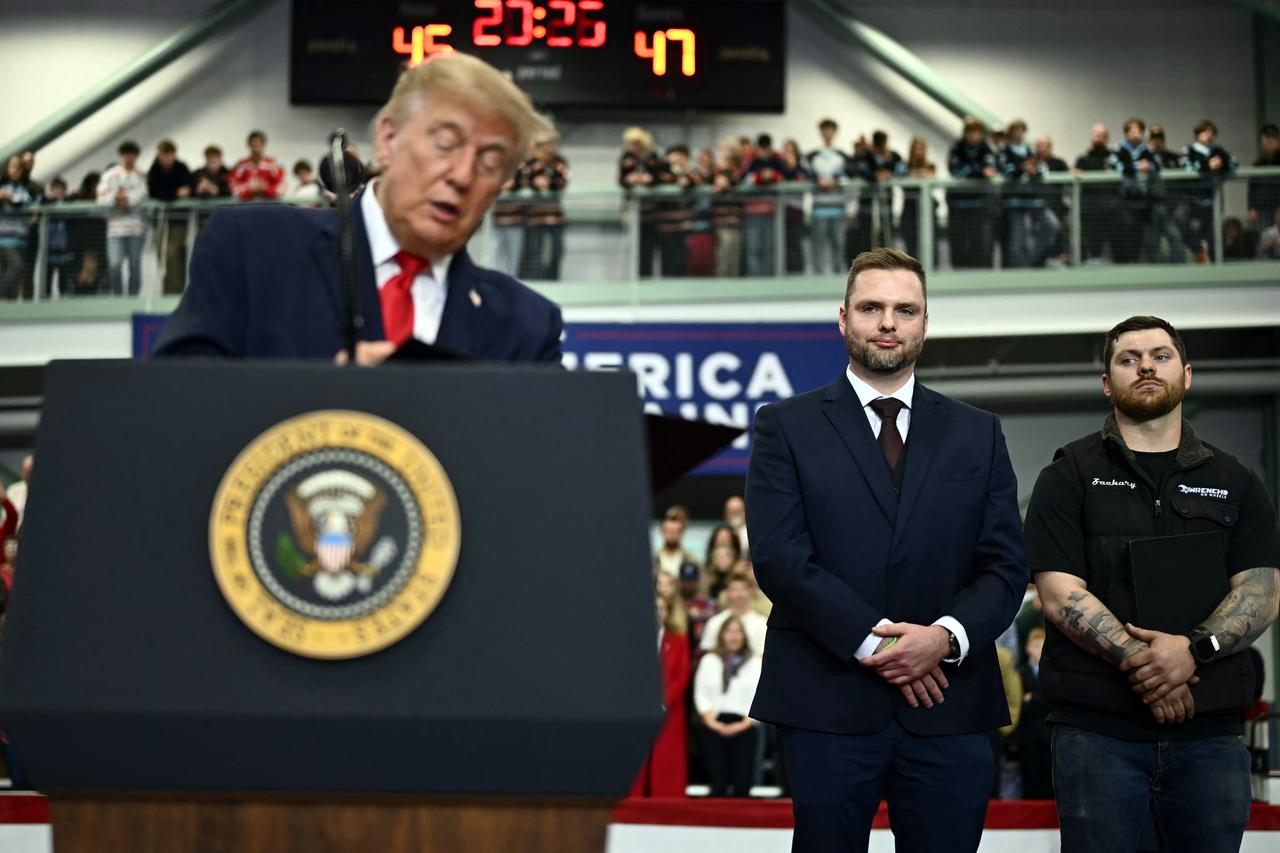
The Republican Party once spoke Merz's language about Moscow. In 1983, Ronald Reagan called the Soviet Union an "evil empire" and warned against labeling "both sides equally at fault." In June last year, with Merz beside him in the Oval Office, Trump suggested sanctions could hit Russia and Ukraine alike: "it takes two to tango."
The party's platforms show how far it has moved. In 2016, Republicans supported sanctions on Russia "together with our allies" until Ukraine's sovereignty was restored, while the 2024 platform does not mention Russia, Ukraine or NATO and promises to restore "Peace to Europe."
Trump has applied America First to Germany. In May, the Pentagon said several thousand troops would leave, and Trump announced higher tariffs on EU vehicles. Some Republicans still speak Reagan's language: their armed services chairs in Congress warned the troop cut risked "sending the wrong signal to Vladimir Putin."
Scott Bessent, the Treasury secretary, called European objections "completely hypocritical" on Fox News. Trump defended the deal as "the right choice for the American People," adding: "always America first."
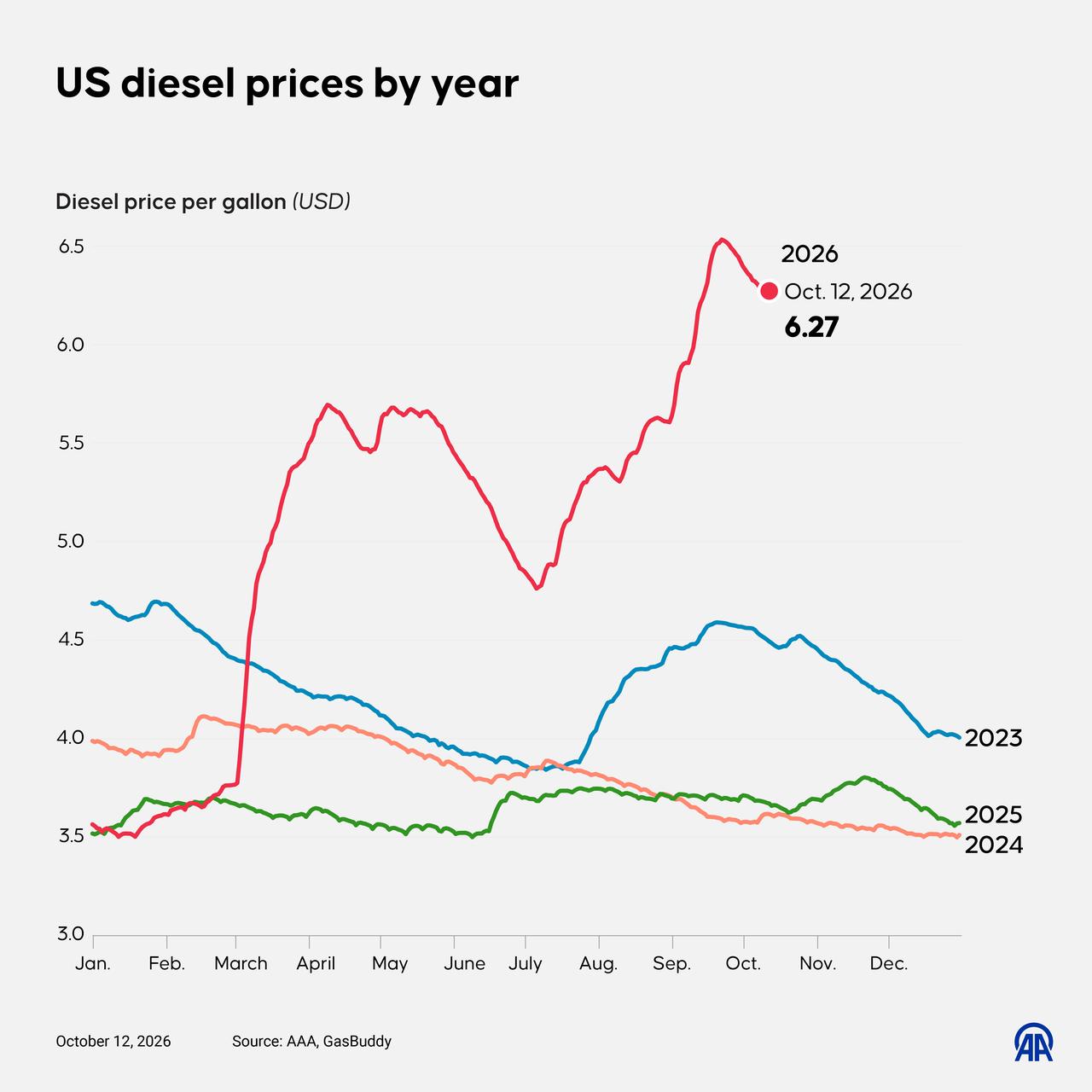
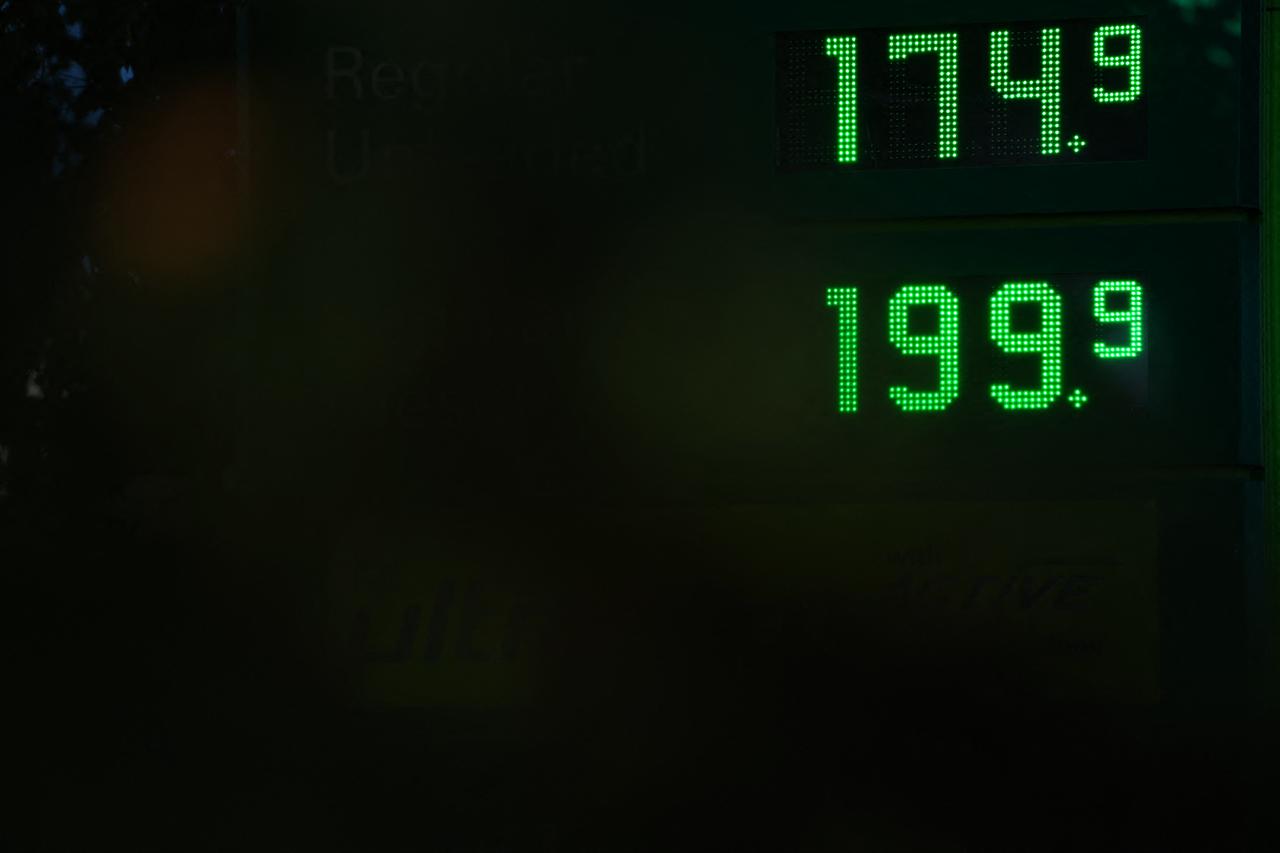
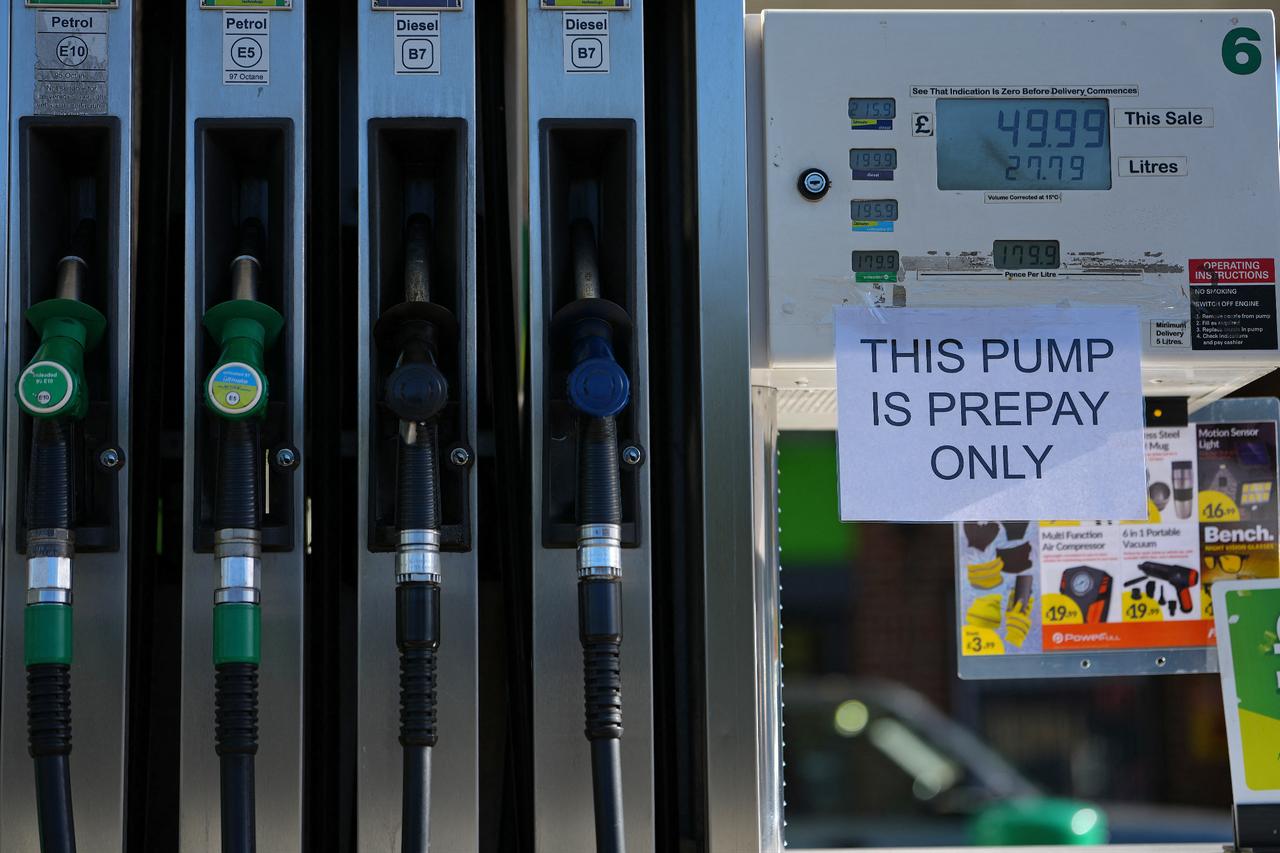
Trump answers to drivers. American diesel hit a record price in late September, six weeks before the midterms.
Merz answers to an electorate that has turned against his government. In an October poll by Infratest dimap, only one German in ten was satisfied with his work, a historic low.
The same poll puts the Alternative for Germany at 27 percent, ahead of the CDU-led bloc at 20. Its co-chair, Alice Weidel, wants cheap Russian energy back and has praised the diesel deal.
Merz cannot follow Trump without breaking with his party's program. It says that until Russia changes, European security can only be organized against it. Following Trump would also hand Weidel's party the policy it campaigns for.
Berlin could not change course alone in any case. EU sanctions are agreed by all member governments, and the EU's foreign policy chief, Kaja Kallas, has said Europe "won't" ease the pressure.
Undoubtedly, the alliance has not collapsed. In February, Marco Rubio, the US secretary of state, told the Munich conference Washington was "not seeking separation," and in May, Merz called the Americans "our most important partners in the North Atlantic alliance." In September, Trump even signed a law widening Russia sanctions.
Europe also still needs American fuel. In August, by the European Commission's count, about half of EU diesel imports came from the United States.
 2 min read
However, these are ties of need and habit. The sanctions law lets Trump waive its tariffs and lets the Treasury issue licenses, and three weeks later, he licensed Russian diesel.
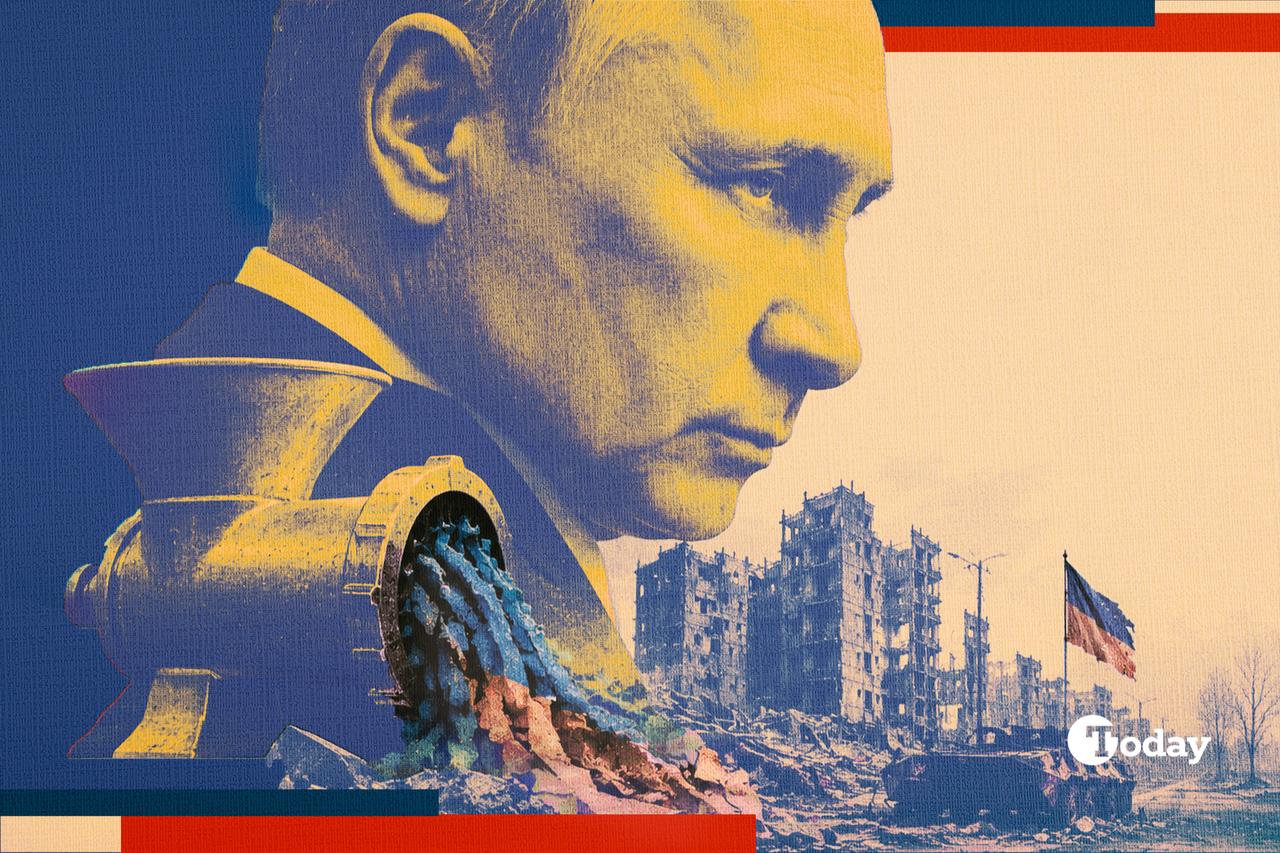
Merz's “no” on 12 October kept the 1955 bargain: America as the ally, Moscow as the threat. Trump's license dropped the second half, and it puts money into Russia's war.
Partners who still see Moscow that way sit in the Senate. A bipartisan group of senators there, four of them Republicans, has asked Trump to reverse the deal. Until the license expires in April 2027, Berlin should take its case to Congress.


 Set as preferred source
 Set as preferred source


 1 min read


