Newsletters




This article was originally written for Türkiye Today’s weekly newsletter, Saturday's Wrap-up, in its Feb. 21 2025, issue. Please make sure you subscribe to the newsletter by clicking here.
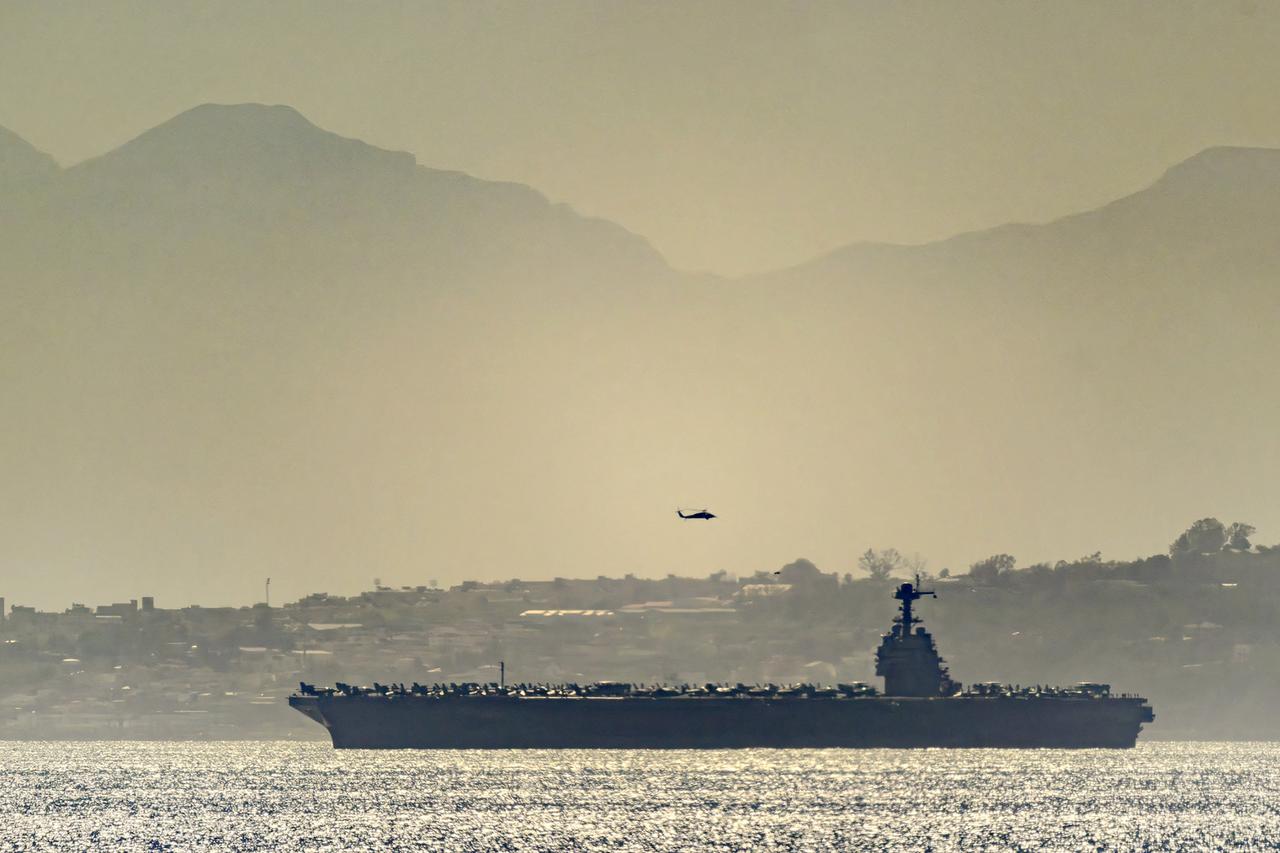
It feels as though a definitive decision on Iran is imminent. The U.S. military is fully mobilized; all that remains is a direct order from the Oval Office.
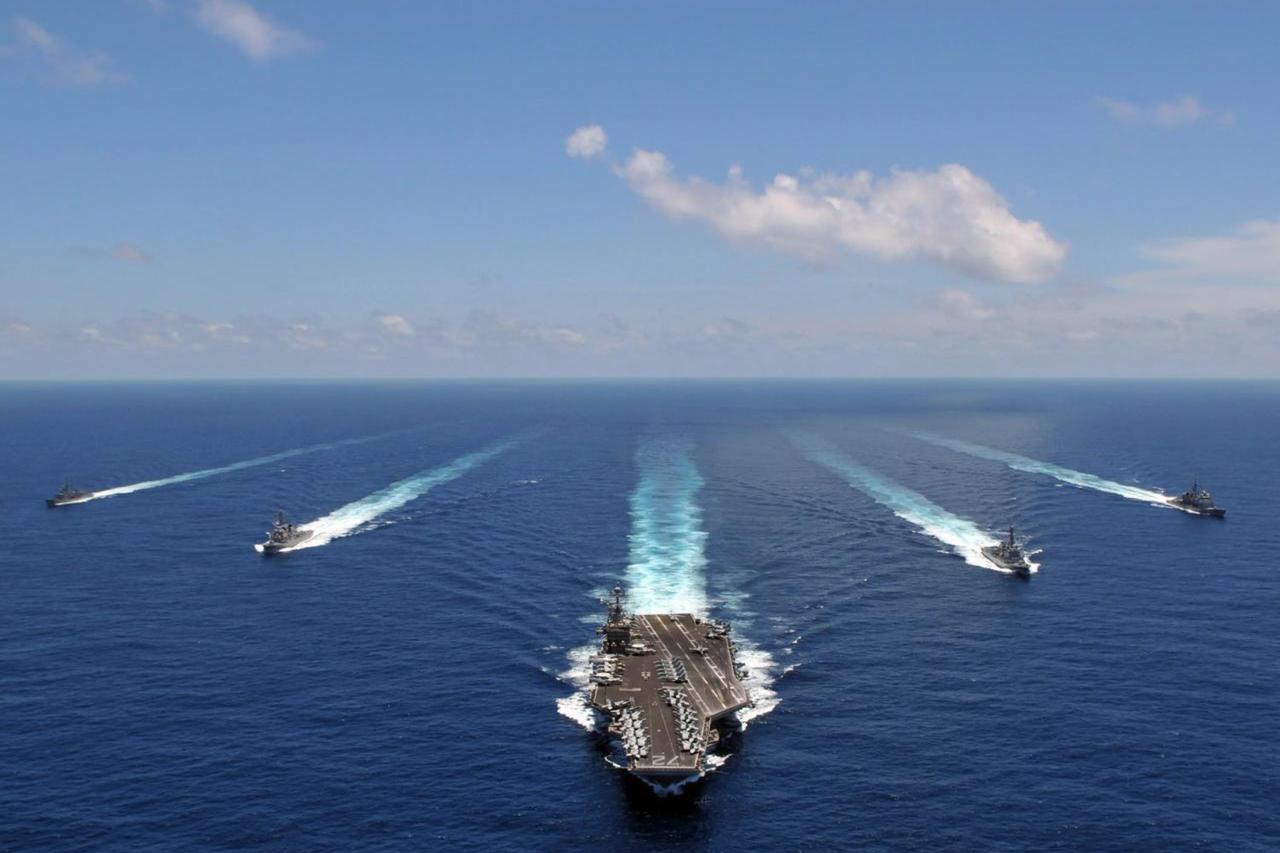
Türkiye can no longer play the obstructive role it did during the 2003 U.S. invasion of Iraq by refusing to allow the U.S. military to use its soil for a northern land attack. Whether true or not, there’s a widespread belief among Turks that the U.S.–Turkish relations permanently soured following the Turkish Parliament’s refusal, which forced the U.S. to change its invasion plans. This time, however, the U.S. does not require Türkiye’s military cooperation; its plans rely on a combination of naval and air forces.
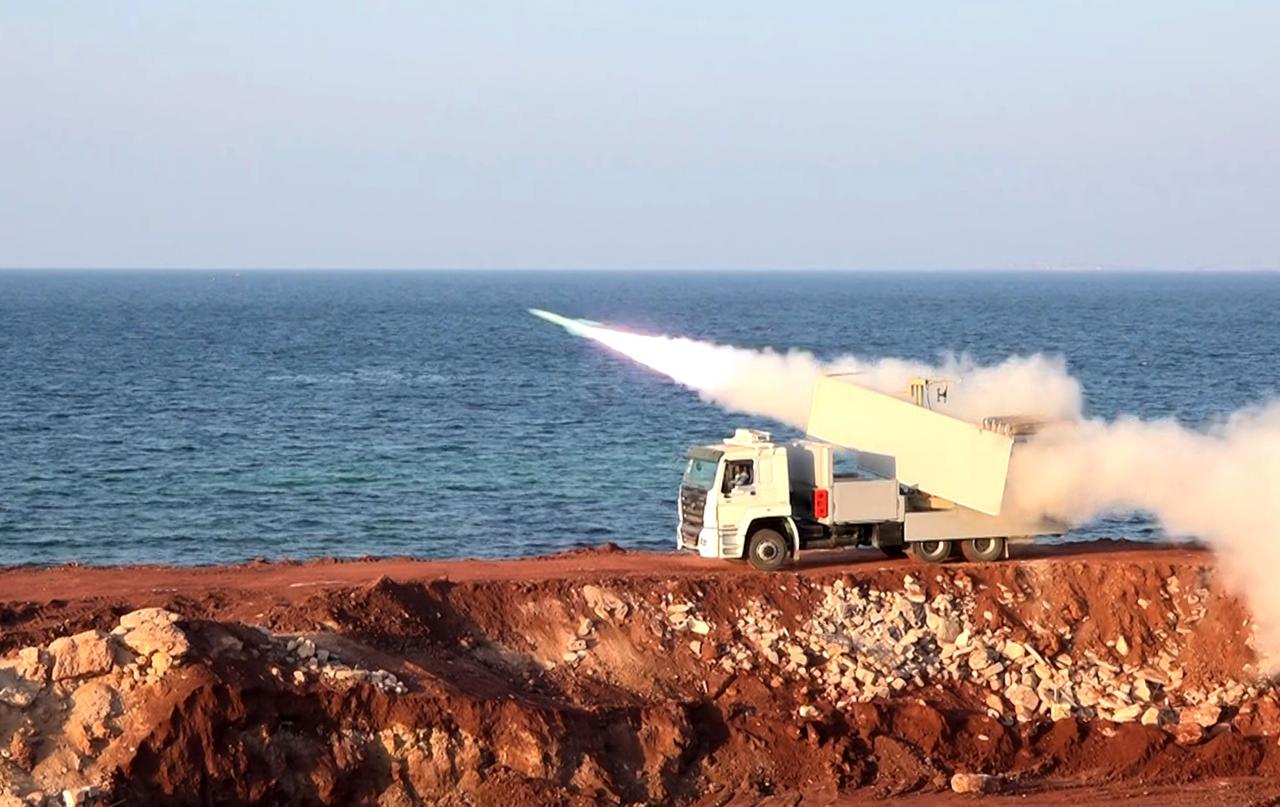

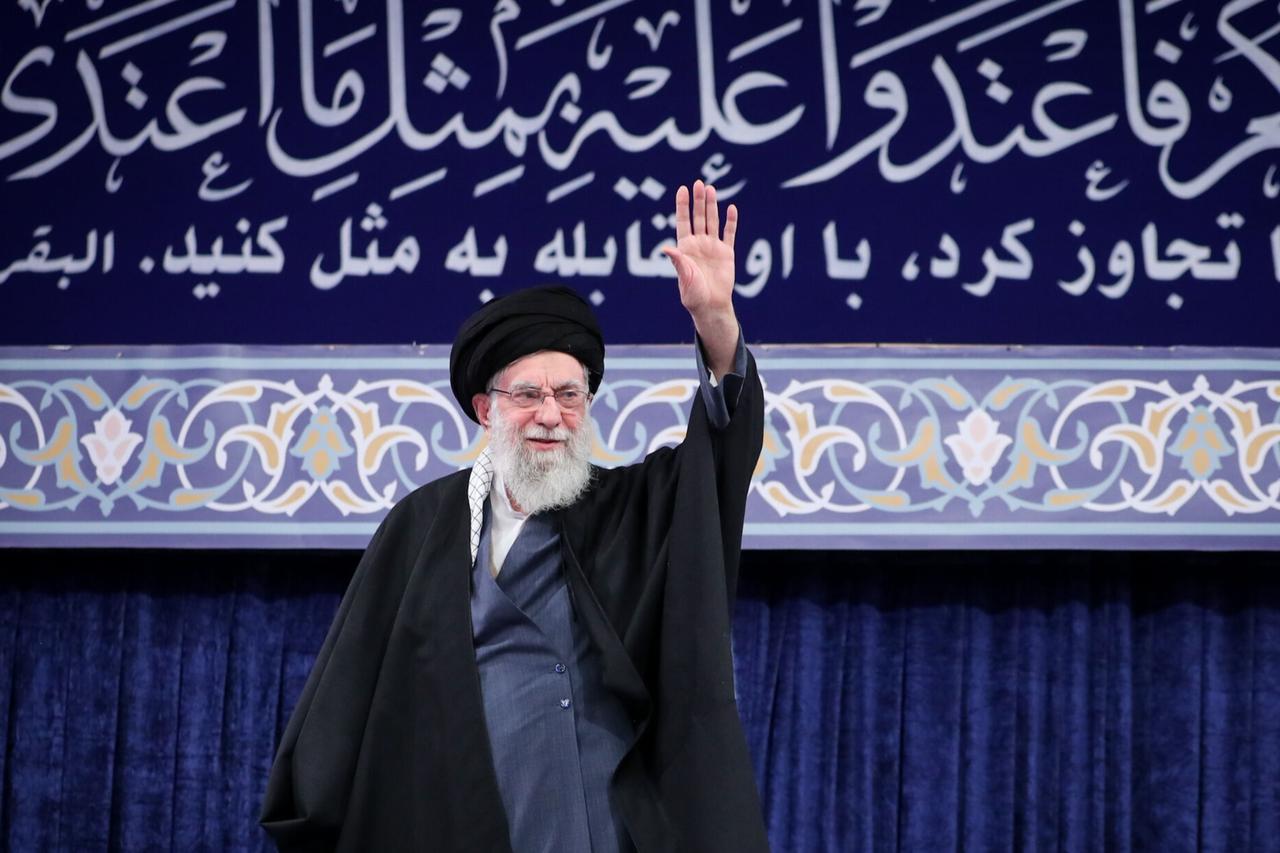
Türkiye faces another cycle of crisis management as conflict looms on its borders. As if flying rogue drones from Russia and more than a century of war in Syria and Iraq weren’t enough, the regional stakes are rising again. The best-case scenario would be if Trump walks back from his threats against Iran, especially since Tehran is unlikely to yield to every condition. Yet he seems to have set a trap for himself, leaving a military operation as his only exit. A weeklong operation to bring down a regime is highly risky, and it could result in an even more brutal one, even without the presence of Khamenei. Iran is not a one-man regime, and its ideological engine thrives on stories of victimhood. Sometimes, it feels like a street vendor in Beirut has a sharper instinct for Middle Eastern reality than an intel analyst in Virginia.
Last week, I was invited, along with a group of international journalists, to a closed breakfast meeting with Türkiye’s Director of Communications Burhanettin Duran. Being an international relations professor and a former deputy foreign minister, he spoke extensively about Türkiye’s foreign policy that felt like an extension of Hakan Fidan’s yearly foreign policy briefing held last month. During that meeting, Duran also voiced Türkiye’s concerns regarding a U.S. operation in Iran.
 1 min read
Türkiye has legitimate concerns. Talking to Türkiye Today exclusively, Turkish security sources voiced concerns over PJAK finding a vast breeding ground if a large-scale U.S. operation takes place. Turkish security sources stress that an aggressive U.S. military operation against Iran could inadvertently create a significant operational and recruitment base for PJAK—the Iranian Kurdish offshoot of the PKK—precisely at a moment when Ankara is trying to regionalize its peace initiative beyond the Türkiye–PKK framework.
According to these sources, while Türkiye has been working on transforming its new peace process, marked by the PKK’s symbolic disarmament and organizational dissolution, into a broader regional peace initiative, the possible destabilization in Iran could upend this fragile progress.
Ankara’s efforts are not just limited to disarming PKK at home; it's a push to encourage peace and disarmament among affiliated structures across the region, including in Syria, Iraq and Iran. Yet PJAK remains one of the most complex and sensitive elements of this puzzle.
Ultimately, the survival of this fragile regional stability rests on the decision Trump makes in the coming days.


 Set as preferred source
 Set as preferred source


 1 min read