Newsletters




Türkiye’s effort to transform its ongoing “new peace process” with the PKK into a broader regional peace initiative now goes well beyond the Ankara–PKK track and directly concerns actors across the region.
The most critical, and perhaps the most difficult, component of this effort is persuading PJAK, the PKK’s Iranian branch, to lay down its arms, especially during the looming U.S. operation against Iran.
Ankara is investing significant political and diplomatic capital to complete this final link in what it sees as its comprehensive peace vision.
A Turkish security source said, "With expectations in Syria no longer offering the same prospects, a possible U.S. strike on Iran is viewed by some as a potential opening," referring to the danger of PJAK finding a significant breeding ground in Iran if the U.S. launches a major military operation with the intention of regime change.
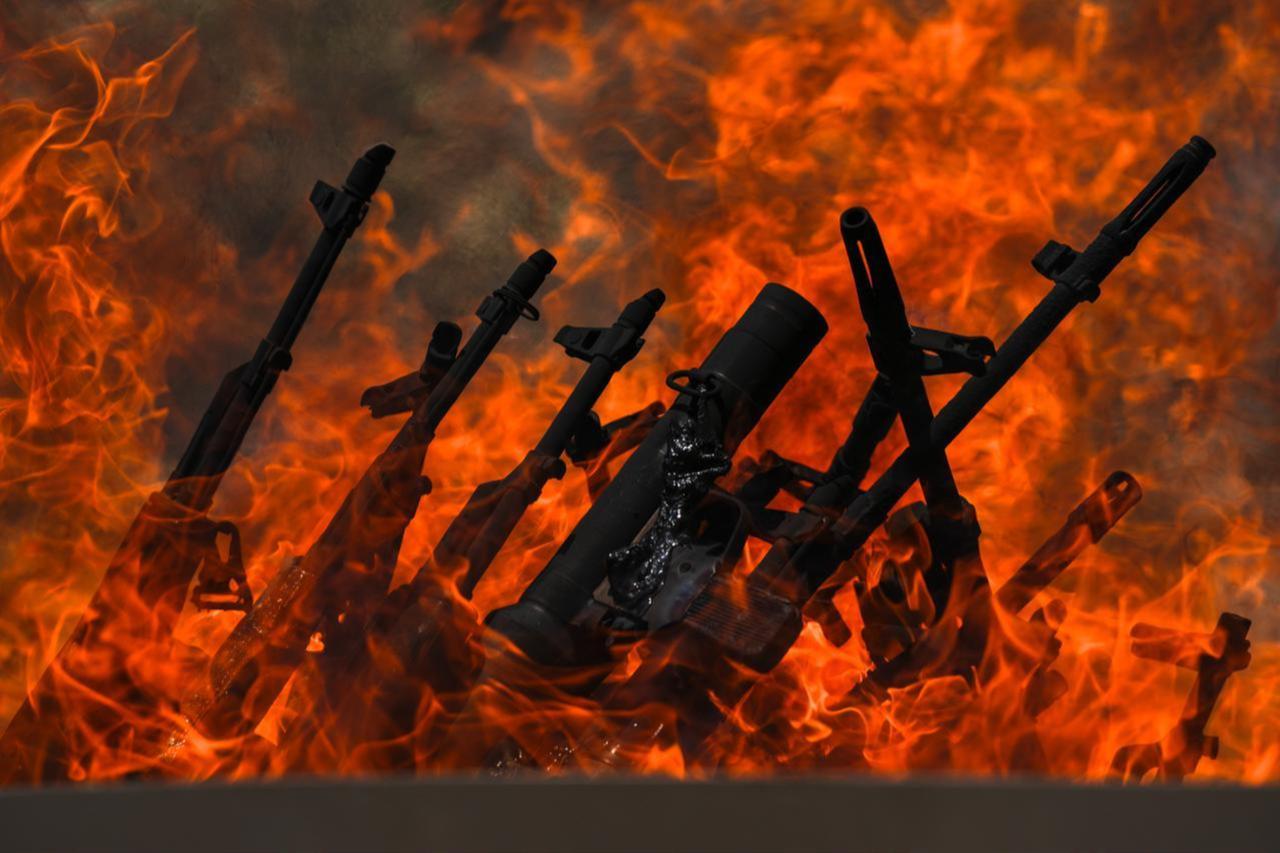
Türkiye’s conflict resolution framework partially took shape in 2025, when the PKK symbolically announced the end of its armed campaign against the Turkish army and declared the symbolic dissolution of its organisational structure. The roadmap proposed by the commission in the Turkish Parliament aims to pair disarmament with democratic reforms, seeking to build a sustainable and lasting peace.
Yet, limiting the process to Türkiye’s borders would fall short, both in terms of political legitimacy and security. The PKK has built a transnational network over decades, making it necessary to confront a broader regional equation that includes its affiliated structures.
While the PYD/YPG in Syria and PKK-linked formations in Iraq have already entered the discussion, PJAK in Iran remains one of the most complex and delicate elements of the equation.
According to many sources, the PJAK issue is not new.
After the PKK’s symbolic weapons-burning ceremony and dissolution announcement, some elements reportedly shifted their focus toward Syria and Iran, prompting the start of a multi-layered dialogue on PJAK. From Ankara’s perspective, disarmament inside Türkiye is only meaningful if it is mirrored by a parallel process among the organization’s regional affiliates.
PJAK has historically operated in Iranian Kurdistan as a political and armed actor with organic ties to the PKK.
It is widely seen as a section aligned with the PKK’s broader regional objectives and linked to the Kandil-based leadership structure. However, recent protests in Iran and escalating tensions between Tehran and Washington have created fresh uncertainty around PJAK’s trajectory.
Sources familiar with the process say that the tense waiting game surrounding Iran has influenced dialogue efforts on PJAK at multiple stages.
"In the event of a medium- or long-term attack that could create an authority vacuum in Iran, various armed opposition groups in the country might see an opportunity," sources said.
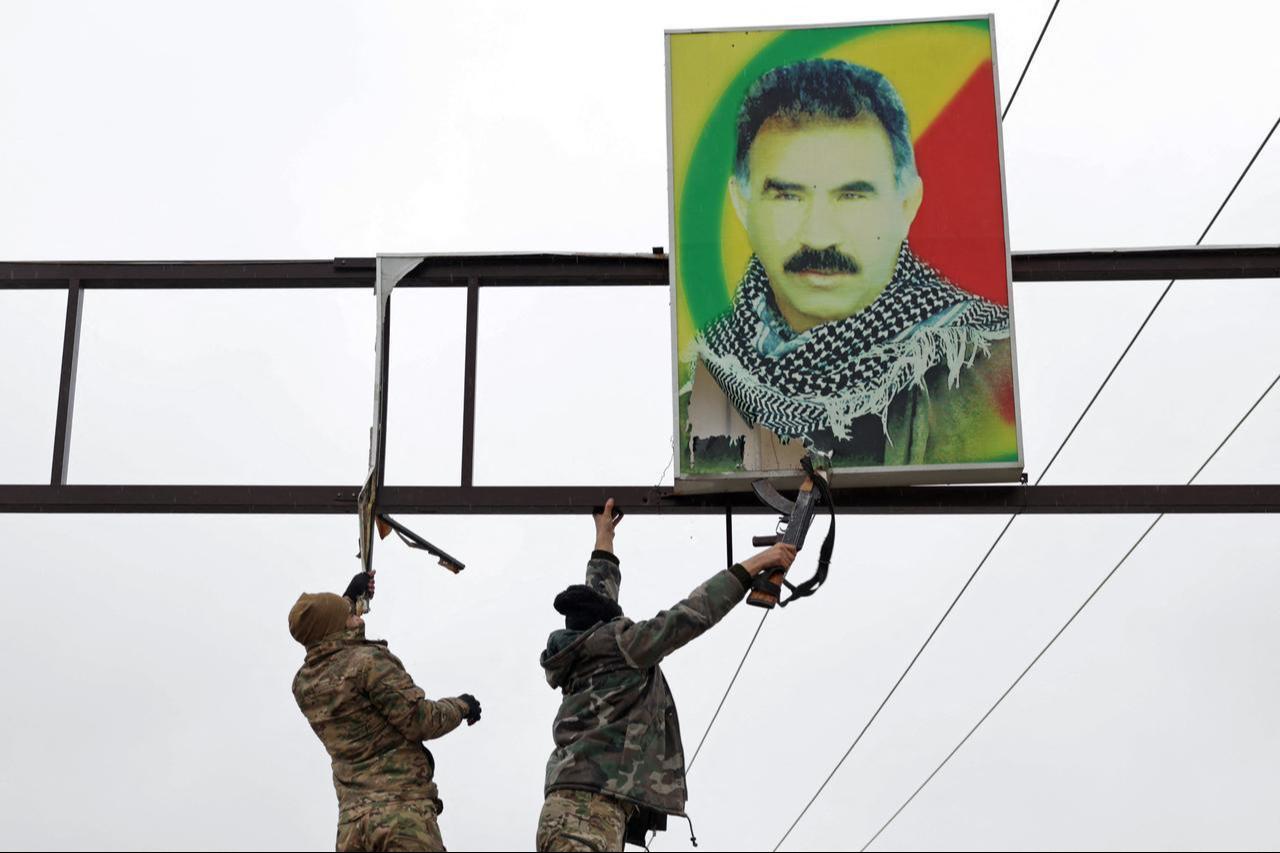

Emir Kerimi, a co-chair of PJAK, said last year that the group supports the peace process in Türkiye but has not made a decision similar to the PKK’s symbolic disarmament or dissolution.
He argued that the “intense pressure and conditions” inside Iran made laying down arms impractical at this stage. Shortly after those remarks, widespread protests erupted in Iran over economic grievances.
PJAK and affiliated groups cited the harsh crackdown on demonstrators as justification for launching attacks on IRGC and police positions in western Iran. Tehran responded with strikes both inside Iran and against PJAK and other Iranian Kurdish groups in northern Iraq.
Despite PJAK’s opportunistic posture toward developments in Iran, and despite the cycle of mutual attacks between PJAK and Tehran, Ankara appears determined to extend its peace initiative eastward. Türkiye continues to keep the objective of PJAK’s disarmament on the agenda through direct diplomatic and security contacts as well as broader regional cooperation mechanisms.
This is not an entirely new position. In recent months, AK Party spokesperson Omer Celik has repeatedly stated that the disarmament framework is intended to encompass not only the PKK but also PJAK and related structures in Syria and Iraq.
On the Iranian side, PJAK is currently regarded as a serious threat alongside other armed opposition groups.
Officials in Tehran reportedly believe that, in the event of a U.S. attack, PJAK would be among the groups most likely to mobilize on the ground against the state. “We warned them. Not only us. Regional countries also warned them,” Iranian officials have said, without specifying which countries. Türkiye is widely assumed to be among them.
How the United States chooses to manage its relationship with Iran will likely influence the direction of Türkiye’s efforts regarding PJAK. What is already clear, however, is that Ankara is working to regionalize its peace process in a way that includes the PKK’s Iranian branch.
In this broader context, while the PKK’s disarmament in Türkiye and integration efforts in Syria occupy the centre of the process, PJAK’s potential integration poses a delicate balancing act between Turkish and Iranian Kurdish policies.
PJAK’s disarmament would extend beyond the bilateral Türkiye–PKK dynamic and intersect directly with Iran’s security perceptions, Kurdish political movements, and wider regional alignments. At this sensitive juncture, PJAK stands out as a pivotal actor.


 Set as preferred source
 Set as preferred source


 2 min read
 1 min read