Newsletters


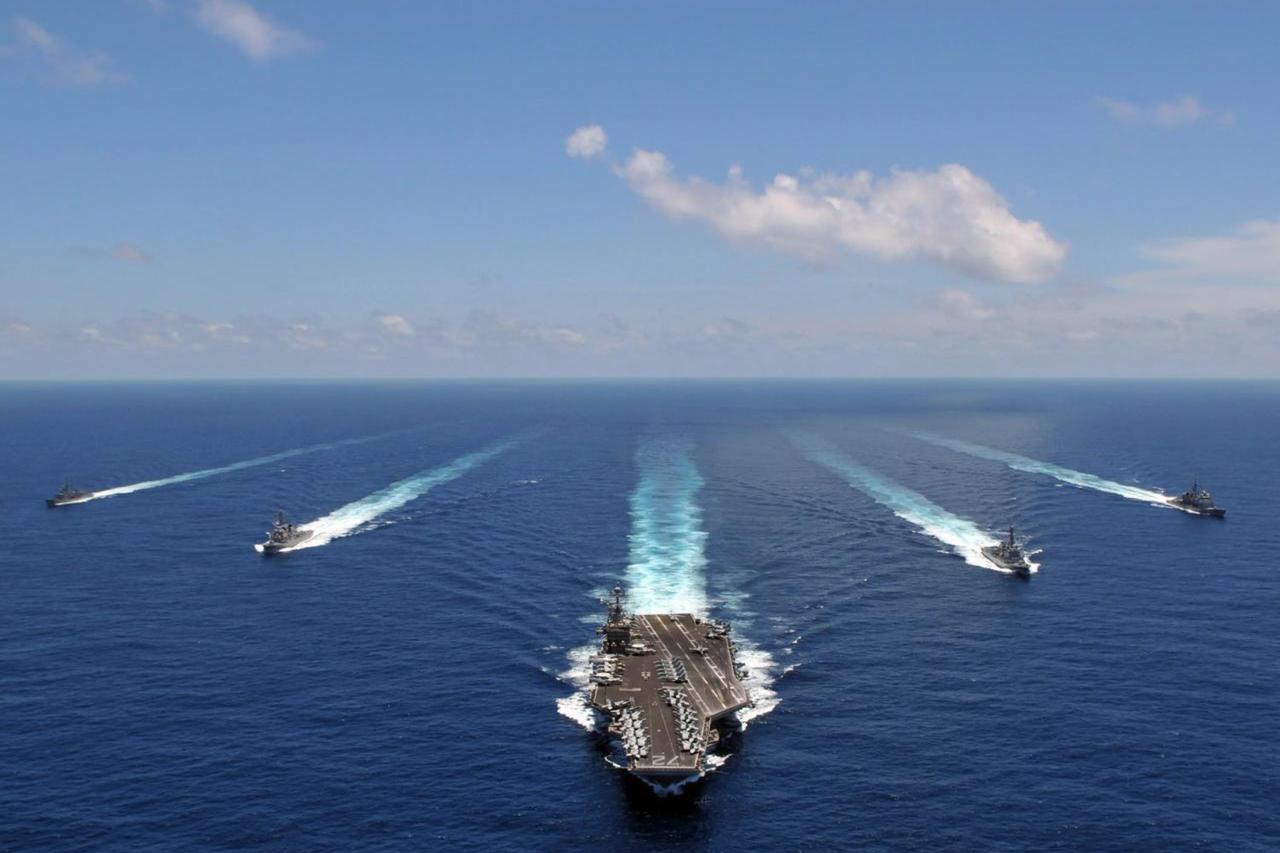


For much of the past two decades, American power in the Middle East was anchored on land. Bases in Iraq, Syria, Jordan and over the Gulf countries symbolized presence, deterrence and influence for both the US and the host countries. Today, that geometry is changing.
By early 2026, the United States is increasingly relying on naval power positioned in the Middle East to manage its confrontation with Iran. While this shift is often interpreted as disengagement or strategic fatigue, it is neither.
The shift actually reflects a sober reassessment of how power can be applied without becoming trapped by exposure, escalation, or domestic political costs. That is why the sea has emerged as one of the critical domains where Washington can apply pressure, maintain control, and limit risk at the same time.
This shift is a result of accumulated experience since 2019, when attacks on shipping, oil facilities, and U.S. positions revealed a structural problem. Fixed land forces invite continuous, low-cost pressure.
Iran learned how to impose friction without crossing red lines, especially during the 12-day-war in June. Washington learned that responding from land often produced political dilemmas rather than strategic leverage. The increasing willingness to turn to the sea follows directly from that lesson.
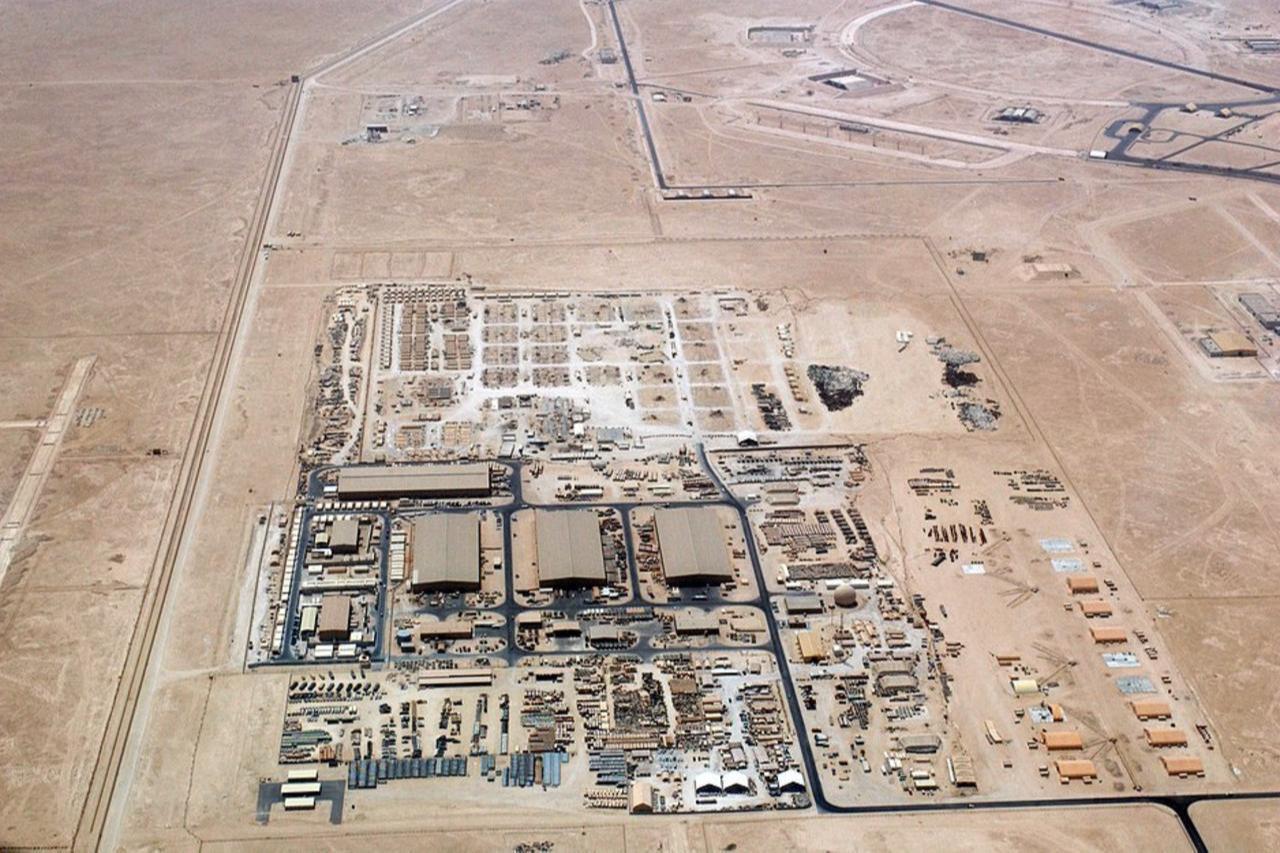

U.S. land-based forces in Iraq and Syria operate under a persistent disadvantage. Their locations are known. Their supply routes are very predictable. Even though these countries face critical challenges in terms of political stability, the political legitimacy of U.S. bases depends on fragile host-nation consent. This matters because Iran does not need to defeat these forces. It only needs to harass them.
From an asymmetric perspective, this can already be seen as an easy target, particularly for stationary land-based bases. Indeed, examples of such harassment were evident both during the 12-day-war and in the period preceding it.
The idea here is simple. When a base is hit by rockets, missiles or drones, Washington faces an unattractive choice. Retaliation risks escalation with Iran or destabilization of a host government. Restraint, on the other hand, signals tolerance for continued pressure. Over time, this dynamic favors the side willing to accept ambiguity and operate below the threshold of war.
This pattern has repeated itself often enough to become structural. The result is strategic immobilization. U.S. forces remain present but constrained, absorbing political attention and defensive resources while generating limited leverage. The very presence meant to deter Iran becomes the object Iran uses to apply pressure.
Some argue that this is simply the cost of influence. Yet this view assumes that land presence still produces proportional returns. Increasingly, it does not. The United States is not short of military power. It is short of environments where that power can be used without becoming a liability.
Especially in a political environment shaped by congressional elections in November, the use of land-based bases or their transformation into liabilities may be the last thing a U.S. administration would want. It is precisely here that the deliberate turn toward maritime dominance begins.
Naval power alters this equation because it is mobile, legally flexible, and harder to target persistently. Warships operating in international waters do not depend on parliamentary approvals or local militias’ tolerance. They can reposition without signaling weakness or escalation. This freedom of movement matters more than firepower.
In this domain, initiating attacks may seem relatively easier and less costly from a strategic perspective, whereas absorbing strikes is significantly harder and potentially far more consequential, compelling Iran to behave more selectively.
The cause–and–effect chain is clear. Mobility reduces predictability. Reduced predictability complicates targeting. Complicated targeting raises the cost of harassment. Higher costs reduce the effectiveness of Iran’s preferred strategy of constant, low-level pressure.
Additionally, the U.S. base on Diego Garcia, with its ability to harbor aircraft carriers, highlights the continuing strategic importance of the maritime domain. Its remoteness allows for power projection with limited exposure, though this degree of protection is not absolute.
There is also a legal dimension. The rules governing naval operations may be seen as clearer than those governing foreign bases embedded in contested political environments.
Freedom of navigation, maritime interception, and self-defense at sea are less politically explosive than strikes launched from foreign territory. This gives Washington more room to calibrate responses without triggering diplomatic crises.
Critics often point out that ships are vulnerable to missiles. That is true. But vulnerability is not the same as exposure. A base cannot move when threatened. A fleet can disperse, reposition, and reconfigure. Risk is distributed rather than concentrated. This distinction explains why naval power offers better escalation control even in a missile-saturated environment.
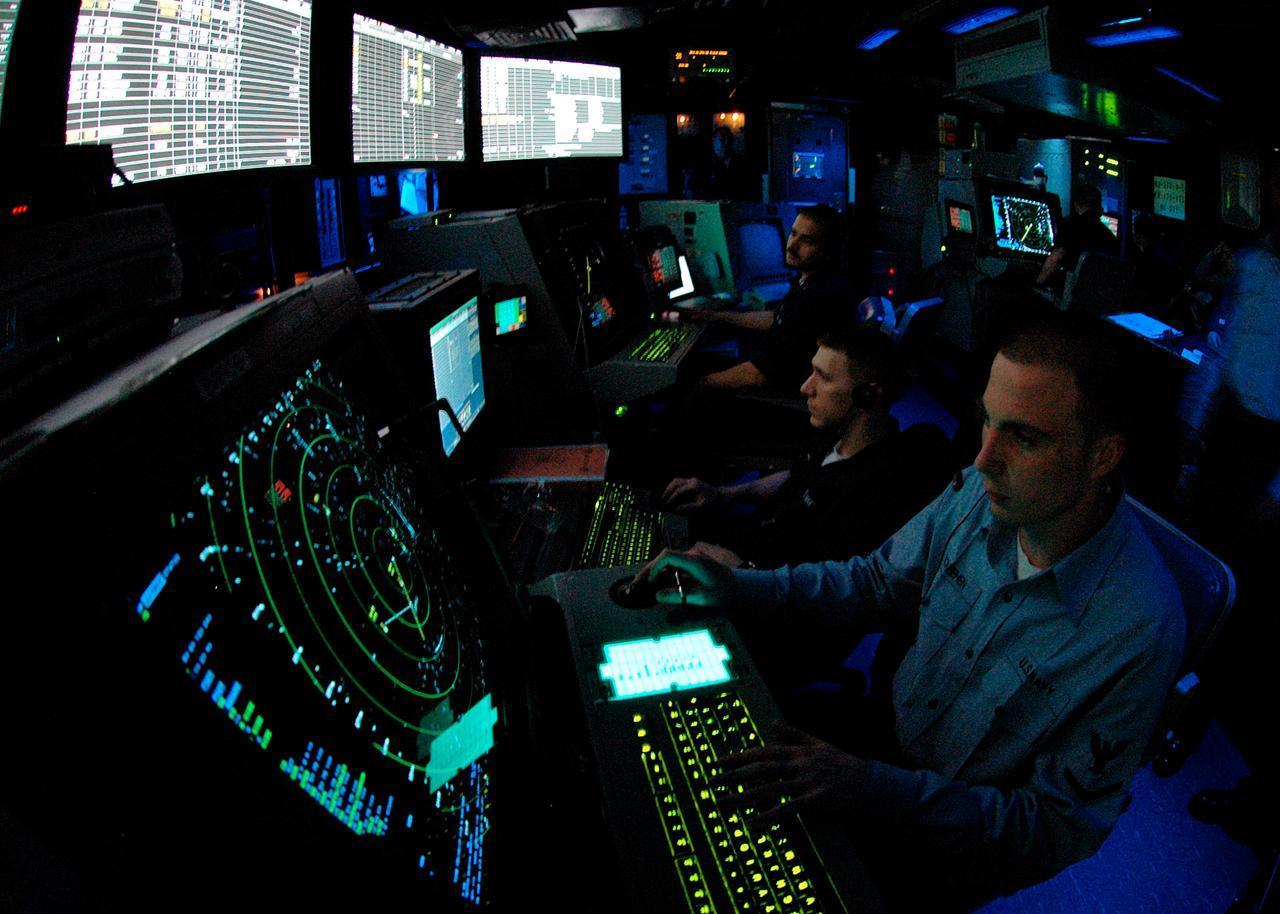
Another reason the sea has gained importance is technological. Modern naval forces are nodes in a network. Sensors, communications, and command systems link ships, aircraft, and unmanned systems into a single operational picture. This allows decisions to be made faster and with better information.
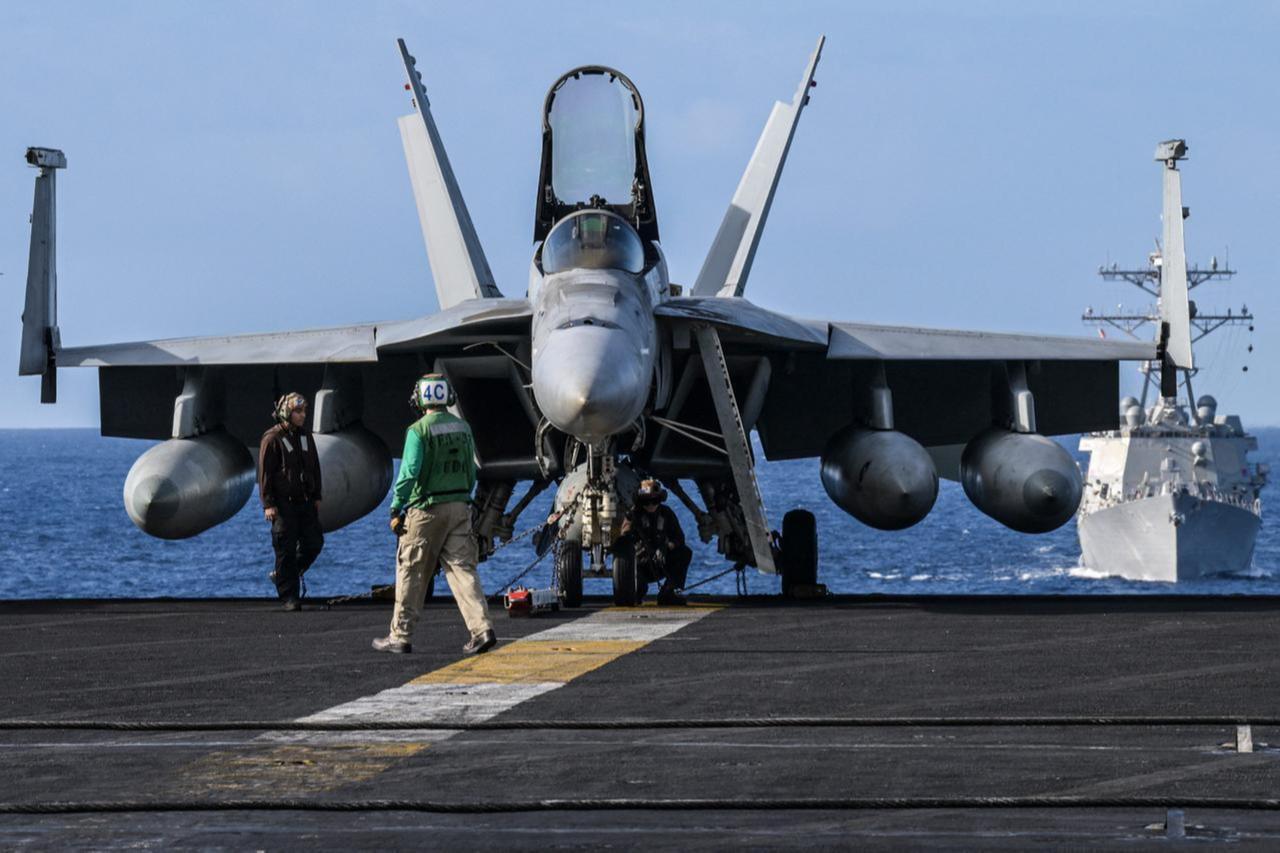
For this reason, the USS Abraham Lincoln and the USS Gerald R. Ford, together with their accompanying strike groups, represent far more than massive warships weighing thousands of tons.
The result is decision compression, as early threat detection enables coordinated responses across platforms, reducing the effectiveness of Iran’s strategy of overwhelming defenses through volume and surprise.
Technological dominance does not guarantee victory, since systems can fail and networks can be disrupted, but the balance now favors actors that can integrate information and act quickly across distance—an environment in which Iran’s traditional strengths carry less weight offshore.
A common counterargument is that technology creates overconfidence. Complex systems may collapse under stress. This risk is real. Yet the alternative—static forces exposed to constant attack—has already proven costly. The naval approach does not eliminate risk. It manages it more effectively.
The most important implication of the maritime shift is what it says about the future of conflict. A large-scale ground war with Iran is politically implausible and strategically unnecessary. The United States does not need to occupy territory to shape Iranian behavior. It needs leverage.
Naval power provides leverage by shaping access rather than seizing land. Shipping lanes, energy exports, and maritime approaches are critical to Iran’s economy and regional influence. Pressure applied at sea can be scaled up or down. It can be reversed. It can be combined with diplomacy rather than replacing it.
The result is a new conflict geometry focused on containment and disruption through flexible presence, to shape behavior rather than pursue regime change.
Some warn that this approach militarizes the Gulf and risks accidental escalation. That danger exists. Yet the alternative—persistent land-based exposure—has already produced frequent crises with fewer tools for control. The sea does not remove danger. It offers a narrower, more manageable channel through which force can be applied.
The United States has not abandoned the Middle East. It has adjusted how it operates within it. The elevation of naval power in dealing with Iran reflects a recognition that land has become a strategic trap. Fixed presence invites constant pressure without decisive payoff. The maritime domain offers a way out of that trap.
This is a story of adaptation. Power projection today is about controlling space, time, and escalation, and offshore the United States retains advantages that are increasingly difficult to sustain on land. Iran recognizes this shift even as it seeks to contest it, turning the struggle away from territorial control and toward control over the conditions under which force is applied—an arena in which the maritime domain now plays a central role.


 Set as preferred source
 Set as preferred source


 2 min read
 1 min read