Newsletters




If you are driving through downtown Washington on Saturday afternoons, prepare for gridlock as Iranians are gathering in thousands to protest the violent crackdown of the protests that rocked Iran last month.
These demonstrations are, in fact, happening regularly in many cities across the West. This weekend, I attended one to hear firsthand what the protesters had to say.
The protest in Washington on Valentine's Day was again part of worldwide demonstrations. Hundreds of thousands gathered in North America and Europe following calls from Reza Pahlavi, the exiled son of the last Shah of Iran, for a "global day of action." Toronto, Munich, and Los Angeles (a major hub of Iranians in the U.S.) saw the largest gatherings.
In Toronto, the crowds reached 350,000. Reza Pahlavi, who lives in the U.S., addressed 250,000 people in Munich.
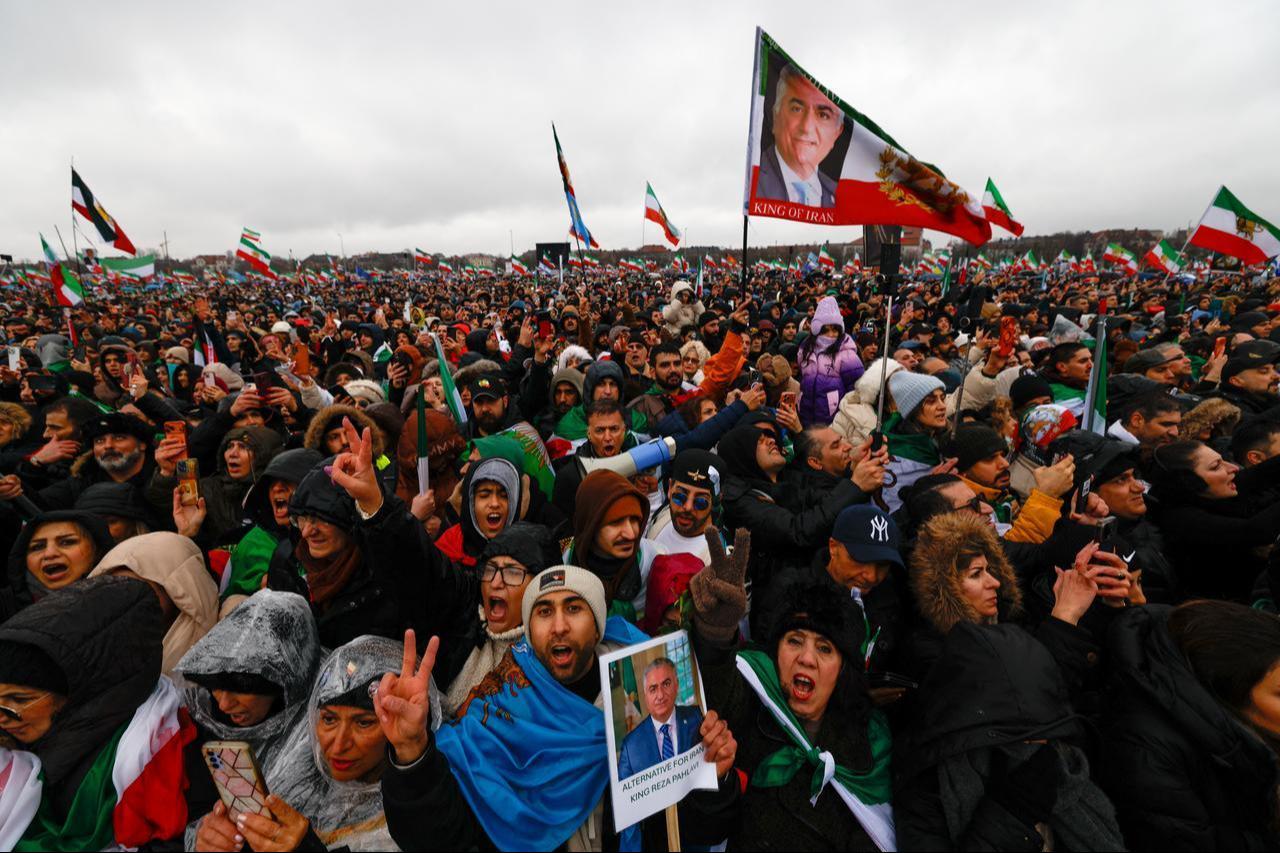

The D.C. protest was modest compared to the turnouts in Munich or Toronto. Even at its peak, the crowd likely stayed under 10,000 people.
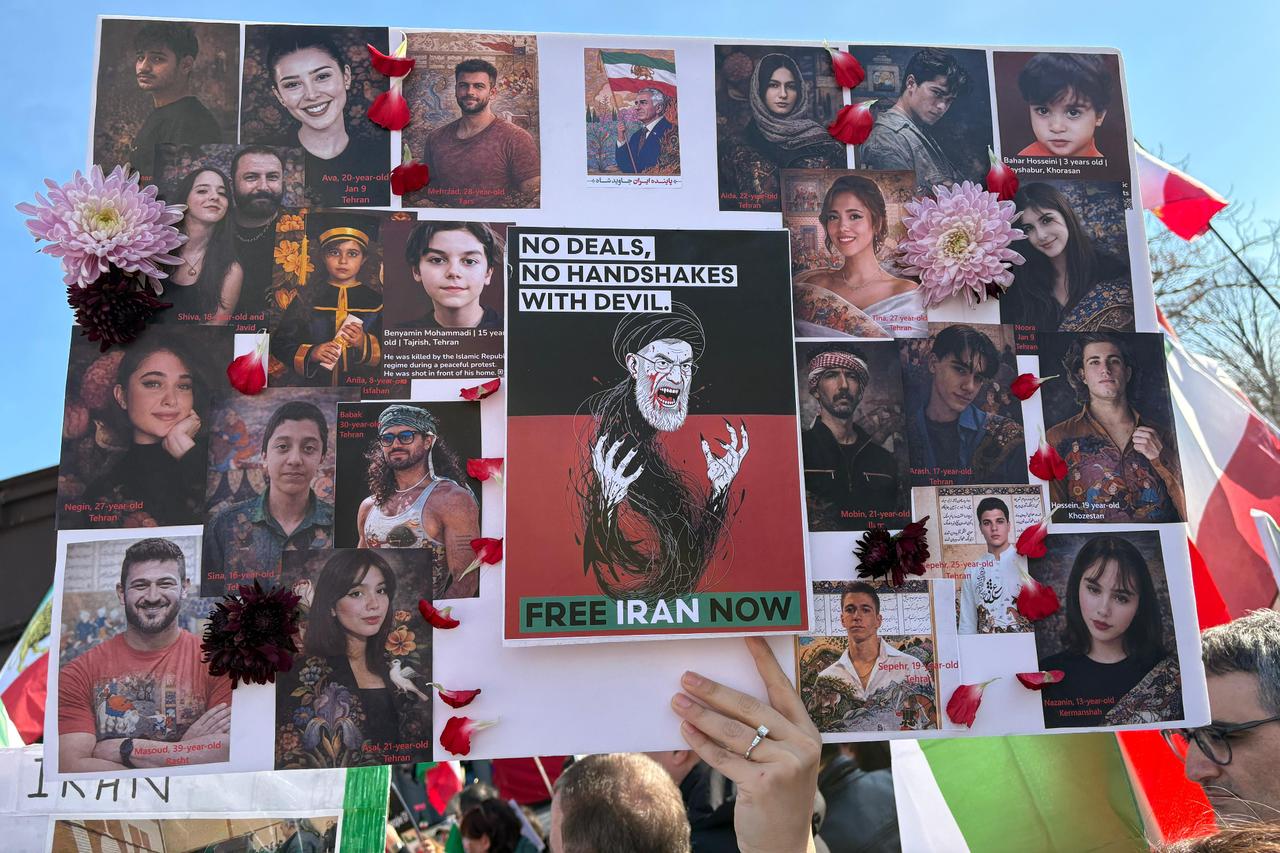
They gathered at Sylvan Theater, an open-air venue at the foot of the Washington Monument. Entering the area, you were met by rows of photos: the faces of dozens of protestors killed during the violence in early January.
One face stood out to me: Rubina Aminian, who was killed last month in Tehran at just 24 years old. Her photo highlights a heartbreaking reality—most of the victims were incredibly young. These faces were everywhere, collaged onto banners held high by the crowd.
The Lion and the Sun, “Shir-i Hoursid,” was the most dominant symbol of the protestors, mostly found on Iranian flags that people waved.
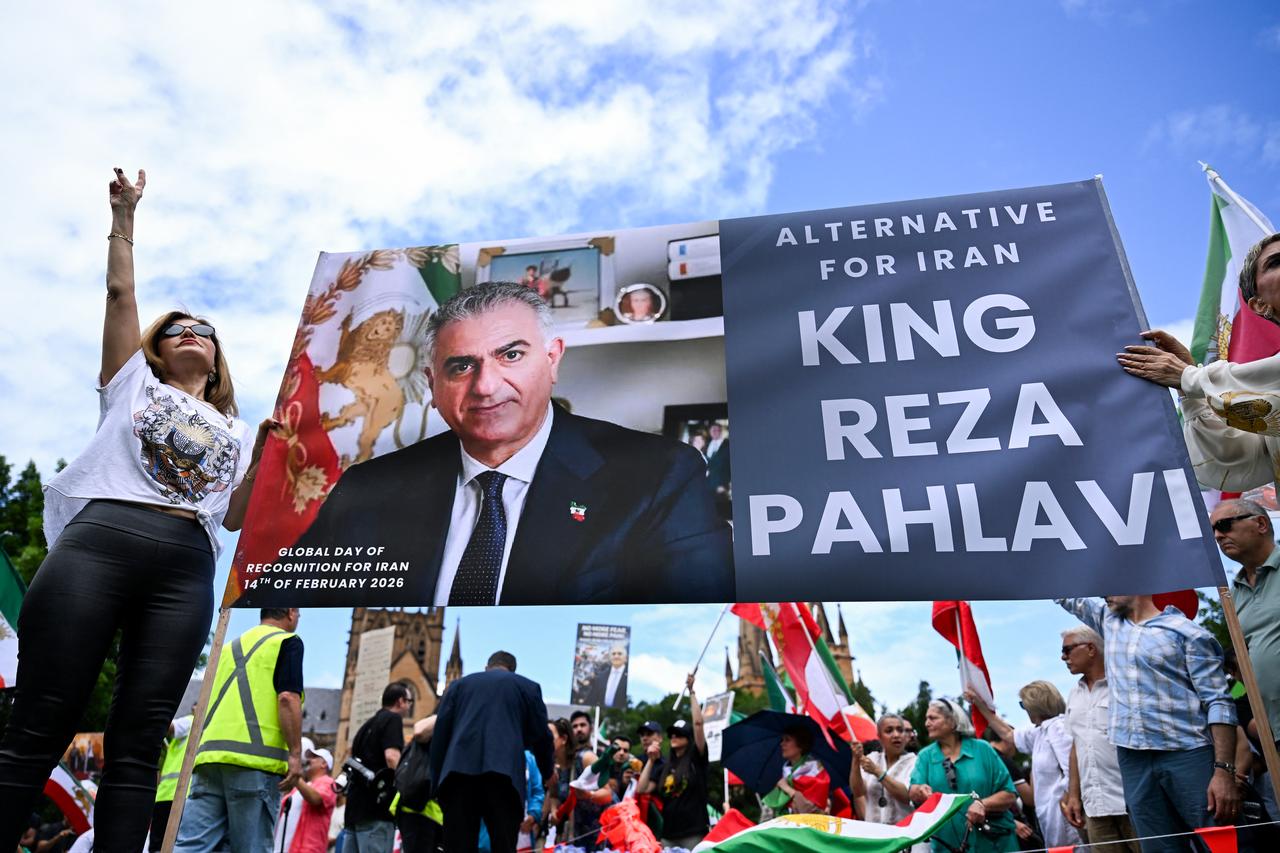
There were also many pictures of Reza Pahlavi. A common slogan hailed him as “Javid Shah” or “Long Live the Shah.”
But Reza Pahlavi isn’t a unifying figure for everyone. Not every protester I spoke with wants the monarchy back. Still, there is a common thread: they believe this is a critical crossroads, and now is not the time for infighting.
The anger of the crowd was directed at Supreme Leader Ali Khamenei: the personification of the Islamic Republic.
Symbols of ancient Persian culture were seen as banners, especially Faravahar, a prime symbol of Zoroastrianism, and Derafsh Kaviani, a legendary standard of the Sassanid Empire. These symbols stood as contrasts to the contemporary symbols of the Islamic Republic.
Currently, there are two groups taking turns organizing the weekly rallies. DCProtests 4Iran represents the pro-Pahlavi royalists, while the National Solidarity Group of Iran focuses on a broader message without positioning Reza Pahlavi as their leader.
They argue for a democratic and secular republic. Both groups are against the National Iranian American Council (NIAC), a group they view as affiliated with the regime.
Besides slogans of anger toward the regime, another theme in the protest was the expectation of an American strike on the regime.
This sentiment was captured by slogans like “Trump Act Now” and red “Make Iran Great Again” hats scattered through the crowd. For many here, any diplomatic deal with the regime is seen as a blow to the hope for total regime change.
Some protesters, at least, admit that if the regime offers concessions that satisfy Washington, their hopes for change could fade. It’s a harsh reality they’d rather not talk about.
After an hour of slogans and songs, the crowd began marching towards the White House, halting the traffic on Constitution Avenue and 15th Street. Passing the White House, the crowd then turned toward the mall again, ending the 2.5-kilometer (1.55-mile) march in front of the Memorial Continental Hall.
A few hours with the crowd makes one thing clear: the opposition is not a monolith. Yet, despite their differences, the diaspora is hopeful and galvanized. They are bound by a single, deep desire—to see a democratic Iran.


 Set as preferred source
 Set as preferred source


 1 min read
 1 min read