Newsletters




This article was originally written for Türkiye Today’s weekly newsletter, Saturday's Wrap-up, in its October 10, 2026 issue. Please make sure you subscribe to the newsletter by clicking here.
If Saudi Arabia wants a national fashion identity, it hires Burak Cakmak. If it wants to elevate domestic sport and give its league global legitimacy, it signs Cristiano Ronaldo. If it needs a new social contract to bind the public more closely to the state, it builds one almost entirely on the promise of economic prosperity. And if the Houthis and a growing list of regional security headaches are wearing on it, apparently the answer is to recruit Syrian fighters, even though the Saudi-backed Yemeni army is hardly short of men.
This is statecraft as a massive sovereign ledger, in which loyalties, security, national identity, and cultural influence are all line items to be acquired. The prevailing logic is simple: with sufficient capital, anything can be built, managed, or solved. Saudi Arabia is not alone in thinking that way.
Trump’s worldview is not far removed from that of the Gulf monarchies. In fact, he may be worse in this regard.
As we covered in Türkiye Today, Syria may soon send a "token force" to Saudi Arabia amid increasing U.S. pressure in the region. Damascus still denies it, but the pressure is real. In our earlier reporting on Sept. 18, we noted that the Syrian side politely refused Saudi Arabia's early requests to have Syrian fighters deployed in Yemen.
Why is this happening now?
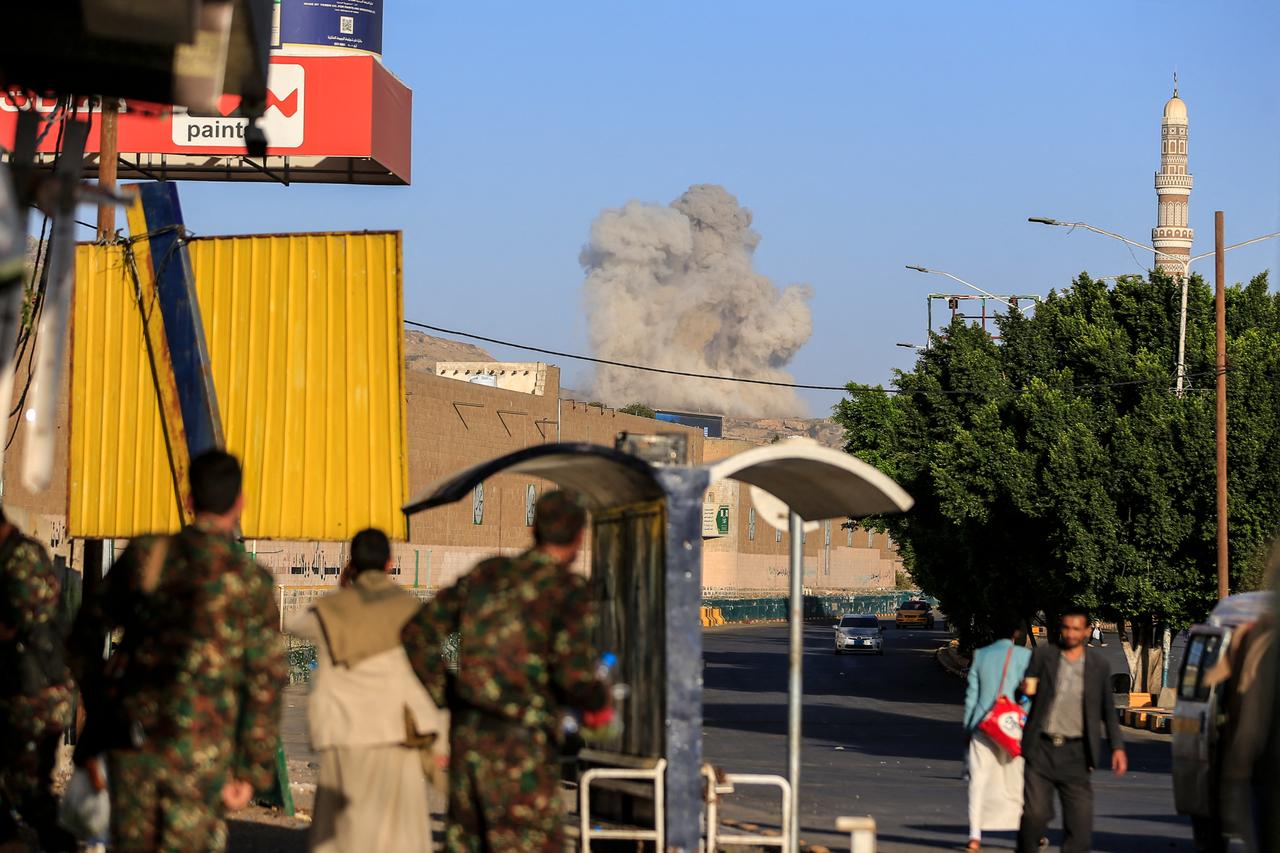
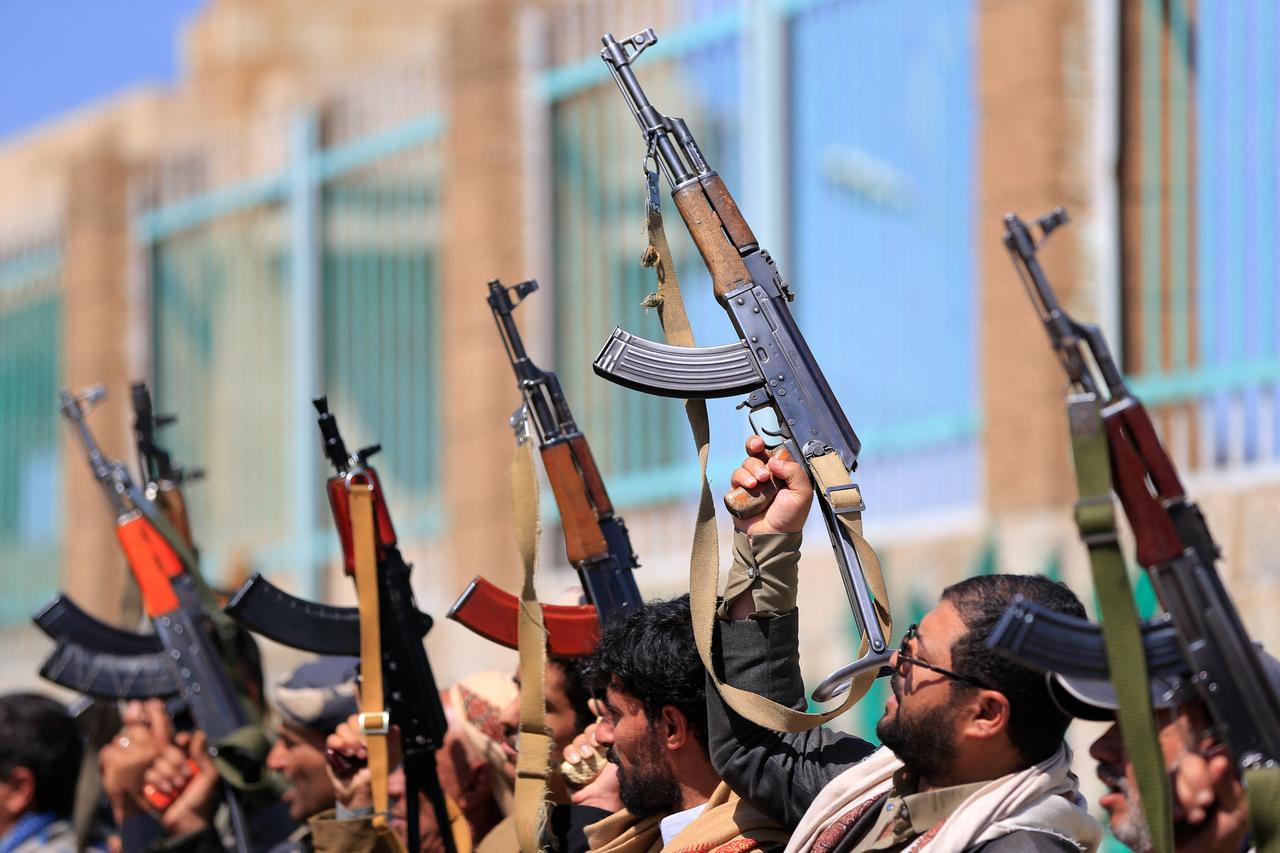
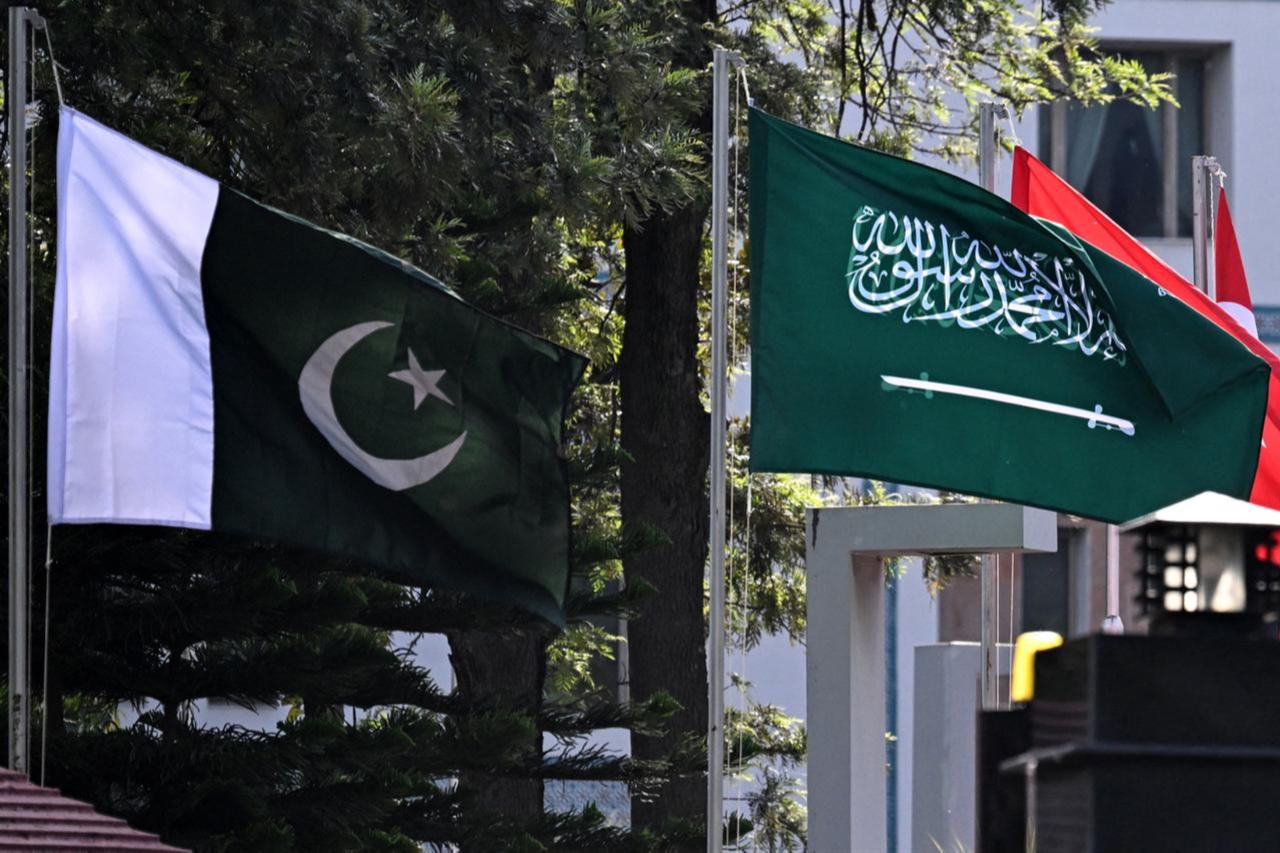
Despite boasting one of the world's most lavishly funded defense budgets, Saudi Arabia has continually struggled to secure its southern borders against Houthi drones, missiles, and asymmetric guerrilla tactics. The Kingdom has learned the hard way that high-tech Western air defense systems and advanced fighter jets can only do so much in a grinding, asymmetric, ground-level conflict. That’s one of the reasons why we have the Mecca pact.
The U.S. thinks that Riyadh needs seasoned boots on the ground who know how to navigate grueling regional wars. So, it is not only a Saudi project. The smartest strategist of all times, also Pakistan’s Nobel Peace Award nominee, the U.S. president wanted to use Syrian soldiers against Hezbollah, and it looks like it is a concept that is stuck in his head. That’s how Trump views a country like Syria, which is tired of endless wars within its borders.
The Saudi-U.S. plan is to transfer Syrian fighters to Saudi Arabia. The Syrian military apparatus, built with the combination of militias that were sleeping in tents while fighting Assad troops for more than a decade, possesses an abundance of what Riyadh lacks: combat-hardened personnel. Yet, we may be witnessing another botched U.S. plan in the Middle East.
The backdrop of shifting U.S. policy only accelerates this marriage of convenience. As Washington demands that its Gulf partners take on more of the regional security burden, particularly regarding the Red Sea and Iranian proxies, Saudi Arabia is hedging its bets.
However, Syria cannot afford to be dragged down by another conflict with no end in sight, so a "token force" might be largely symbolic for now. This move signals a definitive shift away from the ideological and sectarian conflicts of the 2010s in Syria toward a stark, mercantile pragmatism. If this initial deployment proves successful, it could easily morph into a broader, normalized security arrangement. Nobody knows what the future holds for now.
For Saudi Arabia, this strategy is a calculated bet.
They are showing that whether the requirement is a globally renowned fashion executive, a legendary Portuguese striker, or a battle-hardened Syrian infantryman, regional and global assets can be bought in and strategically mobilized.
The only difference is the end goal. Sometimes it’s global prestige. But when it comes to security on their borders, it's about deploying raw capital for survival.
The Mecca Pact has real value, and it will boost Saudi Arabia's defense capabilities. However, at some point, Saudi Arabia might have to learn to deploy its own troops on the ground in Yemen to address a security issue that is so critical to its own defense.


 Set as preferred source
 Set as preferred source


 1 min read
 1 min read