Newsletters




“When people, just people, stop thinking of the United Nations as a weird Picasso abstraction, and see it as a drawing they made themselves,” remarked Dag Hammarskjöld, who served as United Nations Secretary-General from 1953 to 1961.
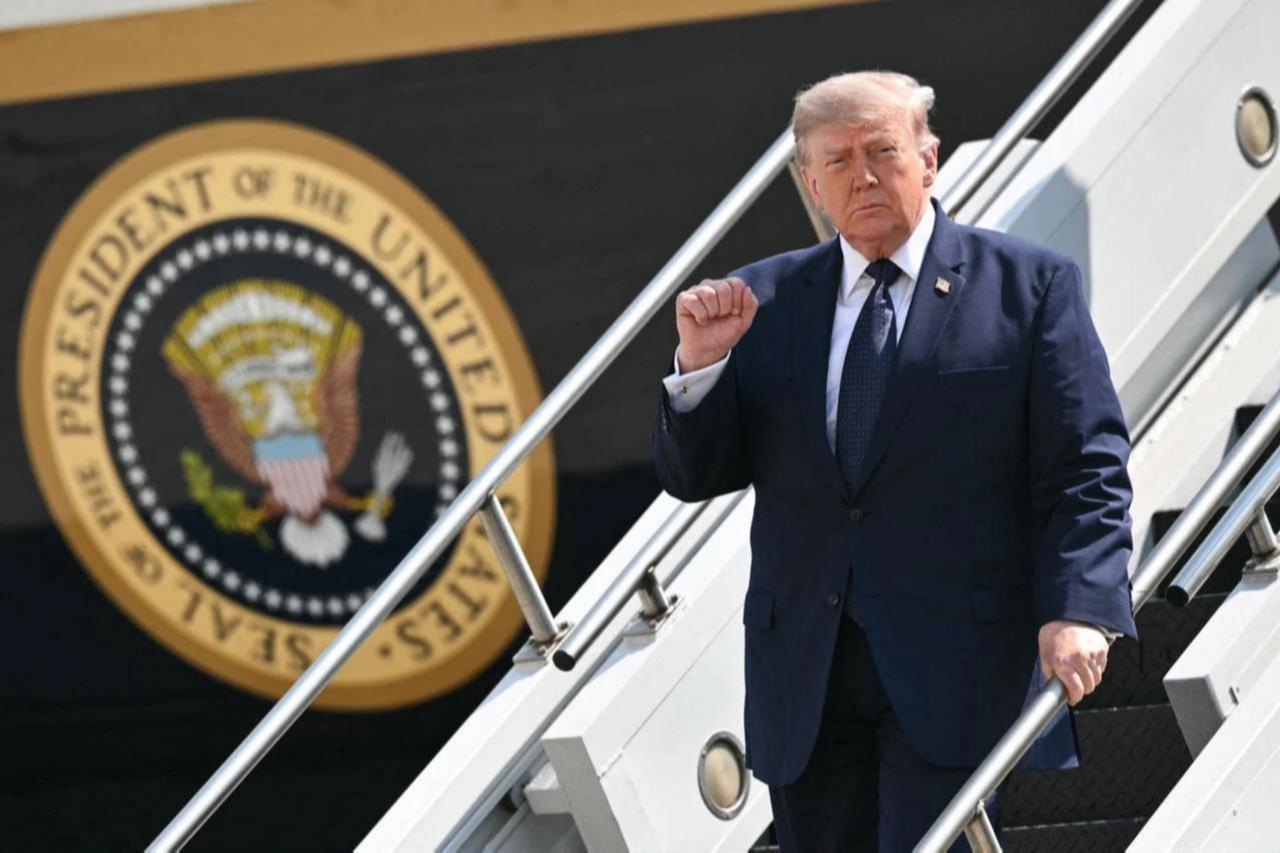
Around this time last year, President Trump made a grand return to New York, holding meetings at Trump Tower before heading to the 80th U.N. General Assembly. But in a twist of poetic irony, the moment he set foot inside the building of the heart of the nations, the escalator abruptly stopped moving. The First Lady was by his side.
Trump viewed the mishap as sabotage and demanded an investigation, while a conservative TV commentator went so far as to suggest “bombing” the U.N. entirely, or withdrawing from it. More important, however, was the speech Trump delivered once he finally reached the podium: a scathing critique of the organization’s dysfunction.
“The United Nations is a reflection of the world as it is.” That was the opening line of a 2023 message from the U.N. Secretary-General, originally intended to inspire. Today, however, it serves as a stark reality check; calls for reform now far outnumber those content with the status quo.
This is precisely why Trump approaches these summits not as traditional diplomatic forums, but as platforms for high-volume, transactional diplomacy, holding multiple meetings at once. From NATO summits to the U.N. General Assembly, he leverages these gatherings for his own style of dealmaking, which explains his packed schedule this week.
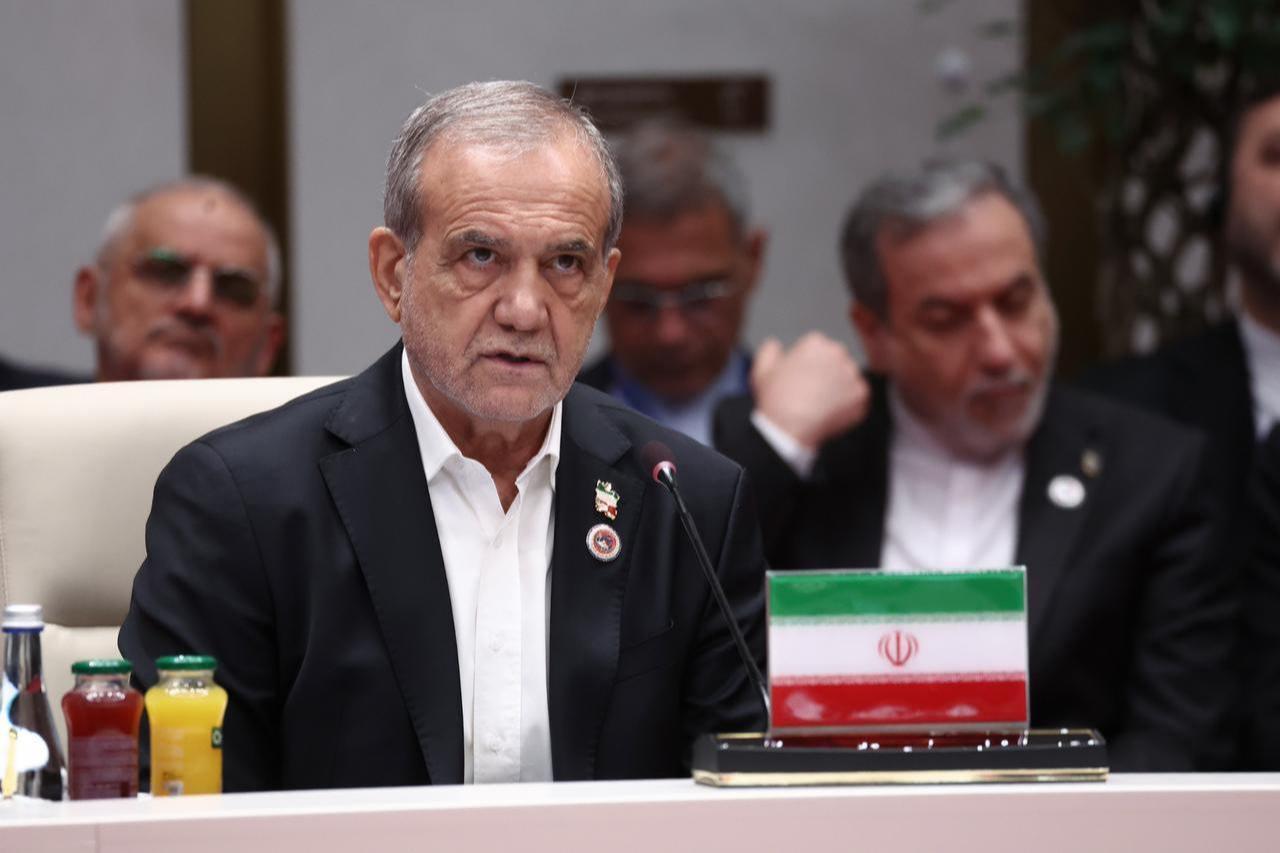

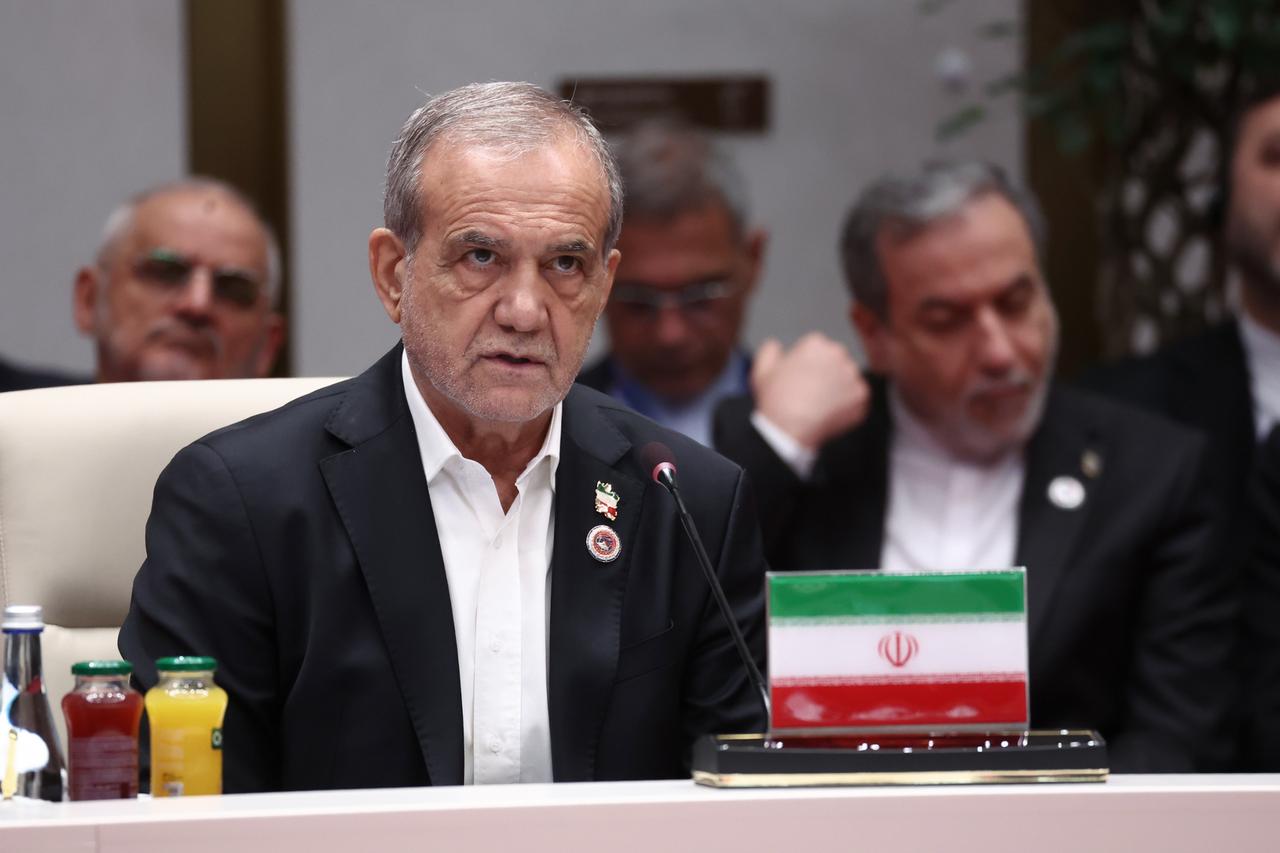
Iran's president is expected in New York for the Assembly, and nobody in Washington is pretending to know what happens if he and Trump end up in the same room. The range of outcomes this week runs from breakthrough to escalation, and the administration is publicly framing its own calculus as simple, even if the diplomacy behind it isn't.
"I wouldn't necessarily put a timeline on it, but I think the president is focused on his clear objectives that Iran will never have a nuclear weapon and that they are welcome to come back to the table when they're ready to negotiate in good faith," said Mike Waltz, the U.S. ambassador to the U.N., on Sunday. "And meanwhile, maximum pressure will stay in place on the regime's economy."
That's the policy in one breath: the door stays open, the pressure doesn't ease, and both of those things are true at once. Trump is also expected to meet Persian Gulf leaders during the summit to talk through where the war is headed, a conversation that matters more than most of the floor speeches this week, since it's the Gulf states absorbing the security fallout in real time.
That fallout has a name right now, and it's Yemen. Iran-backed Houthi forces have launched multiple strikes on Saudi Arabia in recent days, a pattern serious enough that the White House and Pentagon are reportedly weighing direct military action against the group. So the administration is running two tracks at once: economic strangulation dressed up as an open negotiating door, and a live debate over whether to escalate against a group that isn't waiting for the Assembly to adjourn before it fires again.
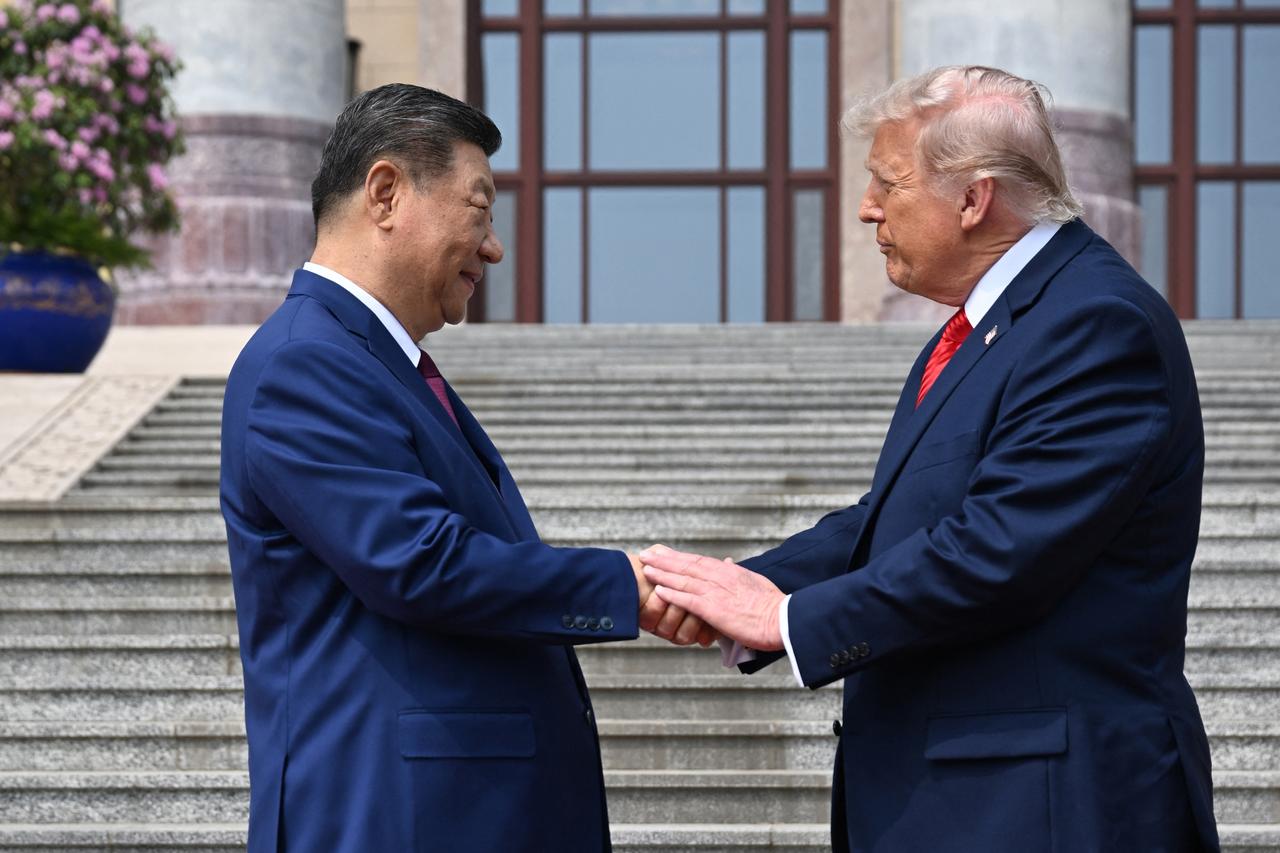
The most telling seat at the General Assembly this week is the one that will stay empty. Chinese President Xi Jinping isn't coming to New York. He's going to Washington instead, for a state dinner and formal meeting with Trump on Wednesday, and the choice says something about where he thinks the real business gets done: multilateral theater in Turtle Bay, or a private table at the White House. He picked the table.
Artificial intelligence is shaping up to be a significant part of that Wednesday conversation, which puts Trump and Xi discussing AI governance roughly 230 miles from the podium where U.N. Secretary-General António Guterres spent the week arguing that no single government can manage the technology alone.
"It is the first responsibility of any government to protect its citizens, including from the threats of artificial intelligence," Guterres said. "National action is essential. But global coordination is also indispensable because AI does not stop at borders and neither do its risks."
It's a clean thesis statement for multilateralism, delivered in the same week its two most consequential listeners decided to have the actual conversation somewhere else, one-on-one, over dinner. Guterres wants borders to matter less. Trump and Xi are proving, by where they chose to meet, that the line between "everyone talks" and "the two of us decide" still matters quite a lot.
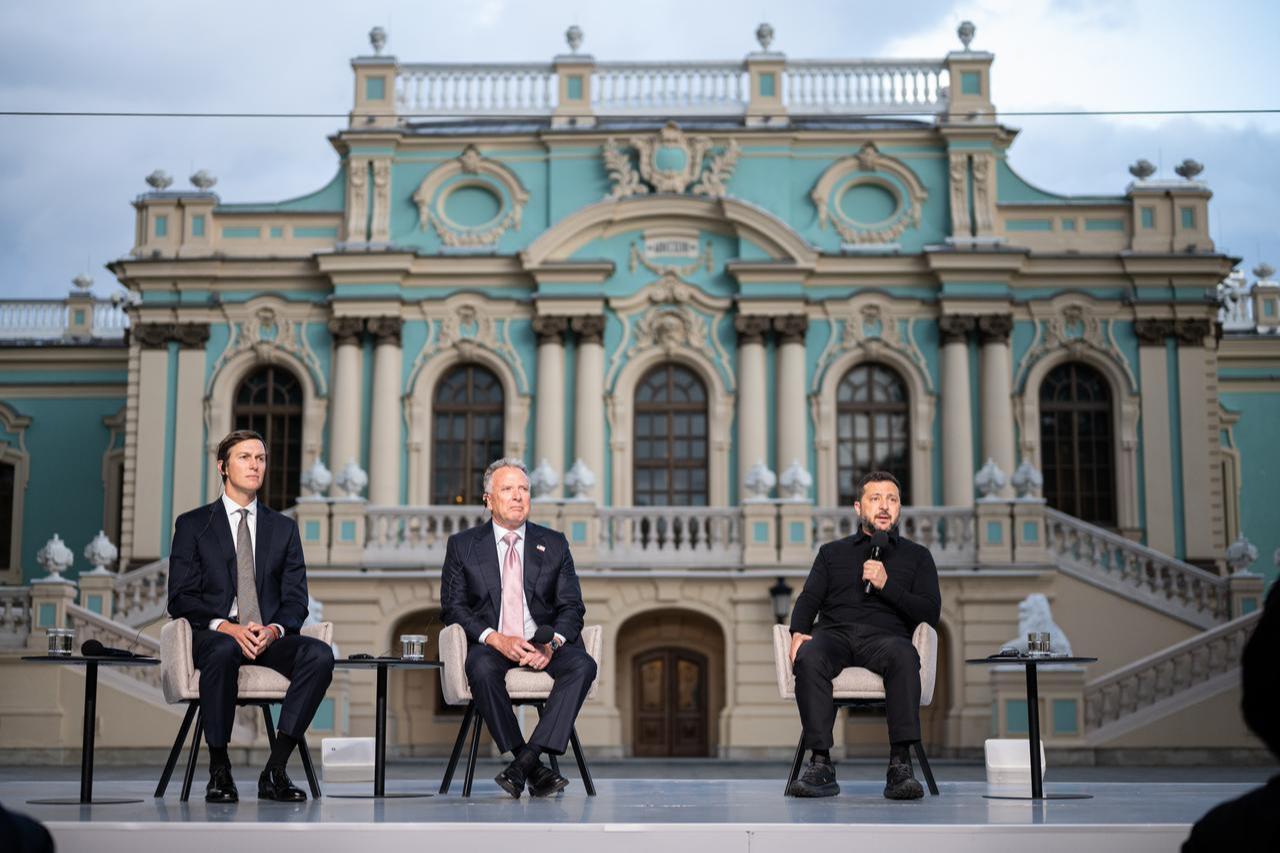
Iran and China aren't the only lines running through this week, just the loudest. Ukraine's war with Russia keeps pulling at the room even as newer fires draw the cameras elsewhere, and Ukrainian President Volodymyr Zelenskyy is set to meet Trump on the sidelines, partly to make sure the rest of the Assembly doesn't forget the conflict is still going on.
"I think as the president has said, the Russia-Ukraine war has been by far the toughest of the international conflicts to solve," Vice President Vance said. "I believe he's meeting with President Zelenskyy either tomorrow or the day after. So I'm sure there's going to be some good progress made."
The meeting follows Trump's signature on a new Russia sanctions bill aimed at the country's energy and defense sectors, one that also hands him authority to impose 100% tariffs on the top five buyers of Russian oil and gas. That's a tool built for leverage over other countries' choices as much as Russia's, which means Beijing and New Delhi, both major buyers, are watching this legislation as closely as Moscow is.
Every thread this week (Iran's nuclear file, the Houthi strikes on Saudi Arabia, the tariff authority aimed at Russia's oil customers, the AI conversation happening without the rest of the Assembly in the room) sits on the same grid. Pull on one and the others move.
By Thursday the motorcades will thin out and First Avenue will move again. The harder question is whether anything else does. The Assembly hall is built for everyone to speak and no one to decide.
The dinner table in Washington is built for the opposite.
This week put both on display within 48 hours of each other, and the country skipping the hall for the table was the one making a bet about which format still works.


 Set as preferred source
 Set as preferred source


 1 min read
 1 min read