Newsletters


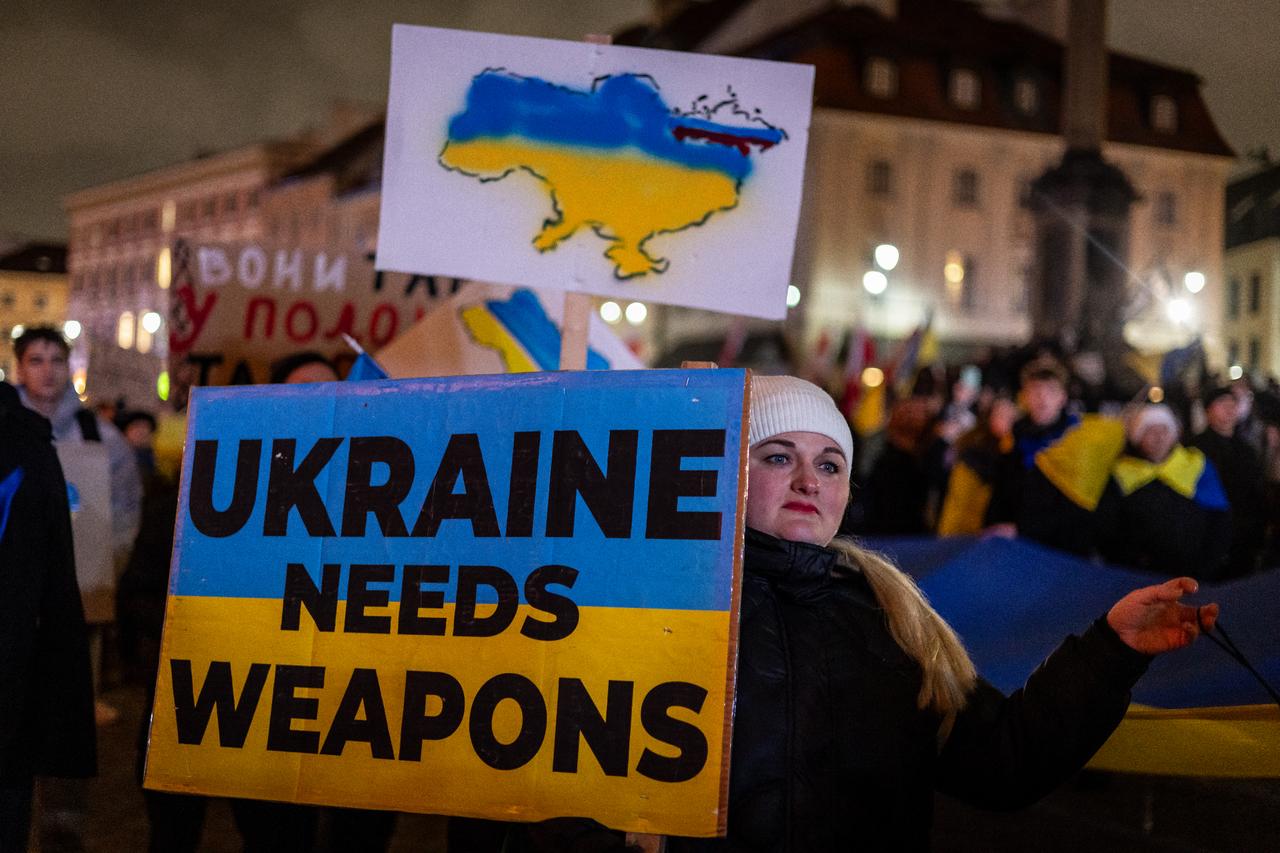


As I watched the news this week, marking four years of Russia’s full-scale invasion of Ukraine, the images felt painfully familiar. Like on every anniversary, leaders stood in Kyiv. Speeches were delivered. Solidarity was reaffirmed.
But the war continues.
There is still no ceasefire. Ukrainians are enduring renewed attacks on their energy grid as winter bites. The war has killed hundreds of thousands, uprooted millions, and shaken Europe’s security architecture.
More than 15,000 civilians have been confirmed killed, a number widely believed to be an underestimate.
And even as the fighting drags on, discussions of possible deals surface, negotiations that sometimes blur the line between compromise and coercion, where questions of sovereignty and independence quietly enter the frame.
Watching this, I could not stop asking myself, "What happens the day after the guns fall silent?"
I am Bosnian. Our war ended more than three decades ago. And I can tell you: the end of fighting is not the end of reckoning.
This same week, two prosecutors from Sarajevo traveled to The Hague to retrieve documents from the archives of the International Criminal Tribunal for the former Yugoslavia.
The ICTY prosecuted the architects of genocide and terror in Bosnia. It delivered historic verdicts. But it did not answer every question.
Today, three decades after Dayton, Bosnian prosecutors are reopening investigations, including the so-called Sarajevo Safari case, allegations that wealthy foreigners paid to be taken to sniper positions to shoot civilians trapped inside besieged Sarajevo.
The first indictments are expected this summer.
Think about that. Thirty years after the war ended, we are still collecting documents. Still piecing together horrors. Still trying to move conversations from whispers to courtrooms.
The investigation has expanded beyond Bosnia. Italian prosecutors have opened their own inquiry into alleged “sniper tourism.” What many dismissed for years is now being examined in multiple countries.
But why did it take so long?
Because ceasefires bring stability but not the truth.
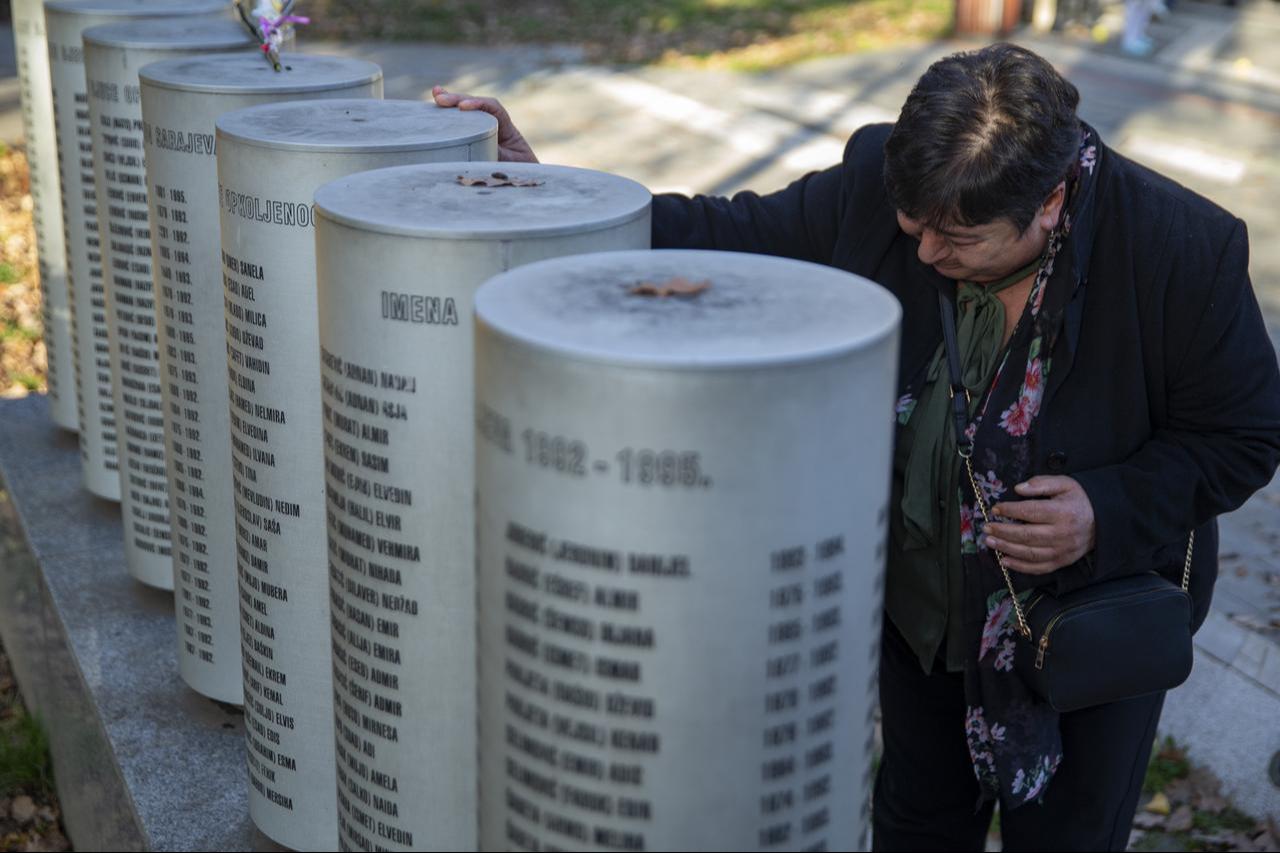

The Dayton Peace Agreement stopped the killing. It gave Bosnia a fragile stability that has endured. But it also froze many truths in place. There were landmark convictions, and the Srebrenica genocide was legally recognized.
But many crimes were left unexplored. Many networks of complicity were never fully examined. Justice felt and still feels partial.
Research on delayed war crimes prosecutions shows a predictable pattern: evidence fades, witnesses die, and political priorities shift. Over time, the appetite for accountability weakens.
And yet delayed justice, however imperfect, remains necessary. Without it, atrocity simply dissolves into history without consequence.
Bosnia’s unfinished reckoning is proof of that.
Unlike Bosnia in the 1990s, Ukraine is documenting alleged war crimes in real time.
Prosecutors are opening thousands of investigations. Evidence is being preserved while towns are still smoldering. Digital tools allow civilians to upload footage. International teams are embedded. The International Criminal Court is already involved.
Ukraine is not waiting decades to begin.
I find myself wondering, have they learned from our experience?
Because here is the uncomfortable truth: what we think happened during war is often only a fraction of the full story.
The deeper truths emerge later. And they are usually worse.
If negotiations begin in earnest, if reconstruction funds flow, and geopolitical bargains are struck, the pressure to “move forward” will grow. Justice can quickly become inconvenient.
We have seen this before.
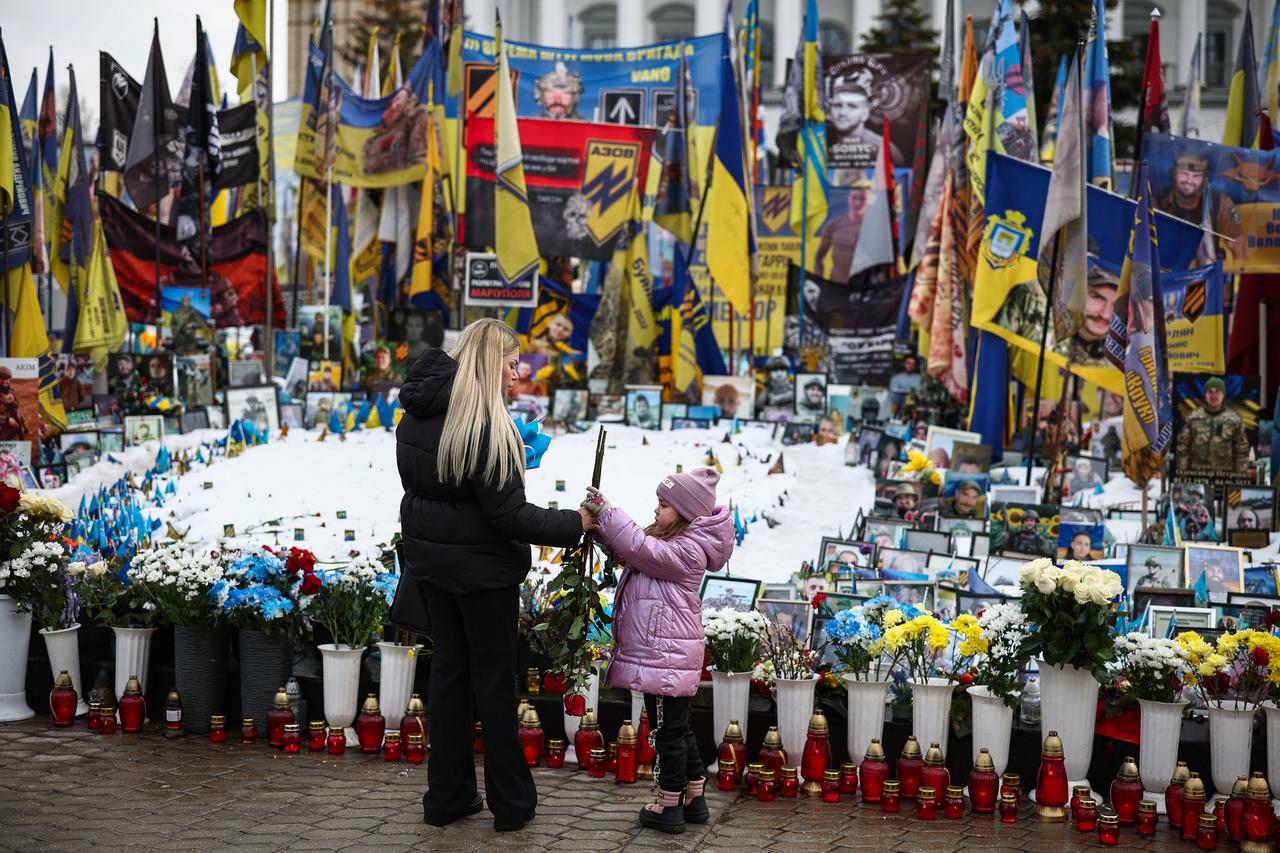
Victims always speak first. They carry memory. They demand accountability.
But real accountability often depends on something rarer: insiders who decide to tell the truth. People on the aggressor’s side. Witnesses who refuse silence. Those who choose justice over loyalty.
If indictments in the Sarajevo Safari case materialize this summer, they will mean more than legal progress. They will show that even after thirty years, buried stories can resurface.
That silence is not permanent.
That truth, even delayed, can still matter.
For Ukraine. For Bosnia. For Europe.
Ceasefires can stop bullets. They can redraw borders. They can stabilize economies.
But they do not uncover the truth.
Peace built on buried atrocities is fragile. Stability without accountability is temporary. And sovereignty negotiated without justice leaves wounds that never heal.
I speak as someone from a country still living with the consequences of an unfinished reckoning.
Ukraine cannot afford to wait 30 years.
There is no future without truth, and they should gather all the evidence as soon as possible.


 Set as preferred source
 Set as preferred source


 7 min read