Newsletters




This article was originally written for Türkiye Today’s weekly newsletter, Saturday's Wrap-up, in its September 5, 2026 issue. Please make sure you subscribe to the newsletter by clicking here.
Russian President Vladimir Putin was not always highly diplomatic, or Siberian-cold, in Bishkek this week. Sitting across from Armenian Prime Minister Nikol Pashinyan, the Russian president delivered a tense ultimatum masked as administrative advice. They had an unusual back-and-forth conversation, and it wasn't a PR video showing Putin as a strongman involving other countries’ internal affairs.
He stated that Yerevan needs to make up its mind about its European Union membership aspirations "sooner" rather than later, adding that Moscow desperately needs "clarity" on how to proceed with the relationship. It was a reminder of the zero-sum game the Kremlin insists on playing in its immediate neighborhood.
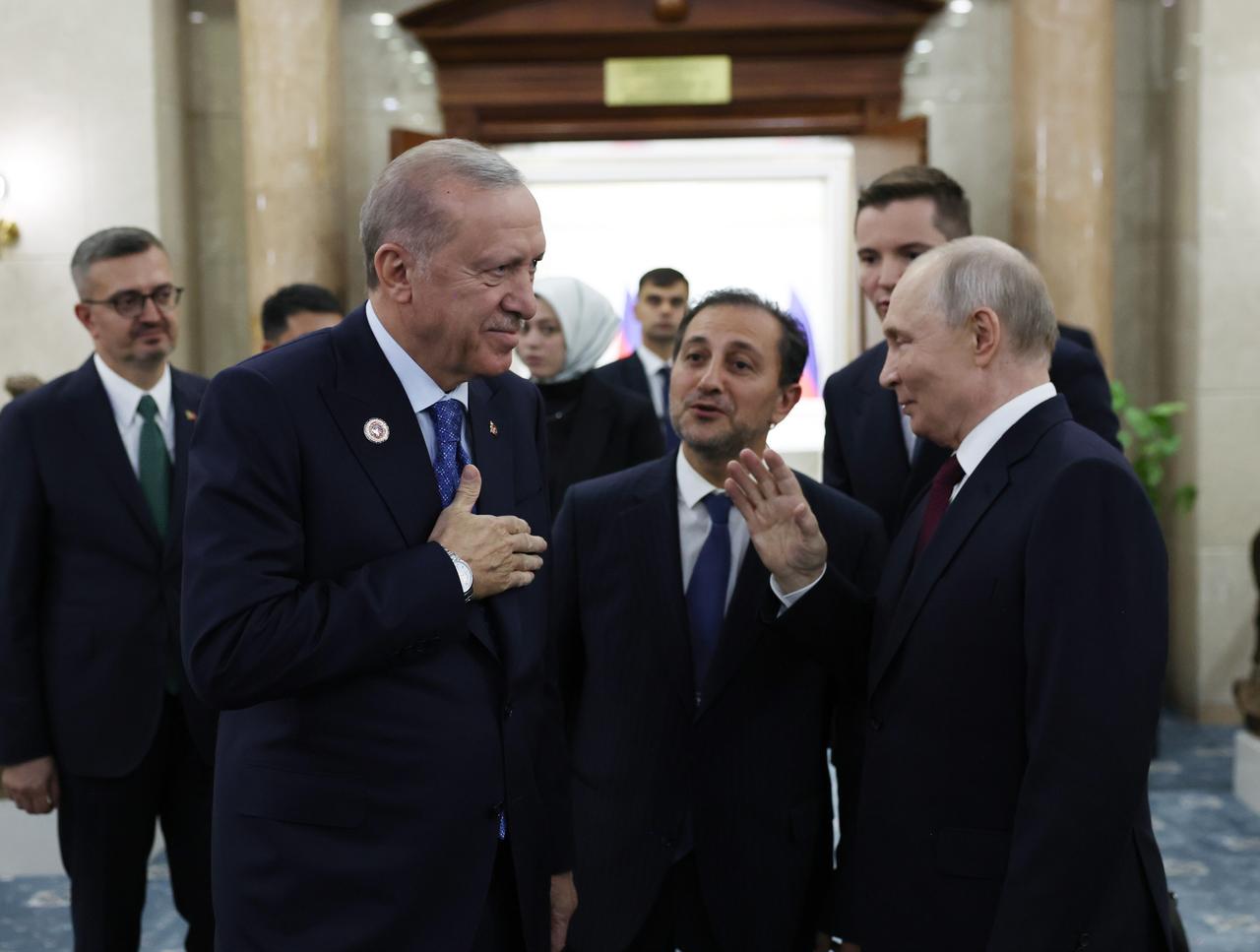
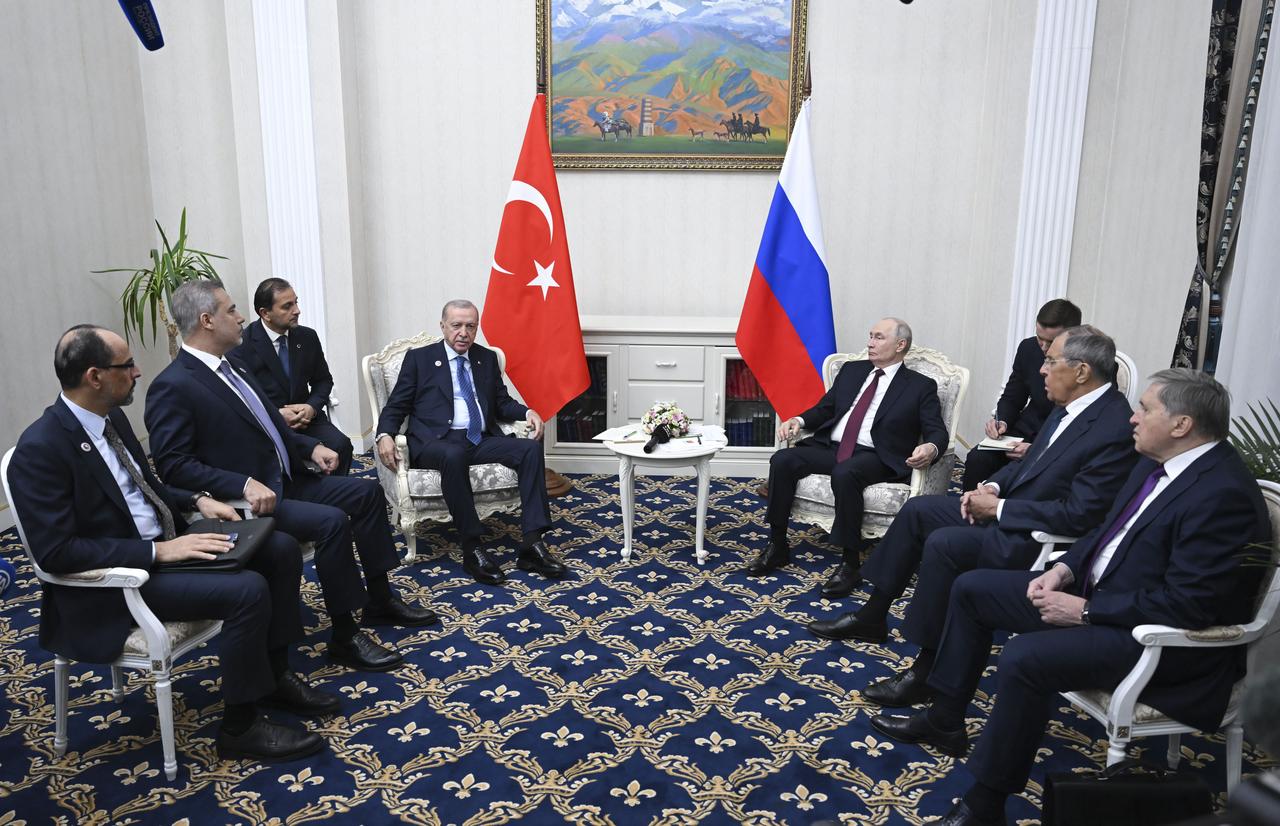
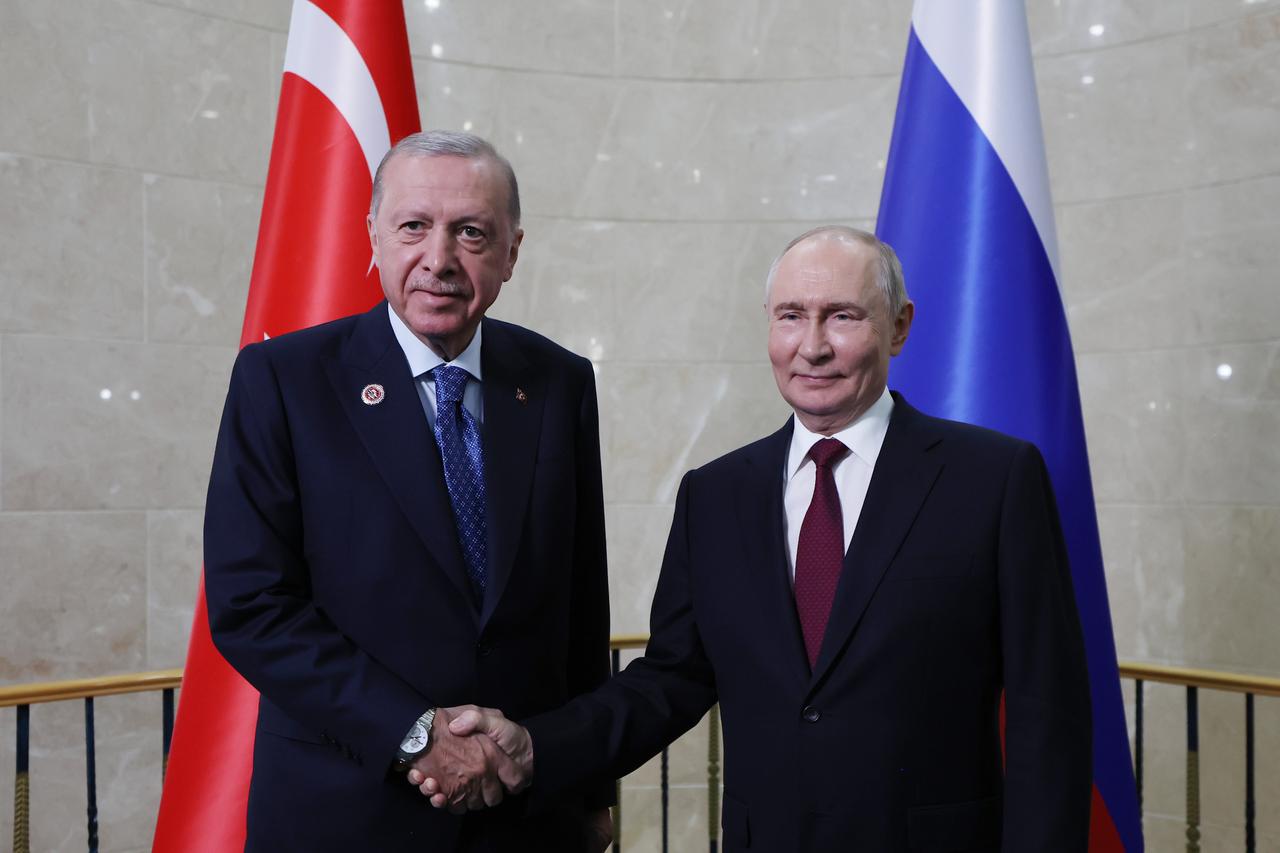
Yet, the same day, Putin stood next to Turkish President Recep Tayyip Erdogan, and the geopolitical temperature inexplicably dropped to a tepid room setting. There is no need to highlight that Türkiye is a NATO member—a defense alliance Western media claim Russia could attack by the late 2020s (and damn, we entered the late 2020s on Sept. 1, 2026)—or that its EU candidacy status endures, albeit purely on paper.
The resulting press statement from the two leaders was a staggering display of diplomatic theater. The world is practically burning, and yet, listening to the official readouts, one might assume these two men had gathered in the Central Asian steppes solely to review the booming volume of Russian tourists visiting Antalya and to track milestones at the Akkuyu nuclear power plant. Press readouts are always dry, anyway.
They presented a heavily curated vision of Antalya's sunny beaches and energy cooperation. But this Pollyannaish attempt to steer the narrative strictly toward shared mutual interests convinces no one. Behind closed doors, the actual agenda may have been undeniably heavy with structural, existential issues that neither leader felt comfortable airing in front of the cameras.

The bilateral trade relationship, for instance, is currently trapped in a tightening vise of United States sanctions. Because of the ongoing war in Ukraine, Washington's secondary sanctions are choking the financial pipelines that have long facilitated Turkish-Russian commerce. Türkiye’s energy import bill rose 33.3% year on year in August to $6.4 billion as Russian shipments, normally the top and cheapest source of oil and gas for the country, nearly halted amid intensified Ukrainian drone attacks in the Black Sea, pushing refineries toward costlier suppliers.
The economic pragmatism that traditionally anchors this partnership is hitting a rigid Western wall. Simultaneously, Ankara is quietly sweating over a phantom peace process. Türkiye is relentlessly pushing to restart negotiations between Russia and Ukraine. While Ankara tries to build a bridge, Moscow remains stubbornly entrenched.
Out on the water, the situation is even more precarious. Navigation security in the Black Sea has all but evaporated. We have reached a critical threshold where Turkish vessels are finding themselves targeted every day.
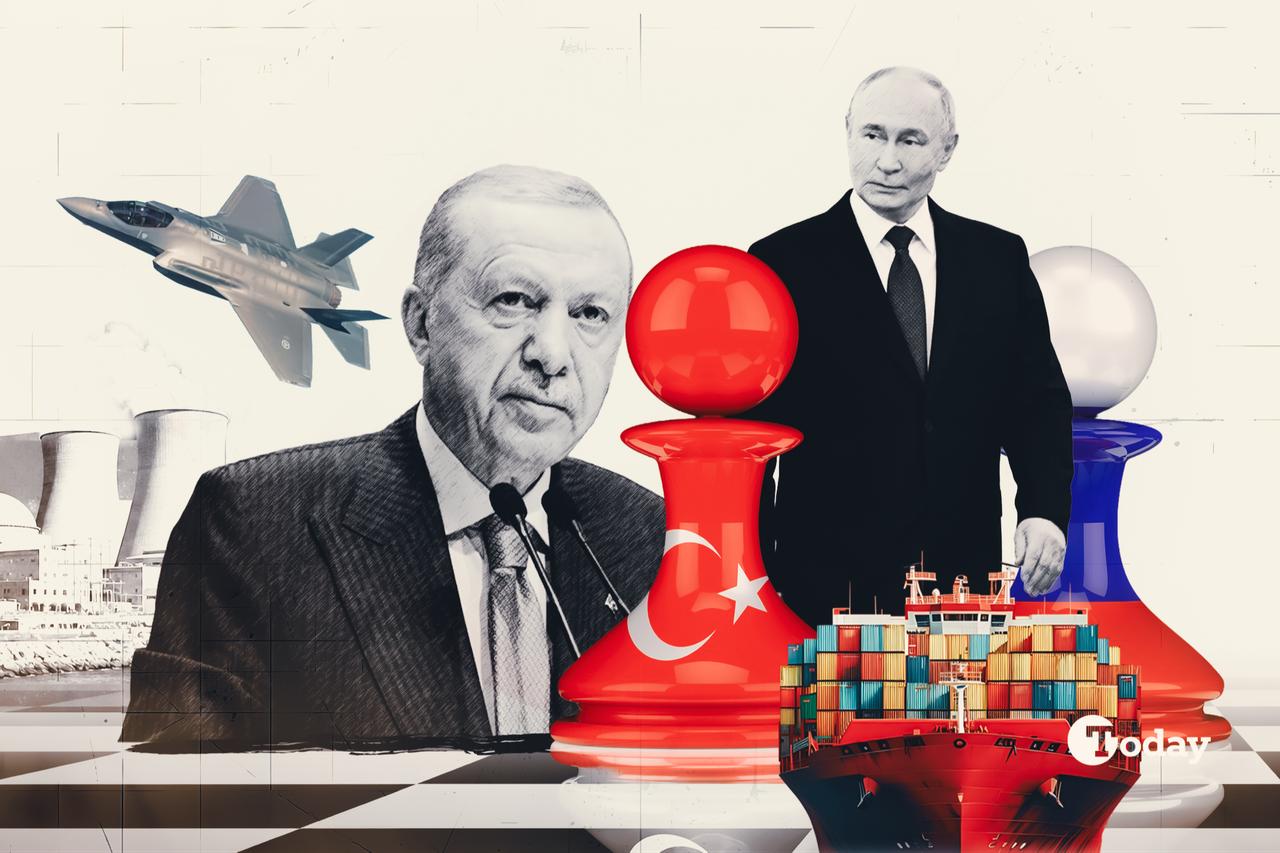
The Black Sea is a live theater of asymmetrical warfare, testing the absolute limits of maritime safety. Then there is another crucial issue that is no less important than others. The unresolved fate of the Russian S-400 missile systems continues to cast a long, dark shadow over Ankara’s ties with Washington, which still strictly conditions the sale of F-35 fighter jets on resolving the Russian hardware issue.
Adding to this friction is Türkiye’s delicate balancing act: maintaining this complex, necessary channel with Putin while rigidly adhering to NATO decisions regarding unwavering support for Ukraine.
And if that weren't enough, the broader regional map is practically glowing red. The Middle East is caught in a lethal, rapidly mutating Israel-Iran-U.S. triangle.
To omit all of this in favor of talking about tourism may be a deliberate, calculated choice. Yet, buried within the sanitized talking points was one critical announcement that requires our full attention: Erdogan’s confirmation that the two nations may move forward with building a second nuclear power plant.
Predictably, this will trigger spasms of anxiety in Western capitals.
Pundits will point to a second Russian-built reactor as undeniable proof that Ankara is irrevocably slipping into Moscow’s strategic orbit. Be prepared to see shallow analysis from the people in the tank. But viewing Türkiye's nuclear ambitions purely through a Cold War lens misses the plot entirely because it is mostly about technological survival in the next century.
As Türkiye Today's Levent Kemal wrote, this nuclear push is, at its core, an artificial intelligence strategy.
Kemal wrote, “Two distinct infrastructures are emerging concurrently in Türkiye. On one side, there are energy infrastructures like Akkuyu and Sinop. On the other side, data and computing infrastructures are concentrated in Ankara and Istanbul.”
 1 min read
As a Turkish official familiar with the situation told Türkiye Today, “During the same time period, Türkiye is developing the energy and digital capacity it will require in the future.”
Yet, nobody can say for sure that Türkiye would embark on a new nuclear journey in the short term. The overall direction of bilateral relations will be a defining factor in Türkiye’s decision to deepen ties with Russia, as cooperating with Moscow is a costly business.
Erdogan and Putin are still friendly in public, and they will likely remain that way, given their mutual respect and interdependency. However, structural problems with Russia remain and they are likely to increase if Putin remains the man he is.


 Set as preferred source
 Set as preferred source


 1 min read