Newsletters


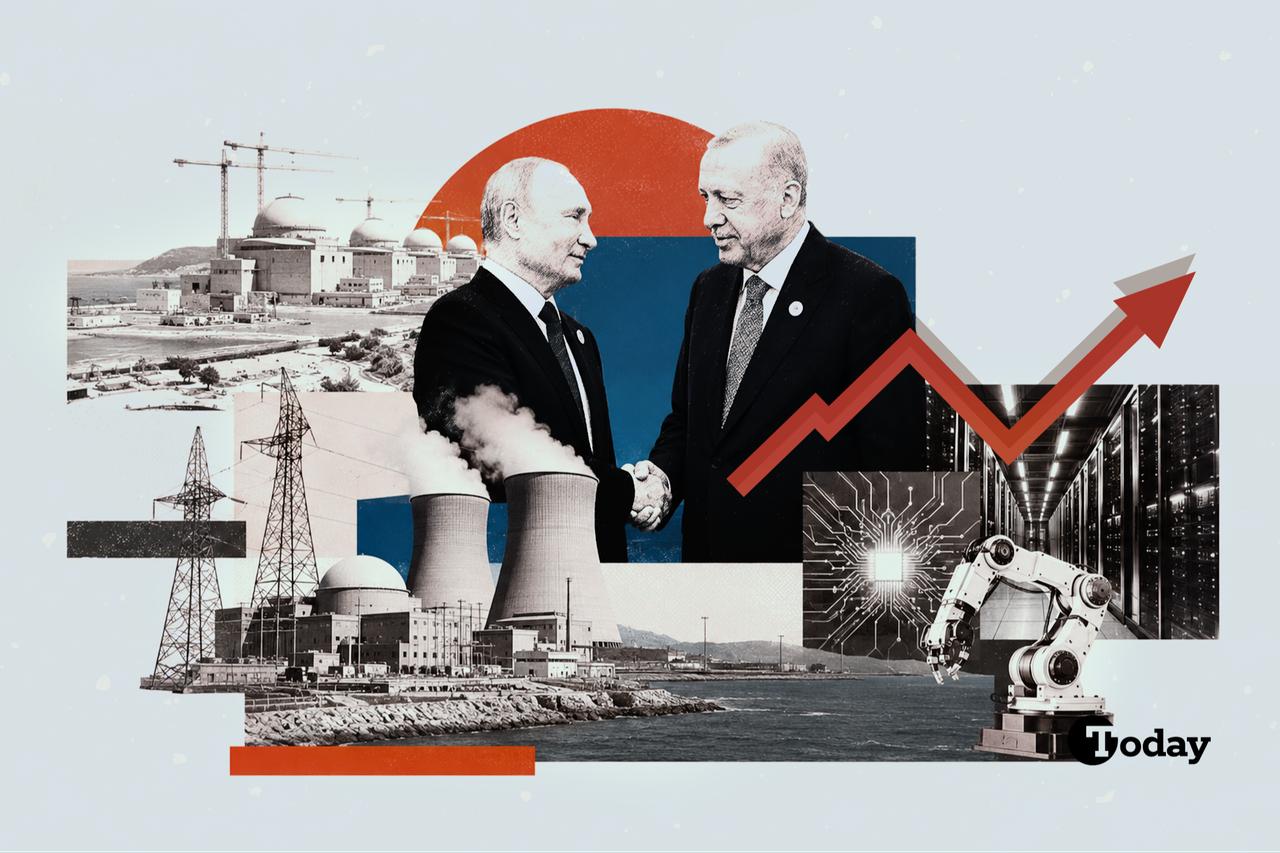


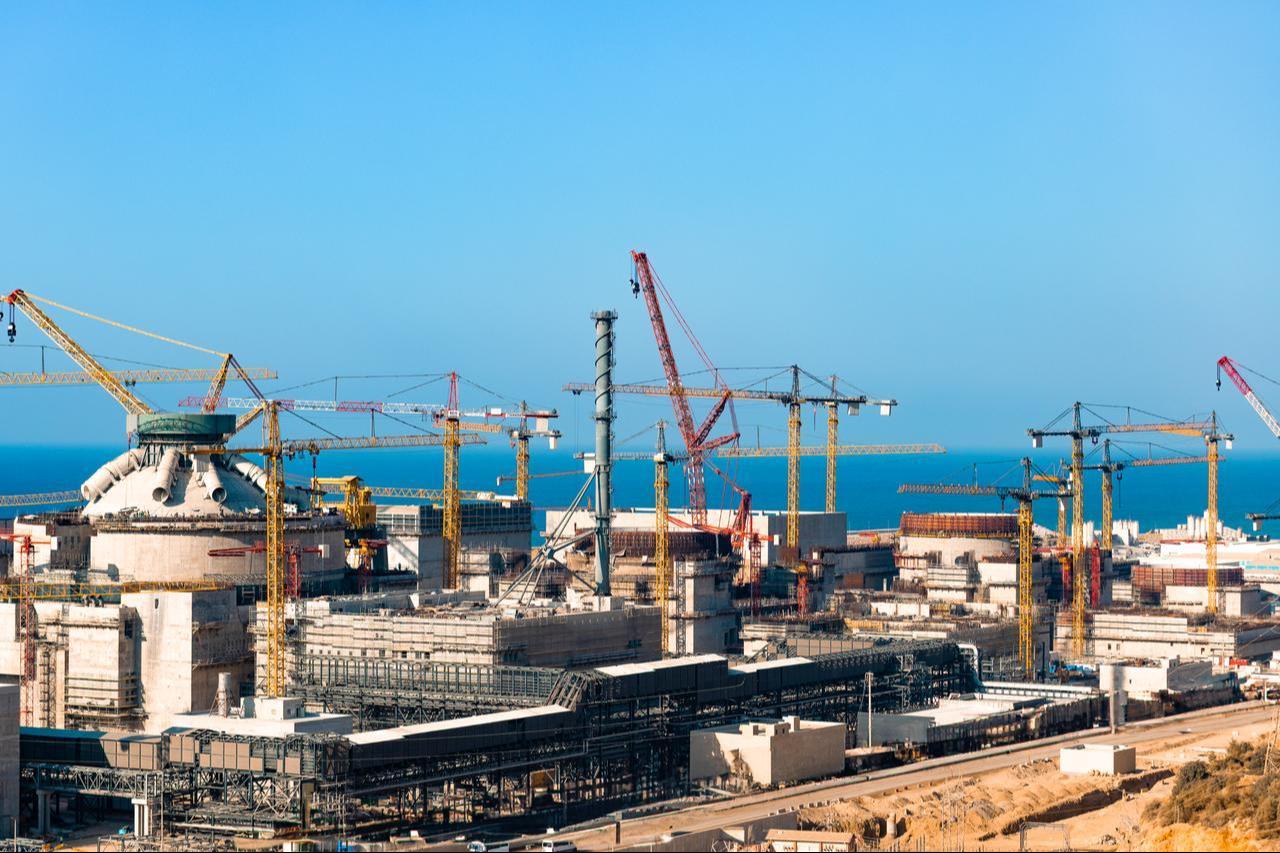
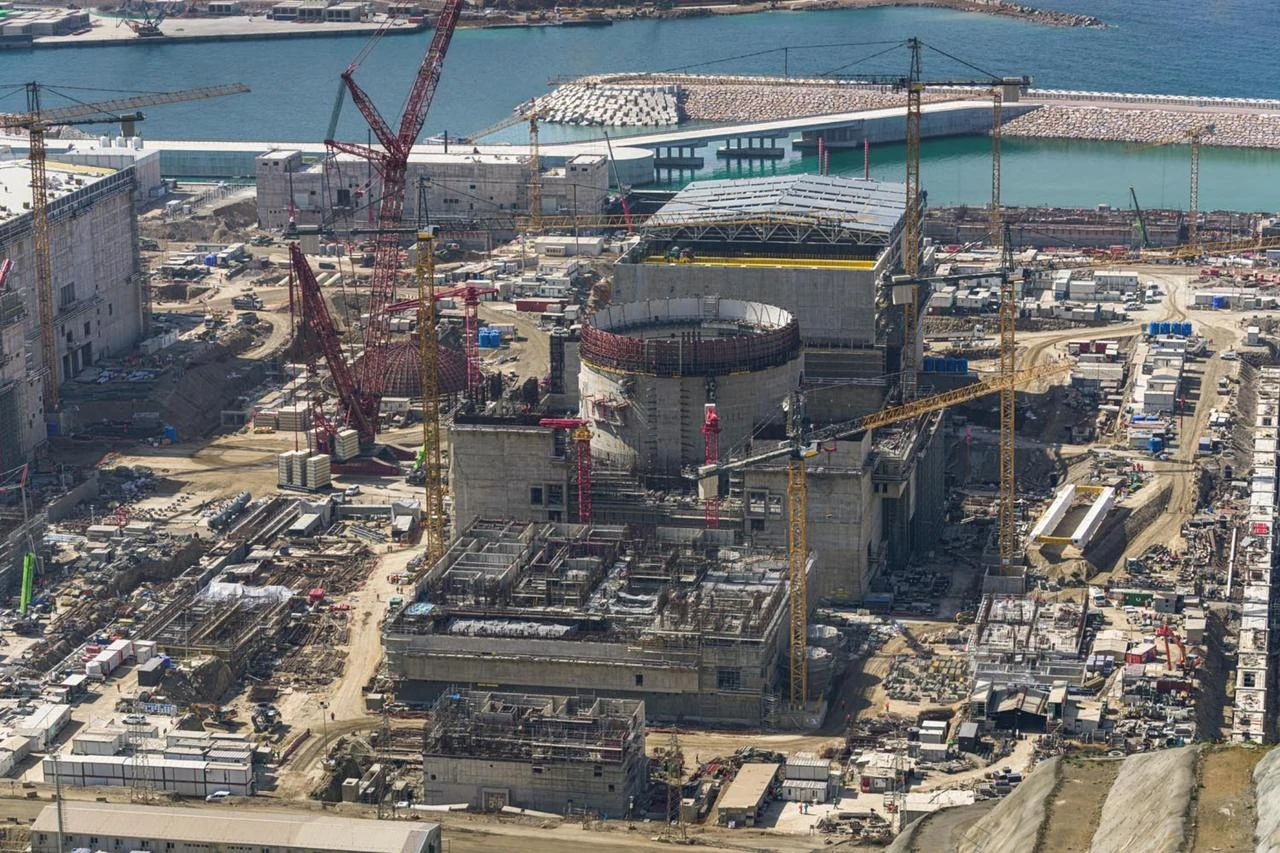
Türkiye is stepping into a new era of civilian nuclear energy, and the road ahead is being paved in tight coordination with Moscow.
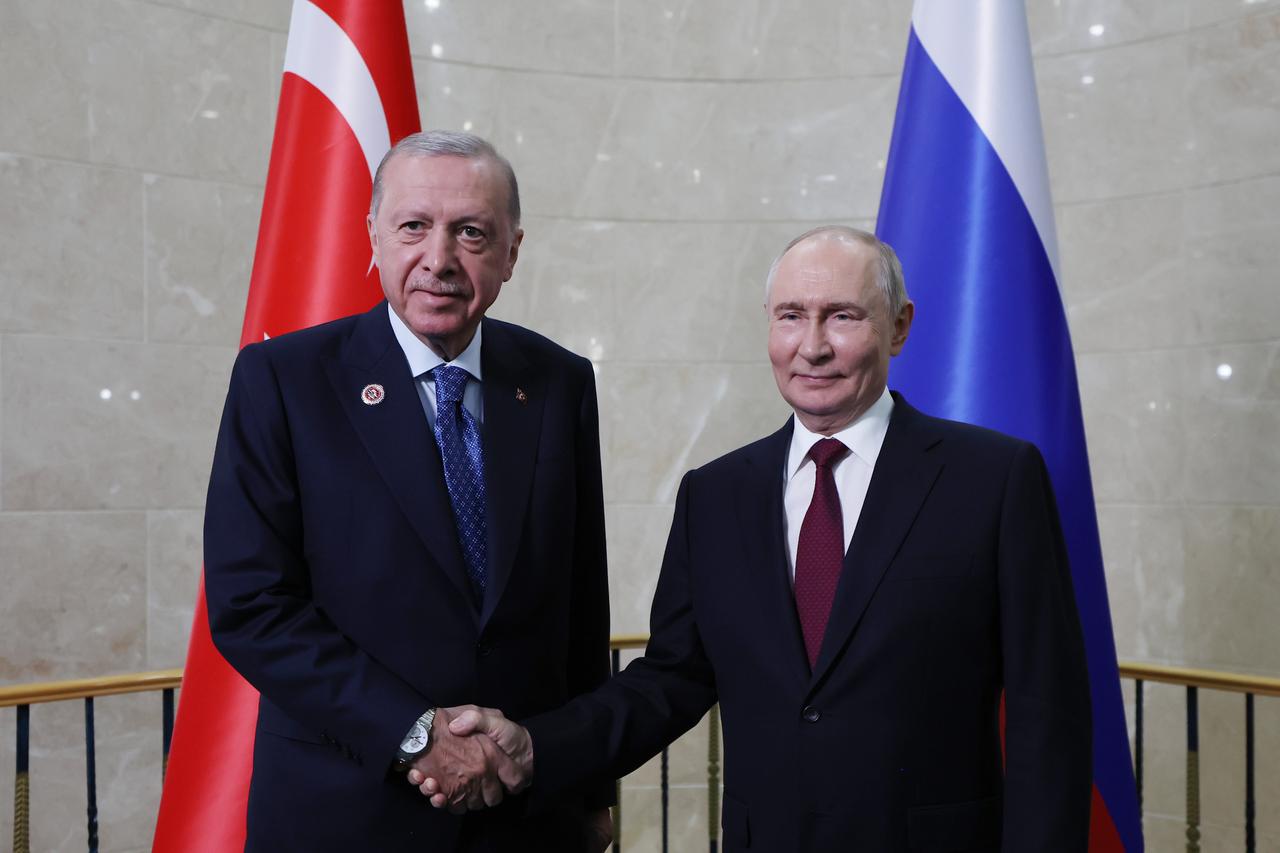
What began at the Akkuyu plant on the Mediterranean coast may expand north toward Sinop, a Black Sea province, following a high-stakes meeting between Turkish President Recep Tayyip Erdogan and Russian President Vladimir Putin at the Shanghai Cooperation Organization summit.
At first glance, it appears to be simply a large-scale energy project. For a country long trapped by a massive energy import bill, the past decade has been an all-out sprint to diversify. The project is tied to concrete goals such as generating thousands of megawatts of electricity, diversifying energy supply, reducing reliance on natural gas and other imported fuels, and strengthening Türkiye's long-term energy security. But the transformation this project will bring to Türkiye is much more than that.
Türkiye intends not only to build new nuclear power plants, but also to establish the economic and technological infrastructure for the coming decades.
Akkuyu's four reactors, with a combined capacity of approximately 4.8 GW, will significantly expand Türkiye's electricity system by providing continuous generation.
When the plant reaches full capacity, it is expected to supply roughly 10% of Türkiye's electricity needs. Sinop is likely to follow. The four reactors planned for Sinop will increase Türkiye's energy capacity.
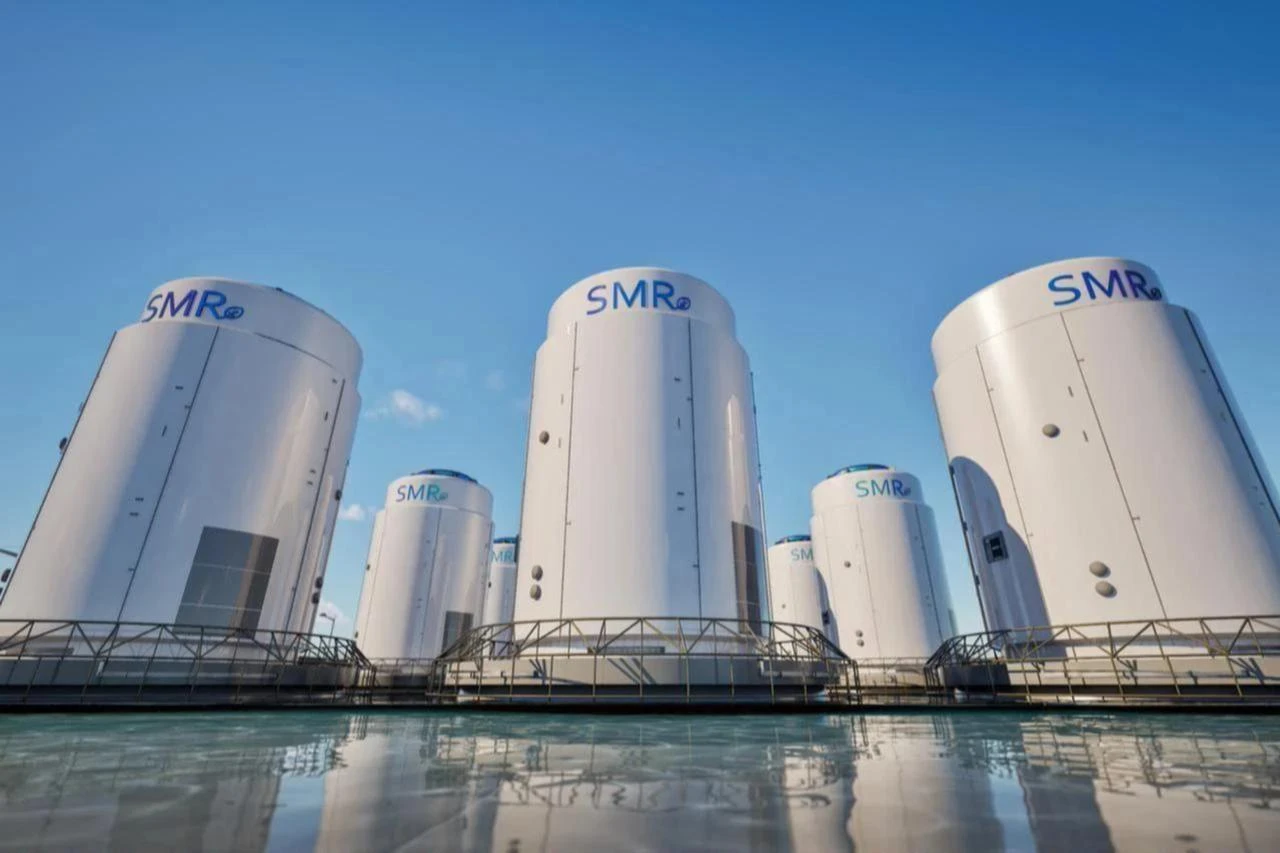
When the other planned investments in Thrace and the goals for small modular reactors are factored in, Türkiye's nuclear energy policy shifts from a single power plant project to a long-term strategy.
The primary and most obvious goal of this strategy is energy independence. Because of Türkiye's external energy dependence, oil and natural gas prices, wars, sanctions, maritime risks, and geopolitical crises all have a direct impact on the country's energy bill and economy. These moves—Akkuyu and the planned Sinop plant—are expected to change that.
This is why Akkuyu is important. Sinop will be even more important because the construction of a second major nuclear power plant will demonstrate that nuclear energy is a long-term component of Türkiye's energy system.
But the next chapter of the story is even more intriguing. As Türkiye expands its nuclear capacity, one of the world's most significant economic and social transformations is unfolding concurrently: the age of artificial intelligence is beginning.

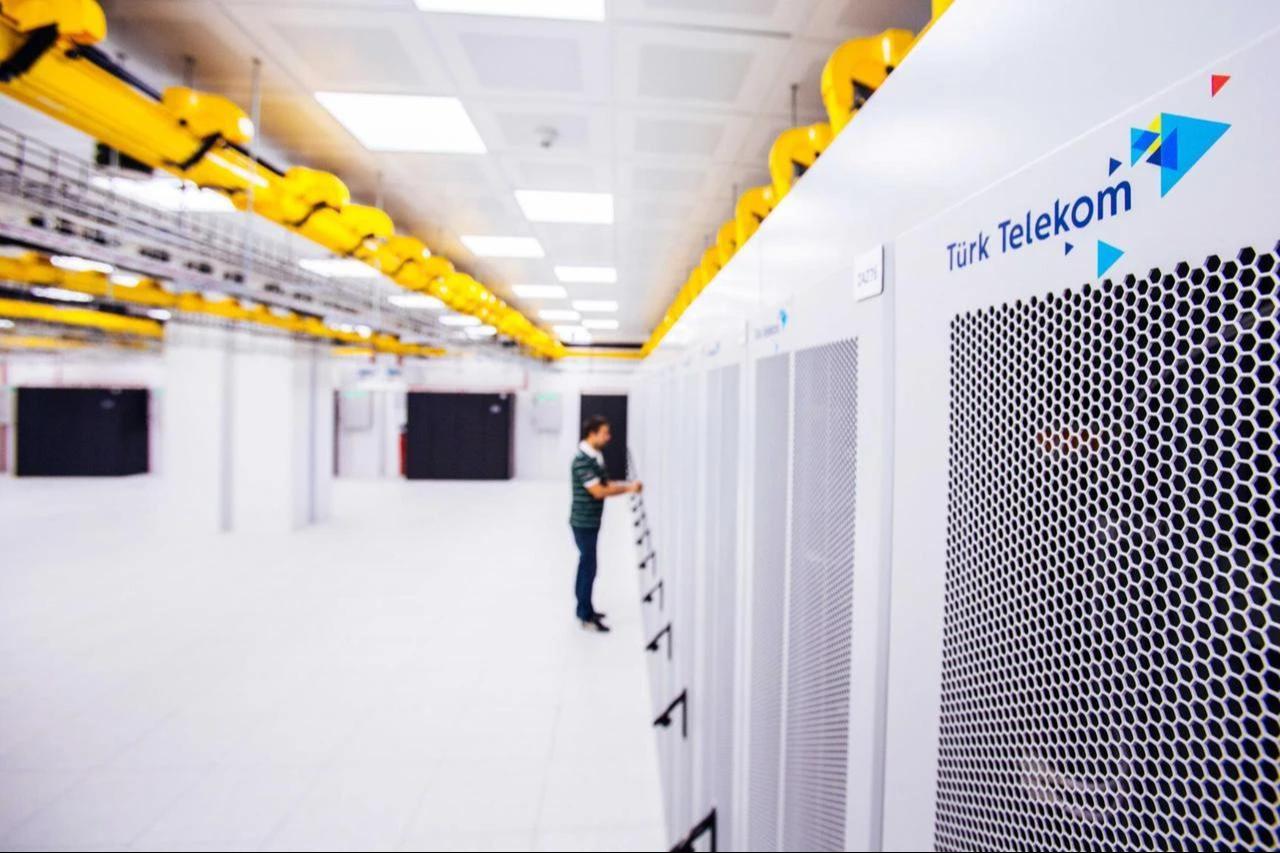
When one considers Türkiye's new data center investments, the scope of the transformation becomes clearer. Istanbul and Kocaeli are currently at the heart of Türkiye's existing data center ecosystem, thanks to previous investments. The current digital backbone includes Turkcell's Gebze, Corlu, and Ankara facilities, Turk Telekom's infrastructure in Istanbul, and Equinix's Dudullu campus. However, the center of gravity of the new wave is shifting toward Ankara.
Turkcell and Google Cloud's hyperscale infrastructure plans, Trendyol and Castle Investments' 48 MW investment, and other new data center projects are all focusing on Ankara. Khazna's Ankara facility is being designed from the ground up with AI capacity in mind, and its target capacity is up to 100 MW.
The Turksat Golbasi project holds even greater significance. The project is being designed not only as a data center, but also as a national digital infrastructure that will integrate public institutions' IT and cloud infrastructure, keep critical data in Türkiye, and support artificial intelligence and high-performance computing applications.
The center is scheduled to open in early 2028. Officials refer to this project and similar initiatives that have yet to be publicly announced as "preparation for the new era and the reconstruction of Türkiye."
In other words, two distinct infrastructures are emerging concurrently in Türkiye. On one side, there are energy infrastructures like Akkuyu and Sinop. On the other side, data and computing infrastructures are concentrated in Ankara and Istanbul.
They don't have to be directly connected today. "The real issue is much larger than that. During the same time period, Türkiye is developing the energy and digital capacity it will require in the future," according to a Turkish official familiar with the situation.
"This was a necessary step. We're building the infrastructure, and it's more complicated and difficult than it appears. The requirements are broad and not limited to energy alone. We must ensure coordinated and simultaneous progress in many areas, including a high degree of localization of networks and hardware, supercomputers, kernel solutions, and others."
 1 min read
To understand why this transformation is strategic, simply look at the Iran war, says the official, adding that, while Türkiye's transformation and investment goals in the energy and digital sectors began before the war, the effects of the Iran war fully validated them:
“During the war, the impact of attacks on data center infrastructure in the Gulf region demonstrated just how physical and vulnerable artificial intelligence and the economy and the sectors it powers are.
For example, the damage sustained by some of AWS’s regional data centers, the service disruptions that followed, and the losses they caused provide very concrete data for us. This process also showed us that data centers can no longer be viewed merely as commercial facilities.
This issue is becoming an area of sovereignty and vulnerability. In other words, we are now at a stage where we can no longer build our investment and defense capacity while excluding energy and data centers.”
For Türkiye, the lesson revealed by the war is simple: Data centers and clouds are not abstract entities. They are tangible assets consisting of fiber cables and servers connected to cooled buildings through which electricity flows, and they are valuable assets that must be made independent and protected.
And in a period when digitalization is accelerating, these investments are viewed as strategic targets during wars, if necessary. For this reason, data sovereignty is not simply a matter of asking, “Is our data being stored in Türkiye?”
That is why, in taking a position on these investments that are expected to build the future, officials are now asking political, military, and strategic questions: Where is the infrastructure that processes this data? Where does the energy that powers this infrastructure come from? Can this system continue operating during war, crisis, or an energy shock?
Türkiye is taking steps to address this situation, which will become even sharper and more costly in the years ahead. Türkiye’s four-layer plan to address these opportunities and crises has already begun to take shape.
The first layer is energy. Akkuyu, Sinop, future nuclear power plants, SMRs, solar, wind, hydroelectric power, and storage capacity come into play here.
The second layer is data storage and data sovereignty. The effort to securely keep critical public data, financial data, defense data, industrial data, and large-scale national datasets within Türkiye forms the second cluster of sovereignty after energy.
The third layer is assets, AI, and computing capacity. Storing data alone is not enough. States need Graphics Processing Unit (GPU) clusters and high-performance computing infrastructure to process that data, train systems on their own models, develop defense applications, and support industrial applications.
The fourth layer is domestic AI capacity. This is the stage of creating Türkiye’s own models, applications, and AI systems tailored to its critical sectors. Steps have been taken for all these stages, and progress is being made.
But Turkish officials also insist that these stages are not a chain and instead constitute a new type of integrated system: “This is not a chain structure in the conventional sense. We are talking about a layered puzzle whose components can become independent and which possesses complementary capacities serving multiple fields in terms of its core functions. This configuration is itself a strategic decision.”
Because of all these objectives, evaluating Türkiye's nuclear program solely on the basis of "How many gigawatts of electricity will be generated?" is insufficient.
In addition to the importance of energy for mass consumption and traditional industry, the nuclear program must be evaluated and planned alongside another strategic area in which it creates significant dependencies: artificial intelligence and digitalization.
This is exactly what Türkiye is doing.


 Set as preferred source
 Set as preferred source


 1 min read