Newsletters


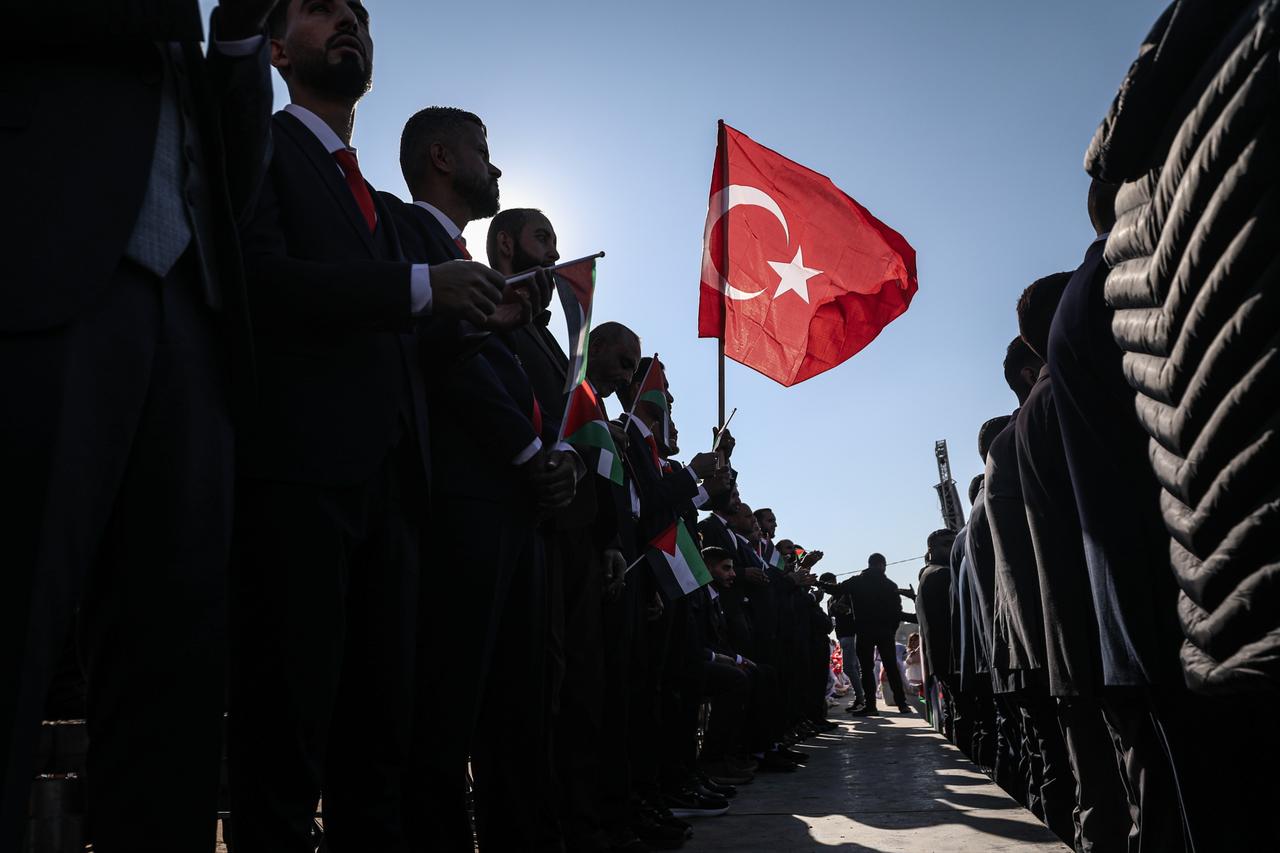


As negotiations regarding the second phase of the Gaza ceasefire proceed, the central question remains unanswered: What is the future of Hamas?
Regional powers, Israel notwithstanding, have shown zero appetite for leading any military or political initiative targeting the group. The reason is blunt: Hamas retains deep traction among the region’s Muslim populace. Regardless of whether the sentiment is active sympathy or merely neutral observation, the “Arab street” views Hamas as a natural extension of the Palestinian cause. This sympathy is not limited to the group itself but is rooted in a broader identification with Palestinian identity. Consequently, ruling elites, particularly in the Gulf monarchies, are wary of triggering a domestic legitimacy crisis by alienating a public that sees this issue as sacrosanct.
In Washington and Tel Aviv, however, the calculus regarding Hamas is distinct and complex. The Trump administration’s designation of the Muslim Brotherhood as a foreign terrorist organization fundamentally altered the strategic landscape for Hamas. Furthermore, the post-Oct. 7 surge in anti-Israel sentiment and antisemitism within the United States has made the suppression of Hamas a cornerstone of Trump’s policy architecture.
Yet, Trump remains a pragmatist. He has no desire to estrange regional populations from the U.S. sphere of influence completely. His objective is to engineer a manageable status quo in Gaza, supported by actors capable of sustaining it. Where the Biden administration’s various plans collapsed, Trump’s framework is, at the very least, generating serious negotiation, forcing regional actors to adjust their strategic postures accordingly.
In this shifting landscape, Ankara is jockeying for a role in the prospective International Stabilization Force (ISF) for Gaza. This ambition is driven by both regional dynamics and domestic political imperatives. Since Oct. 7, Israel has consolidated a hegemonic position that severely constrains the geopolitical maneuvering space of other regional powers. This pressure is felt acutely by Türkiye, from the containment of its strategic depth in Syria to the geopolitical implications of Lebanon’s engagements with the Greek Cypriot Administration.

 1 min read
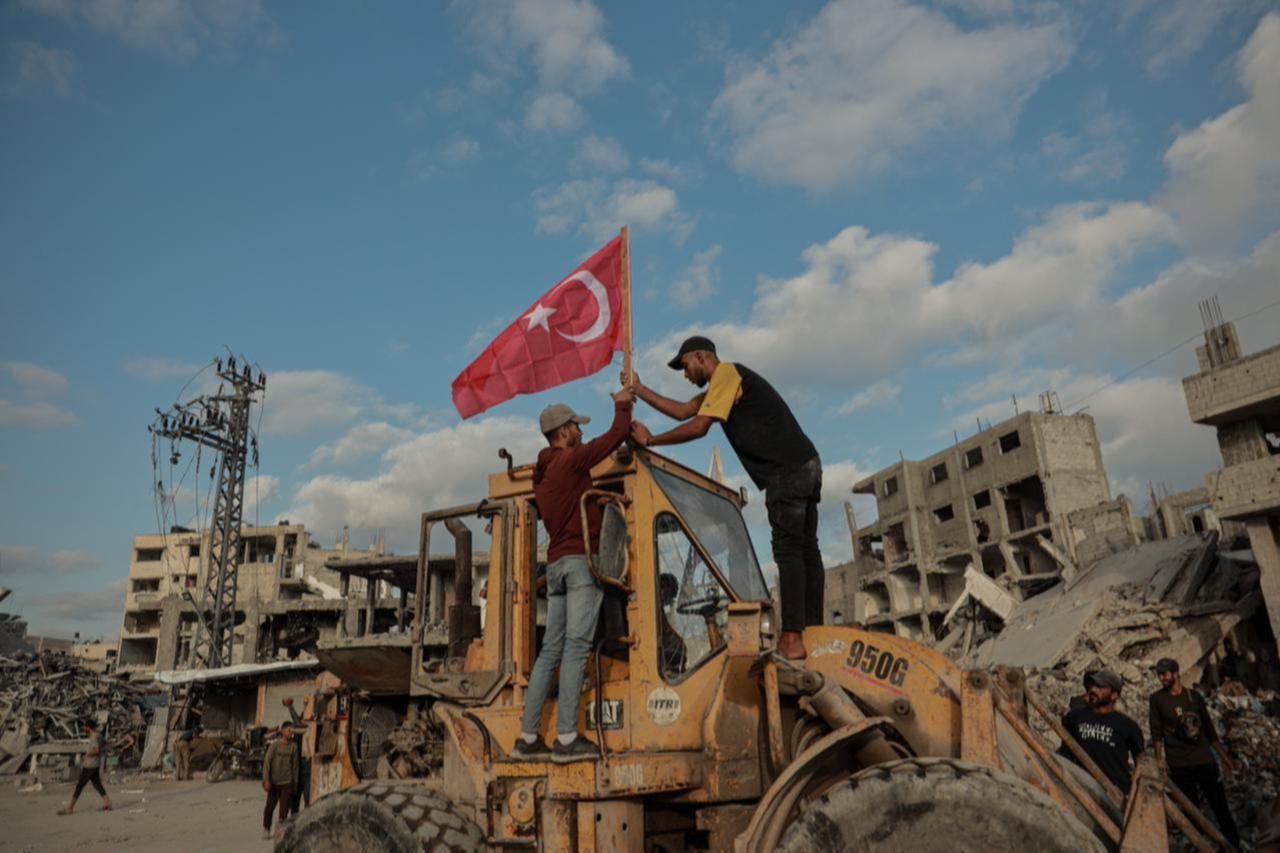
Türkiye’s approach to Palestine is therefore driven less by historical romanticism than by immediate geopolitical necessity. The Syrian file is non-negotiable for Ankara, and stability there is inextricably linked to the broader struggle for influence in the Levant, specifically the indivisible security dynamic between Syria and Lebanon. Concurrently, Saudi Arabia is utilizing its return to leadership of the “Arab file” as a mechanism to manage the internal social fault lines accelerated by its Vision 2030 transformation.
For many Arab leaders, engagement with the Palestinian file acts primarily as a leverage to manage social cleavages. Türkiye’s position, however, demands a separate classification. While many Muslim nations are reluctant to commit military forces to Gaza, Ankara is aggressively lobbying for a role in the prospective multinational force.
Ankara’s participation in the ISF is not merely a logistical convenience; it is a strategic imperative driven by three distinct realities.
First, legitimacy is the scarcest resource in post-conflict Gaza. Reestablishing security requires an actor possessing a genuine social license among the local population. It is doubtful that Gaza's factions, or the street, would tolerate a security presence from any other regional or Western power.
Türkiye, however, holds a unique capital. Decades of consistent advocacy have cemented a distinct trust between Ankara and the Palestinians. Crucially, this relationship is historically grounded; unlike other parts of the Arab world, the Palestinian historical narrative harbors no deep-seated resentment toward the Ottoman legacy. Türkiye’s presence would not be viewed as an occupation, but as a stabilizing guarantee. Second, this move aligns with the recalibration of Ankara’s foreign policy toward the incoming Trump administration. Türkiye is actively seeking to reclaim its role as a regional heavyweight capable of delivering tangible results. By assuming a pivotal role in the ISF, Ankara signals its utility to Washington, positioning itself as an indispensable mediator in a region where the U.S. is increasingly looking to offload security burdens.
Finally, contrary to the assumption that this would exacerbate tensions, Türkiye’s inclusion offers a paradoxical path toward Turkish-Israeli normalization. Operational coordination on the ground often precedes diplomatic breakthroughs. Participation in the ISF would force a pragmatic engagement between Turkish and Israeli security establishments, potentially establishing a modus vivendi that transcends current political rhetoric. Rather than a flashpoint, Gaza could become the theater where a cautious, necessary cooperation begins.
The driving force is not merely humanitarian but strategic: Ankara is determined to engineer the new geopolitics of the Eastern Mediterranean in its favor. The hardening alignment between Greece, the Greek Cypriot Administration, and Israel serves as a stark indicator of the stakes involved for Türkiye.
Yet, the question of how participation in the Gaza force will impact Türkiye-Israel relations remains pivotal. Bilateral ties have never achieved structural stability since the 1950s; they are a diplomatic history driven by regional volatility. Aside from brief windows of conjunctural opportunity, lasting stability has been absent.
To that end, to what extent would Türkiye's inclusion in the ISF strain relations? Could it trigger a direct conflict? Given that both nations operate under the broader American security umbrella, a direct scenario currently appears unlikely.
A historical footnote is instructive here: Türkiye is not a newcomer to this arena, having previously contributed to a Palestine-centered peace force following the 1997 Oslo agreements for Al Halil (Hebron).


 Set as preferred source
 Set as preferred source


 1 min read