Newsletters


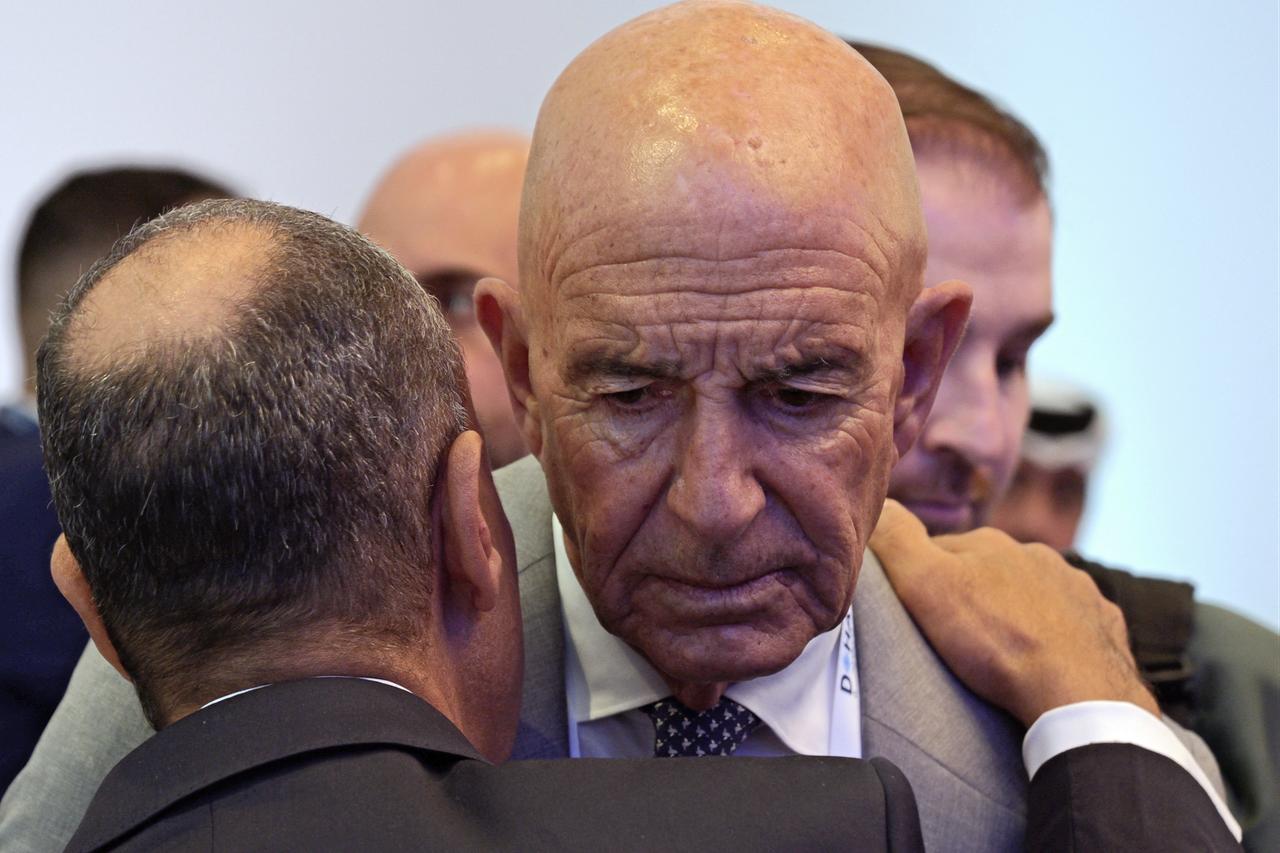


Tom Barrack’s remarks last week have once again ignited a firestorm of debate. It is worth noting from the outset, however, that the U.S. ambassador to Türkiye and special envoy to Syria is hardly a conventional diplomatic figure. Consequently, viewing his actions and rhetoric through the lens of traditional diplomatic decorum can feel somewhat disorienting.
Ambassador Barrack is no stranger to the Middle East; his command of regional investment networks, his close ties to the ruling elites, and his own familial roots deeply anchor him in the region. To dismiss his comments as the gaffes of an outsider would be a miscalculation. In my view, Barrack draws fire precisely because his direct, unfiltered communication forces many to confront uncomfortable realities.
The latest controversy centers on Barrack’s assertion at the Doha Forum regarding "benevolent monarchies." He argued that the imposition of democracy in the Middle East is a futile endeavor, and fundamentally, he is not wrong. The sociology of politics in the Middle East did not evolve along a Western trajectory. While we must avoid falling into the trap of cultural determinism, it is crucial to acknowledge the region’s unique dynamics. In this light, Barrack’s comments deserve a dispassionate evaluation. Restoring stability to the region will not be achieved by chasing fantasies, but by adopting new approaches shaped by hard realities.
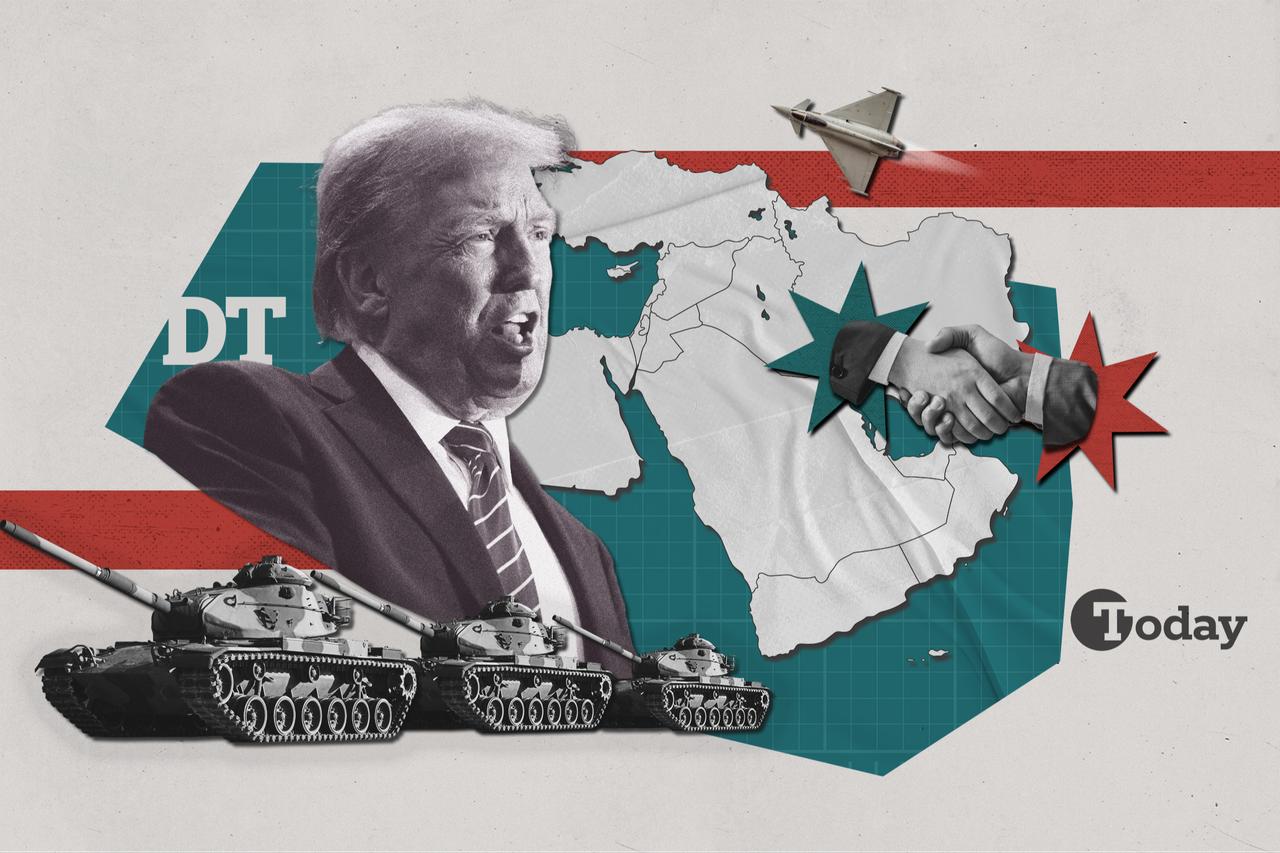
How, then, should we decode this emphasis on monarchies? Barrack is essentially highlighting the rising prominence of the Gulf monarchies, a trend that has clarified the American Right’s approach to the Middle East since 2020. While the Abraham Accords appeared on the surface to be a diplomatic normalization effort between Israel and Arab nations, the core motivation was the search for order following the United States’ managed retrenchment from the region. This naturally shifted focus toward the Gulf monarchies, which possess deep financial resources, established political stability, and developing economies.
Throughout the 2010s, the American elite, across both the Democratic and Republican establishments, prioritized the mission of democratization. The motivation for regime change in Iraq and Iran was rooted in this very ideal. However, with the rise of the Abraham Accords paradigm, it became evident that the U.S. had abandoned the export of democracy or regime change policies. The fundamental strategy shifted toward expanding and diversifying cooperation with integrated, authentic regional actors. So far, this model appears to be working, and this is precisely what Barrack is underscoring.
Why, then, has the reaction from Israel been so visceral?
Fundamentally, Israel has been uneasy with Barrack’s rhetoric for some time. Barrack insists that Israel must pump the brakes, emphasizing that a state of perpetual war with its neighbors does not align with U.S. interests. Furthermore, his stance represents a direct challenge to the 'moral high ground' Israel claims as the "only democracy in the region." This claim has long distinguished Israel, providing the "shared values" motivation that underpinned its relationship with the U.S.
Today, however, the U.S. is distancing itself from processes like democracy promotion, regime change, and revolution in the context of regional political transformation.
While this inevitably leads to the reproduction and management of the status quo, Israel currently perceives a desperate need for revisionism in the region, whether it be regime change in Iran, opening new political pathways in Syria, or altering the political stage in Lebanon. The value now attributed to the Gulf monarchies and the resulting preference for the status quo are a source of significant friction for Israel at this juncture.
To what extent this rhetorical shift has been internalized by American institutions remains an open question. Yet, current approaches toward Syria and the new relationship being forged with Türkiye suggest that Barrack’s words are not merely the musings of a rogue diplomat. Moreover, the presence of figures like Tucker Carlson at the Doha Forum supports the conclusion that a significant elite bloc has fundamentally rethought its position on the region.


 Set as preferred source
 Set as preferred source


 2 min read
 1 min read