Newsletters





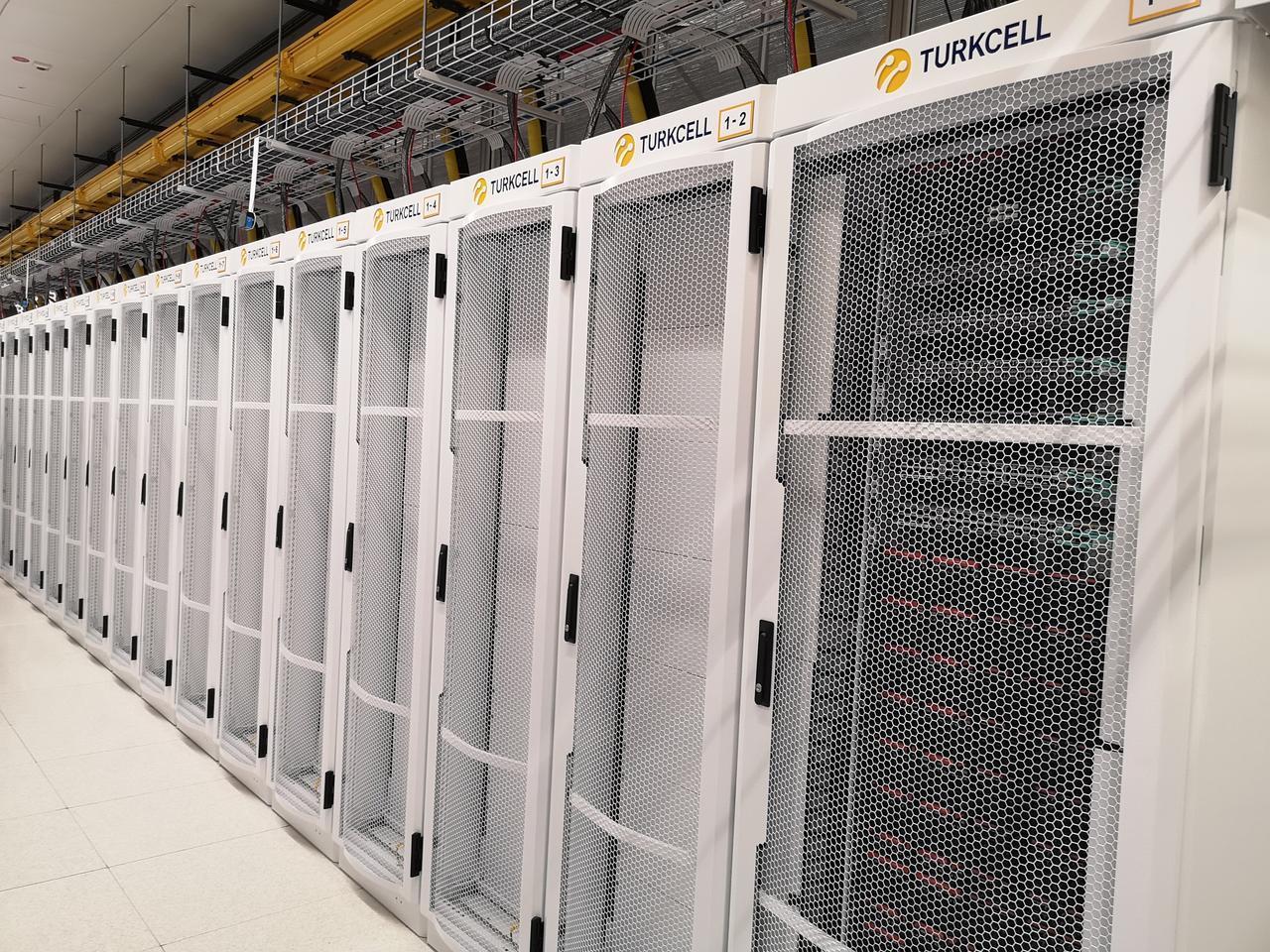
Türkiye is building huge nuclear-powered data centers, but there is a major catch: hardly anyone at home is using them. High-tech server rooms risk sitting empty while local businesses struggle with a lack of skills, banks get blocked by strict rules, and government offices stall in red tape.
Data centers are the backbone of an AI economy, and globally the biggest constraint on new data centers is a sustainable energy supply. However, developing the ability to power and host AI differs from helping businesses and public institutions use it effectively. An infrastructure strategy also needs an adoption strategy.
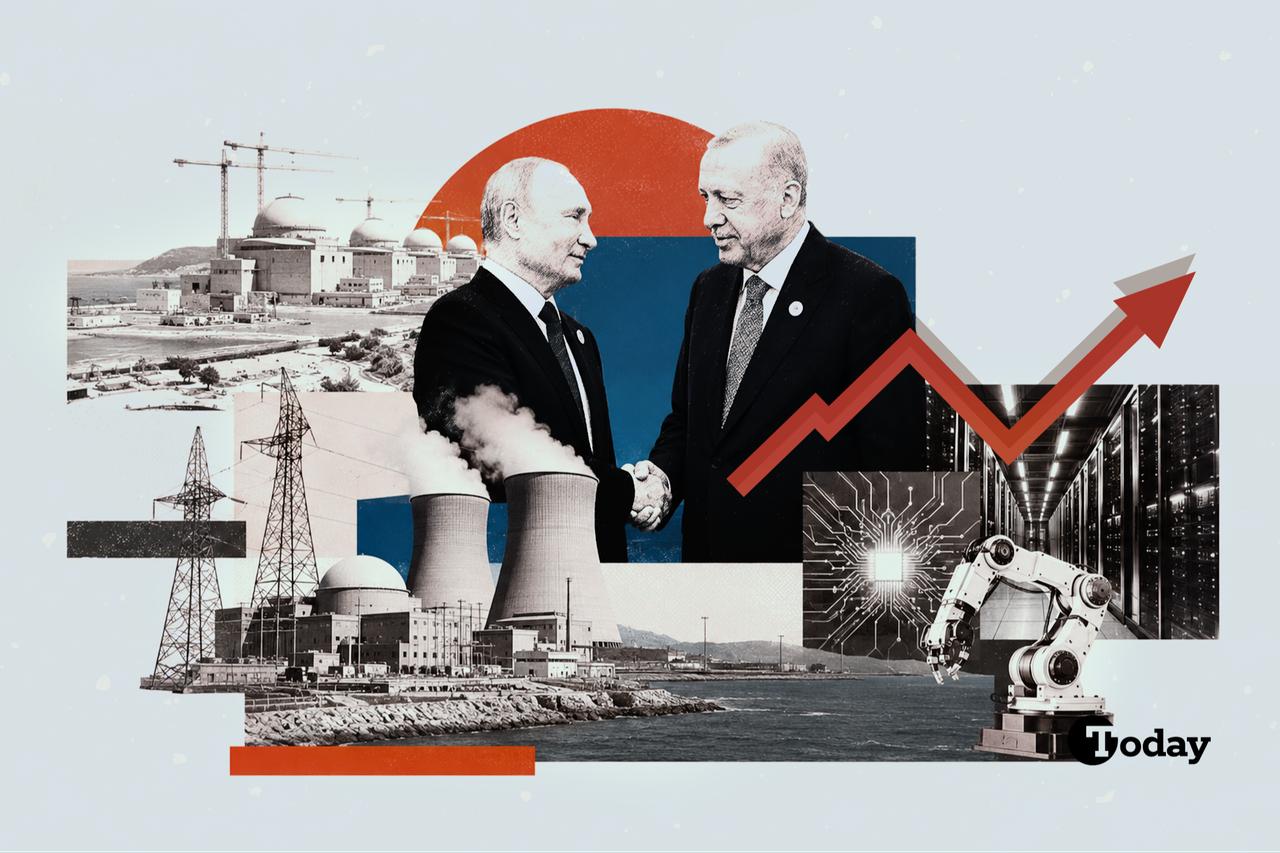
In his Sept. 4 article in Türkiye Today, Levent Kemal connects Türkiye’s nuclear ambitions with its emerging AI infrastructure. That connection matters. Energy and computing capacity are only part of the equation. Türkiye also needs the skills, regulatory clarity and institutional confidence to put AI to work.
Moreover, if we are talking about how Türkiye will lead the AI economy over the next decade or so, we should also identify the binding constraint on domestic AI use.
Lower demand for AI use at home will mean any data center investment will either sit idle or serve demand abroad.
Exporting computing services may be commercially valuable, but Türkiye’s success as a data-center host does not, by itself, show that Turkish businesses are becoming effective AI users and keeping up with global trends.

Demand for AI and cloud services comes from three primary sources: private demand, private demand within regulated industries, and demand from governmental agencies. Let’s first examine the private demand in Türkiye.
According to TurkStat, in 2025, just 7.5% of Turkish enterprises with coverage used AI, whereas 20.4% bought cloud services. In the same year, EU headline rates were 20% for AI use and 52.7% for paid cloud.
Moreover, in Türkiye, among enterprises that were not using AI but had considered using it, 74.2% cited missing expertise, 67.4% high costs, and 62.4% unclear legal consequences.
While the “compute for everyone” pillar in the recent National AI Strategy may reduce costs, a lack of expertise and trust is likely to remain a barrier to encouraging domestic demand.
The next category is the demand from regulated industries. In any AI and cloud use case in a regulated industry, regulation should balance flexibility and cost efficiency on one hand with security on the other. In Türkiye, unfortunately, the pendulum swings too far toward security.
For example, community cloud regulations in the banking industry are so strict and vague that banks often prefer on-premises solutions over the cloud. Once a star of digital technologies in Europe, the Turkish banking industry is quickly falling behind in the AI race.
The final demand category is government demand. Guidance remains unclear on how and which use cases government agencies can deploy in the cloud. As a result, each public agency delays action, relying on others, which causes bureaucratic inertia.
Public institutions and regulated industries could provide the predictable demand needed to support large-scale cloud investment, but low demand in these categories also blocks data center investment in Türkiye. Thus, if Türkiye wants to keep up with global developments, resolving the energy issue will not be sufficient. It also urgently needs action to raise demand for AI and cloud services.
Demand in private enterprises is equally important and could be triggered by public policies. For instance, Singapore combines cloud credits and AI tools with consultancy, change management and requirements for accessible datasets and internal technical capacity.
Therefore, the challenge goes beyond whether Türkiye can supply enough computing power or energy. It also involves whether its companies and public institutions have the necessary skills and confidence to use these resources effectively.
A robust sovereign AI framework for Türkiye will combine demand and supply for AI and cloud. Focusing on only one will create distortions. Türkiye should measure AI success not only by the capacity it builds, but by the productive uses that capacity makes possible.


 Set as preferred source
 Set as preferred source


 2 min read
 1 min read