Newsletters


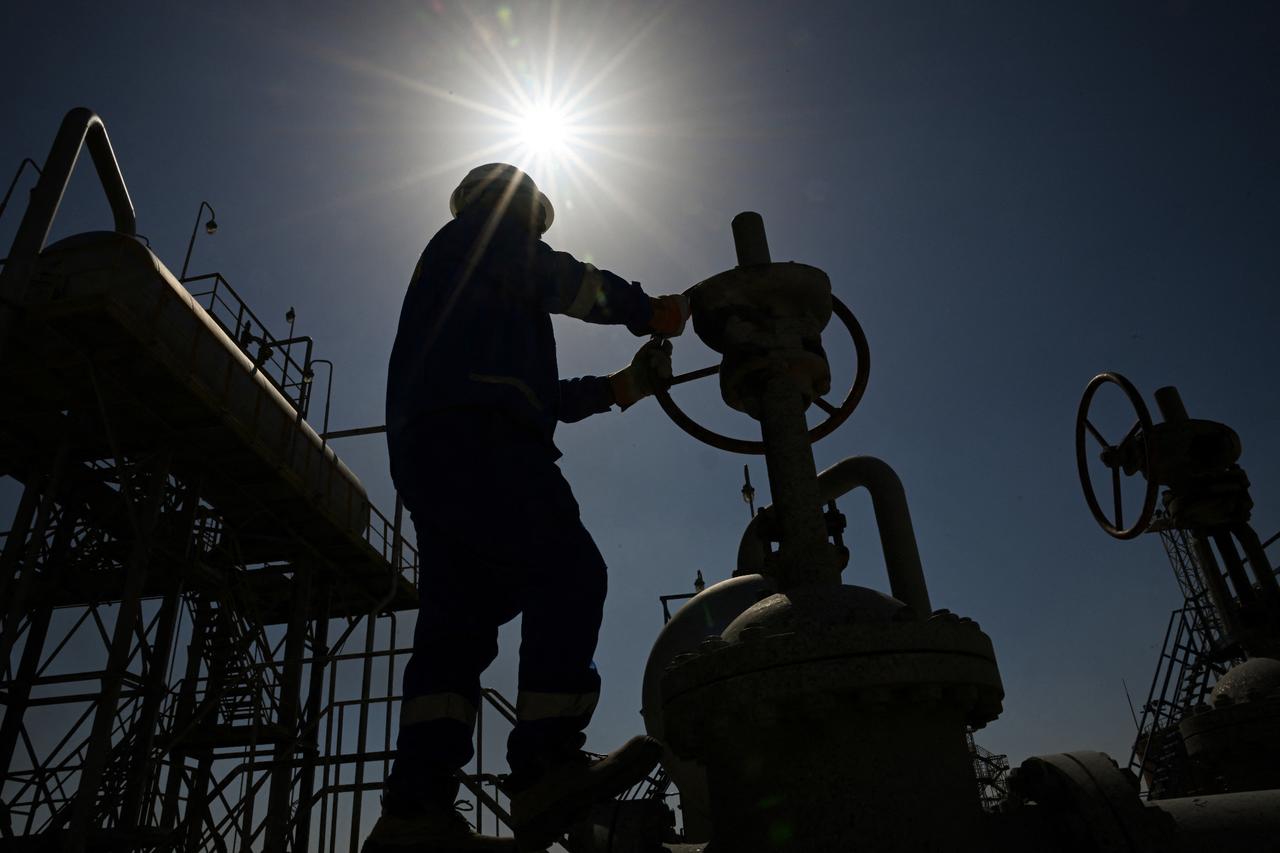


When Abu Dhabi announced on April 28 that it would leave OPEC effective May 1, it framed the decision as a production policy dispute.
What it didn't say was that the exit had been years in the making, shaped by war, rivalry, and the gravitational pull of Washington's financial architecture.
Stripped of diplomatic language, it was anything but simple.
The exit reflects a confluence of pressures that have been building for years: a brutal production cap that had constrained Abu Dhabi's ambitions, a regional war that exposed the limits of collective Gulf solidarity, and a deepening alignment with Washington that Riyadh has no say over.
The arithmetic was stark.
Before the Iran war, the UAE held a pre-conflict production capacity of 4.8 million barrels per day. Under OPEC+ quotas, it was only permitted to produce around 60 to 70% of that capacity on any given day.
When Iranian strikes and the Hormuz closure pushed output below 2 million barrels per day in March 2026, Abu Dhabi's long-simmering frustration boiled over.
Abu Dhabi National Oil Company (ADNOC) has set a formal target of reaching 5 million barrels per day by 2027.
Staying inside OPEC's quota structure would have made that goal effectively unreachable.
The Hormuz closure, perversely, offered a strategic opening. With tanker traffic frozen and investment decisions on hold, Abu Dhabi could use the disruption period to build out technical capacity without immediate market consequences.
The calculus was straightforward: plan now and pump when the strait reopens.
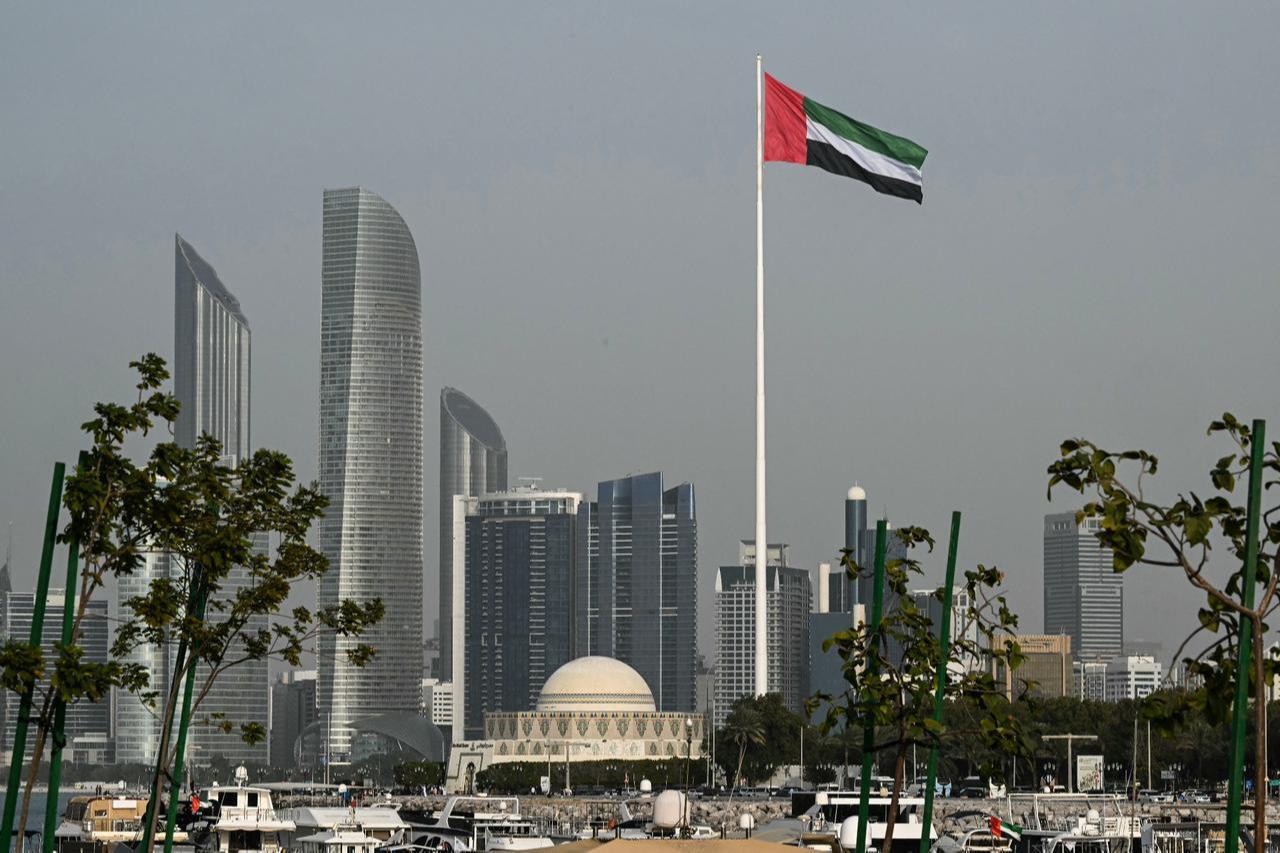

Beneath the production argument lies a longer-running competition.
The UAE and Saudi Arabia have been in quiet but persistent rivalry across multiple theaters, Yemen, the Horn of Africa, and Asian hydrocarbon trade routes, for the better part of a decade.
The decision to exit OPEC was described by Abu Dhabi officials as a "sovereign choice," made without consulting Riyadh. The framing was deliberate.
For years, Saudi Arabia has functioned as OPEC's de facto gatekeeper, setting the tone and absorbing the political cost of production cuts. The UAE's unilateral departure is a signal that Abu Dhabi no longer feels bound by that hierarchy and is increasingly comfortable saying so.
The Trump administration has been unambiguous: it views OPEC members as price-fixers and has linked Gulf security guarantees to lower oil prices.
By moving to increase production outside OPEC's constraints, the UAE positions itself as the region's most cooperative energy partner from Washington's perspective and as measurably more useful to the White House than Riyadh at this particular moment.
There is also a financial dimension that often escapes energy-focused analysis. Swap lines, the currency arrangements that underpin dollar liquidity in times of stress, are among the most potent instruments of American financial statecraft.
The UAE's move toward tighter alignment with Washington is not merely diplomatic; it is about securing access to the safety net of the dollar system.
Capital flight risks and budget pressures created by the Iran war and Hormuz uncertainty have made that access existentially important.
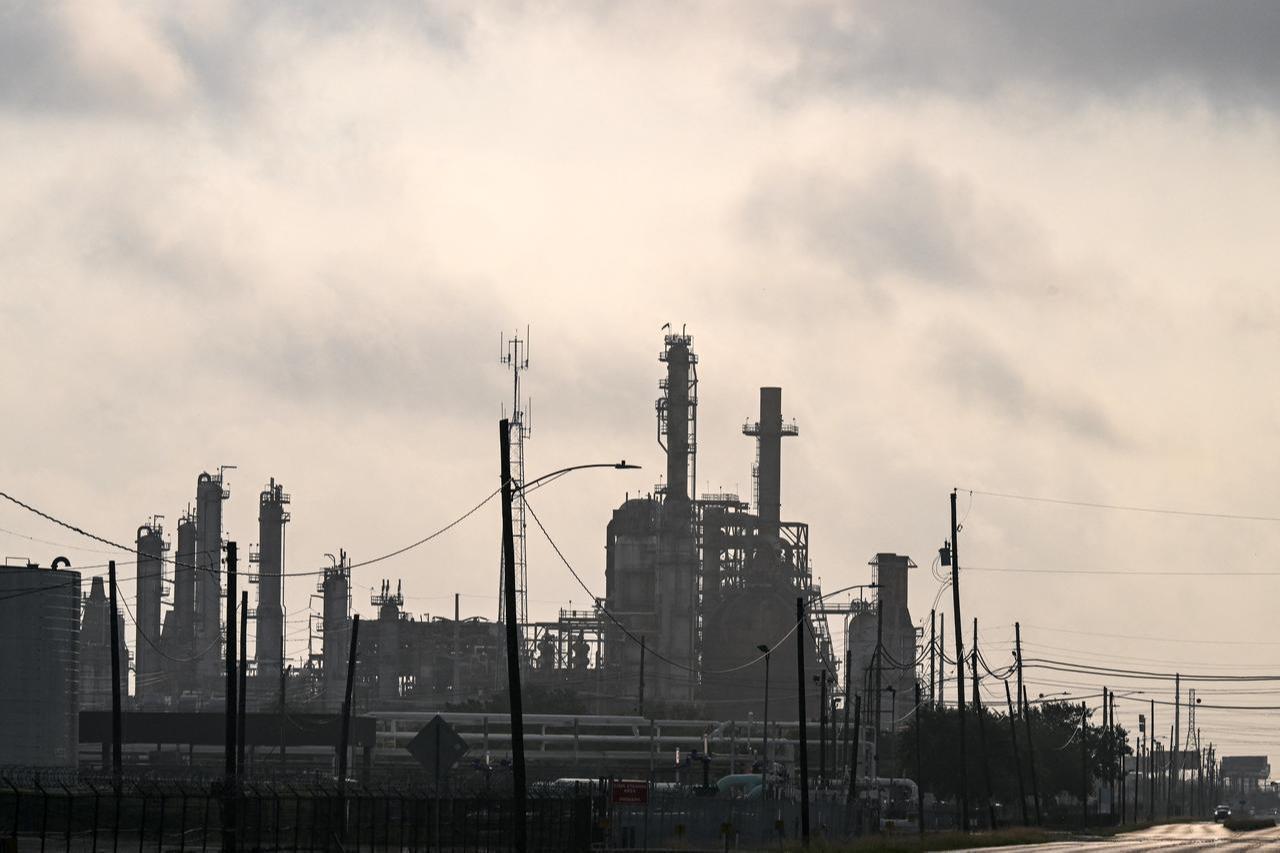
The UAE is also the Gulf's most articulate advocate for energy diversification and net-zero transition targets. That ambition has always sat uncomfortably inside a cartel whose institutional identity is defined by crude oil.
As Abu Dhabi doubled down on renewable energy, nuclear power, and long-term portfolio diversification, continued membership in OPEC represented an increasingly poor strategic fit.
The systemic risks of the exit deserve acknowledgment. OPEC's core function, muting the volatility of oil price shocks, depends on collective discipline. Every departure, potential or actual, loosens that discipline. Without coordinated supply management, oil prices become more exposed to geopolitical shocks, demand swings, and financial speculation.
A post-OPEC energy market will be a more volatile one.
The cartel itself has been quietly deteriorating for some time: warring members (Iran and Iraq), incompatible national interests, and sanctioned producers (Russia and Iran) operating under entirely different economic constraints have hollowed out OPEC+'s coherence.
The UAE's exit makes the hollowing out visible.
The question now is whether Abu Dhabi leaves alone.
The conditions that drove this decision, war exposure, financial vulnerability, quota frustration, and Washington's gravitational pull, are not unique to the UAE.
Other Gulf producers are watching. If the post-Hormuz energy order takes shape around bilateral alignments with the United States rather than multilateral cartel discipline, OPEC may find itself an institution in name only.
Abu Dhabi has placed its bet. It is wagering that strategic autonomy, closer ties to Washington's financial system, and uncapped production capacity are worth over six decades of cartel membership. The rest of the Gulf will spend the coming months deciding whether to follow.


 Set as preferred source
 Set as preferred source



 4 min read