Newsletters


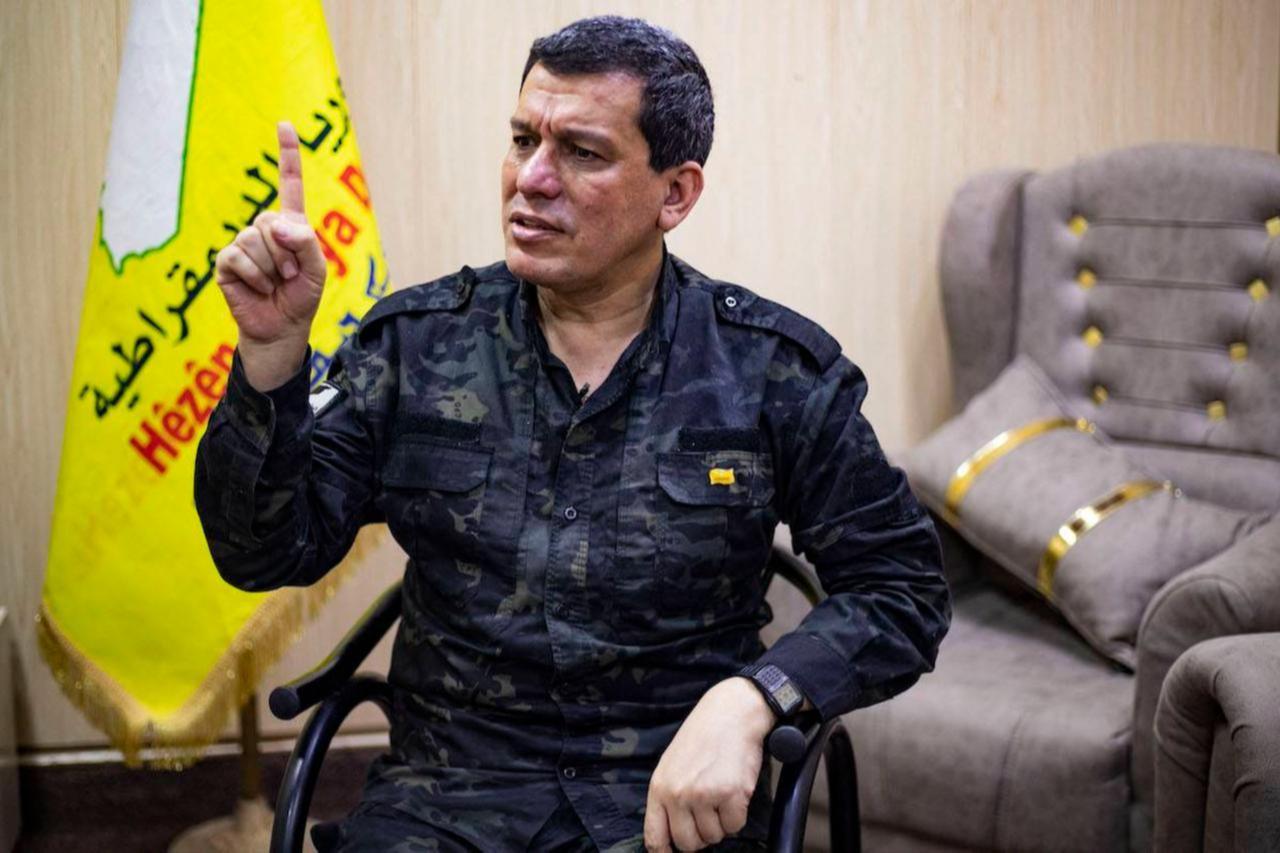


The Munich Security Conference produced its usual wave of headlines, but for Syria observers, one image drew particular attention: Syrian Foreign Minister Asaad al-Shaibani in a visibly cordial exchange with Mazloum Abdi and Elham Ahmed. He even included Abdi and Ahmed in several of his international meetings. But what does this signal?
The conference marked the first time these two senior PKK veterans were invited to any multilateral diplomatic event. Notably, the invitation did not come at a moment of strength for the YPG-dominated SDF. On the contrary, it came at a time when the YPG had been significantly weakened.
The group has lost roughly 80% of its controlled territory, most of its fighting capacity and much of its financial base.
Why, then, were they invited? Why did Shaibani not only welcome them but also include them in meetings with U.S. Secretary of State Marco Rubio, members of the U.S. Congress, and Saudi Foreign Minister Faisal bin Farhan Al Saud?
The answer lies in political calculation. The YPG has suffered major setbacks, yet neither Damascus nor external actors want it to revert to insurgency. The Syrian government appears intent on offering the YPG an honorable political exit rather than pushing it toward renewed conflict.
What unfolded in Munich can therefore be interpreted as calibrated political appeasement, an effort to integrate the YPG into a state-centered framework without humiliation. At the same time, Damascus demonstrated flexibility aimed at reassuring international stakeholders that the integration process is moving forward constructively.
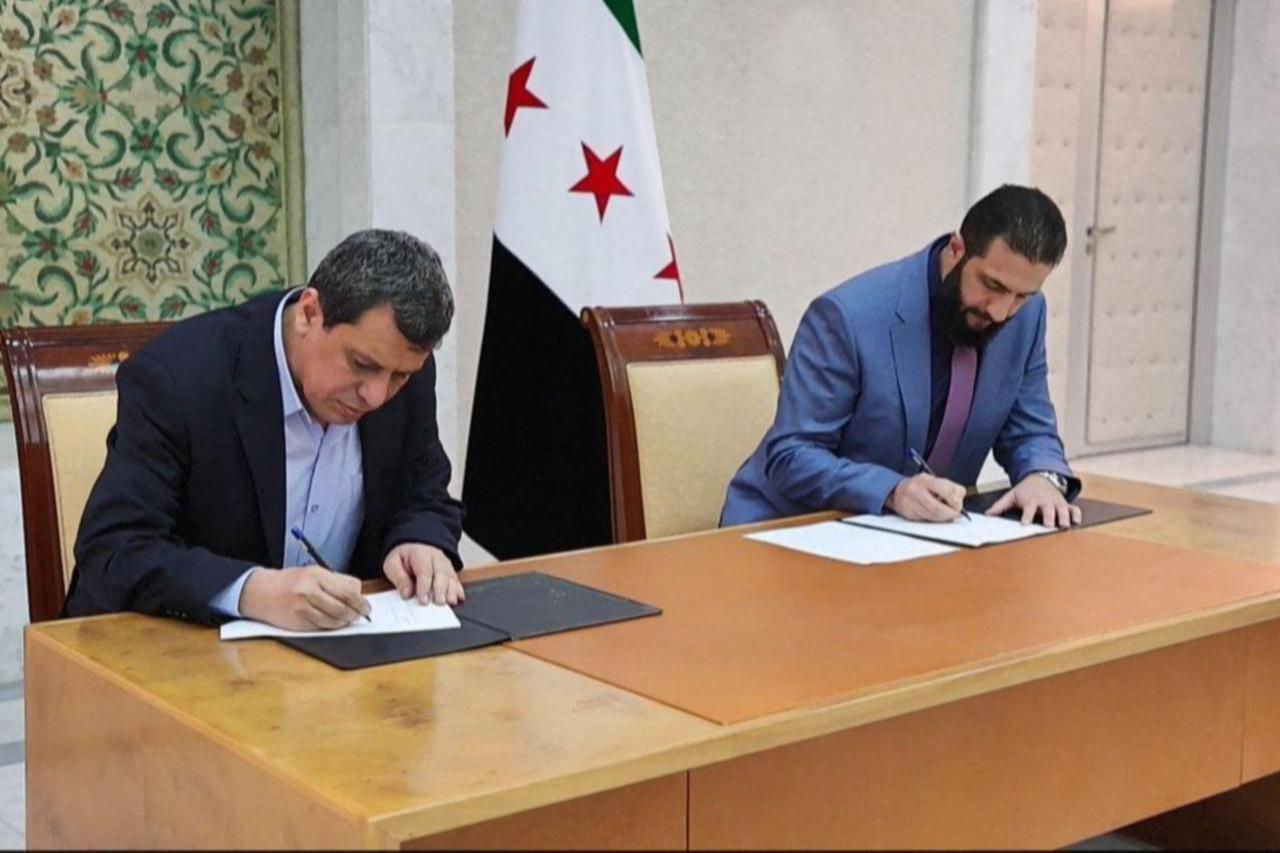

However, this approach comes with risks.
Many PKK members and supporters are likely to interpret the images from Munich as a de facto recognition of a Kurdish autonomous authority in Syria.
Ahmed, when asked by a journalist about her role at the conference, initially stated that they participated as Syrians. After a brief pause, however, she added that they attended as representatives of the SDF and the Autonomous Administration. Abdi adopted a more nuanced tone, stating that he wants Kurds to govern themselves, phrasing that remains open to interpretation. Unlike in the past, despite being directly asked, he avoided explicit references to autonomy or decentralization.
Such ambiguity is problematic. If expectations among the YPG’s base are inflated, the integration process risks derailing. Mismanaged optics and public messaging could reproduce the breakdown seen after the March 10 agreement, potentially leading to renewed escalation.
To avoid repeating that scenario, careful management of symbolism, rhetoric, and public communication will be just as important as the substance of negotiations themselves.


 Set as preferred source
 Set as preferred source


 1 min read
 1 min read