Newsletters


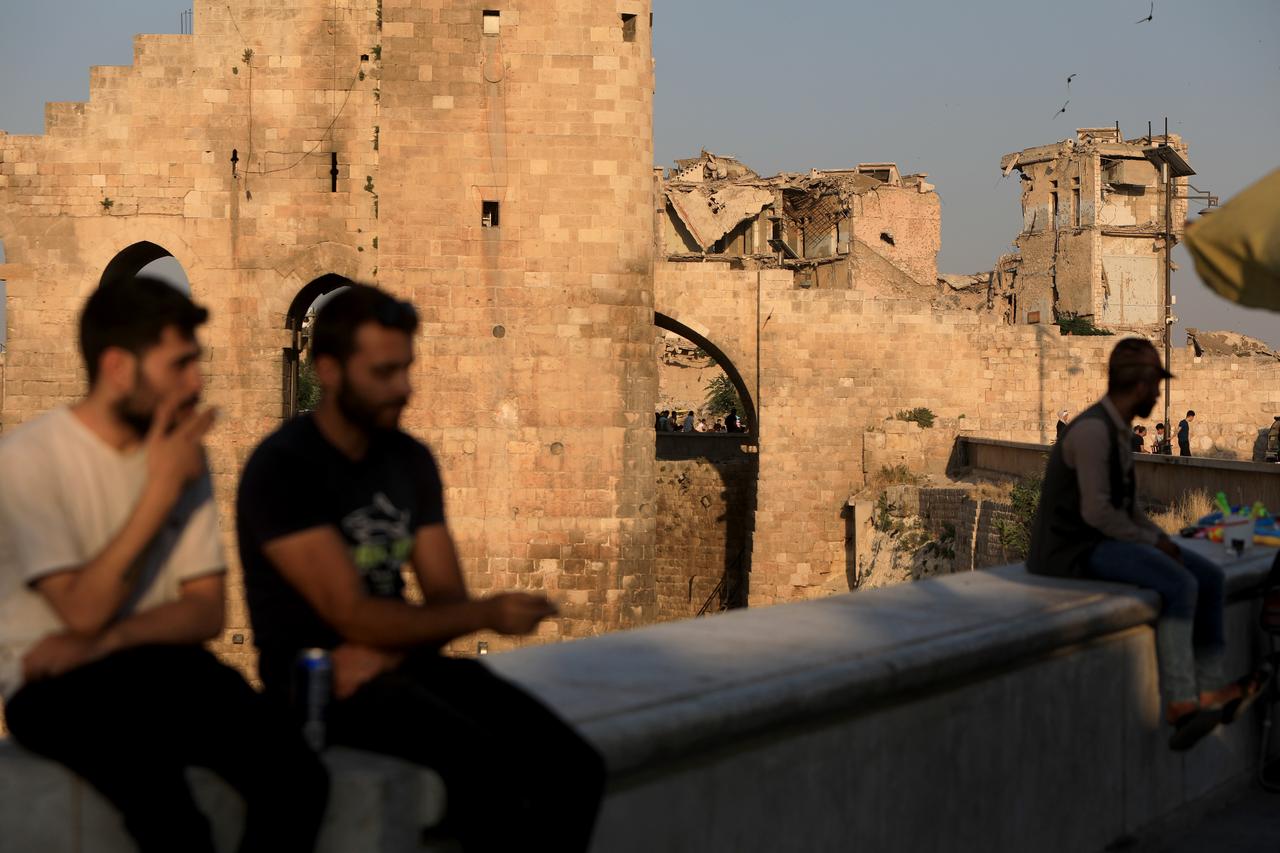


Syria is in a crucial and fragile transition period, and many focus on the major agendas, ranging from security to terrorism and international relations.
But one of the significant aspects often ignored is the Syrians themselves. What Syrians think may matter more for the stability of Syria than how Syria performs on the international stage.
Unfortunately, despite all the availability, little public polling is done in Syria.
But a constant, albeit limited, polling initiative by "Syria In Transition" gives great insight into what (some) Syrians think.
The poll by "Syria In Transition" was conducted in Damascus, Rural Damascus, and Homs in mid-June 2026 with a total of 900 people. Previous polls were conducted in the same three governorates with the same sample size in February and April.
As the survey is territorially limited, it represents the opinions of geographic "central Syria" rather than all of Syria.
For me, the most important takeaway across the three surveys and the 10 questions asked is a repeating phenomenon of non-answers.
In each question with an option to opt for "don’t know," the interviewers overwhelmingly opted for it. Sometimes, up to two-thirds chose the option not to express an opinion. This might be a reflex of muscle memory of years of authoritarian control under the Assad regime, but Syrians were quite fast in adapting to an Assad-free Syria.
I believe that most Syrians decided not to respond because their struggle is different. Most Syrians still struggle to survive. Given this reality, many Syrians still lack trustworthy sources of knowledge. Many Syrians use social media platforms to get information, and access to the internet is still scarce across the country.
The poll also supports this observation, with only 18% of respondents saying they do not struggle to cover their living expenses.
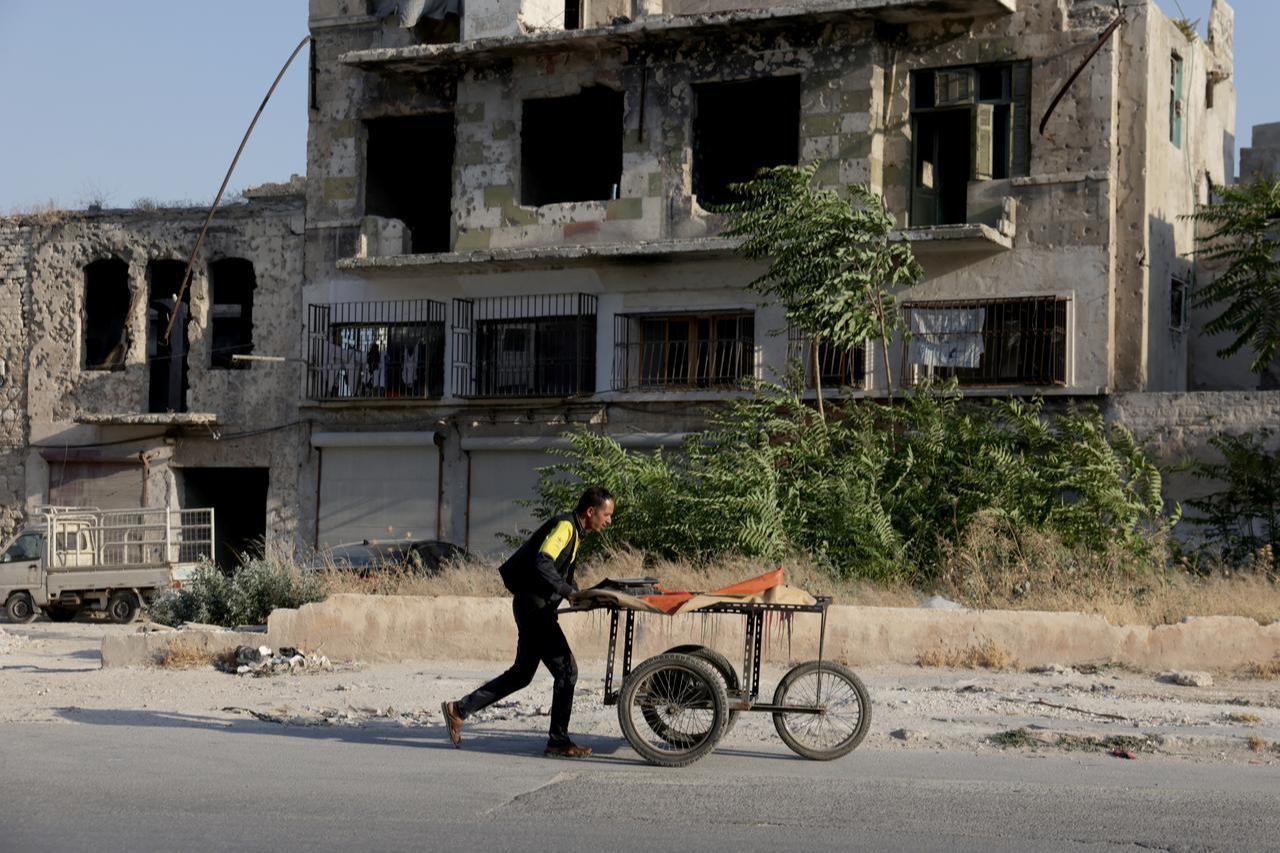

The second most important result of the survey is that the approval ratings of the Syrian government’s performance decreased from 25% in April to 20% in June.
Underlining this sentiment, the percentage of people stating that the country is heading in the wrong direction increased from 30% in April to 46% in June.
As I wrote in an earlier column, the initial days of euphoria are over in Syria.
The Syrian government had all the reasons to focus on its international legitimacy. But now, the Sharaa-led government needs to work on its domestic standing and listen to its own people.


 Set as preferred source
 Set as preferred source



 7 min read